A new study uncovers a feedback mechanism in Earth's carbon cycle that could cause global warming to overshoot and trigger an ice age, suggesting Earth's climate system can overreact and potentially plunge the planet into deep freeze, especially under past conditions of low atmospheric oxygen. However, current higher oxygen levels may dampen this effect, but the risk remains if warming continues. The findings highlight the importance of limiting ongoing climate change.

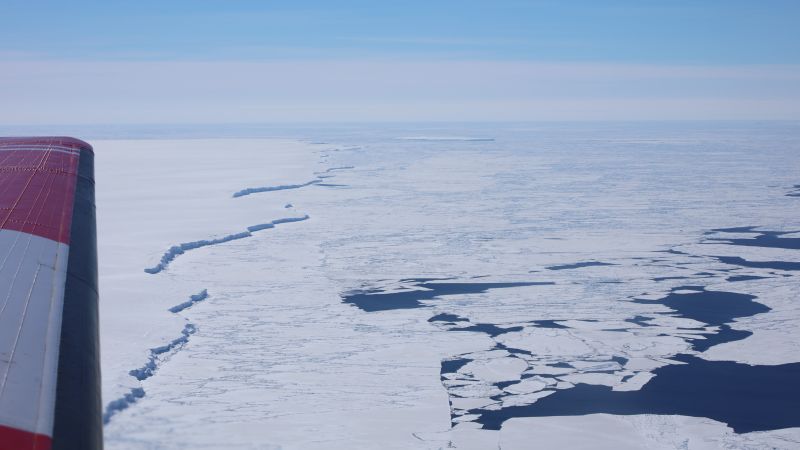
Recent satellite data reveals that Antarctic sea ice is in unexpected and rapid decline due to increasing salinity in the Southern Ocean, which disrupts the ocean's layered structure and accelerates melting through a feedback loop, with significant global environmental consequences. This challenges previous climate models and underscores the need for ongoing monitoring and research to better understand and adapt to these rapid changes.
Glaciers in East Antarctica, specifically the Denman and Scott glaciers, could lose ice faster than previously thought due to a feedback loop where glacier meltwater triggers more ice loss and sea level rise. This study highlights the urgent need to account for subglacial discharge in simulations of Antarctic ice loss and sea level rise. The findings underscore the dire consequences of human-caused global warming on the melting southern continent, posing extreme risks of life-altering sea level rise worldwide. The study emphasizes the importance of monitoring and understanding the least-explored parts of Antarctica to accurately predict future impacts.
Chronic pain and mental health disorders like depression and anxiety are closely intertwined through a bi-directional feedback loop. Physical pain impacts sleep and mood, making individuals more susceptible to mental health issues, while psychological conditions can amplify the perception of pain. It is crucial to address both physical and psychological symptoms in patient care, as treating depression and anxiety can improve pain, but treating pain may not have the same effect on mental health symptoms. Integrated, holistic approaches are needed to effectively manage chronic pain and mental health conditions.
Three periods of extreme warming in the earth’s past were preceded by climate tipping points involving the release of greenhouse gases, according to research from Wageningen University & Research and Utrecht University. The study is the first to draw a straight line between decreased stability in the climate system and those warming periods. The findings follow another study indicating that current levels of global warming could trigger climate tipping points, with full avoidance only possible if global heating is kept below 1 degree Celsius above pre-industrial levels.