The U.S. Sixth Circuit dismissed the Justice Department's ethics complaint against Judge James E. Boasberg, saying the DOJ failed to substantiate allegations of inappropriate comments at a private judges’ meeting; even if some remarks were substantiated, they would not have been improper, clearing Boasberg amid scrutiny of his Trump-era rulings.
The US federal court system is set to begin furloughs and reduce operations due to a funding shortfall caused by the ongoing government shutdown, leading to delays in civil litigation and financial strain on employees, while the Supreme Court continues to operate.
Former Justice Stephen Breyer defended Judge William G. Young against accusations of defying a Supreme Court order, praising his honesty and respect for higher courts amid tensions within the judiciary over interpreting cryptic emergency rulings.
The Trump administration has been engaged in a confrontational stance against the federal judiciary, evading court orders, suing judges, and creating concerns among legal experts about a potential constitutional crisis, as courts struggle to enforce their authority against the executive branch.
Federal judges have publicly disclosed a rise in threats and harassment, including death threats, 'pizza doxxing,' and swatting, largely fueled by political rhetoric and decisions against the Trump administration, prompting calls for stronger protections and condemnation of inflammatory language.
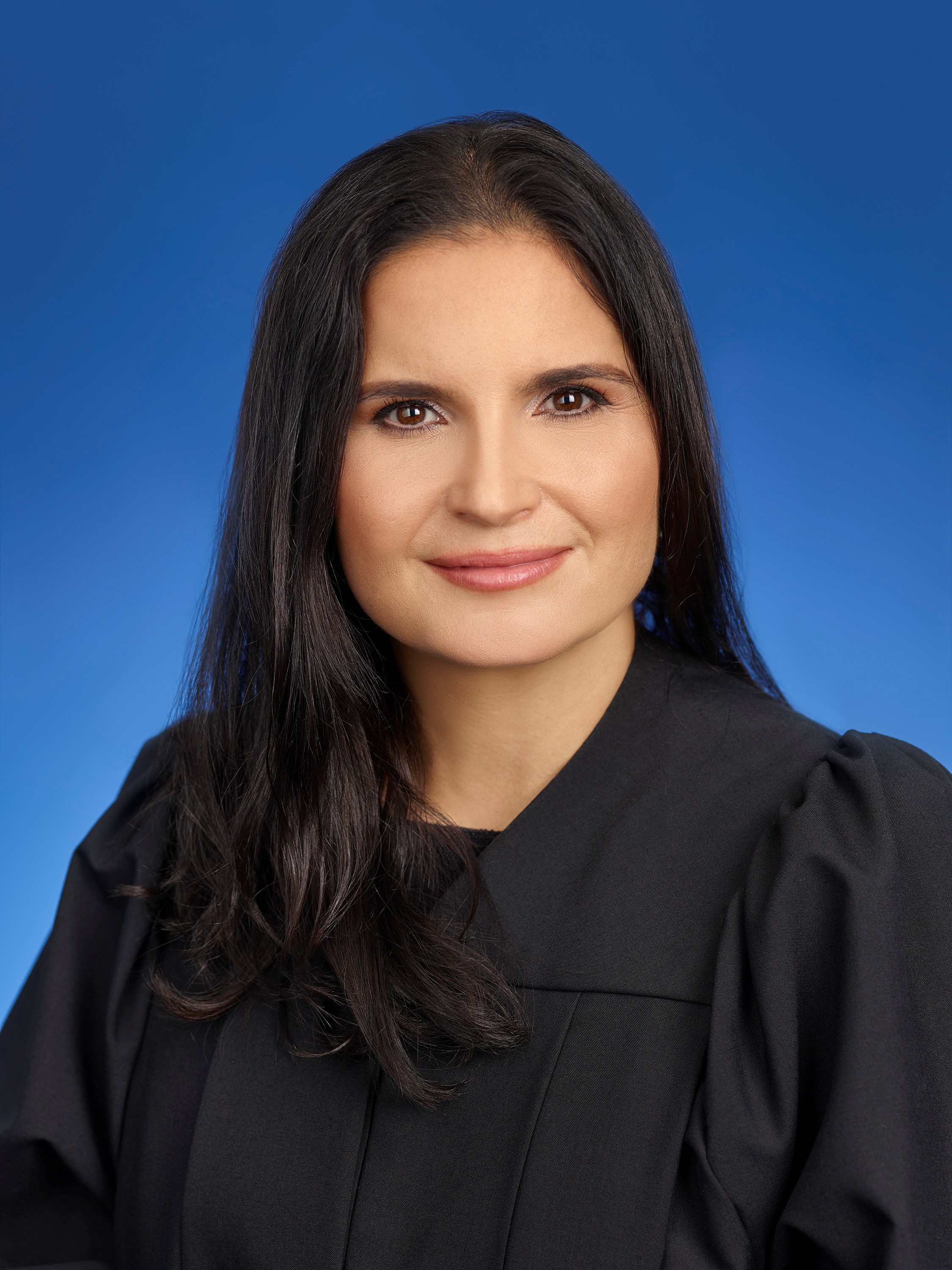
Judge Aileen Cannon is facing calls for her removal after dismissing the classified documents case against former President Donald Trump, citing improper appointment of Special Counsel Jack Smith. Legal experts argue her ruling disregards decades of precedent and expect it to be overturned on appeal.
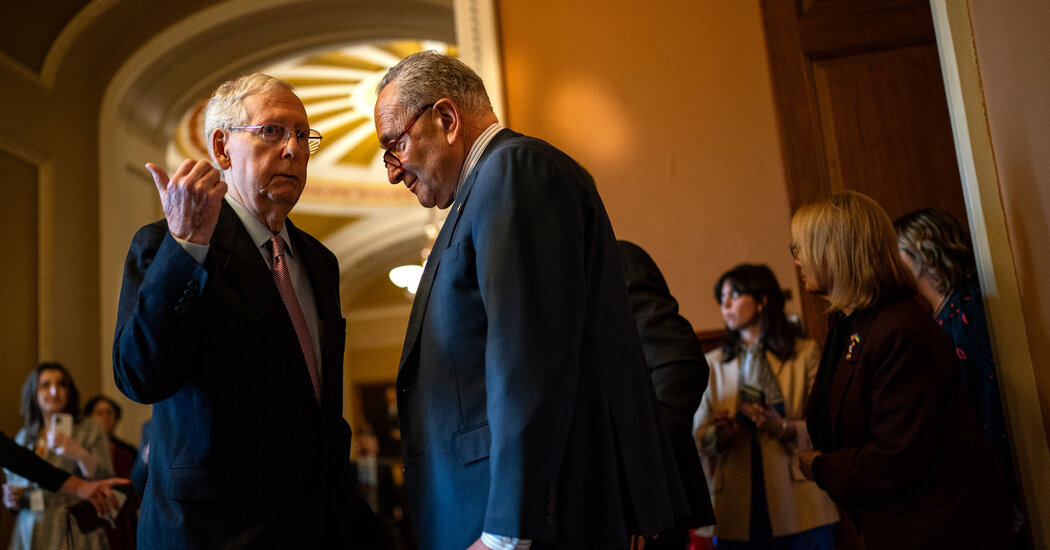
Senators Chuck Schumer and Mitch McConnell are introducing separate bills to address the issue of "judge shopping" in federal courts, where plaintiffs strategically choose sympathetic judges for high-stakes cases. Schumer's bill aims to end the practice by following guidance from the federal judiciary's policymaking body, while McConnell's bill seeks to limit the power of a single district court judge to issue nationwide injunctions and block federal policy across the entire country. Both bills take different approaches to curb the pursuit of sympathetic judges by litigants, but their prospects for becoming law are uncertain as neither has drawn co-sponsors from the opposing party.
The United States District Court for the Northern District of Texas is defying the Judicial Conference's new policy intended to combat "judge-shopping," which allows plaintiffs to choose their own judges. This defiance could render the new policy useless, as the Northern District of Texas is a locus of judge-shopping. The conflict sets up a significant divide between the far-right court and the broader federal judiciary, with implications for US policy. The Supreme Court has heard cases from the Fifth Circuit, known for its loyalty to the MAGA movement, but an alliance between the Court's Democrats and less hardline Republicans may prevent reshaping the nation in MAGA's image. The federal judiciary's non-MAGA Republicans seem to share Democrats' frustration with judges like Matthew Kacsmaryk, a Trump appointee known for implementing right-wing policies. The divide between center-right and far-right judges could become irrelevant if former President Donald Trump appoints more judges, potentially tipping the debate in favor of the far right.
The federal judiciary released a revised policy recommending random assignment of judges in civil cases with statewide or national implications, addressing concerns about "judge shopping." The policy is not a mandate and does not apply to criminal or bankruptcy cases. Conservative judges and lawmakers have criticized the change, accusing the Judicial Conference and Democrats of attempting to grab power from conservative jurists in isolated jurisdictions. Some judges have expressed concerns about the practicality of implementing a random-case-assignment policy in geographically large districts.
The U.S. Judicial Conference issued guidance on the federal judiciary's new policy to prevent "judge-shopping," stating that courts have discretion in implementing the policy. The policy aims to randomly assign cases that could impact state or federal policies to a wider pool of district court judges. This move comes after criticism from top Republicans in Congress, who called it an "unforced error" and urged the Judicial Conference to reconsider. The practice of "judge-shopping" has been criticized by Democrats, with Senate Majority Leader Chuck Schumer stating that it allows plaintiffs to target sympathetic judges.
The Judicial Conference of the United States has announced a new policy requiring random assignment of judges in civil cases with statewide or national implications to address concerns about "judge shopping." This move aims to promote impartiality and public confidence in the federal judiciary. The issue gained attention after controversial cases were filed in single-judge divisions. Meanwhile, the Judicial Conference is still reviewing Supreme Court Justice Clarence Thomas's financial reporting practices following accusations of violating federal ethics laws.
The federal judiciary has announced a new rule aimed at limiting "forum shopping" in civil cases with nationwide implications, where plaintiffs seek a sweeping remedy. This practice involves choosing sympathetic judges in specific courthouses. Under the new rule, judges for such cases will be assigned at random from across the district instead of defaulting to judges in a particular courthouse, making it harder for litigants to cherry-pick judges for their cases.
The federal judiciary has approved a new policy to combat "judge shopping" by randomly assigning civil actions seeking to bar or implement state or federal actions to judges throughout a district, aiming to prevent litigants from filing cases before specific judges to secure favorable decisions. The policy aims to address concerns over national injunctions and the strategic selection of judges for conservative cases, but it may not fully eliminate forum shopping as litigants can still choose districts and courts based on their preferences and the composition of the court.
The federal judiciary is cracking down on "judge-shopping" tactics that have been used to block President Biden's policies, particularly in Texas, by implementing a new policy to broaden the pool of judges who could be assigned to hear cases seeking state-wide or nationwide orders. This move aims to prevent litigants from strategically filing lawsuits in courthouses with sympathetic judges. The change comes in response to the increasing prevalence of nationwide injunctions and aims to restore public faith in the integrity of the judiciary.
U.S. Circuit Judge Pauline Newman, aged 96, has been suspended from hearing new cases by the U.S. Court of Appeals for the Federal Circuit amid a dispute over her mental competence. The judge has been accused of failing to cooperate with an investigation into her fitness, and the council of judges unanimously decided to suspend her for at least one year or until she undergoes court-ordered medical examinations. This rare clash over competency raises questions about the aging federal judiciary, whose members are appointed for life and cannot be forced to retire.