Tag

Judicial Conference

All articles tagged with #judicial conference

"Battle Over 'Judge-Shopping' Sparks Controversy Among Republican Justices"
us-politics1 year ago

"Battle Over 'Judge-Shopping' Sparks Controversy Among Republican Justices"

A policy aimed at preventing "judge-shopping" in federal courts has sparked a political firestorm, with Republicans and Democrats clashing over its implications. The policy, initially thought to be a done deal, is now facing resistance, with conservative politicians urging judges to reject it and Democrats pushing for its mandatory implementation. The controversy stems from concerns that the policy could impact access to justice in venues favored by conservatives, particularly in cases related to abortion rights and Biden administration policies.
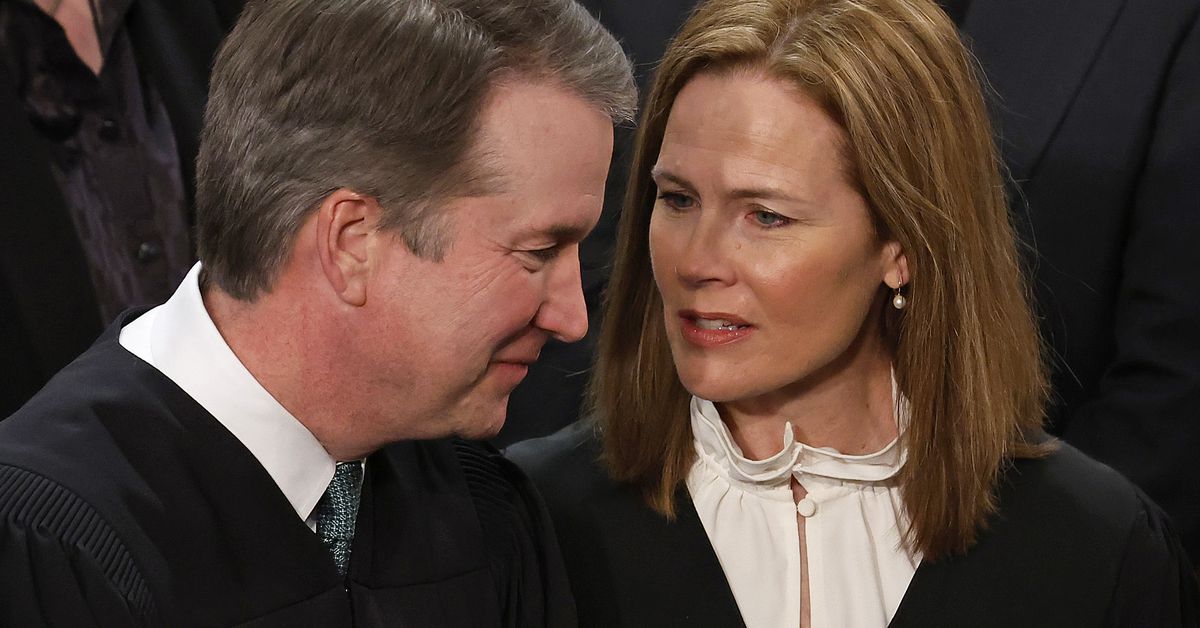
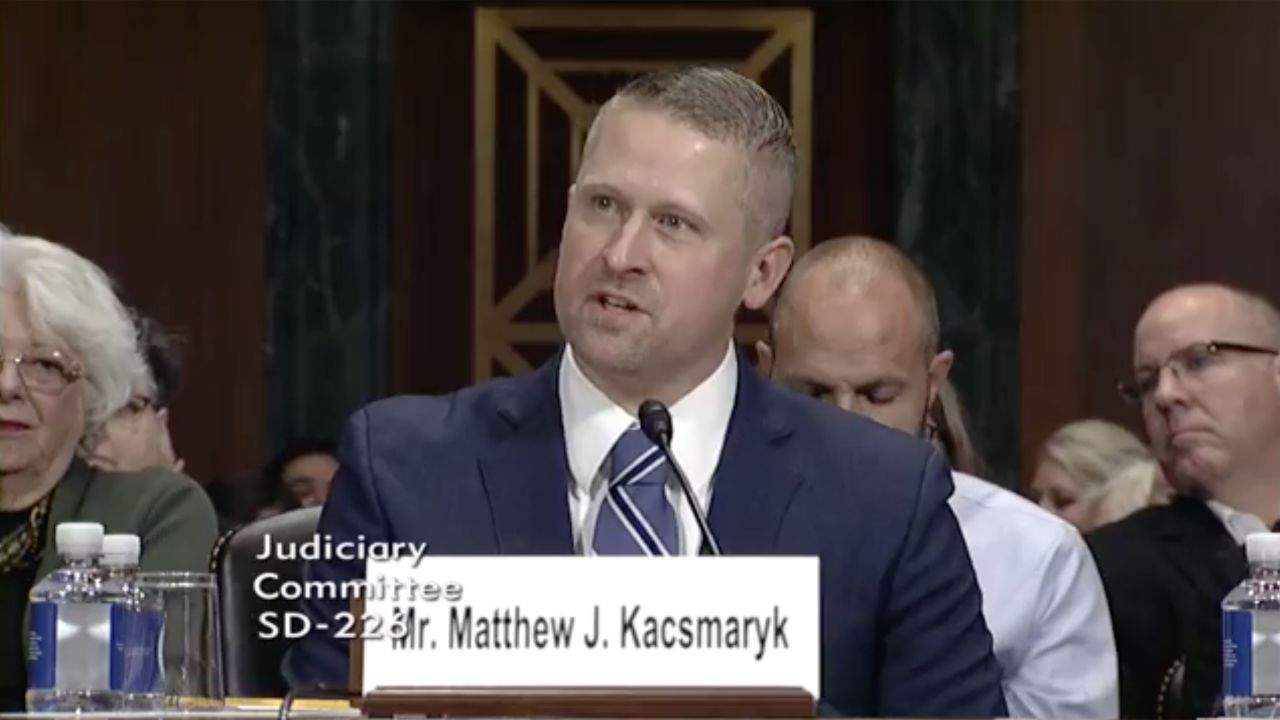
"Internal Strife: Republican Judges Clash Over 'Judge Shopping' Tactics"
law-and-politics1 year ago

"Internal Strife: Republican Judges Clash Over 'Judge Shopping' Tactics"

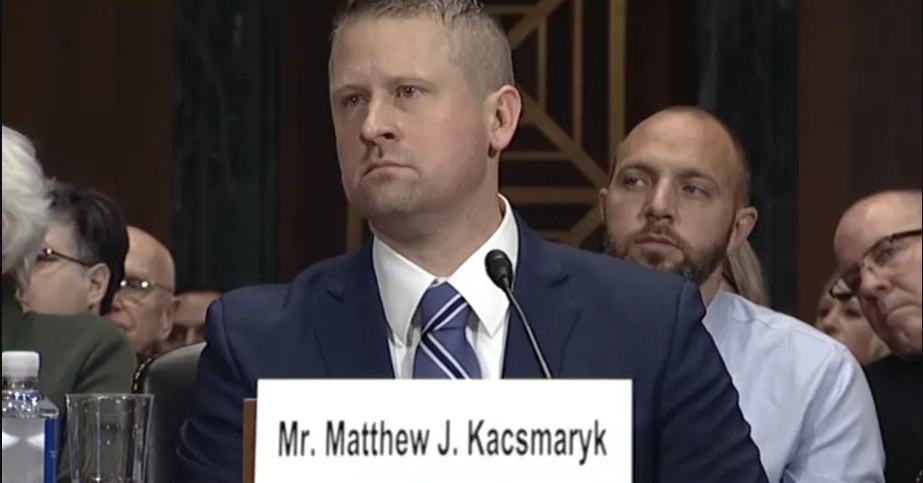
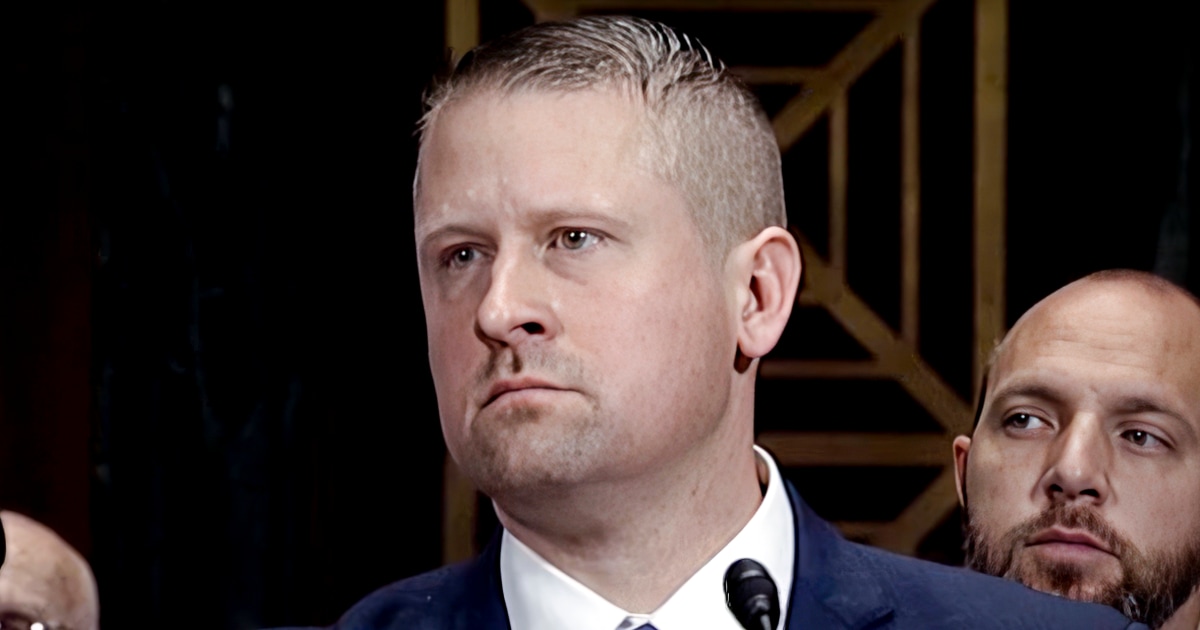
The United States District Court for the Northern District of Texas is defying the Judicial Conference's new policy intended to combat "judge-shopping," which allows plaintiffs to choose their own judges. This defiance could render the new policy useless, as the Northern District of Texas is a locus of judge-shopping. The conflict sets up a significant divide between the far-right court and the broader federal judiciary, with implications for US policy. The Supreme Court has heard cases from the Fifth Circuit, known for its loyalty to the MAGA movement, but an alliance between the Court's Democrats and less hardline Republicans may prevent reshaping the nation in MAGA's image. The federal judiciary's non-MAGA Republicans seem to share Democrats' frustration with judges like Matthew Kacsmaryk, a Trump appointee known for implementing right-wing policies. The divide between center-right and far-right judges could become irrelevant if former President Donald Trump appoints more judges, potentially tipping the debate in favor of the far right.

"Federal Court Defies Anti-Judge Shopping Guidelines"
legalpolitical1 year ago

"Federal Court Defies Anti-Judge Shopping Guidelines"

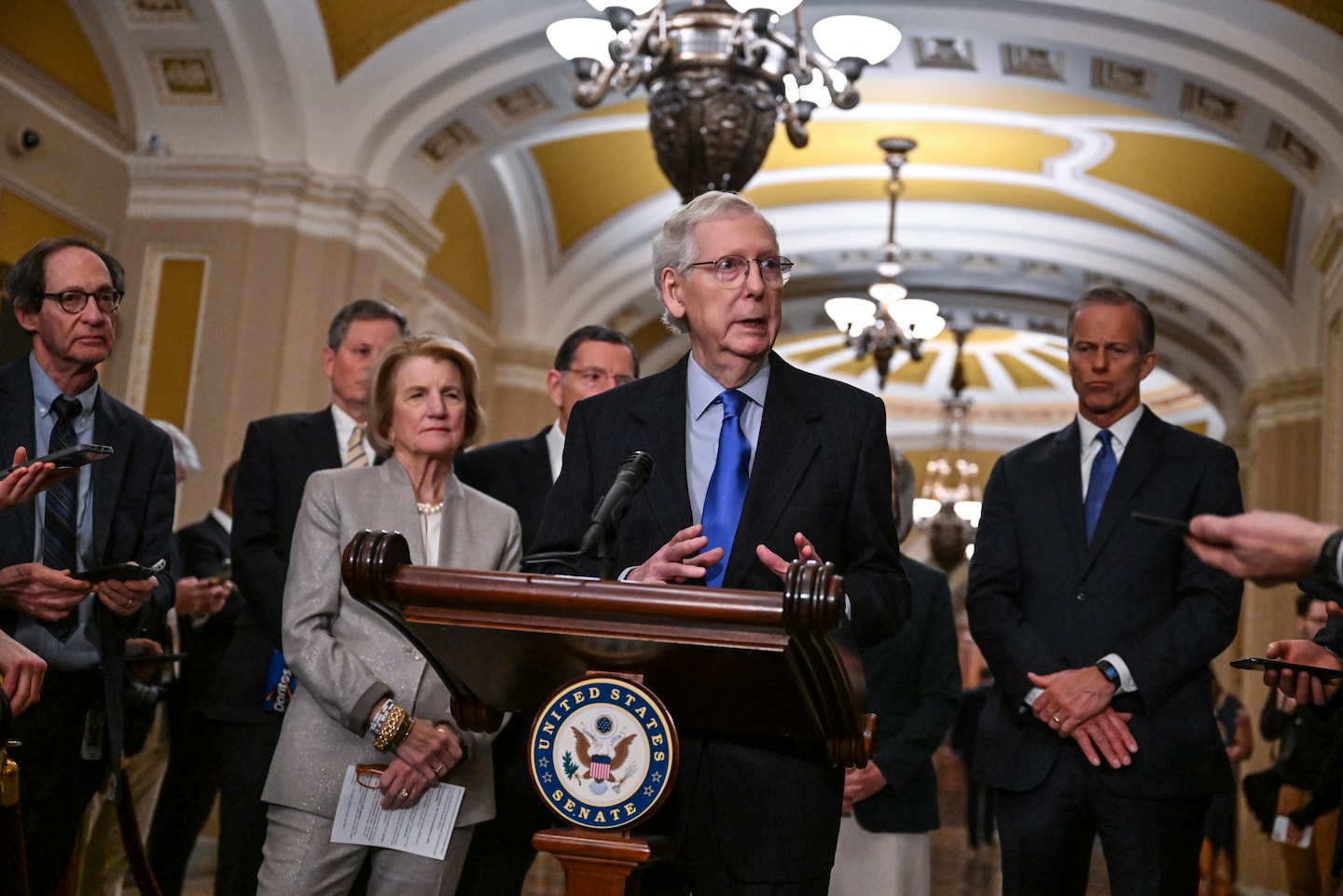
The chief judge of the northern district of Texas, David Godbey, has rejected a new anti-judge shopping policy, refusing to change the district's case assigning practices despite pressure from Senate Majority Leader Chuck Schumer. The policy change aimed to prevent right-wing litigants from strategically filing cases with judges like Matthew Kacsmaryk, known for granting nationwide injunctions that block federal government action. Schumer expressed disappointment and threatened legislative action, while Senate Minority Leader Mitch McConnell and others on the right condemned the policy change and urged judges to ignore it.

"Federal Courts Crack Down on 'Judge Shopping' Amid GOP Backlash"
judiciary1 year ago

"Federal Courts Crack Down on 'Judge Shopping' Amid GOP Backlash"

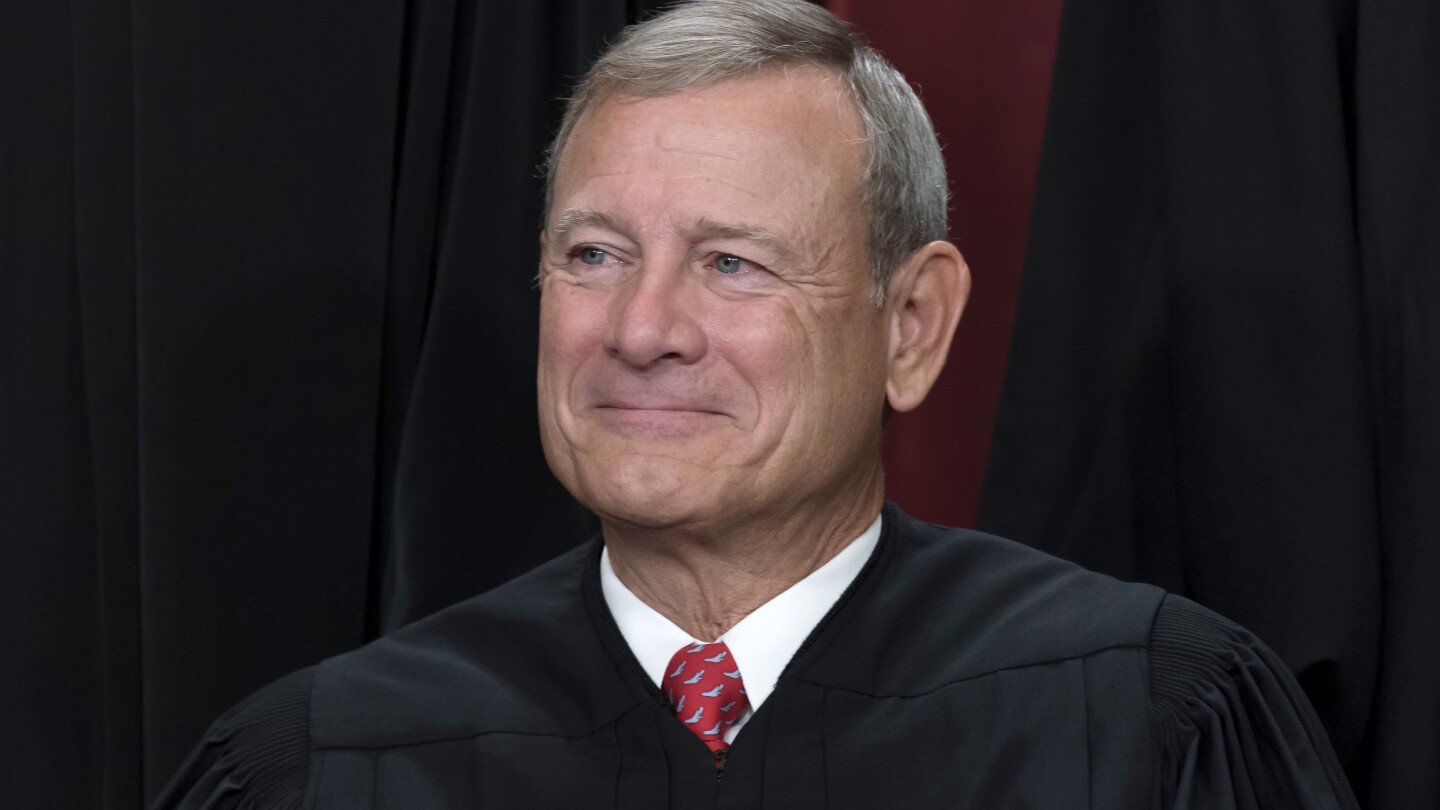
The Judicial Conference of the United States has announced a new rule to curb judge-shopping, aiming to restore the random assignment of cases and prevent plaintiffs from hand-picking sympathetic judges. This move is a response to the issue of conservative plaintiffs strategically filing cases before hard-right judges who issue sweeping decisions with nationwide impact. Chief Justice John Roberts and the Judicial Conference are addressing the problem of nationwide injunctions and the concentration of power in the hands of a few unelected jurists, prompting backlash from some Republican-appointed judges and politicians.

"Controversy Erupts Over New Federal Rule Curbing 'Judge Shopping' in US Courts"
politics1 year ago

"Controversy Erupts Over New Federal Rule Curbing 'Judge Shopping' in US Courts"

Conservative judges and GOP lawmakers are criticizing a new policy by the Judicial Conference of the United States that would require assigning judges at random in civil cases with statewide or national implications, arguing that it conflicts with federal law. The policy aims to address concerns about "judge shopping," but has sparked opposition and questions about its legality. Senate Minority Leader Mitch McConnell and other Republicans are urging chief judges to continue their current case assignment practices, while legal experts and some judges are raising concerns about the authority of the Judicial Conference to mandate such changes.

"Federal Courts Crack Down on 'Judge Shopping' Tactics"
law-and-justice1 year ago

"Federal Courts Crack Down on 'Judge Shopping' Tactics"

The Judicial Conference of the United States has announced a new policy requiring random assignment of judges in civil cases with statewide or national implications to address concerns about "judge shopping." This move aims to promote impartiality and public confidence in the federal judiciary. The issue gained attention after controversial cases were filed in single-judge divisions. Meanwhile, the Judicial Conference is still reviewing Supreme Court Justice Clarence Thomas's financial reporting practices following accusations of violating federal ethics laws.

Federal Courts Crack Down on 'Judge Shopping' Practices
politics1 year ago

Federal Courts Crack Down on 'Judge Shopping' Practices

The Judicial Conference of the United States has announced a new policy that prevents plaintiffs from choosing the judge who will hear their case in federal court, aiming to eliminate the appearance of "judge shopping." This change is seen as a victory for the Biden administration and aims to prevent cases from being heard by outlier judges with partisan views. The new policy applies to civil actions seeking to bar or mandate state or federal actions and will assign judges through a district-wide random selection process, impacting cases involving challenges to federal or state policies. While this change may not eliminate all judge shopping, it aims to address concerns about the fairness of federal litigation.

Federal Courts Crack Down on "Judge Shopping" Practices
legal-reform1 year ago

Federal Courts Crack Down on "Judge Shopping" Practices

Federal courts have implemented a new policy to curb "judge shopping," the practice of filing lawsuits in front of sympathetic judges, particularly in cases affecting an entire state or the country. This move comes after heightened attention on the issue following a controversial ruling on abortion medication. The policy aims to randomly assign judges to such cases, addressing concerns raised by senators and the Biden administration. The Supreme Court has put the abortion medication ruling on hold and will hear arguments on it later this month.

"Federal Courts Crack Down on Judge Shopping Tactics"
law-and-politics1 year ago

"Federal Courts Crack Down on Judge Shopping Tactics"

The federal judiciary has approved a new policy to prevent "judge-shopping" by ensuring that cases seeking to block state or federal policies in federal district courts will be randomly assigned from a larger pool of judges. This change comes in response to concerns about lawyers taking advantage of anomalies in judge assignments to secure favorable rulings. The policy aims to address the issue of nationwide injunctions being issued by individual district court judges and will provide guidance on how cases should be assigned, while still allowing lawsuits to be filed in districts with a particular judicial approach.

Amy Coney Barrett Embraces Public Scrutiny of Supreme Court
judiciary2 years ago

Amy Coney Barrett Embraces Public Scrutiny of Supreme Court

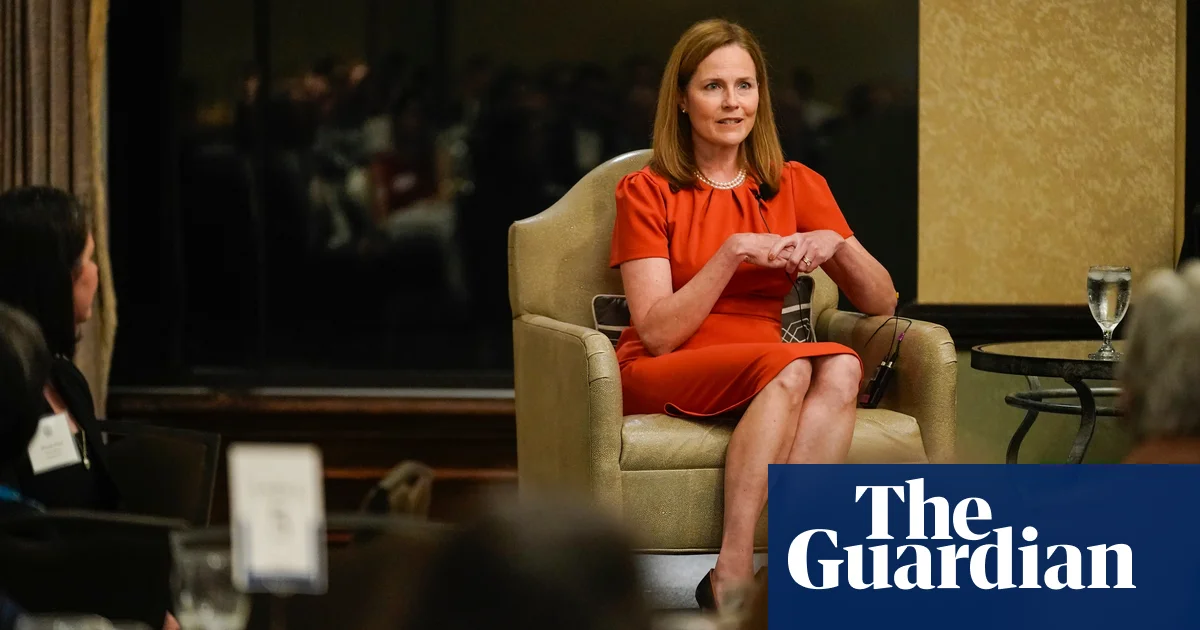
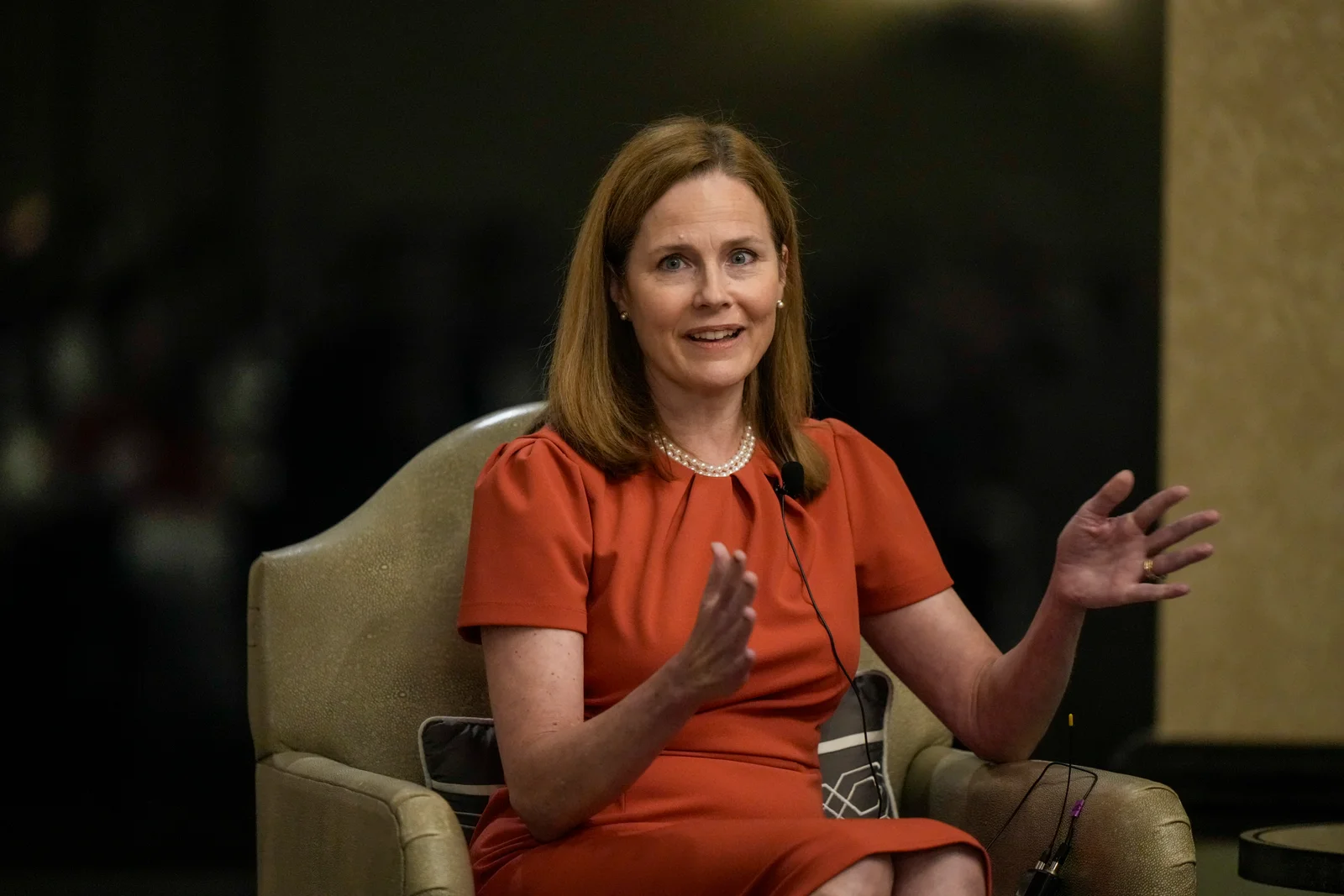
US Supreme Court Justice Amy Coney Barrett stated at a judicial conference in Wisconsin that she welcomes public scrutiny of the court, but did not comment on whether the court should change its operations in response to recent criticism. Barrett acknowledged the low public trust in the court and the increased scrutiny it faces due to the availability of immediate information. She mentioned the importance of civics education and the positive and negative aspects of the court being in the news. Barrett also discussed the need for judges to develop a thick skin and the warm personal relations among the justices.

Justice Amy Coney Barrett Develops Resilience in the Face of Criticism
judiciary2 years ago

Justice Amy Coney Barrett Develops Resilience in the Face of Criticism

Justice Amy Coney Barrett stated that she has developed a thick skin to criticism and welcomes public scrutiny of the Supreme Court during a judicial conference in Wisconsin. She emphasized that public figures, including judges, must be prepared for criticism. Barrett did not address recent allegations of ethics violations by some justices or the pressure to adopt a code of conduct targeting the justices. She highlighted the court's history of facing criticism and expressed that public scrutiny is welcome. Barrett also mentioned that personal relationships on the court are warm, despite recent divisive opinions. The court is set to reconvene in late September for its new term.

Justice Amy Coney Barrett Embraces Public Scrutiny of Supreme Court
judiciary2 years ago

Justice Amy Coney Barrett Embraces Public Scrutiny of Supreme Court

Justice Amy Coney Barrett stated at a judicial conference in Wisconsin that she welcomes public scrutiny of the Supreme Court but did not comment on whether the court should change its operations in response to recent criticism. Barrett acknowledged the low public trust in the court and the increased scrutiny it faces due to the availability of immediate information. She mentioned that while public criticism comes with the job, justices should not be recognizable figures. Barrett also highlighted the positive aspect of increased public engagement with the court's work but expressed concern about potential misimpressions. The conference took place amidst calls for an official code of conduct for the justices.

"Debate over Televising Trump's Trials: Should the Rules be Broken?"
politics2 years ago

"Debate over Televising Trump's Trials: Should the Rules be Broken?"

Congressional Democrats, led by Rep. Adam Schiff, are calling for the televised trial of former President Donald Trump on charges related to his alleged attempts to overturn the 2020 election results. A federal rule currently prohibits the broadcasting of judicial proceedings from the courtroom, but Democrats are hoping to change that through the Judicial Conference or by passing legislation. While some argue that televising the trial would build public confidence and combat misinformation, others express concerns that viewers may focus on dramatic moments rather than the legal details. Trump's own attorney has also expressed support for a televised trial.

politics2 years ago

House Democrats Demand Live Televised Trump Court Dates

Over three dozen congressional Democrats, including members of the disbanded House select panel that investigated the Jan. 6 Capitol attack, have requested that federal courts allow live video broadcasts of the criminal case against Donald Trump in Washington. Led by Rep. Adam Schiff, the group argues that the high-stakes nature of the prosecution warrants extra steps to ensure the facts of the case are brought forward unfiltered to the public. They believe that televised proceedings are crucial for the public to fully accept the outcome, witness the conduct of the trials, and evaluate the strength of the evidence and credibility of witnesses. The request comes as a grand jury indictment in Washington accuses Trump and six co-conspirators of taking actions to try to remain in power despite losing the 2020 election.

"Brett Kavanaugh's Efforts to Depoliticize the Supreme Court"
politics2 years ago

"Brett Kavanaugh's Efforts to Depoliticize the Supreme Court"

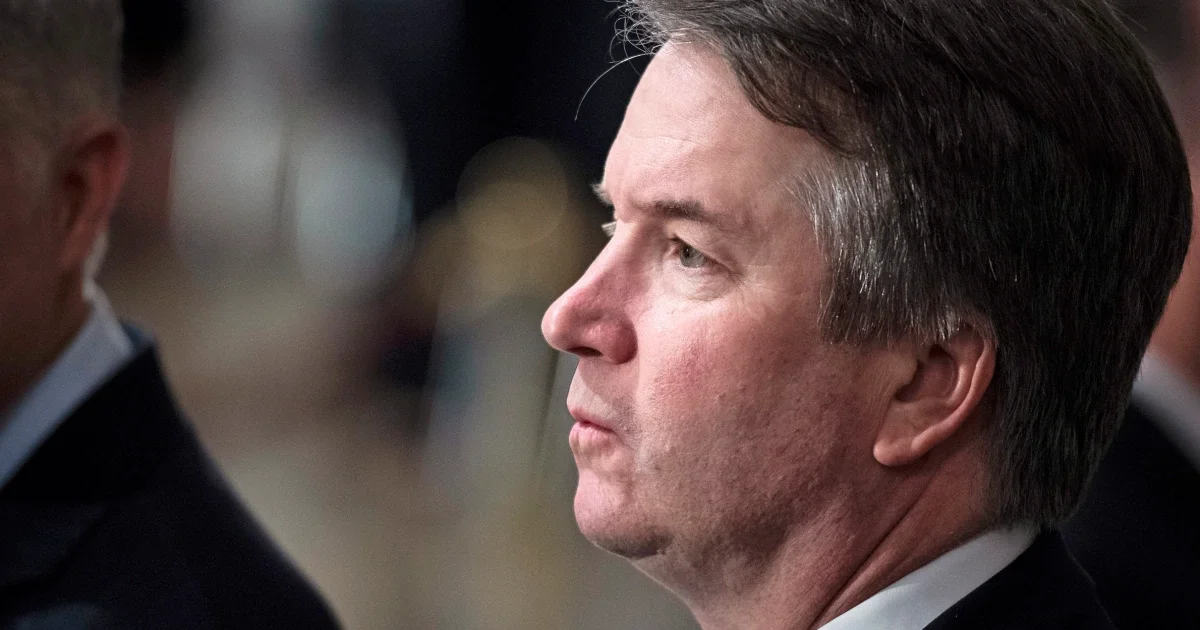
Justice Brett Kavanaugh addressed the notion of partisanship within the U.S. Supreme Court, emphasizing that it is an institution of law, not politics. Kavanaugh highlighted the mixed decisions made by the court this term, including both conservative and liberal majorities. He stressed that the justices work as a group and build relationships, even when they disagree on certain cases. Kavanaugh also briefly mentioned ongoing ethics issues within the court but did not provide further details. He acknowledged that criticism comes with the territory and emphasized the importance of consistency and clear reasoning in decision-making.