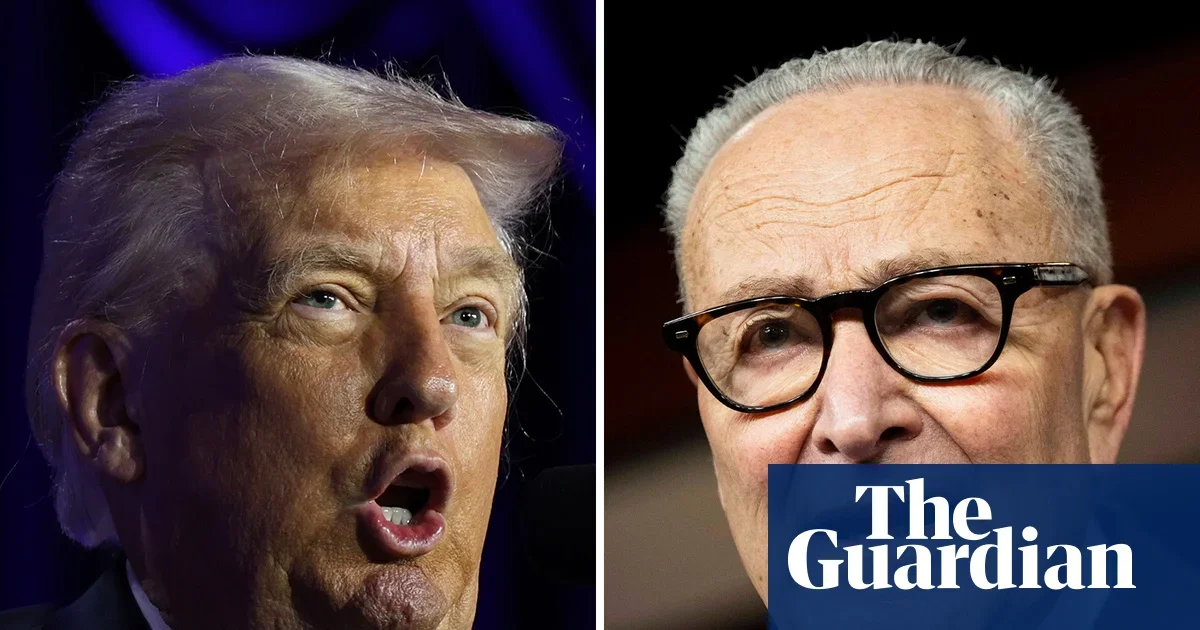
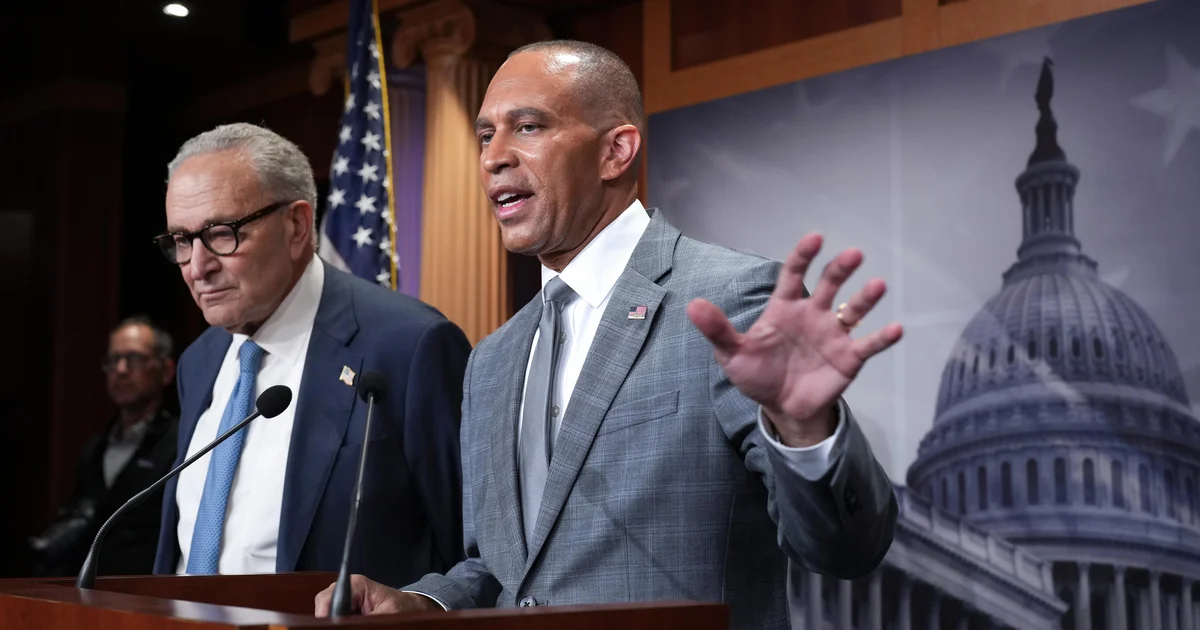
The White House has paused $18 billion in New York City infrastructure funding, including major projects like the Hudson Tunnel and Second Ave Subway, citing concerns over the use of 'unconstitutional DEI principles' in contract awards amid the federal government shutdown, leading to political backlash from New York Democrats.
The Trump administration has frozen approximately $18 billion in federal funding for New York City infrastructure projects, including the Hudson Tunnel and Second Avenue Subway, citing concerns over 'unconstitutional' diversity, equity, and inclusion policies, amidst a government shutdown and delayed review processes.
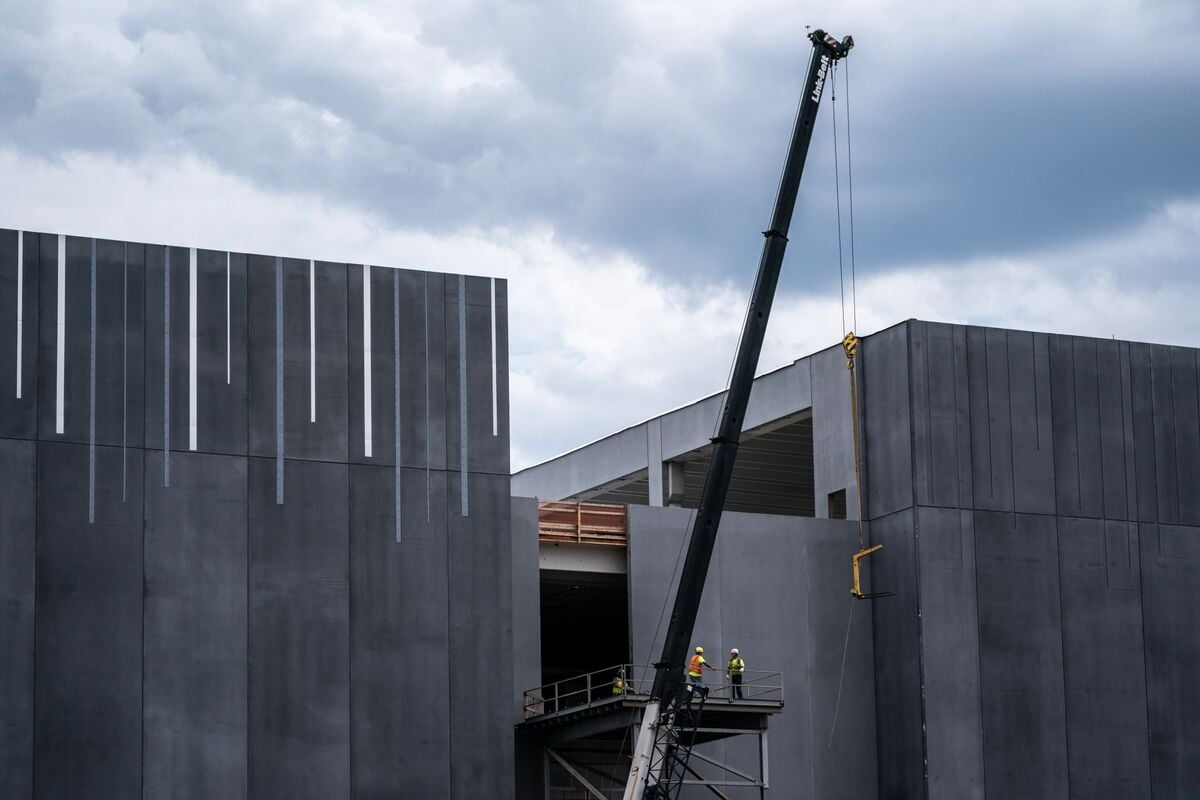
Credit investors are pouring billions into AI, fueling a boom that raises concerns about a potential bubble, with industry leaders warning of risks and parallels to past overinvestment, while funding for AI infrastructure continues to grow rapidly.
Billions are being invested in AI infrastructure through loans and private credit, fueling a potential bubble amid warnings from industry leaders about overinvestment and long-term sustainability risks, reminiscent of the dot-com bubble.
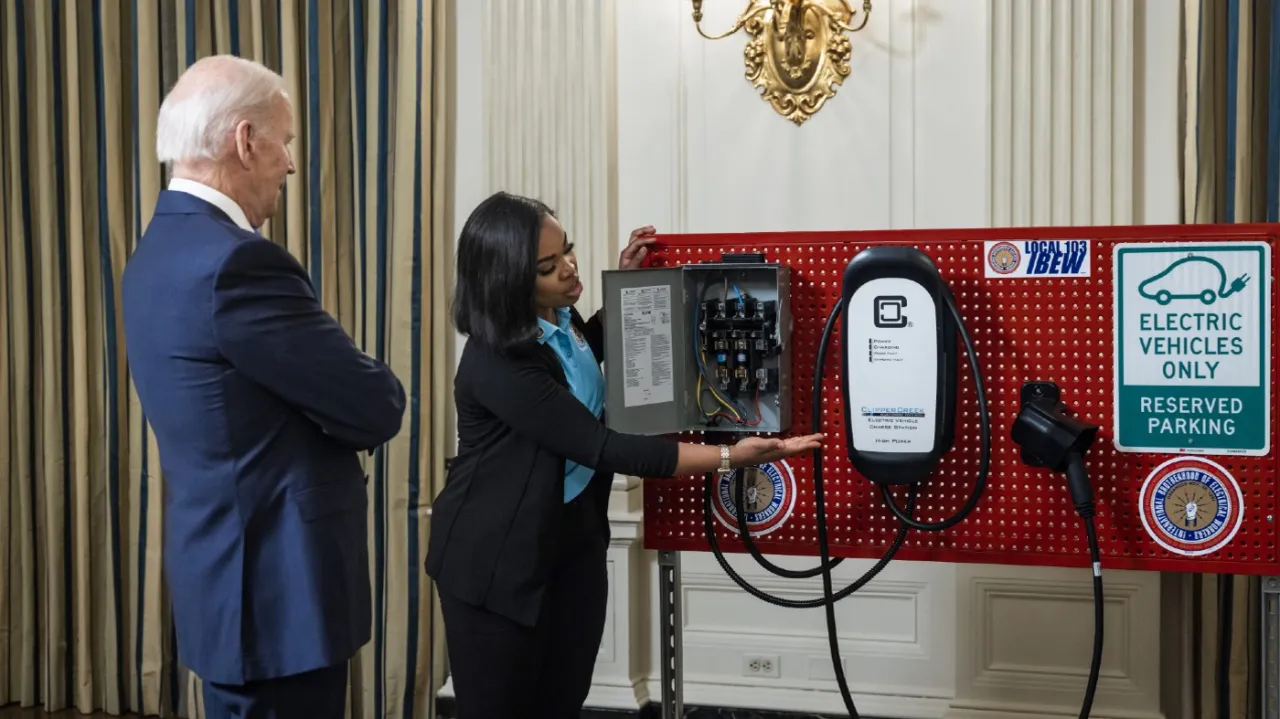
A federal judge blocked the Trump administration from withholding $5 billion in EV charging infrastructure funds allocated under the Infrastructure Investment and Jobs Act, ruling that the government overstepped its authority. The decision restores plans for EV infrastructure in 14 states, with the Trump administration having seven days to appeal.
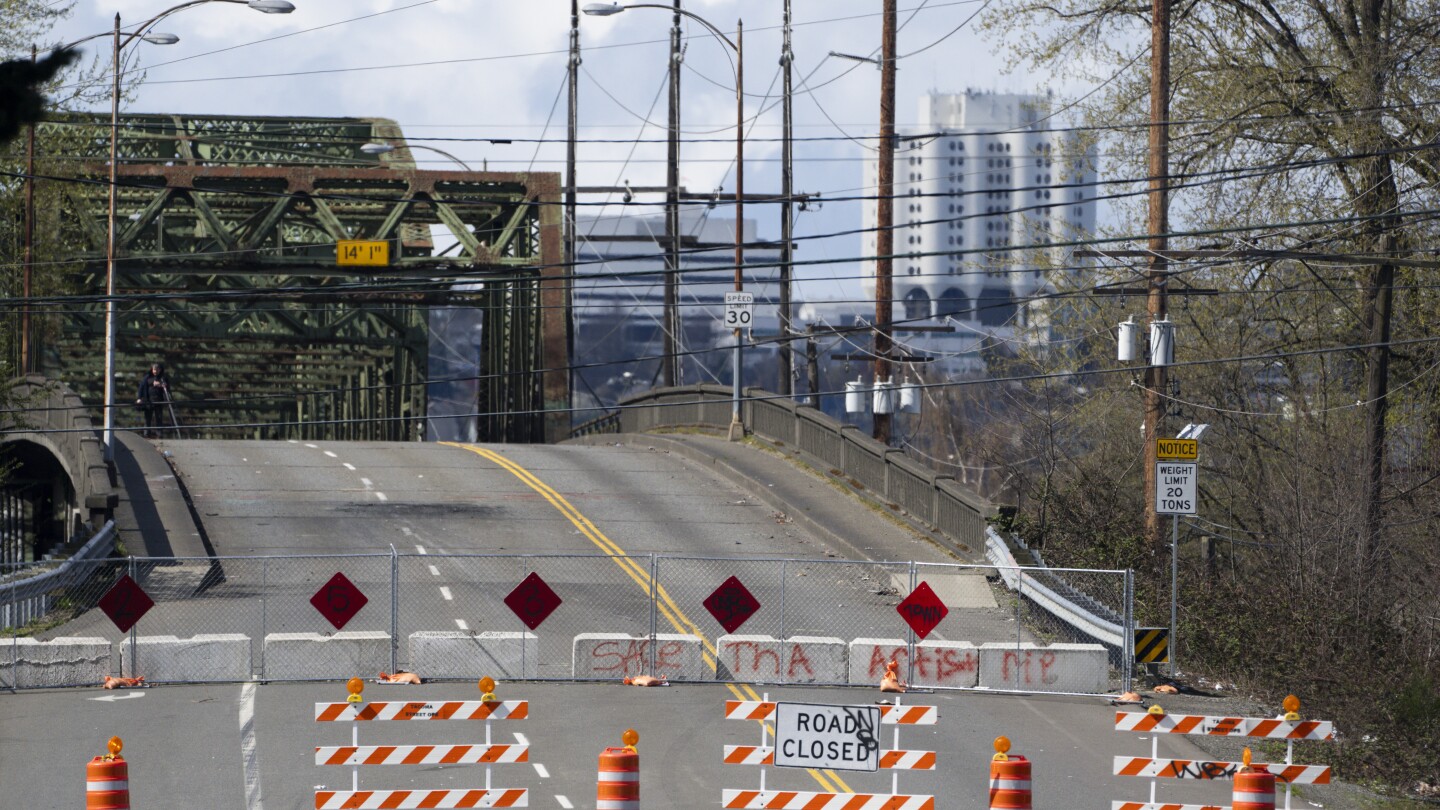
Many bridges in the US are in poor condition, with thousands awaiting repairs or replacement due to funding challenges. The recent closure of the Fishing Wars Memorial Bridge in Tacoma and the I-195 bridge in Rhode Island highlight the nationwide issue of neglected infrastructure. While the federal infrastructure law has allocated $40 billion to bridge projects, it's only a fraction of the estimated $319 billion needed for repairs. The economic impact of bridge closures is significant, affecting businesses and commuters, and there are concerns about the long-term consequences of reshaped traffic patterns.
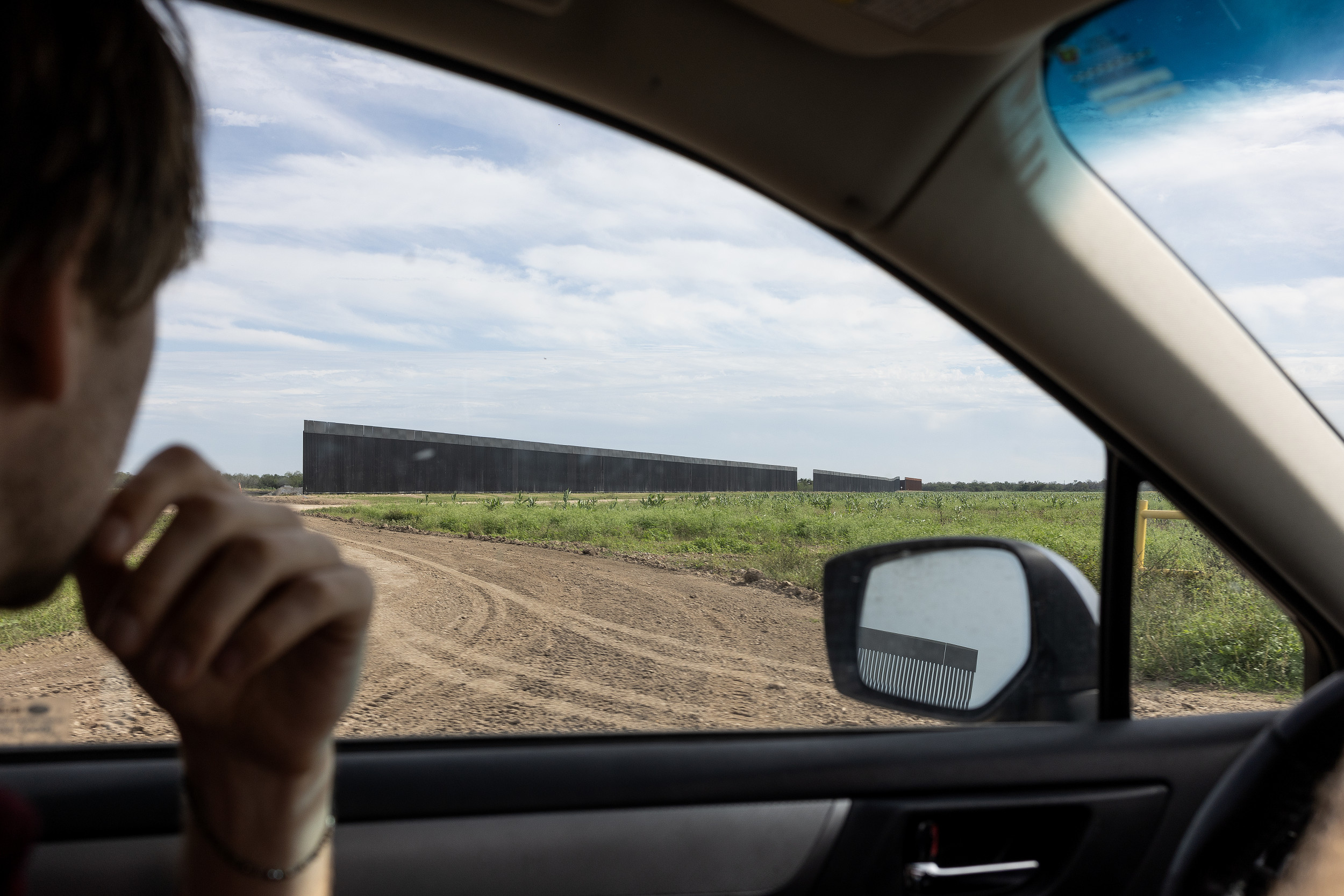
The idea of Texas seceding from the United States, known as 'Texit', has gained some online support, but experts warn that it could have severe consequences. If Texas were to secede, it could lose billions in infrastructure funding, face wartime violence, and jeopardize federal benefits such as Medicaid, Social Security, and Medicare. While some political candidates suggest Texas has the power to secede, experts emphasize the legal and financial challenges that would arise from such a move.
The Biden-Harris Administration has announced over $4.9 billion in funding for 37 infrastructure projects through the Mega and INFRA grant programs, focusing on large, complex, and transformative initiatives. These projects aim to improve national and regional economic, mobility, and safety benefits, with a significant portion of the funding allocated to rural communities. The grants will support various projects such as bridge replacements, multimodal corridor improvements, and railroad bridge modernization, addressing critical infrastructure needs across the country. Despite the substantial increase in funding, the programs were oversubscribed, highlighting the high demand for infrastructure investment.
The Biden-Harris Administration has allocated over $1.4 billion from the Bipartisan Infrastructure Law to fund 70 rail improvement projects across 35 states and Washington, D.C. These projects, selected through the Consolidated Rail Infrastructure and Safety Improvements (CRISI) program, aim to enhance rail safety, strengthen supply chains, and expand passenger rail service. The investments will support track improvements, bridge rehabilitations, upgrades on routes carrying hazardous materials, and other infrastructure enhancements. The projects will benefit rural communities and address long-standing rail needs, contributing to safer and more efficient rail operations across the country.
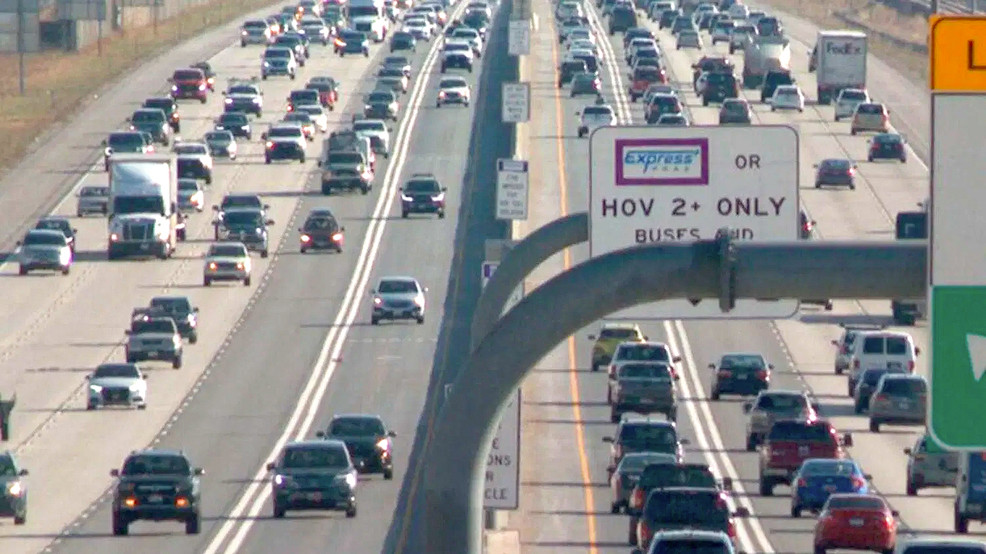
As fuel taxes decline due to the rise of electric vehicles, some US states are considering charging drivers based on the miles they drive instead of the amount of fuel they consume. This mileage-based fee system could help generate revenue for infrastructure projects, but concerns about privacy and vehicle tracking have been raised. Some states have already implemented pilot programs to test the feasibility of this system.