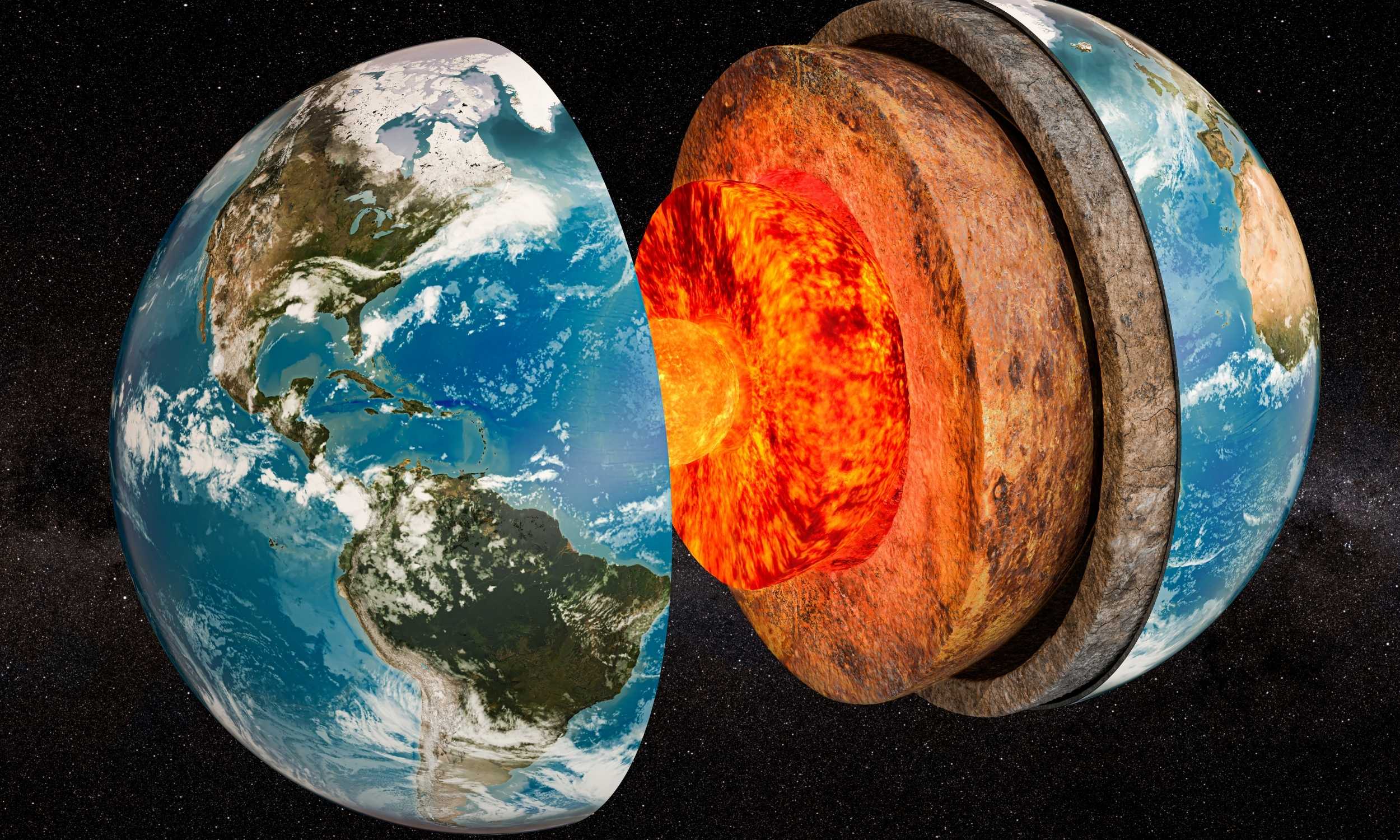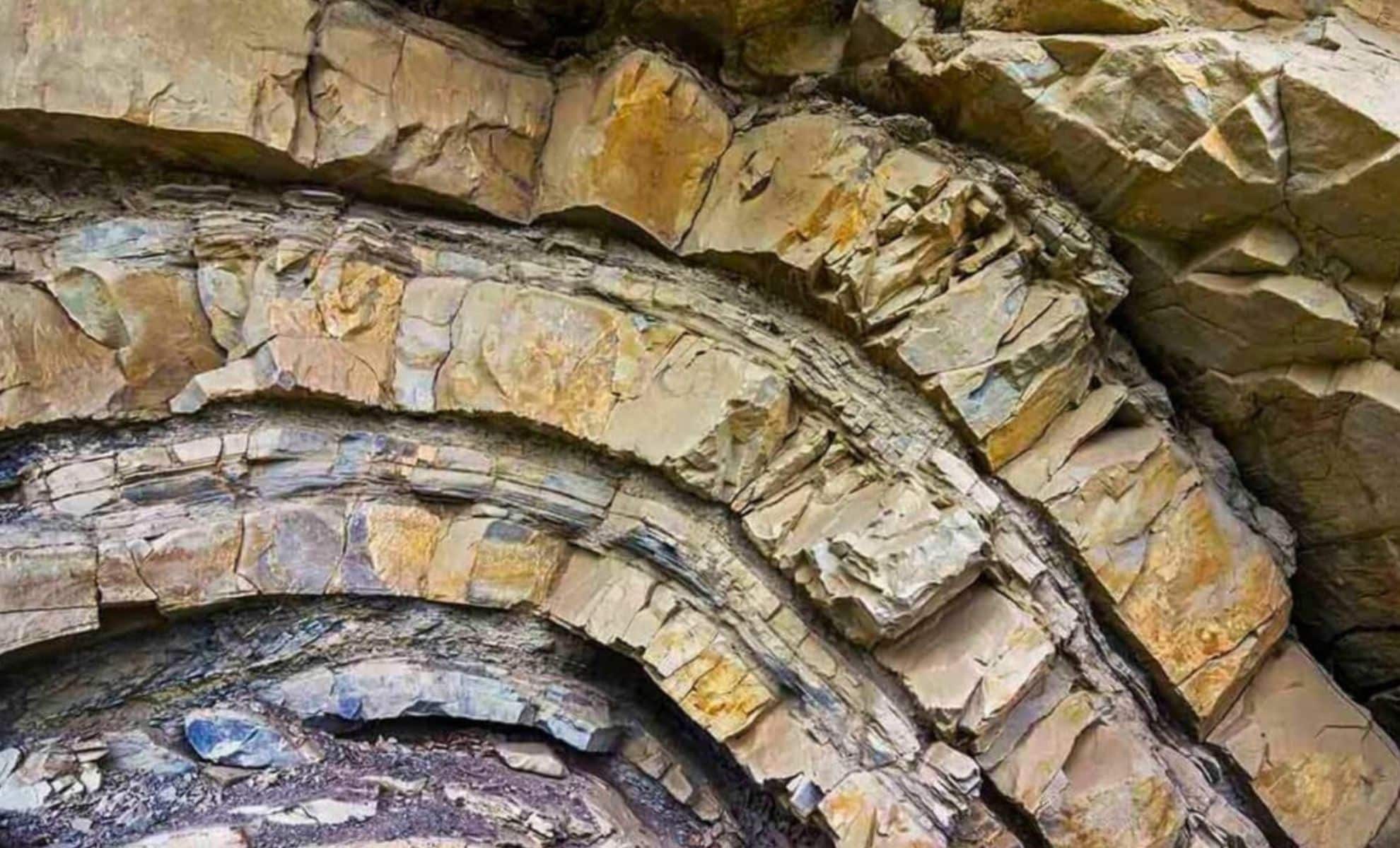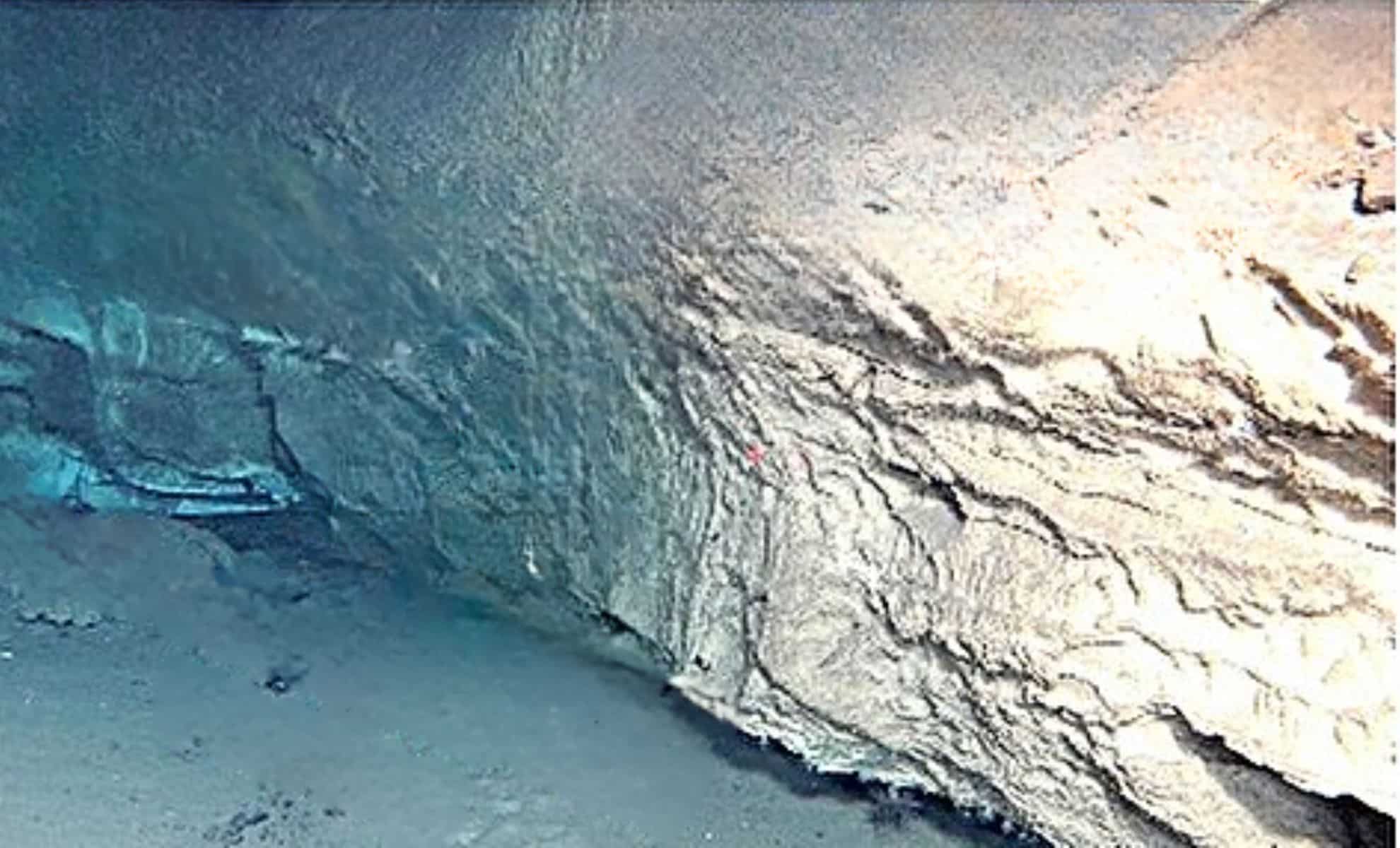
Scientists discovered a massive hydrogen-producing hydrothermal system beneath the Pacific Ocean's seafloor, called the Kunlun hydrothermal field, which challenges traditional views on hydrogen generation and offers insights into deep-sea ecosystems, Earth's internal processes, and potential sustainable energy sources.
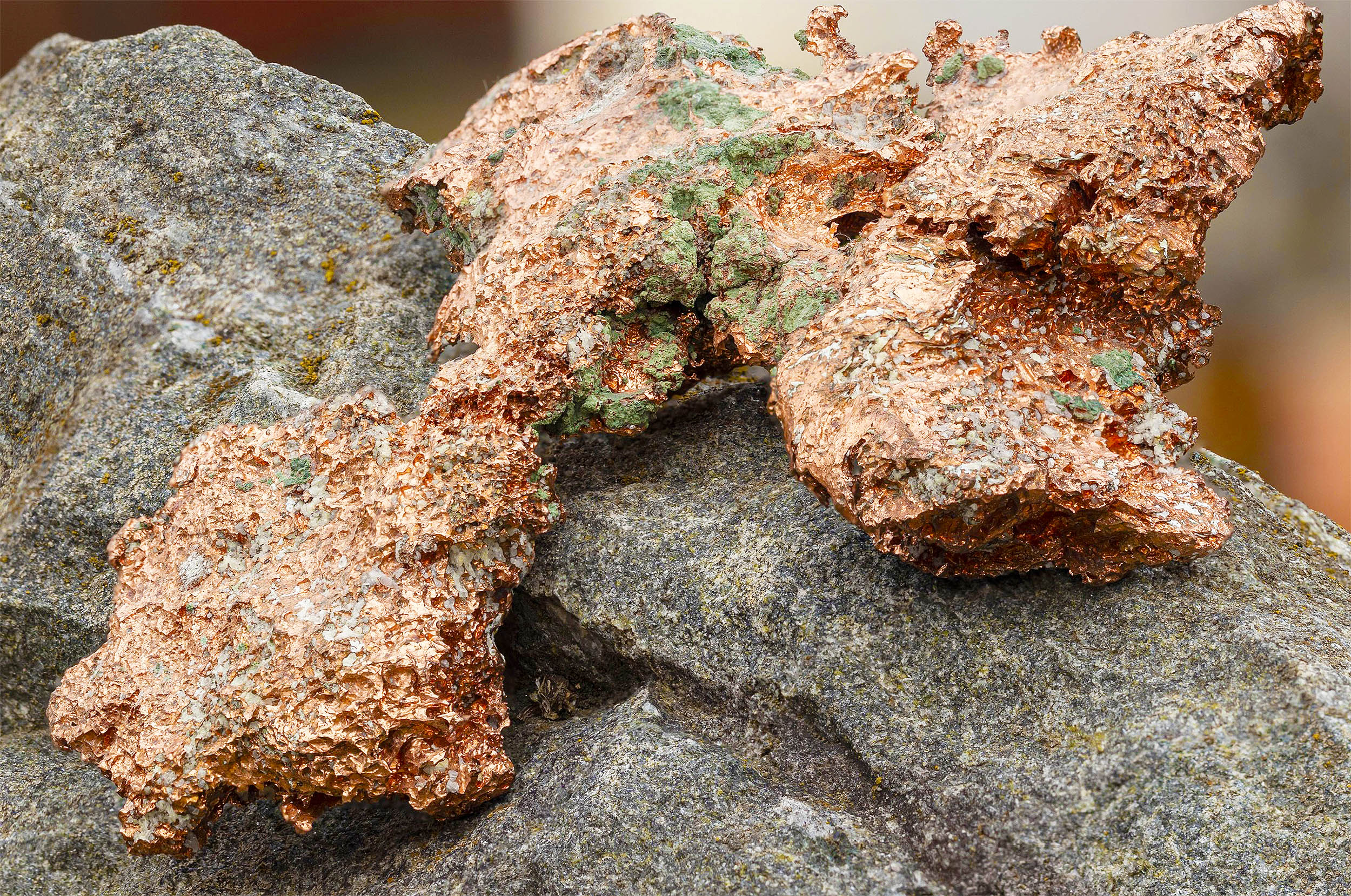
Scientists have discovered that some of Earth's largest copper deposits are formed not by ongoing subduction zones but by the chemical aftershocks of ancient continental collisions, particularly in Tibet, which could influence future mineral exploration and support the growing demand for copper in clean energy technologies.
A modeling study reveals that even Earth's oldest and most stable continental crust can disintegrate over time due to tectonic forces like flat-slab subduction and rollback, especially in regions near active subduction zones, challenging the notion that ancient cratons are impervious to geological change.
Scientists discovered tiny, ancient tunnels in desert rocks across Namibia, Saudi Arabia, and Oman, likely created by microorganisms, challenging our understanding of life's resilience and suggesting possible microbial survival in extreme conditions, with implications for Earth's carbon cycle and the search for extraterrestrial life.