A person tested using a mobile hotspot as their primary home internet for three days, discovering that it provides slow speeds (less than 10 Mbps download and 10 Mbps upload), is less reliable, and can drain phone battery, making it unsuitable as a primary home internet source but useful as a backup during outages.
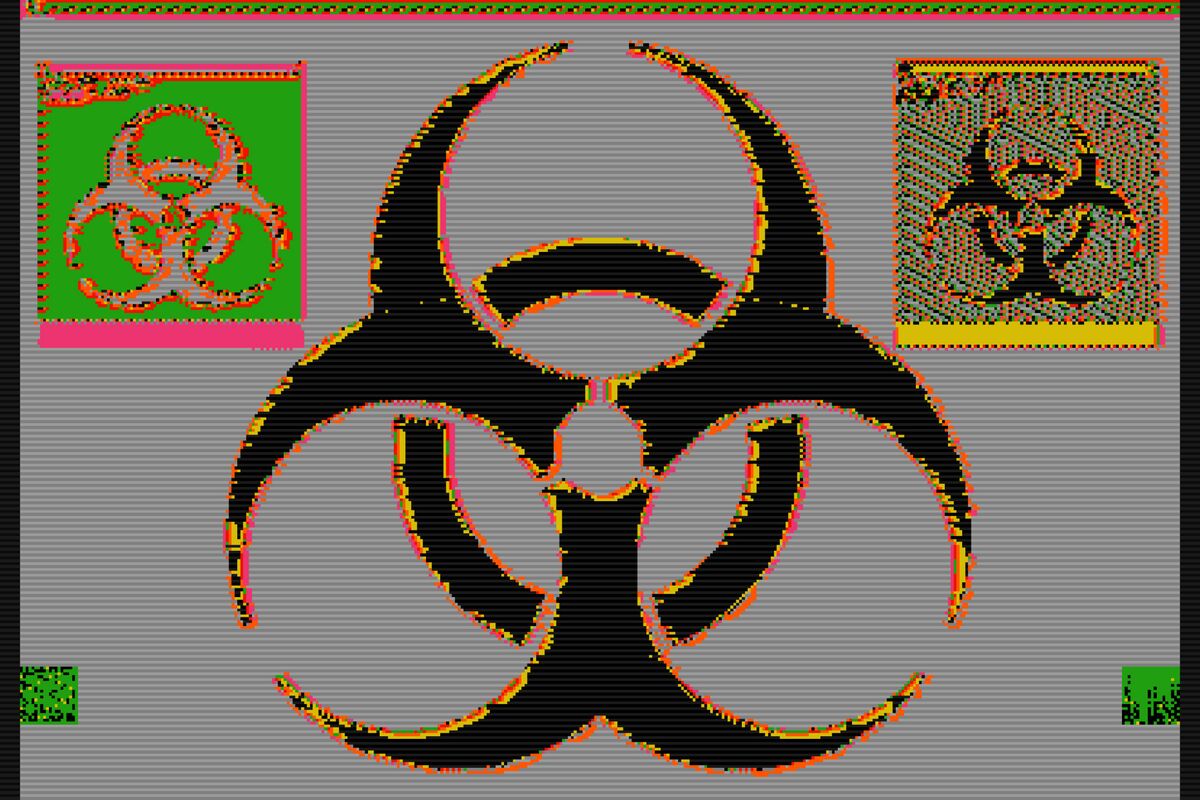
Adam Kucharski's book, 'The Rules of Contagion,' explores how viruses spread and the potential risks of lab experimentation, highlighting concerns about lab leaks potentially causing pandemics similar to Covid-19. The book's release coincided with the onset of the Covid-19 pandemic, drawing attention to the delicate balance between scientific research and safety.
Despite being capable of creating complex art imagery from text prompts, generative AI services like DALL-E and Midjourney struggle to produce a plain white background when prompted, as observed in an experiment conducted by a data scientist. Similar challenges were encountered when requesting completely black backgrounds. Additionally, the experiment extended to ChatGPT, which also faced difficulty in not responding to a prompt when asked to do nothing. This highlights the limitations of AI when tasked with simple requests, prompting the question of whether others have encountered similar hurdles or found workarounds.
China has reportedly been experimenting with a new Covid-like virus that is 100% fatal to mice and could potentially affect humans, according to a pre-peer reviewed journal article. The virus, a version of the "pangolin coronavirus," caused severe brain infection and death in mice within 7-8 days post-inoculation. Researchers warned of the potential for the virus to spill over into humans. Additionally, Chinese authorities have warned of a potential resurgence of Covid driven by the JN.1 subvariant, attributing its rise to factors including imported cases and declining population immunity.
Behavior expert Herminia Ibarra challenges the common advice of introspection and self-awareness as the solution to everything, emphasizing that new behavior is learned through action. She introduces the concept of "outsight," which involves studying the bigger picture of one's company, industry, or community and experimenting to fill in any gaps. Ibarra outlines a 3-step process for career success: redefining your job, reshaping your network, and changing how you present yourself. She emphasizes the importance of trying out new behaviors and letting personal experience guide behavior change, rather than relying solely on introspection.
The Phoenix Suns have assembled a deep and versatile roster, and the team's success will depend on how they experiment with different lineup combinations throughout the season. The article explores three intriguing lineups, including a small ball lineup with Booker, Beal, Gordon, Bates-Diop, and Durant, a defense-focused lineup with Booker, Allen, Gordon, Bates-Diop, and Eubanks, and an experimental lineup featuring Booker, Beal, Okogie, Bates-Diop, and Metu. The author also mentions two honorable mentions and highlights the importance of finding synergies and optimizing the roster's depth.
YouTuber Camden Bowen attempted to create a 3D-printed combustion engine using plastic, but faced limitations due to the technology. While the engine showed some signs of working, it was unable to stay running. The use of plastic in an engine that contains explosions is challenging due to the need to contain the energy. Despite the limitations, the experiment offers a valuable opportunity to explore the intricacies of internal combustion and educate people about engine mechanics.
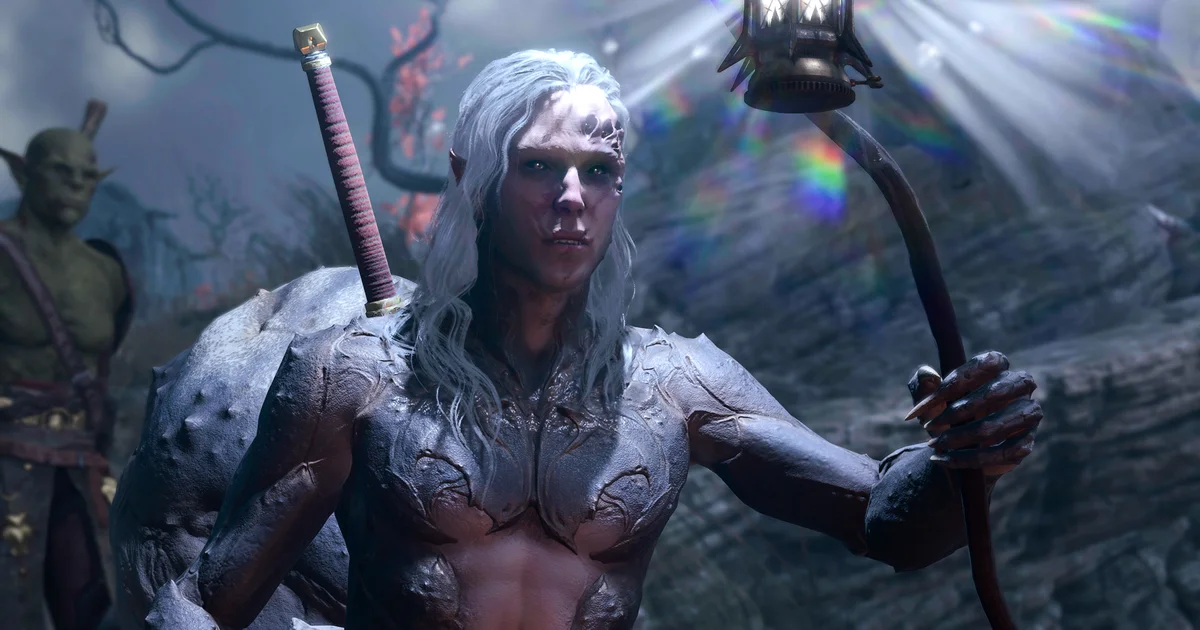
Baldur's Gate 3 will allow players to re-spec their characters and explore "multiclasses" to avoid restarting the game, according to Larian's Nick Pechenin. Players can reset their class and reinvest all levels with the help of a character they will likely encounter. Multiclassing offers various combinations for experimentation, and the ability to respec facilitates this. The game will be released on PC in August and on PlayStation 5 in September.
The Marine Corps is reconfiguring its infantry battalion and integrating it into the new Marine littoral regiment, while also adapting to new technologies, adversaries, and operational challenges. The Marine Corps Warfighting Laboratory is conducting various experiments to inform the development of these formations, with a focus on closing the feedback loop between ground-level units and headquarters. The 3rd Marine Littoral Regiment has been the subject of stand-in forces experiments, and the Corps has settled on an 880-person infantry battalion size. Ongoing experimentation and deployment of the 3rd Marine Littoral Regiment in Hawaii have shown promising results, including the use of commercial radar technology to enhance situational awareness. The integration of the infantry battalion into the littoral combat team element of the regiment is a key mission, and understanding their operations within this context is crucial for building the future infantry battalion.
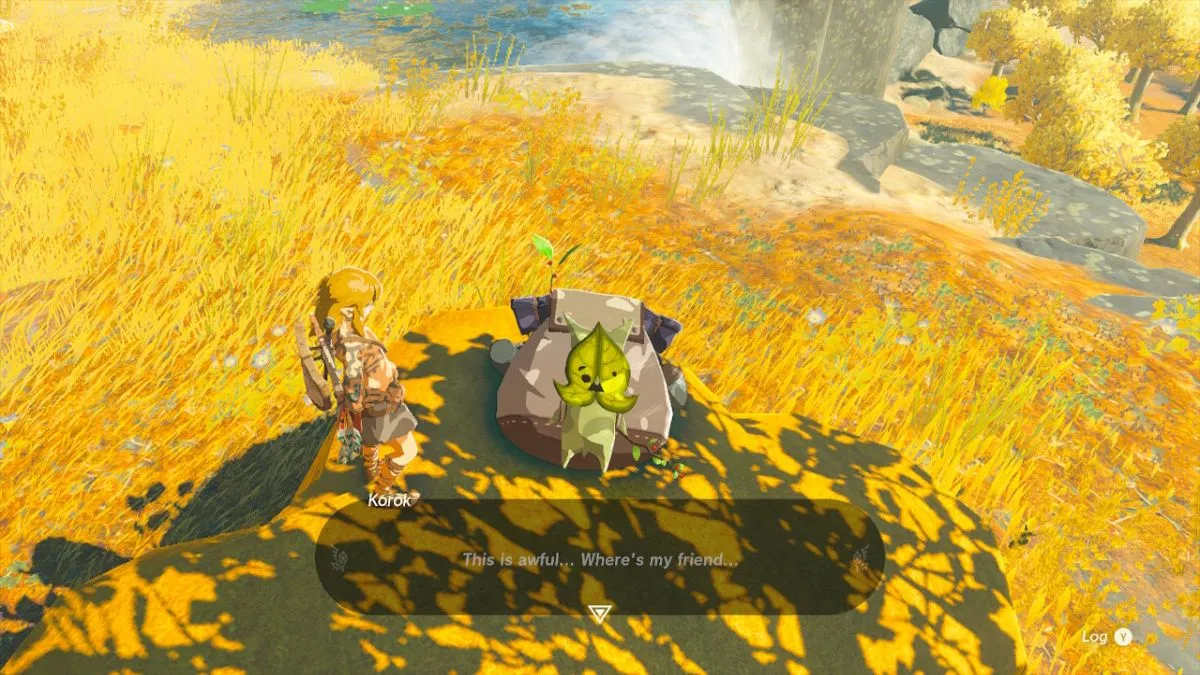
Players of The Legend of Zelda: Tears of the Kingdom are subjecting a Korok to their wild experimentation with the game's new Ultrahand ability, which allows players to manipulate objects and build contraptions. The Korok, who needs help getting to his friend, has become a test dummy for players' creativity, resulting in a torrent of hilarious and sometimes disastrous attempts to transport him across a gap. Despite the potential for revenge, these tests are a testament to the game's new abilities and inspire players to think outside the box.
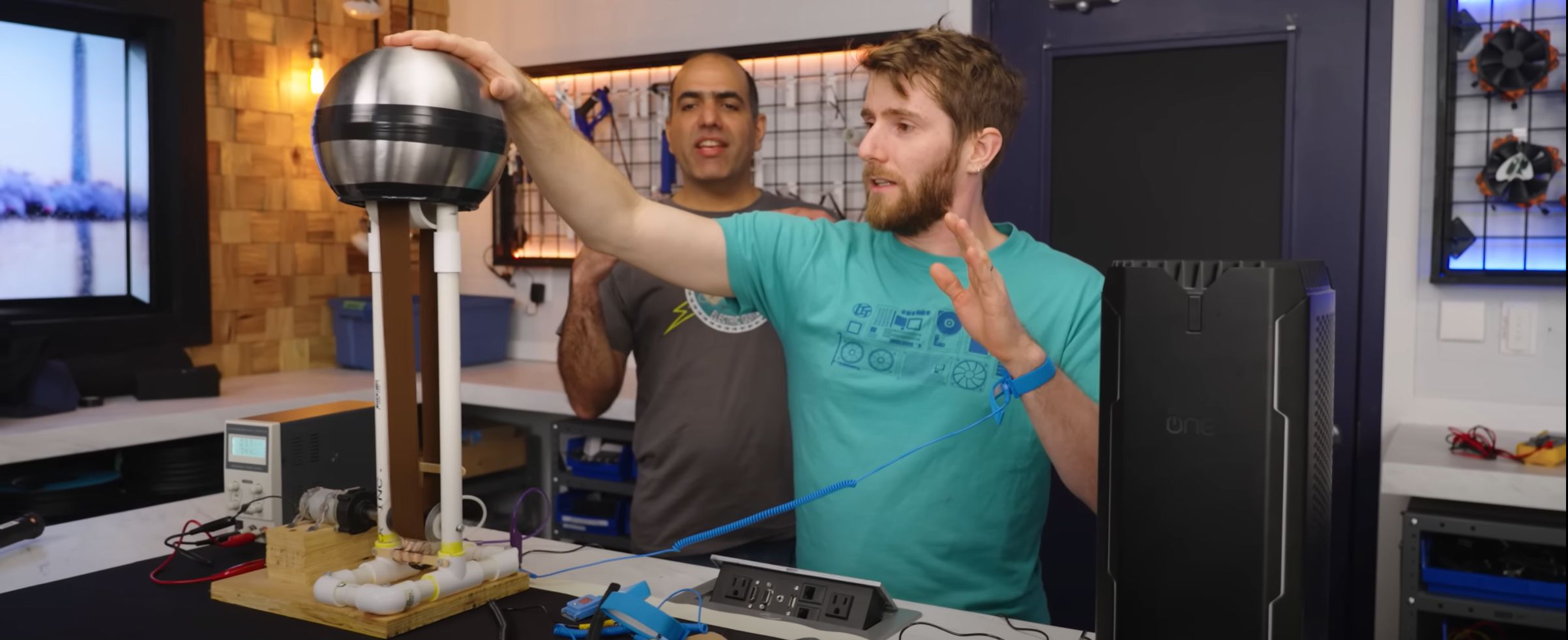
Linus Tech Tips and ElectroBOOM collaborated to test wireless ESD wrist straps, which are supposed to dissipate electrostatic discharge into the ether. The video demonstrates that wireless ESD straps are a scam and do not work, while real ESD straps are effective in preventing electrostatic discharge. The video also explains the reason for the resistor in an ESD strap and why metal bracelet type ESD straps are not appropriate.