
Tag

Genetic Adaptations

All articles tagged with #genetic adaptations

science2 years ago

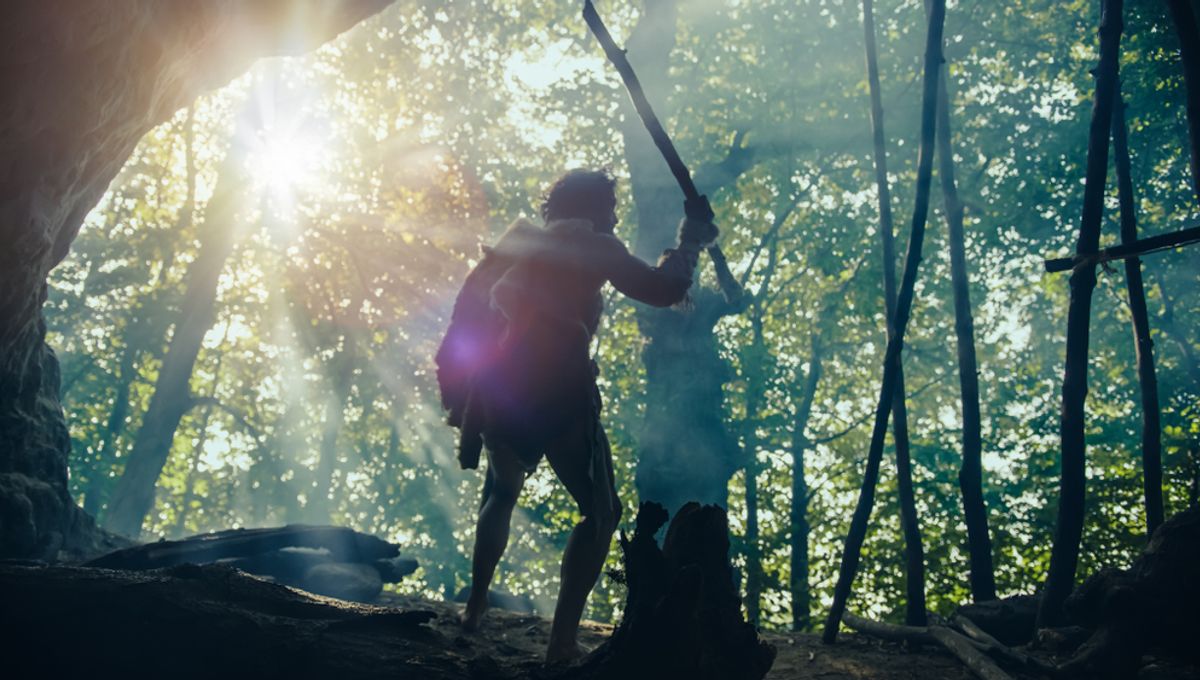
The Neanderthal Connection: Morning People Inherited Faster Body Clocks

A new study suggests that being a morning person may be linked to Neanderthal ancestry. Researchers analyzed Neanderthal DNA in modern human genomes and found that certain genetic variants associated with circadian genes were more prevalent in individuals who tend to be morning people. This adaptation likely provided an evolutionary advantage for early humans living in regions with shorter winter days and scarce food resources. While being a morning person is not solely determined by Neanderthal genes, further research will explore the effects of these genetic variants on other adaptive traits.
health2 years ago

"Bats: Unveiling the Secrets of Cancer Resistance and Pandemic Prevention"

Bats, known for their ability to tolerate viruses and live long lives, possess over 50 unique genes that may make them immune to tumors. Researchers hope that by studying bats' immune systems, they can develop ways to prevent and treat cancer in humans. The study also found genetic adaptations in cancer-related proteins and DNA repair proteins in bats. Understanding these genes could lead to the development of therapeutics that prevent or cure human diseases, including cancer and viral infections like Covid-19.

science2 years ago

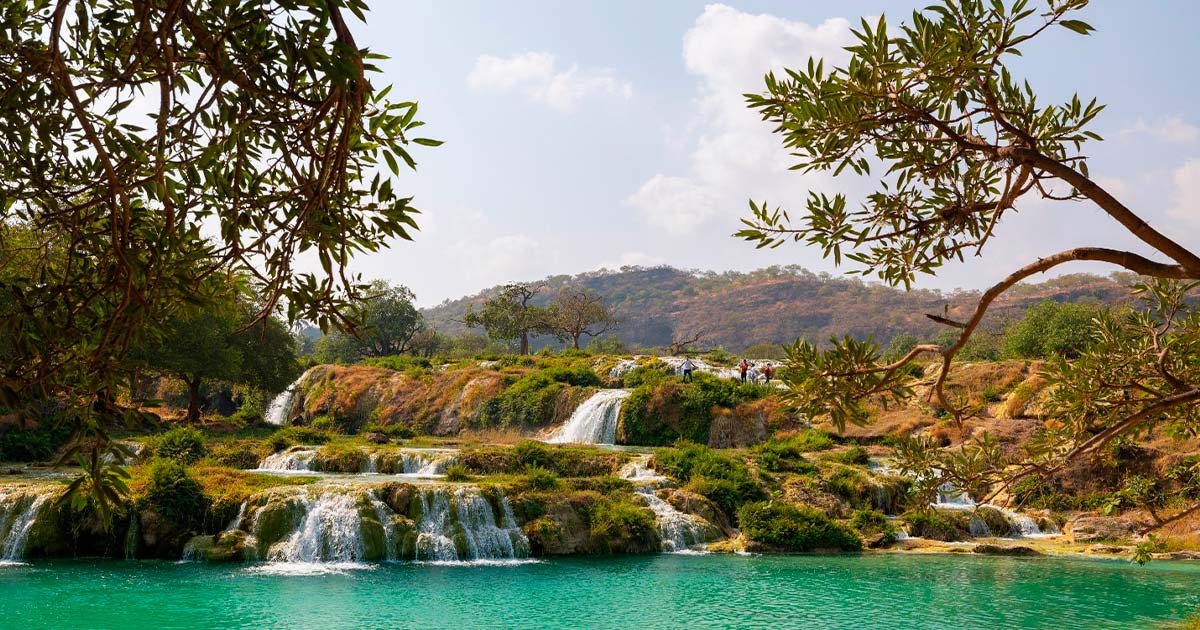
Arabian Standstill Marks New Phase in Human Migration.

New research suggests that there may have been a previously unknown phase of humanity’s great migration: an “Arabian standstill” of up to 30,000 years in which humans settled in and around the Arabian Peninsula. These humans slowly adapted to life in the region’s colder climate before venturing to Eurasia and beyond. The genetic adaptations involved parts of the genome related to fat storage, nerve development, skin physiology, and tiny hair-like fibers in our airways called cilia. These adaptations share striking functional similarities with those found in humans and other mammals living in the Arctic today.