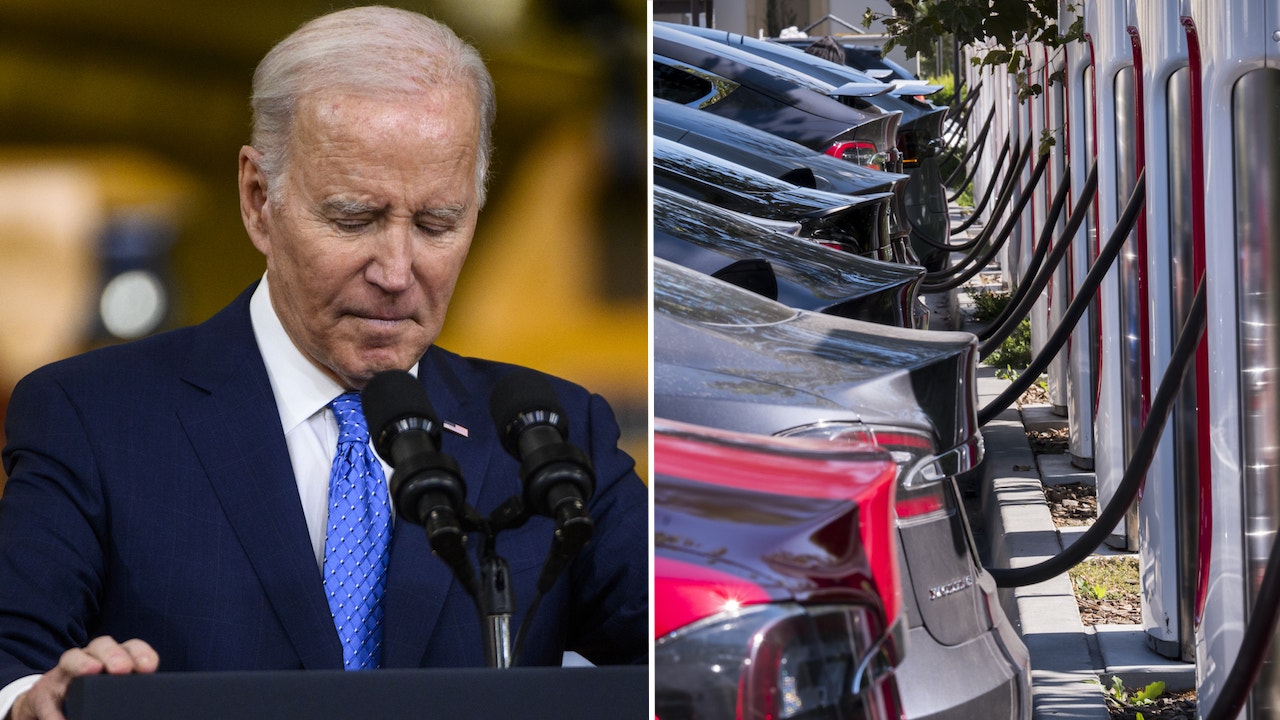
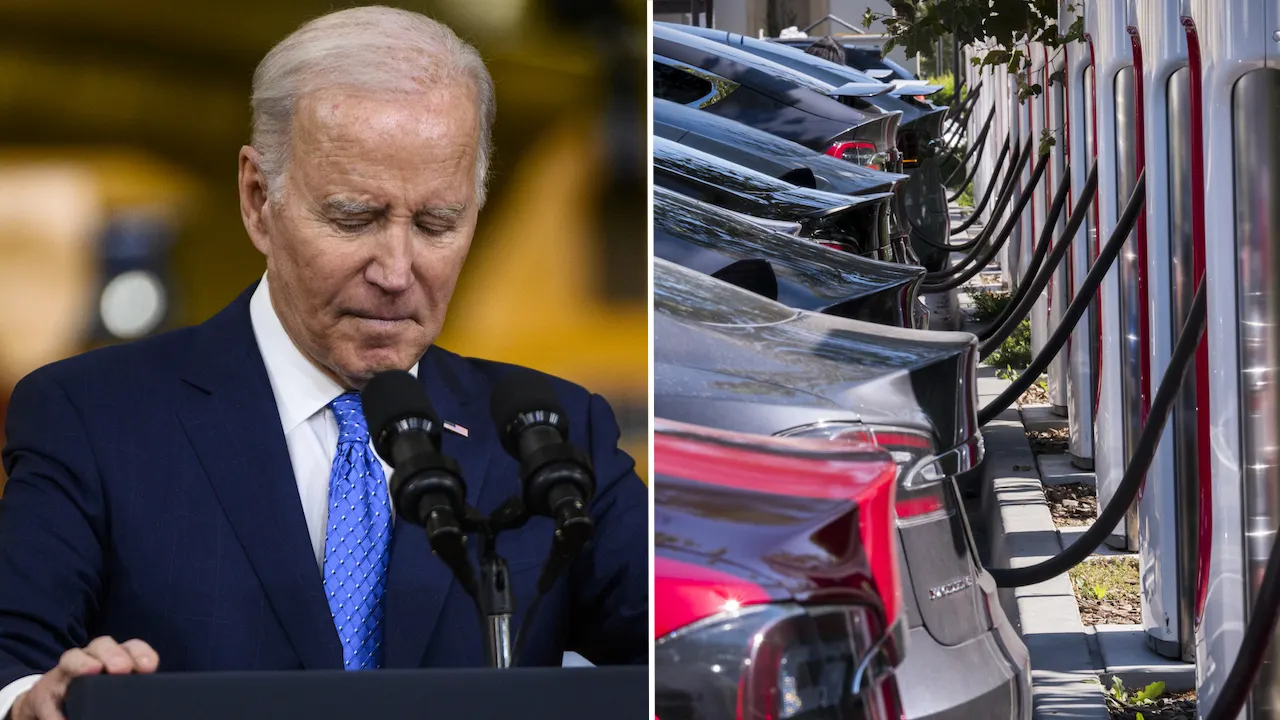
The Biden-era EPA policies aimed at reducing greenhouse gas emissions and promoting electric vehicles are projected to lower future gasoline prices and create jobs, but the Trump administration's proposed rollback could lead to higher gas prices and significant job losses, according to the agency's own analysis.
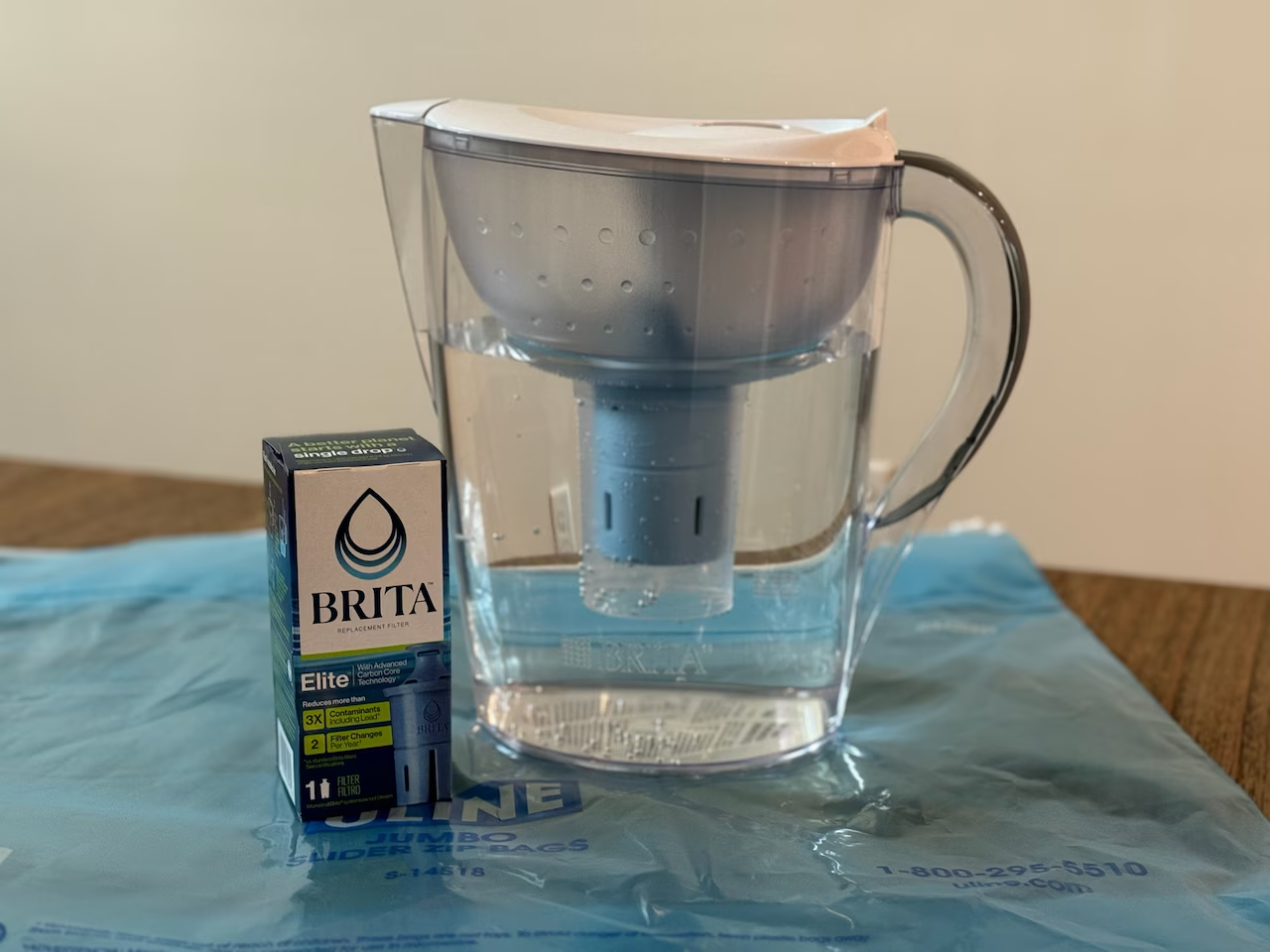
Birmingham Water Works is notifying over 71,000 customers about potential lead pipes in their homes, as required by new EPA rules. The letters target homes built before 1989, advising residents to check for lead risks. The utility offers free water filter pitchers if lead is detected and encourages in-home testing. Lead exposure is particularly harmful to children and pregnant women. The initiative is part of a broader plan to replace lead service lines, following a 2019 consent order with Alabama's environmental department.
The Biden administration is set to finalize regulations targeting gas-powered vehicle tailpipe emissions, aiming to incentivize greater adoption of electric vehicles despite opposition from automakers and energy industry. The regulations, projected to force automakers to expand electric options in their fleets, would require a significant percentage of new vehicle purchases to be electric by 2032. Critics argue that the regulations will increase costs for consumers and harm the economy, while proponents believe it will accelerate the clean vehicle transition and reduce oil imports. Lawmakers have already taken steps to curb the federal government's authority on the issue, but the administration remains committed to finalizing the regulations.
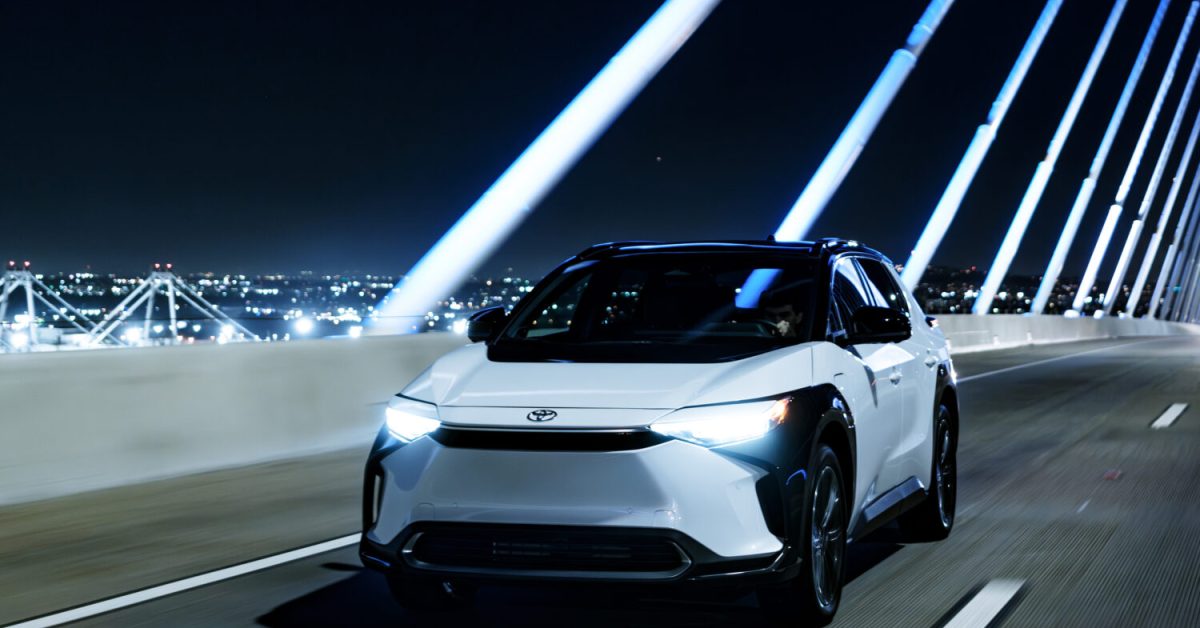
Toyota's CEO stated that the company plans to prioritize customer demand for hybrid vehicles over electric vehicles (EVs) and is prepared to buy credits to close the EPA gap rather than invest in EVs. The company is currently investing in a battery complex for EVs and hybrids in North Carolina, and has faced criticism for its focus on hybrids. Toyota is also concerned about competition from lower-priced Chinese vehicles in the US market.
A study by the Environmental Working Group found that the pesticide chlormequat, linked to infertility in animals, was detected in the majority of oat-based foods sold in the U.S., including popular brands like Quaker Oats and Cheerios. The chemical was found in 77 of 96 urine samples taken from 2017 to 2023, with levels increasing in recent years. While the EPA allows chlormequat to be used on ornamental plants only, its use has been permitted on imported oats and other foods sold in the U.S. since 2018. The EWG opposes the EPA's proposal to allow chlormequat use on certain crops grown in the U.S. Organic oat products are recommended to reduce exposure to chlormequat, as they are grown without synthetic pesticides.
A study by the Environmental Working Group found that 80% of Americans tested positive for chlormequat, a pesticide linked to reproductive and developmental health risks, with higher levels detected in 2023 than in previous years. The chemical, banned from use on food crops in the US, was found in popular oat-based products and is allowed in imported foods due to EPA regulations. Concerns have been raised about potential health impacts and the need for stricter regulations on pesticide use.
The House voted in favor of the Choice in Automobile Retail Sales (CARS) Act, which aims to strike down federal regulations targeting gas-powered vehicles and the Biden administration's tailpipe emissions regulations. The bill received support from 216 Republicans and five Democrats. If passed, the CARS Act would block proposed regulations by the Environmental Protection Agency (EPA) that would increase tailpipe emissions standards for gas-powered cars and limit the availability of new vehicles based on engine type. The Biden administration has set a goal of ensuring 50% of car purchases are electric by 2030. The CARS Act now moves to the Senate, where it has bipartisan support, but President Biden has stated he would veto the bill if it is passed.
Nearly 4,000 US auto dealers have written an open letter to the Biden administration, urging them to slow down their push for electric vehicles (EVs) due to low consumer demand and slow sales. The dealers argue that current and forecasted customer demand does not support the proposed regulations mandating EV production and distribution. They believe that EV prices are too high, charging infrastructure is inadequate, and range anxiety persists. However, data shows that EV sales have been rising, accounting for nearly 18% of new vehicle purchases in Q3 of this year. The dealers' concerns may also be influenced by the fact that EVs require less maintenance, cutting into their profits from service and repairs.
A coalition of over 3,000 auto dealers across the United States has sent an open letter to President Biden, urging him to reconsider the aggressive electric vehicle (EV) push and tap the brakes on his administration's EV mandate. The dealers argue that current regulations are unrealistic and not aligned with customer demand, as EVs are stacking up on their lots due to slow sales. They highlight issues such as inadequate charging infrastructure, energy grid instability, and a lack of reliable mineral supplies for EV batteries. The dealers call for more time for battery technology to advance, affordability to improve, and consumer comfort with the technology to grow. They emphasize the need for a market-driven approach rather than government mandates. Gas-powered cars still dominate new car sales, and experts warn of national security risks associated with China's dominance in the global EV industry.
A group of 25 Senate Republicans, along with Democratic Senator Joe Manchin, are introducing the Choice in Automobile Retail Sales (CARS) Act to block the Biden administration's proposed regulations on gas-powered car tailpipe emissions. The legislation aims to strike down the Environmental Protection Agency's (EPA) proposal, which would tighten vehicle emissions restrictions and potentially lead to a significant increase in electric vehicle (EV) purchases. Critics argue that the EPA's proposal is effectively an indirect EV mandate and would limit consumer choice while raising costs. The CARS Act would also prohibit regulations mandating specific technologies or limiting the availability of vehicles based on engine type.
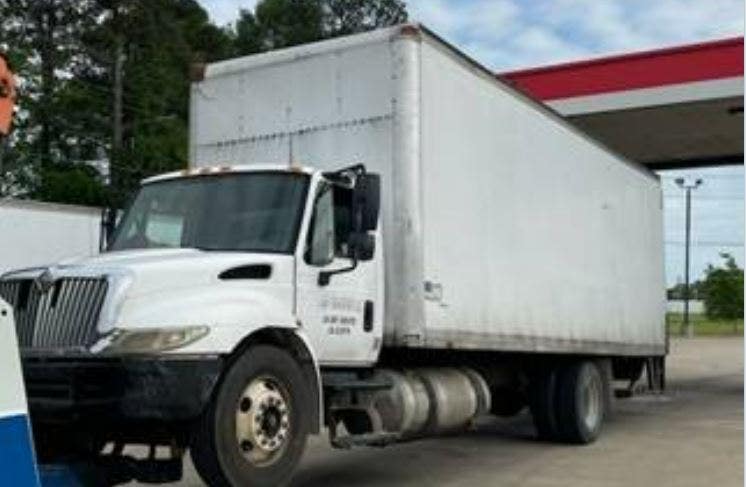
Truckers are warning that the Environmental Protection Agency's (EPA) new emission standards, aimed at reducing air pollution from heavy-duty engines and vehicles, will have catastrophic effects on the American food supply. The trucking industry, which is predominantly made up of small businesses, argues that complying with the EPA's clean energy mandates will push many companies out of business, leading to a tightening of trucking capacity and severe price inflation. Truckers also express concerns about the practicality of electric vehicles, including limited driving range and the weight of lithium batteries, which would result in reduced payload capacity. Critics argue that the regulations prioritize green energy over the economy and fail to address infrastructure and testing challenges.
The Owner-Operator Independent Drivers Association (OOIDA), a trade organization that represents small business truckers, warns that the Biden administration's latest move in the electric vehicle push threatens small businesses and the overall U.S. economy. The new regulations are being pushed through mandates that have not addressed the side effects or considered additional ramifications such as costs and efficiency. The EPA acknowledges the cost for manufacturers would be a staggering $6 billion which also accounts for nearly $3 billion in cost reductions provided by the Inflation Reduction Act.