The U.S. government has decided to permit California to implement a ban on the sale of new gas-powered cars, marking a significant step in environmental regulation and efforts to reduce carbon emissions.
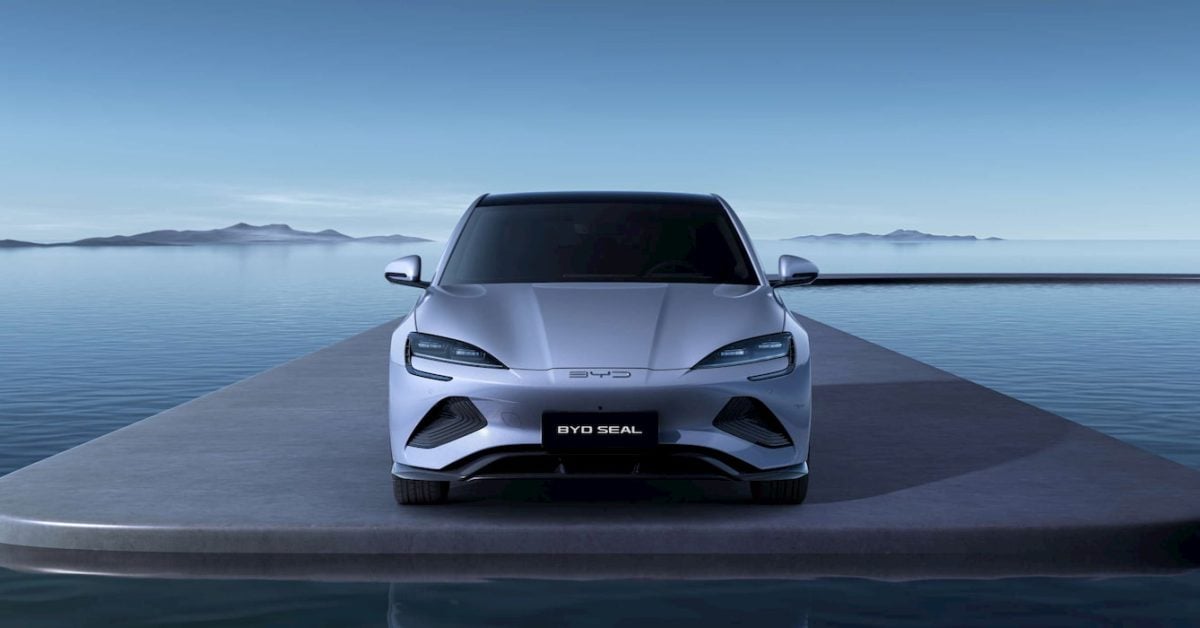
BYD, a global leader in electric vehicles (EVs), is ramping up its efforts to dominate the market with plans to more than double its overseas sales this year and reach one million in 2025. The company is set to launch next-gen hybrid technology offering over 1,200 miles of range and aims to undercut gas-powered car sales with its new platform. BYD's CEO believes that EVs and plug-in hybrid electric vehicles (PHEVs) have entered the "knockout round" and is implementing an "overseas + localization" strategy to expand its brand globally.
Hertz Global Holdings Inc. plans to sell 20,000 electric vehicles (EVs) and reinvest in gas-powered cars due to weak demand and high repair costs for its battery-powered options. The sales of EVs began last month and will continue over the course of 2024, with Hertz recording a non-cash charge of about $245 million related to incremental net depreciation expense in its fourth-quarter results.
According to data from Consumer Reports, electric vehicles (EVs) are found to be significantly more unreliable than gas-powered cars, raising concerns about their long-term durability and maintenance costs.
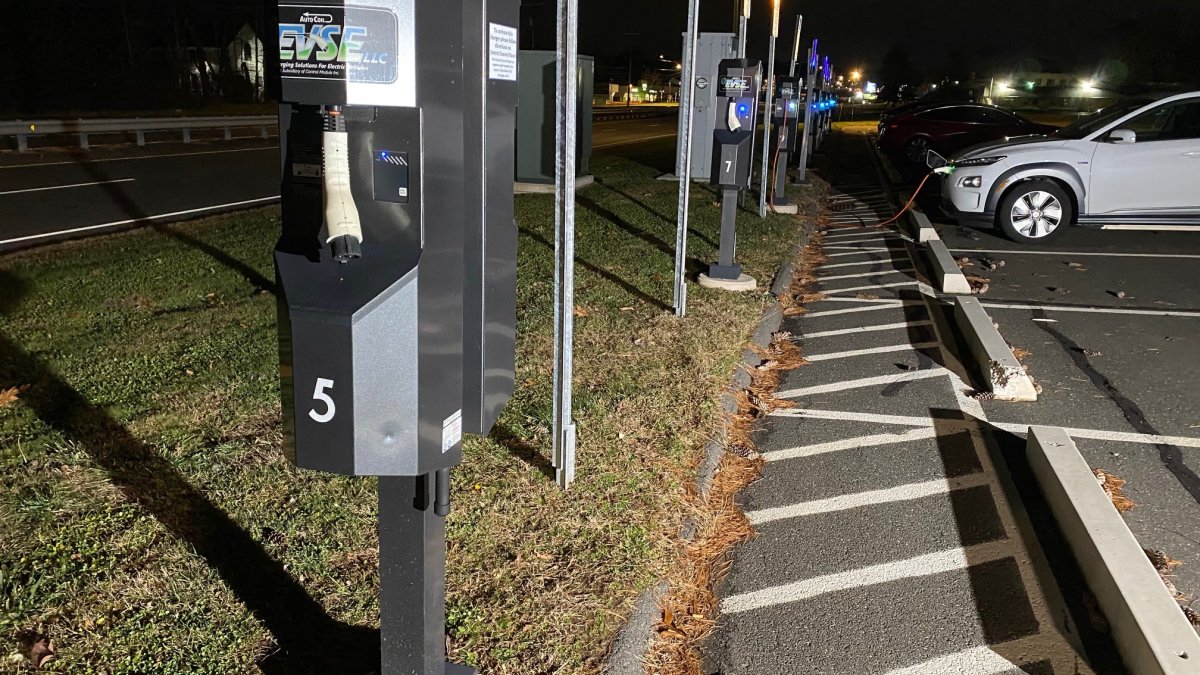
A plan to ban the sale of gas-powered cars in Connecticut by 2035 appears to have hit a roadblock as the vote on the proposal was pulled from the legislative committee's agenda. Governor Ned Lamont held a news conference on electric vehicles instead, while the Connecticut Energy Marketers Association applauded the decision not to move forward with the ban. Opposition to the plan cited concerns about increased consumer costs, insufficient power supply, and the need for charging infrastructure. Critics suggest focusing on proposals that control costs and protect consumer choice instead.
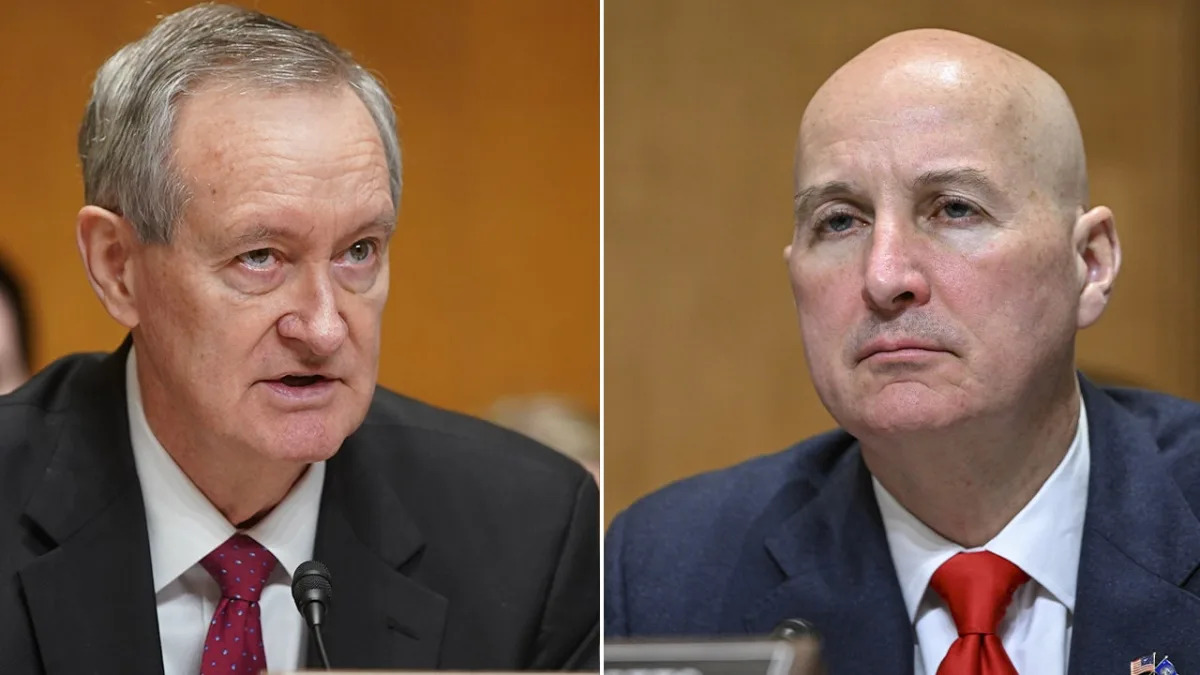
A group of 25 Senate Republicans, along with Democratic Senator Joe Manchin, are introducing the Choice in Automobile Retail Sales (CARS) Act to block the Biden administration's proposed regulations on gas-powered car tailpipe emissions. The legislation aims to strike down the Environmental Protection Agency's (EPA) proposal, which would tighten vehicle emissions restrictions and potentially lead to a significant increase in electric vehicle (EV) purchases. Critics argue that the EPA's proposal is effectively an indirect EV mandate and would limit consumer choice while raising costs. The CARS Act would also prohibit regulations mandating specific technologies or limiting the availability of vehicles based on engine type.
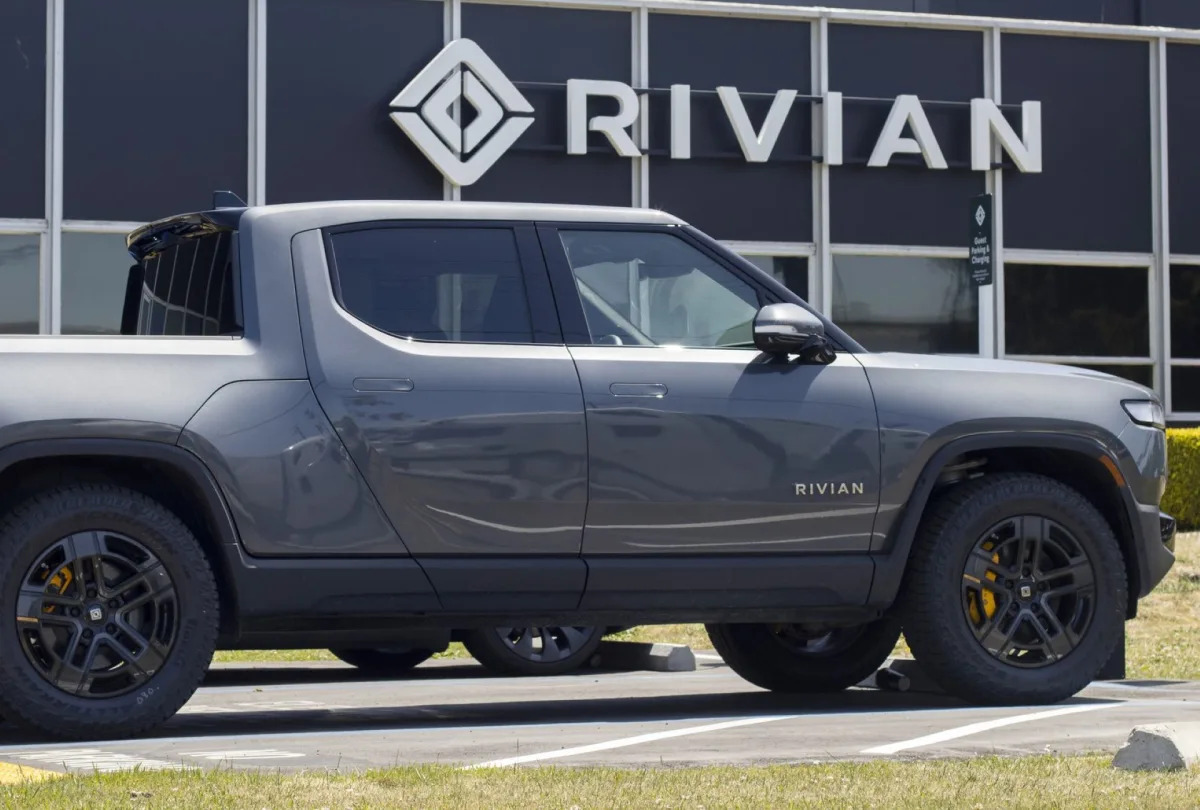
Rivian CEO R.J. Scaringe compared buying a gas-powered car to building a horse barn in 1910, suggesting that those who ignore the progress in the EV space will soon regret their decision. With the increasing interest and uptake in EVs, Scaringe expressed optimism for the future and expects to deliver the R2 model in 2026. Rivian's recent deal with Tesla to allow Rivian vehicles to be charged in Tesla's Supercharger points may boost customer confidence in their vehicles.