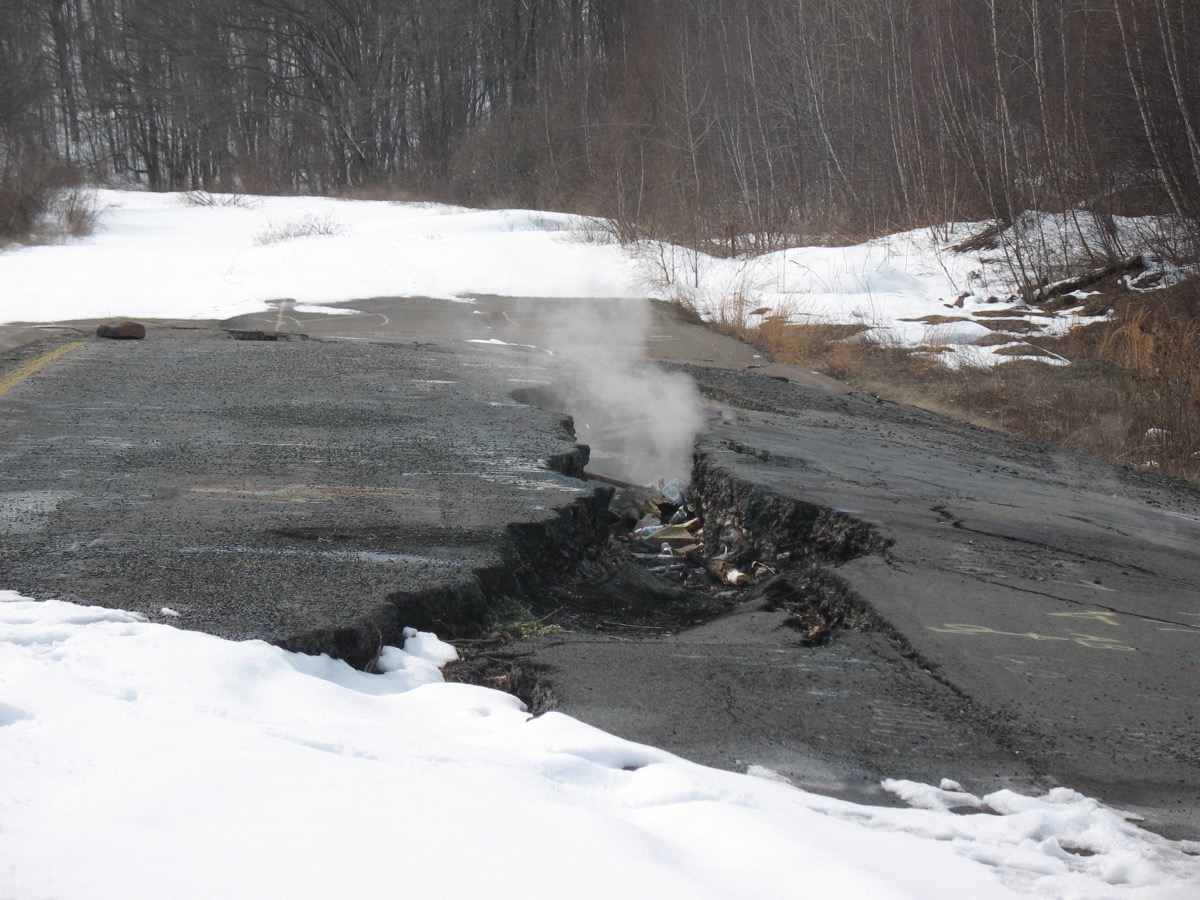
A fire that started in 1962 in Centralia, Pennsylvania, due to an underground coal seam fire, continues to burn beneath the town, leading to evacuations and abandonment, with the fire expected to last another 250 years.
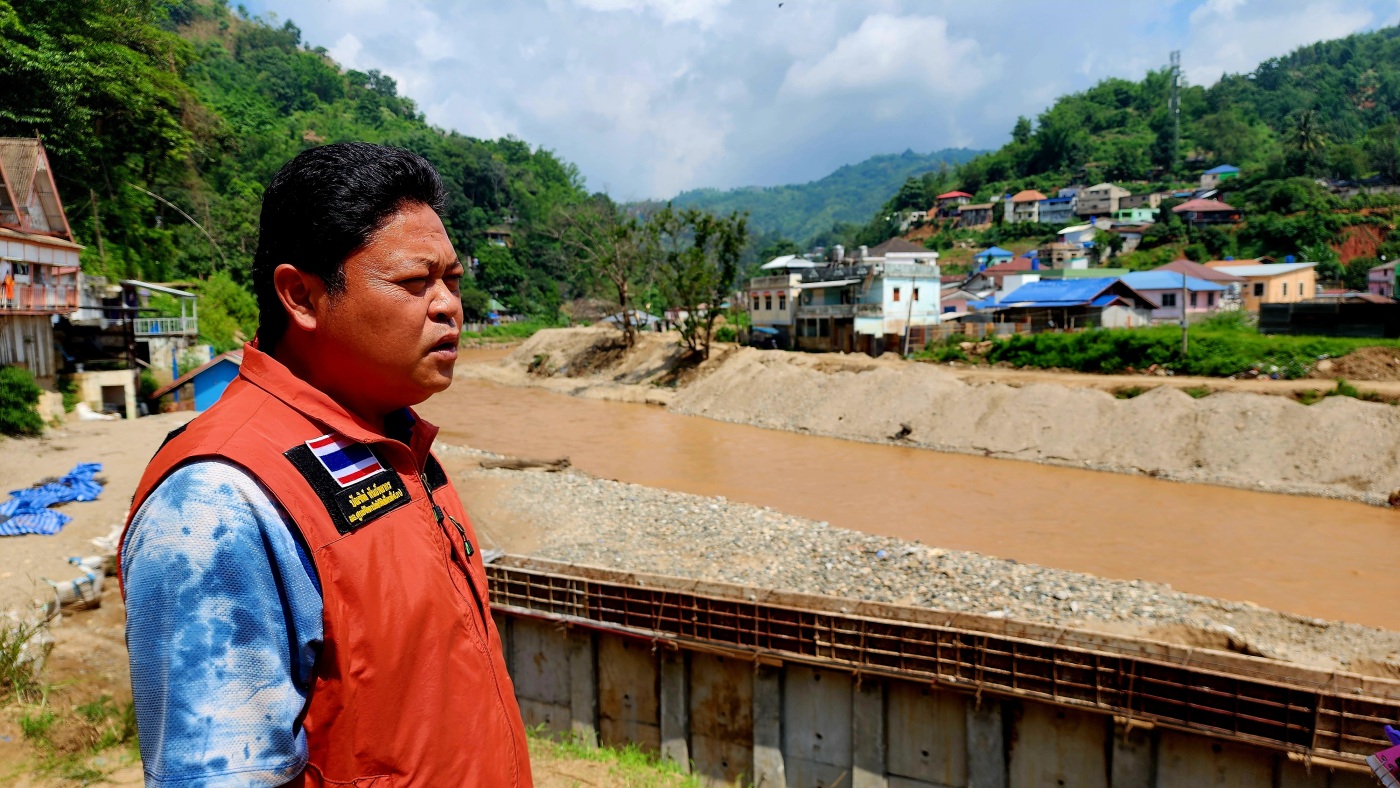
Unregulated mining for rare earth metals in Myanmar's Shan state is causing severe environmental pollution in neighboring Thailand's rivers, with hazardous metals like arsenic contaminating water sources used for drinking, farming, and fishing, and threatening regional ecosystems and communities amid ongoing conflict and limited regulation.
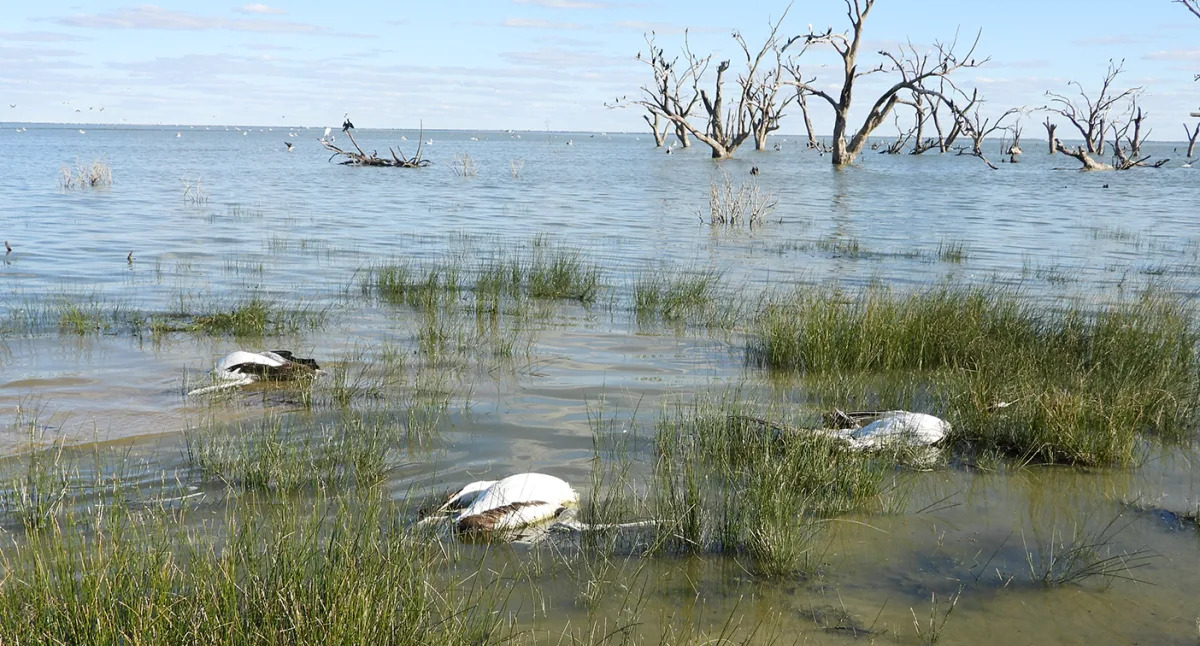
A wildlife photographer discovered at least 30 dead pelicans at Lake Menindee, Australia, raising concerns about water quality. The NSW Environment Protection Authority is investigating potential contaminants, including pesticides and blue-green algae, with botulism also being a possible cause. This incident follows previous environmental calamities in the area, including a massive fish die-off in the Darling River last year.
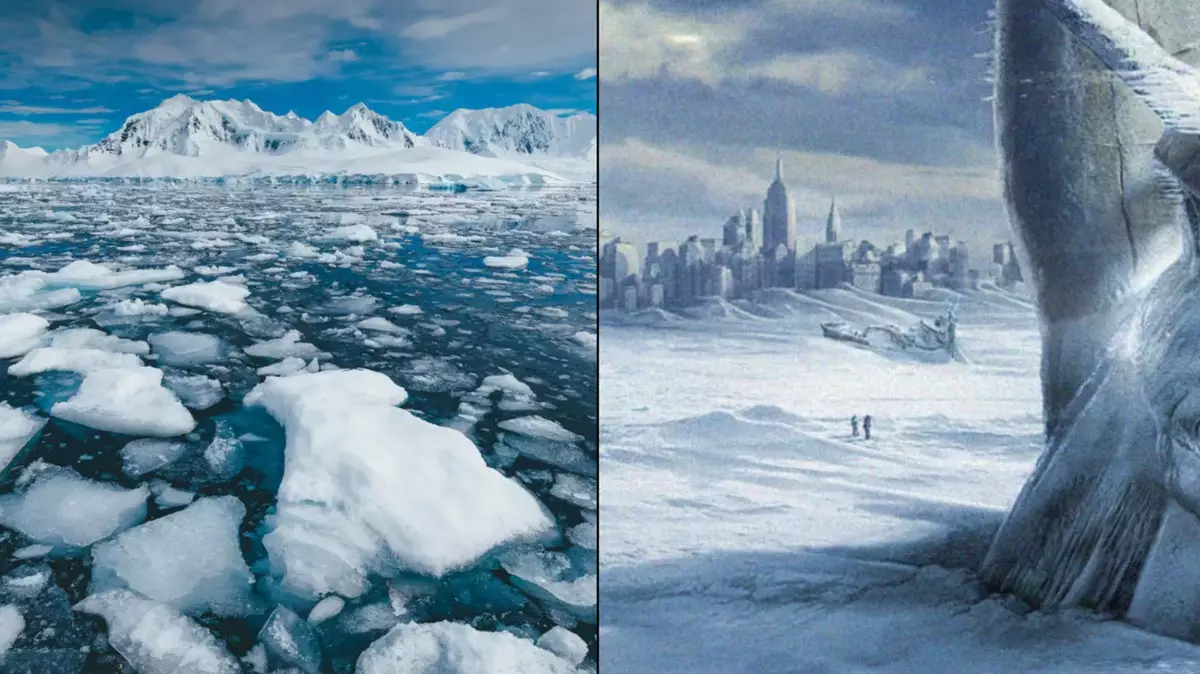
Scientists have identified a 'super vortex' of ocean water swirling around Antarctica, which is accelerating due to global warming. This phenomenon could lead to catastrophic consequences such as rising sea levels and disruption to food production and infrastructure. Comparisons to the movie The Day After Tomorrow have been made, but the real-life impact would involve widespread flooding, displacement of populations, and severe societal consequences. The urgency to address climate change is emphasized in light of these potential threats to humanity.
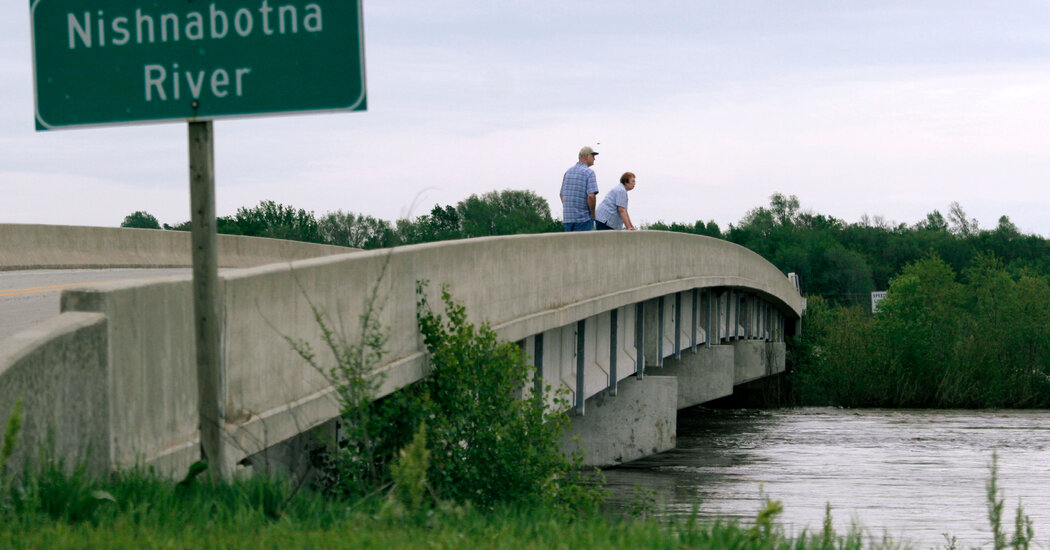
A fertilizer spill in Iowa led to the death of an estimated 789,000 fish across a 60-mile stretch of rivers in Iowa and Missouri, causing one of the region’s most ecologically devastating chemical spills in recent years. The spill occurred when a valve was left open on a storage tank at an agricultural business, resulting in 265,000 gallons of liquid nitrogen fertilizer spilling into the rivers. The majority of the fish that died were small species, but larger fish, including catfish and carp, were also affected.
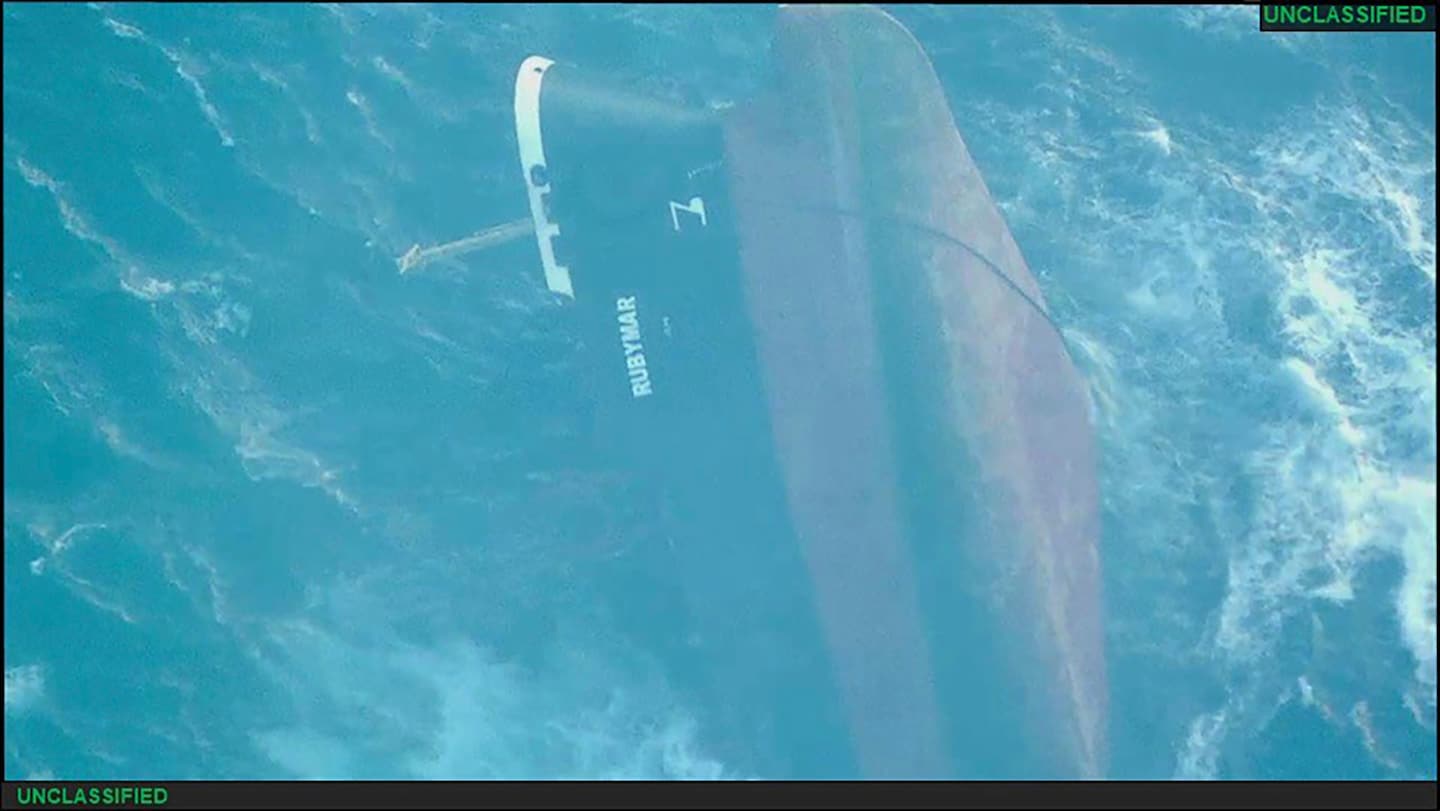
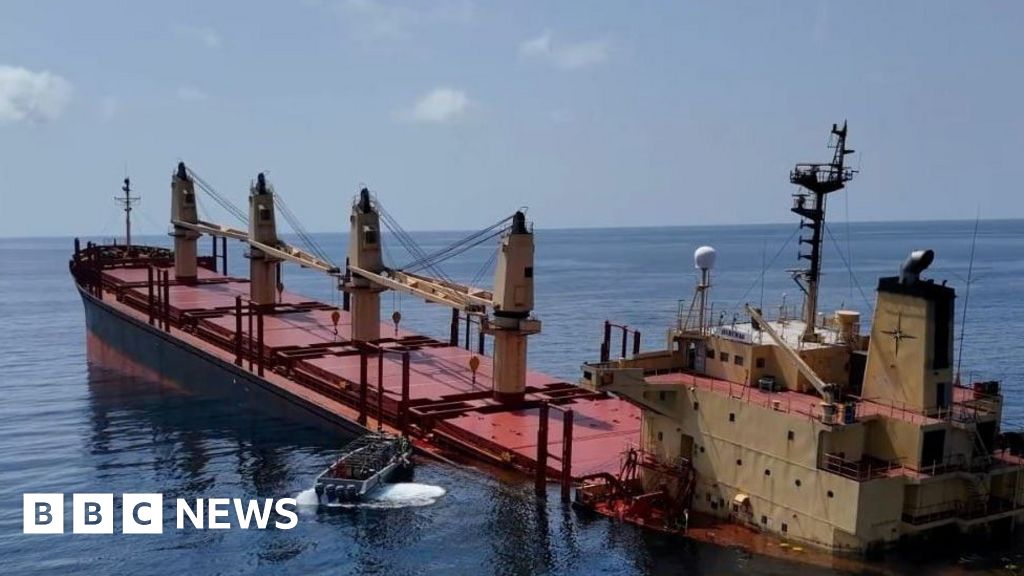
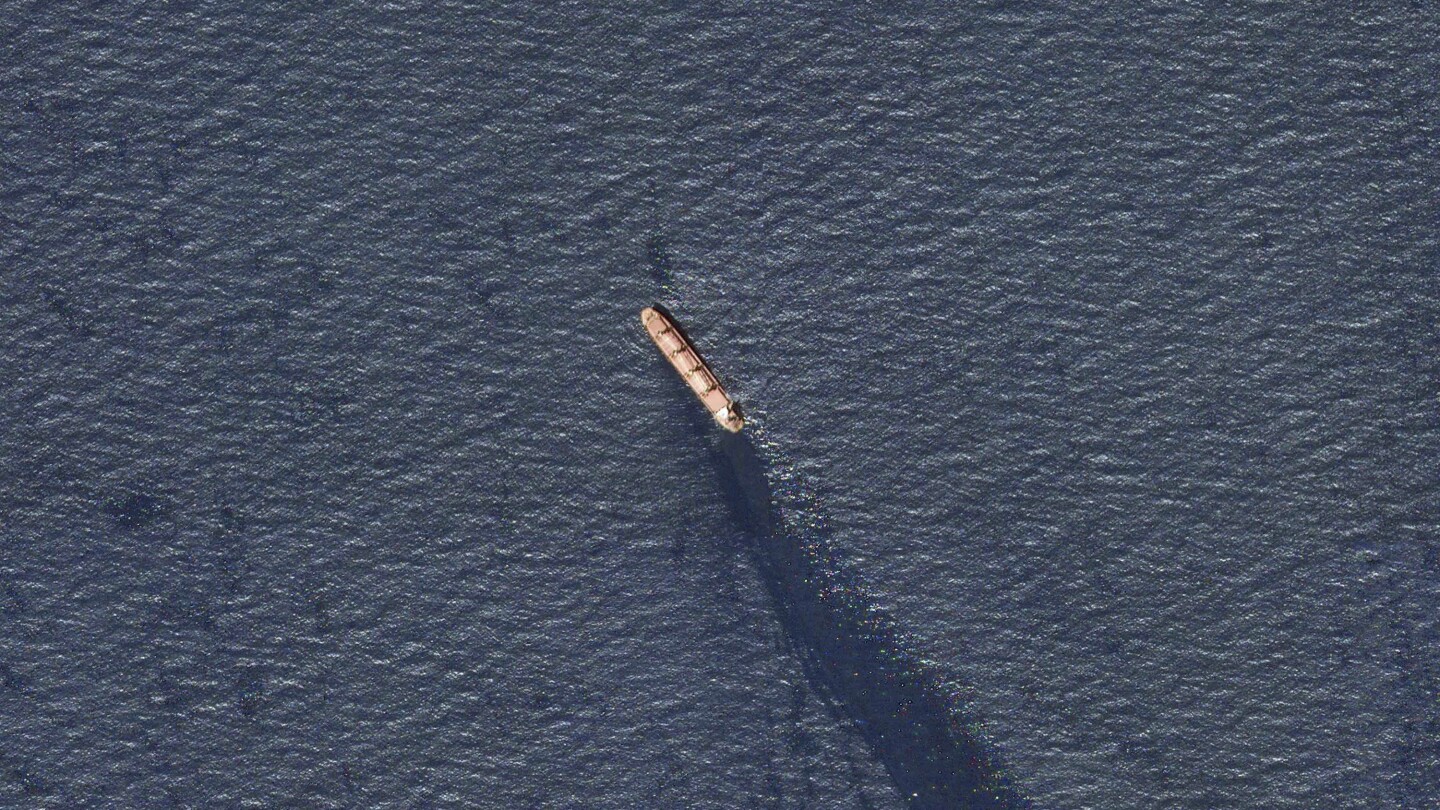
A British cargo ship sank in the Red Sea after being attacked by Houthi militants, carrying 21,000 metric tons of fertilizer, posing a significant environmental risk to the area. The sinking has raised fears of an environmental disaster, with concerns about the impact on marine ecosystems and coastal communities. The Houthi attack has led to disruptions in international commerce, as many ships have altered their routes to avoid the Red Sea, adding transit time and further complicating global trade.
The cargo ship Rubymar, attacked by Houthi rebels in the Gulf of Aden, has sunk, risking an environmental catastrophe due to its cargo of fertilizers. The sinking marks the first ship to be sunk by the rebels in Yemen, prompting concerns about potential impacts on marine ecosystems. The ongoing attacks on merchant vessels in the Red Sea by the Houthi rebels have led to disruptions in global seaborne trade, despite efforts by the US and UK to target Houthi positions.
A ship attacked by Yemen's Houthi rebels, carrying fertilizer and previously leaked fuel, has sunk in the Red Sea, potentially causing ecological damage and disrupting traffic in the crucial waterway. The sinking could lead to higher insurance rates for vessels, affecting global inflation and aid shipments to the region. The Houthis have targeted ships in the Red Sea over the Israel-Hamas war, and despite U.S.-led airstrikes, they remain capable of launching significant attacks. The sinking of the Rubymar is seen as an unprecedented environmental disaster, with concerns raised about the release of fertilizer into the Red Sea and its impact on marine ecosystems.
The sinking of a cargo ship in the Red Sea, reportedly carrying 22,000 metric tons of toxic fertilizer, and leaking heavy fuel due to an attack by Yemen’s Houthi rebels, has raised concerns about potential environmental disaster. The unique natural features and usage of the Red Sea, including its circular water patterns, desalination plants, and vibrant fishing industry, are at risk. The spill poses threats to coral reefs, marine life, and the creation of dead zones, with potential long-term consequences. The incident highlights the increased environmental risks in the area due to the targeting of ships, and the potential for future spills with massive environmental impact.
The US military has warned of an "environmental disaster" in the Red Sea after an attack by Yemen's Houthi rebels on a cargo ship caused an oil slick. The Iran-aligned group hit a UK-owned bulk carrier, prompting the crew to abandon the ship, which is now slowly taking on water. The US has confirmed "self-defense strikes" on Houthi-controlled positions in Yemen and expressed concern over the impact of the attacks on regional trade and the environment.
President Biden visited the site of a train derailment in East Palestine, Ohio, more than a year after the incident, blaming the train company, Norfolk Southern, for the preventable disaster. The derailment caused an environmental crisis and sparked a political furor, with conservatives accusing Biden of ignoring the predominantly White town. Biden highlighted his administration's efforts in cleaning up the site and testing for toxins, while facing protests from both Trump supporters and local residents. Despite criticism for the delayed visit, Biden emphasized unity and resilience in his remarks.
President Biden is set to visit East Palestine, Ohio, a year after a train derailment caused a fiery spill of toxic chemicals, facing a politically divided community concerned about long-term health effects. Some residents criticize the timing of the visit, while others hope for relief and health screenings. Biden is expected to outline efforts to assist residents and hold the train operator accountable, with calls for a disaster declaration to access more federal resources.
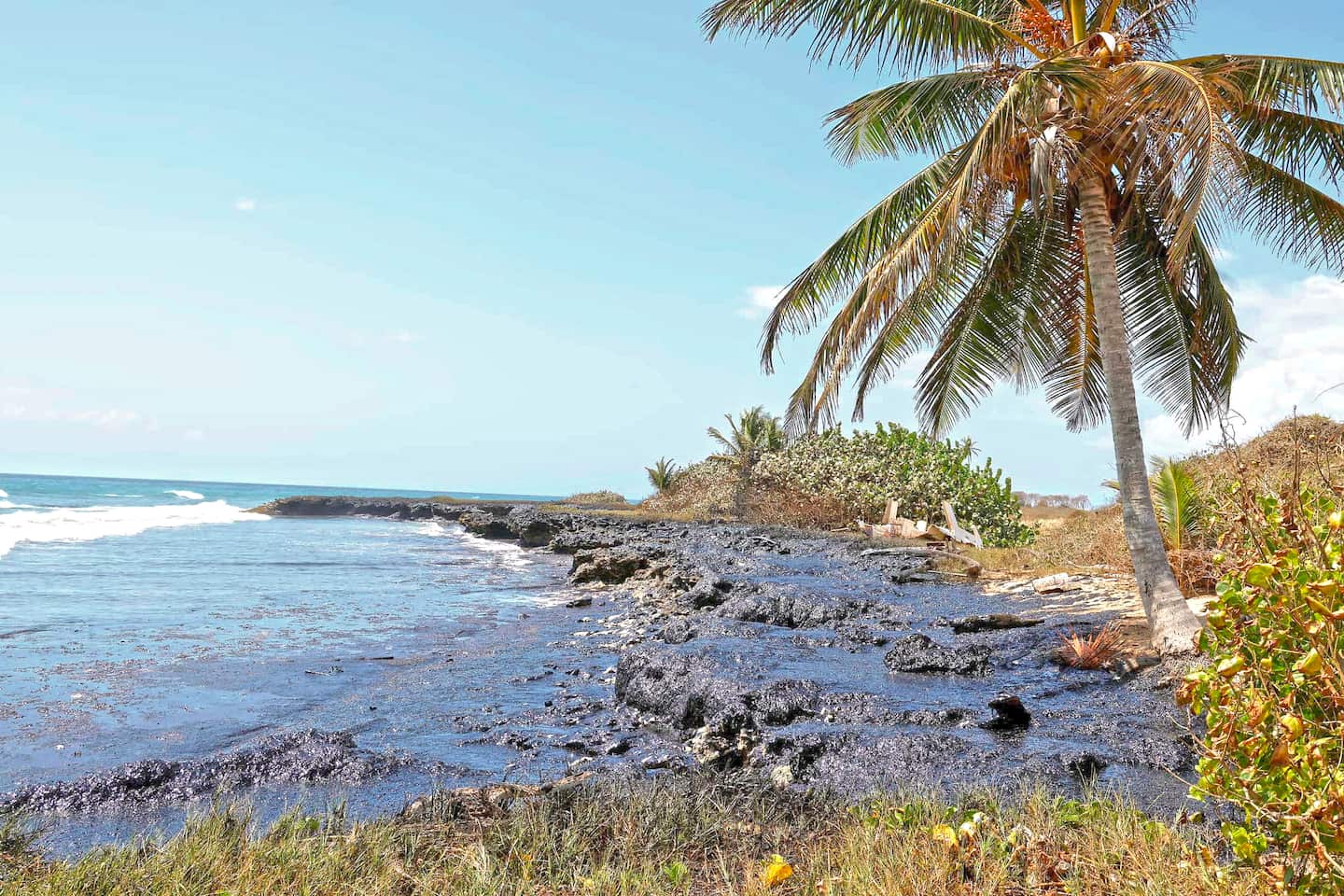
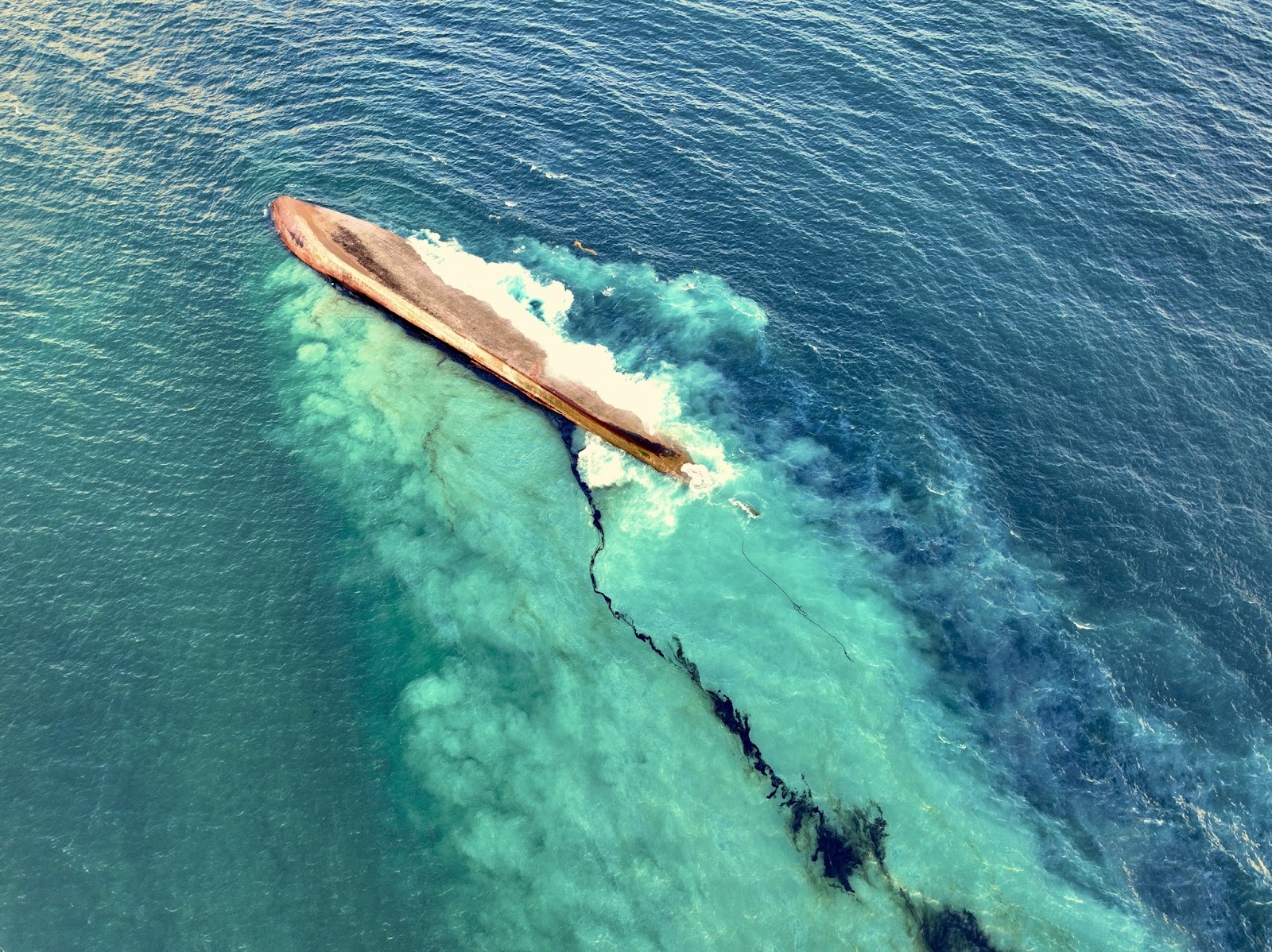
An overturned barge leaking oil off the coast of Tobago in the Caribbean has caused beaches to be blackened by a dark, sticky fluid, prompting a national emergency declaration by Prime Minister Keith Rowley. The vessel, which was being towed from Panama to Guyana, has led to round-the-clock cleanup efforts, with the extent of the spill and the cause of the overturn still unknown. Trinidad and Tobago, as the largest oil producer in the Caribbean, is deploying resources to contain the spill and protect its important tourism sector.
A mystery vessel leaking oil and running aground off the coast of Tobago has caused a national emergency in Trinidad and Tobago. Despite being identified as the "Gulfstream," the vessel lacks an International Maritime Organization (IMO) registration number, leading to speculation that it is an unpowered barge. Research by Bellingcat suggests that the vessel is part of an articulated tug and barge system and may have been involved in transporting sanctioned oil from Venezuela. The vessel's lack of AIS signals and its poor maintenance raise concerns about its involvement in a potential environmental disaster. Efforts to clean up the extensive oil spill continue, while the vessel's owners remain elusive.
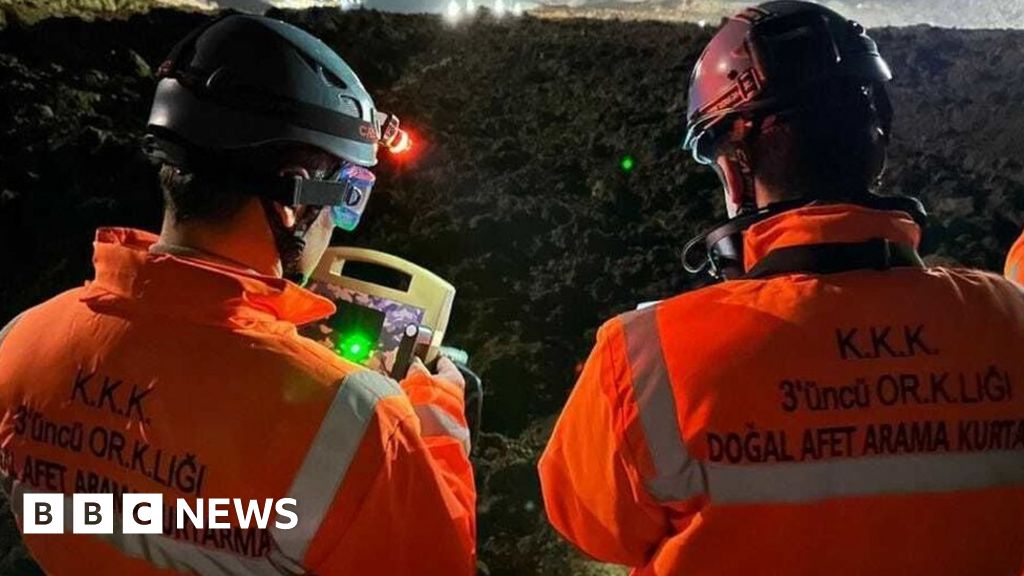
Hundreds of rescuers are racing against time to find nine workers trapped in a gold mine in eastern Turkey after a massive landslide. Concerns about dangerous chemical leaks and environmental disaster are mounting as the mine is located near the Euphrates River. The mine's operators have faced previous environmental violations, and calls to permanently close the mine have been made. Efforts to contain potential chemical pollution are underway, while the company's production has been suspended, leading to a significant drop in its stock value.