Tag

Enhancers

All articles tagged with #enhancers

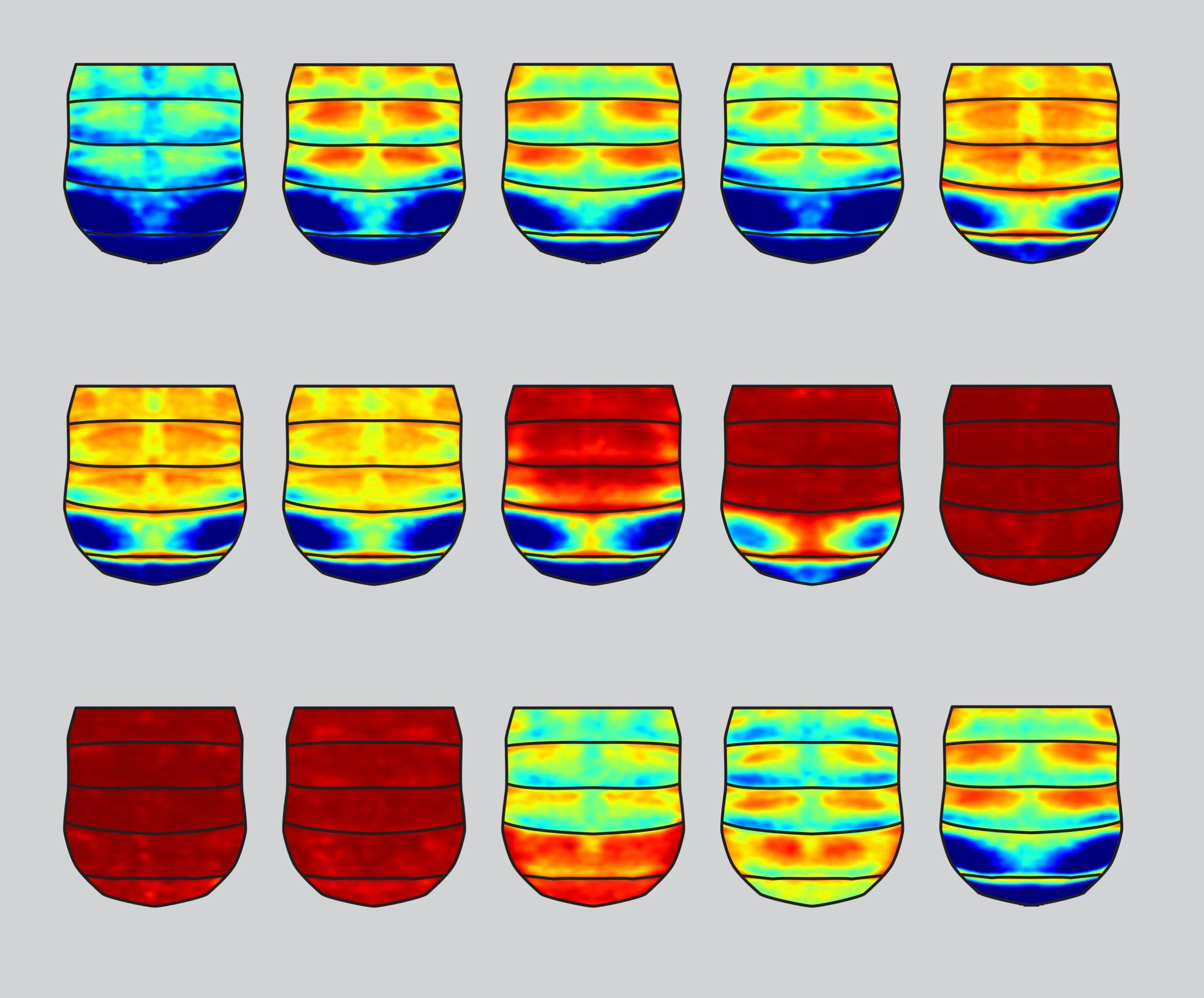
Study Reveals DNA Regions Shared by Multiple Gene Switches

Originally Published 1 year ago — by Phys.org

Featured image for Study Reveals DNA Regions Shared by Multiple Gene Switches
Source: Phys.org

A study by the University of Bonn and LMU Munich reveals that gene enhancers, previously thought to be modular and isolated, can share extensive DNA regions, influencing multiple gene switches. This discovery, particularly in the regulation of the yellow gene in Drosophila, suggests a more complex genomic architecture than previously understood, with significant implications for evolutionary biology. The findings indicate that mutations in enhancers could have broader effects, potentially facilitating evolutionary changes by altering gene activity in specific tissues without affecting the gene itself.

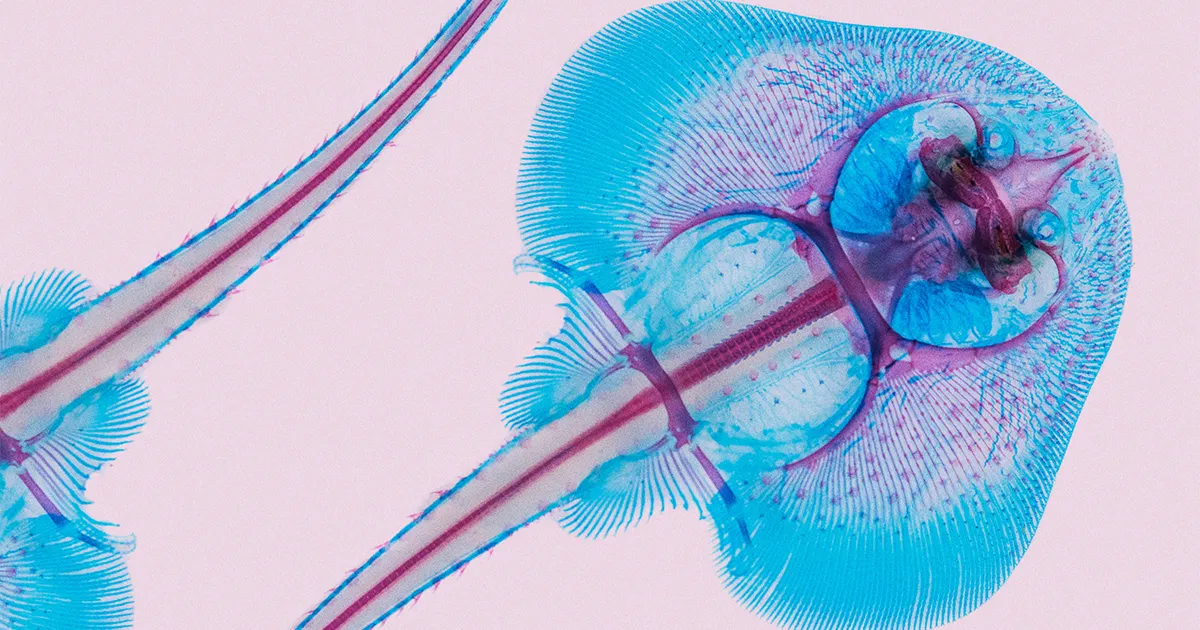
The Evolutionary Role of 3D Genome Changes in Sharks and Skates.

Originally Published 2 years ago — by Quanta Magazine

Featured image for The Evolutionary Role of 3D Genome Changes in Sharks and Skates.
Source: Quanta Magazine

Researchers have identified a mutation in an enhancer that regulates the expression of some genes in the developmentally important hox group, which specifies the general body plan in all bilaterally symmetrical animals. The mutation caused the hoxa genes to be active in both the front and back of the pectoral fins of skates, leading to the formation of winglike structures that allowed them to inhabit a different ecological niche. The study shows that changes in the 3D architecture of a genome can cause significant changes in body shape and may serve as a driver of evolution.

Illuminating Evolution with Machine Learning

Originally Published 2 years ago — by Phys.org

Featured image for Illuminating Evolution with Machine Learning
Source: Phys.org

Researchers at Carnegie Mellon University's Computational Biology Department have developed a machine learning approach called TACIT to identify enhancers in the genome that determine when and where specific genes are active. The approach can predict the function of genomic sequences across 240 mammals, offering potential applications in conservation biology. The team applied TACIT to identify the parts of the genome that have evolved in mammals for larger brains and found that those tended to be near genes whose mutations have been implicated in human brain-size disorders.

MIT's Revolutionary Gene Regulation Visualization Breakthrough

Originally Published 2 years ago — by SciTechDaily

Featured image for MIT's Revolutionary Gene Regulation Visualization Breakthrough
Source: SciTechDaily

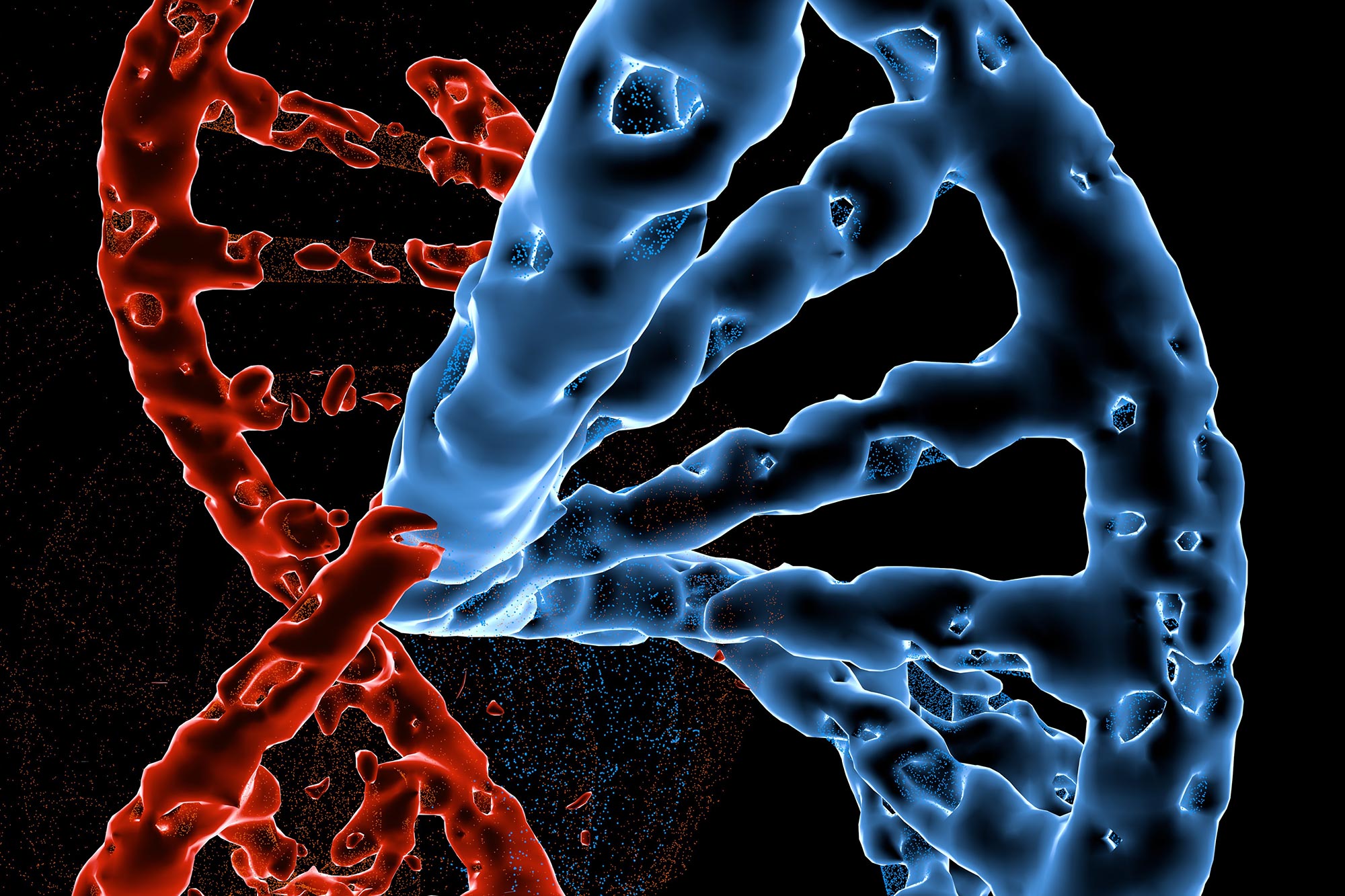
MIT researchers have developed a new technique called Region Capture Micro-C (RCMC) for mapping the 3D structure of the human genome with 100 times higher resolution than before, enabling them to observe previously unseen interactions between enhancers and promoters. This technique allows scientists to focus on specific genome segments of interest and could help researchers understand how genetic diseases arise and potentially develop new treatments. The researchers’ findings suggest that many genes interact with dozens of different regulatory elements, although further study is needed to determine which of those interactions are the most important to the regulation of a given gene.

Revolutionary Technique Provides Unprecedented View of Gene Regulation in 3D Genome.

Originally Published 2 years ago — by MIT News

Featured image for Revolutionary Technique Provides Unprecedented View of Gene Regulation in 3D Genome.
Source: MIT News

MIT researchers have developed a new technique called Region Capture Micro-C (RCMC) that can map the interactions between regulatory elements and genes in the 3D genome with 100 times higher resolution than previously possible. The researchers found that many genes interact with dozens of different regulatory elements, and that DNA appears to coil itself into nested “microcompartments” that facilitate these interactions. The new method is able to inexpensively generate maps 100 times richer in information than other published techniques for a fraction of the cost.