The article reflects on the unpredictability of oil prices and energy markets, emphasizing the importance of focusing on fundamental long-term factors rather than short-term headlines when making investment decisions, with a look ahead to what might influence oil in 2026.
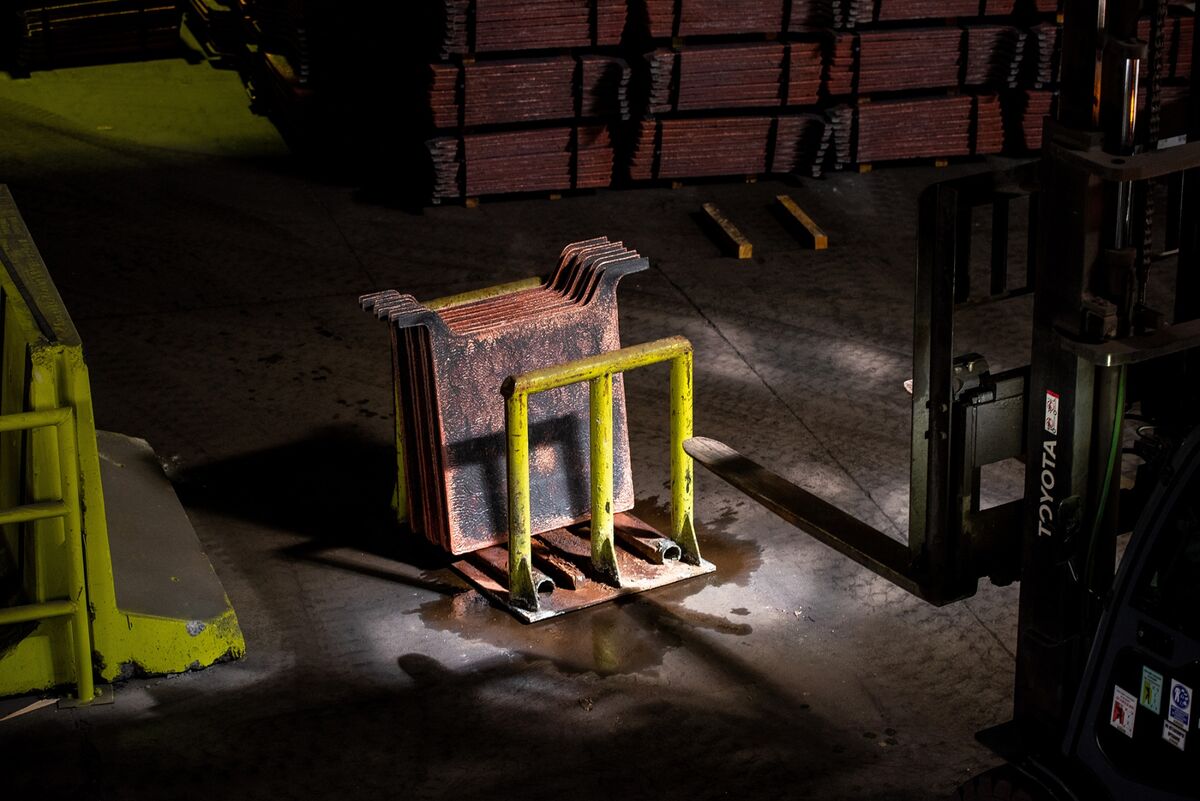
The article discusses how Trump's announcement of a 50% tariff on copper imports has triggered a massive arbitrage trade, with traders rushing to ship copper into the US to capitalize on the price gap, leading to a global supply squeeze and significant profits for traders, but the impending tariffs threaten to end this lucrative window and impact US manufacturing costs.
Archer-Daniels-Midland (ADM) is facing challenges in expanding beyond its legacy agricultural commodities trading business, with its CFO Vikram Luthar recently placed on administrative leave pending an investigation into accounting practices at the nutrition unit. The company's attempt to diversify into the nutrition business has faced setbacks, leading to a slashed profit target and a 24% plunge in its shares. The scandal has raised concerns about the company's leadership and future direction, as it grapples with declining earnings in its core crop trading business and struggles to meet its 2023 profit target.
Ed Emerson, one of Goldman Sachs' highest-paid executives, is set to retire in March 2023 after earning over $100 million in the past three years, surpassing CEO David Solomon's earnings. Emerson, who leads Goldman's commodities business, has clashed with Solomon and criticized his leadership, particularly regarding strategic missteps that resulted in significant losses. Despite his success, Emerson's confrontational style and push for higher pay for his team have made his bosses wary. Goldman Sachs has reported losses in recent months, including in its trading desks and consumer lending business. Emerson will serve as an advisory director until March 2024, and his departure comes as the bank transitions Xiao Qin and Nitin Jindal into his role.
The former CEO of an investment firm, Peter Kambolin, pleaded guilty to a fraudulent "cherry-picking" scheme in which he misappropriated profitable trades for himself and caused losses to his investors. Kambolin, who marketed his firm as offering algorithmic trading strategies involving futures contracts, engaged in the scheme between January 2019 and November 2021. He allocated profits and losses from futures trades to benefit his own accounts unfairly, while misrepresenting the trading strategies to clients. Kambolin used the scheme's proceeds for personal expenses and transferred funds to foreign bank accounts. He faces a maximum penalty of five years in prison.
Former Chicago commodities trader Phillip Galles has been arrested and charged with wire fraud for allegedly stealing over $2 million from victims by lying about investing their money in commodity futures. Galles boasted of owning a non-existent collection of 122 luxury cars and promised phony returns exceeding 200%.
JPMorgan Chase received a bag of stones instead of the nickel it ordered, in a surprising mix-up last week at a warehouse in Rotterdam, a Dutch port city. This is not an isolated case, as other commodity traders have also faced similar situations due to theft or fraud. Commodity fraud is not common, but it is not unheard of, and it is aided by the manual processing and lack of standardization in the supply chain paperwork.