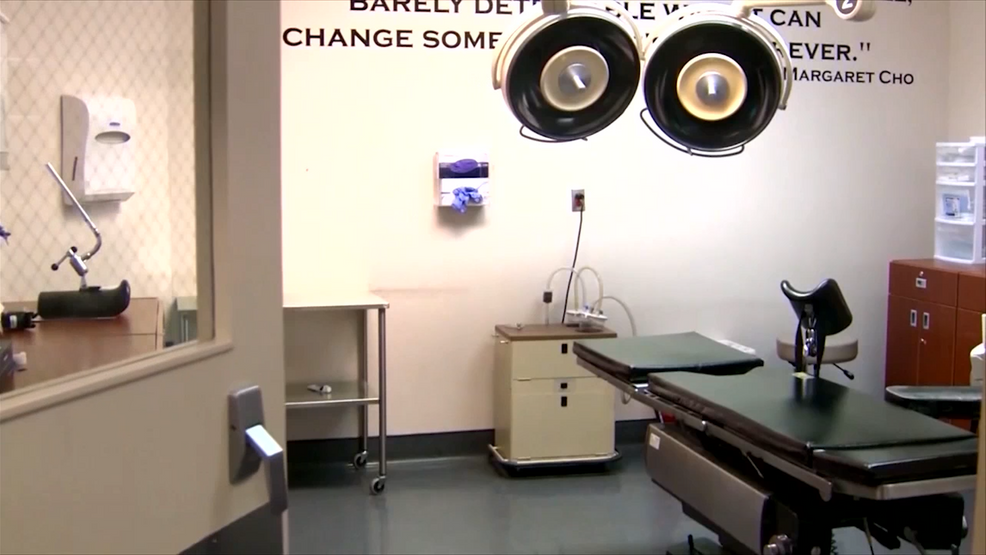
The article highlights various positive developments worldwide, including a critique of Twitter's declining influence by social media expert Laura Olin, the restoration of hunting and fishing rights for the Siletz tribe in Oregon, and Connecticut's launch of a free abortion legal hotline. It also covers international events such as Russia facing resistance in multiple regions, Romania's annulment of a presidential vote due to Russian interference, and South Korea's investigation into a martial law attempt. Additionally, it mentions environmental and scientific advancements, including the eradication of rodents on Lord Howe Island and a new knee arthritis treatment.
The recent elections saw a conservative shift in voter sentiment on various ballot measures across the U.S., with progressive initiatives like abortion rights, open primaries, and cannabis legalization facing setbacks. While some conservative states surprisingly approved minimum wage increases, measures to overhaul election processes and legalize cannabis largely failed, except in Washington, D.C. The results highlight challenges for Democrats and progressives in using ballot measures to advance their agendas, as voters leaned towards right-leaning positions on issues like crime and immigration.
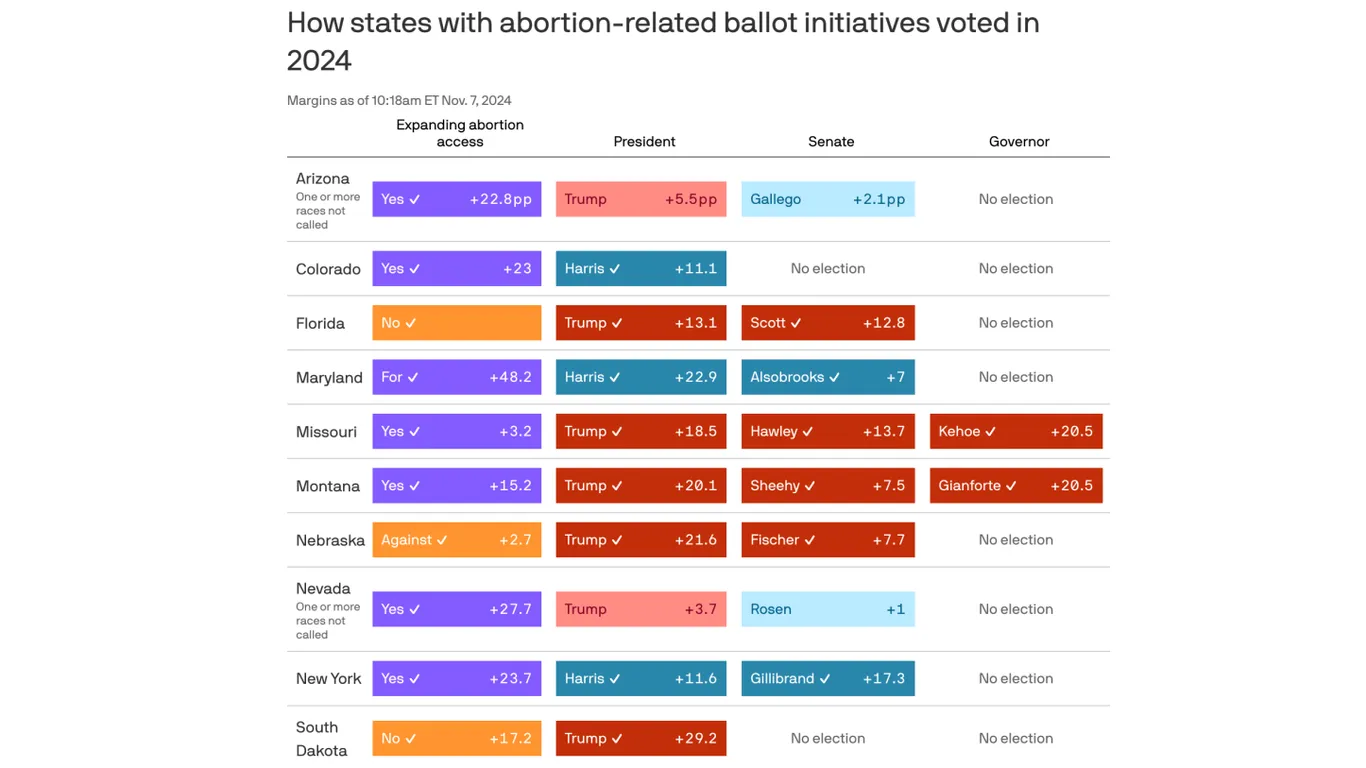
In the recent elections, voters in seven states, including Arizona, Colorado, and Nevada, approved measures to expand abortion access, even as some of these states also supported President-elect Trump and Republican candidates. This reflects a trend where voters separate their stance on abortion rights from their political party preferences. Despite Trump's mixed messages on abortion, a Republican-controlled Congress could still pursue federal restrictions. The Supreme Court's overturning of Roe v. Wade has led to increased state-level actions on abortion rights, with voters often supporting expansions, though some measures failed in states like Florida and South Dakota.
In the recent elections, voters in Arizona, Missouri, and Nevada supported abortion rights measures while also voting for Donald Trump, highlighting a complex voter behavior pattern. Despite Vice President Kamala Harris's focus on reproductive rights, economic concerns like cost of living and healthcare were more influential for many voters. The VoteCast survey revealed that while abortion was a significant issue, economic anxiety played a larger role in voter decisions, with Trump appealing to those prioritizing economic issues.
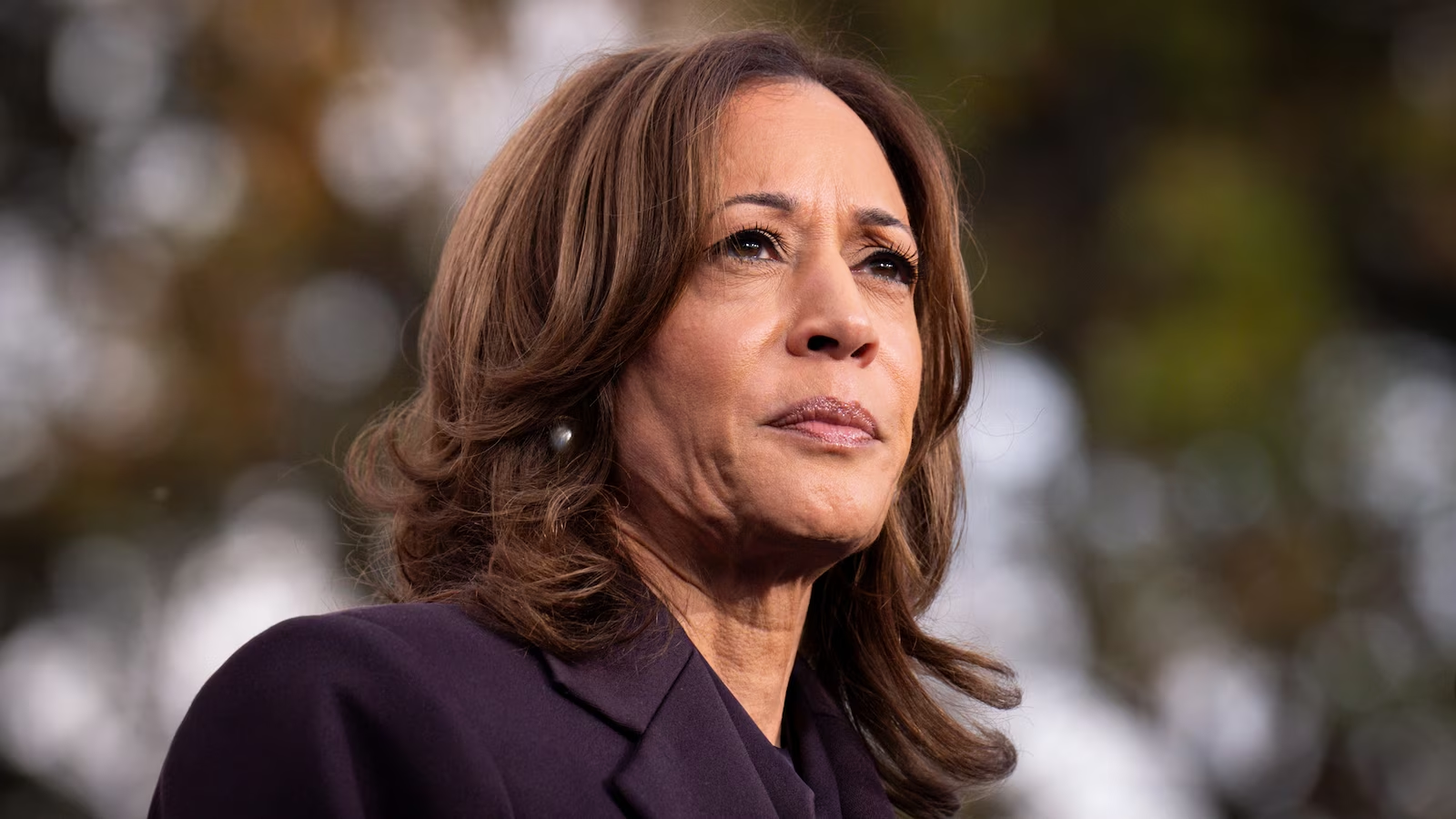
In the 2024 U.S. presidential election, despite Kamala Harris's loss, abortion rights emerged as a significant issue, with several states voting in favor of protecting abortion access through ballot initiatives. However, Donald Trump overperformed, with a notable portion of pro-abortion rights voters supporting him, highlighting a complex voter landscape where abortion is seen as a liberty issue rather than strictly partisan. This dynamic was evident in states like Arizona and Nevada, where many who supported abortion rights also voted for Trump, reflecting a nuanced voter perspective on abortion and state versus federal rights.
Abortion rights ballot measures were successful in 7 out of 10 states, reflecting strong voter support for reproductive health rights in recent state elections.
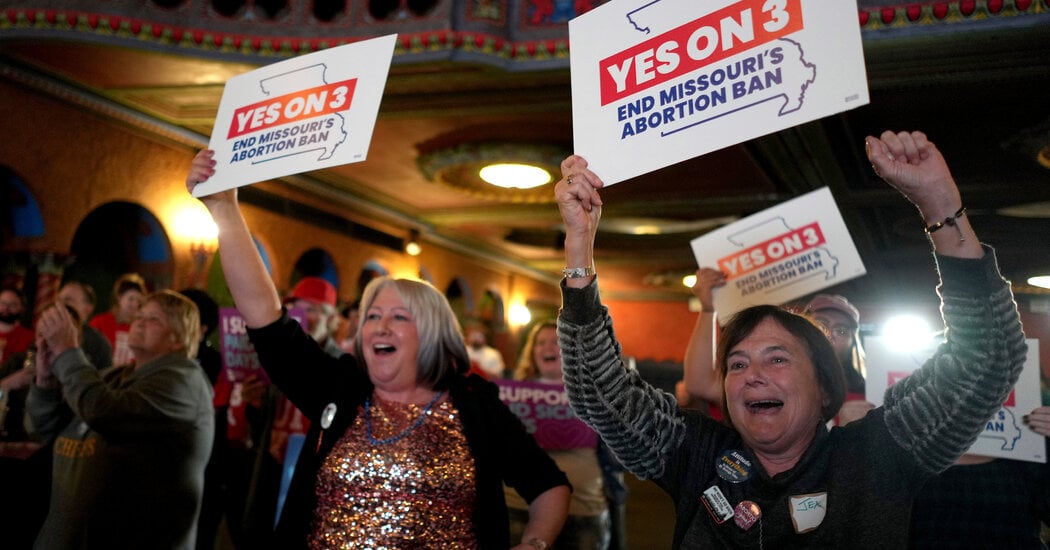
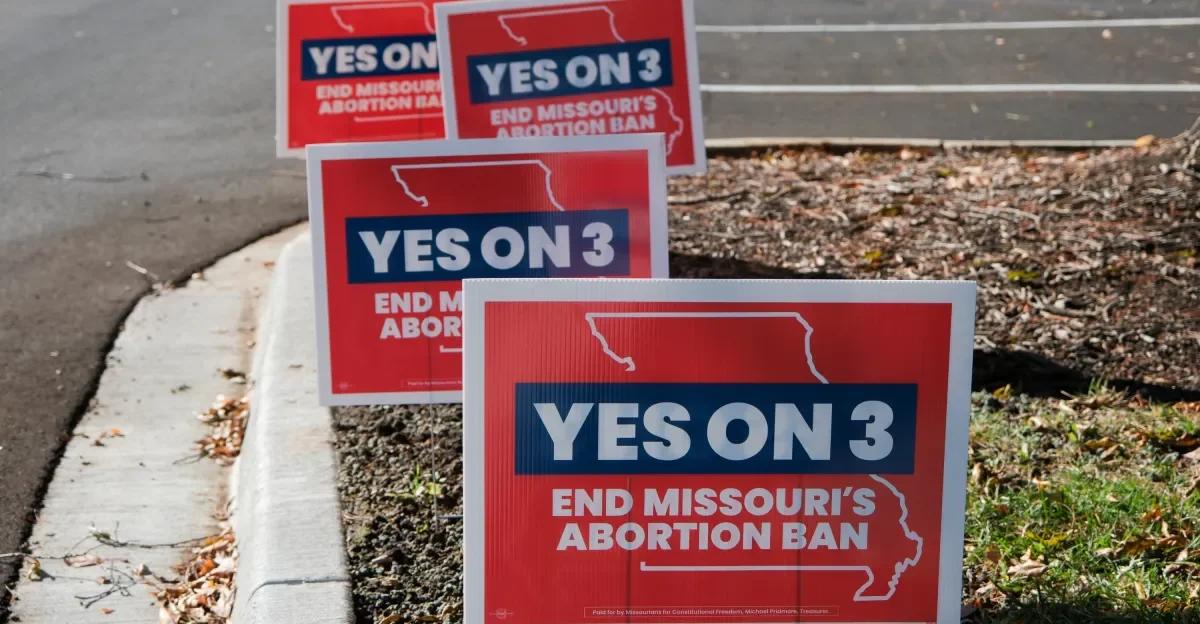
In recent state elections, seven out of ten ballot measures aimed at protecting or expanding abortion rights were approved, reflecting a trend of voter support for reproductive rights even in traditionally conservative states. This brings the total to 14 states affirming abortion rights since the overturning of Roe v. Wade in 2022. Notably, Missouri overturned its abortion ban, while Florida's measure failed to meet the 60% threshold despite majority support. The results highlight the complex political landscape surrounding abortion rights in the U.S.
In recent elections, ten states considered amendments to guarantee abortion rights in their constitutions, with seven states approving the measures. Missouri and Arizona notably expanded access, while Florida, Nebraska, and South Dakota rejected similar amendments, maintaining strict abortion laws. Some states, like Colorado and New York, codified existing protections, ensuring continued access. These results reflect a significant shift in abortion access across the U.S., with varying outcomes based on state politics and voter support.
In recent state elections, seven out of ten states passed constitutional amendments to protect or expand abortion rights, while three states—Florida, Nebraska, and South Dakota—rejected similar measures. Arizona and Missouri approved initiatives to protect abortion rights until fetal viability, while other states like Maryland and New York enshrined existing rights. Nebraska approved a measure limiting abortion to the first trimester, aligning with its current 12-week ban. The defeats in Florida, Nebraska, and South Dakota mark the first failures for pro-abortion-rights measures since Roe v. Wade was overturned.
As polls close in key states, the U.S. is witnessing near-record voter turnout in an election cycle marked by high stakes and legal battles, particularly over Florida's Amendment 4 on abortion rights. Meanwhile, Elon Musk is spending Election Night with former President Trump, highlighting his support for Trump's reelection bid. Election experts emphasize that delays in counting ballots are normal and not indicative of fraud.
On Election Day 2024, Americans are voting to decide control of the presidency, Congress, and various state and local offices. The presidential race between Kamala Harris and Donald Trump is tight, particularly in key swing states. Republicans are poised to potentially flip the Senate, while the House race remains uncertain. Additionally, voters in 10 states are deciding on abortion-related ballot measures, reflecting ongoing national debates on reproductive rights. The election results may take days to finalize, with live updates and analysis provided by 538 and ABC News.
State legislative races in several U.S. states, including Arizona, Michigan, and Wisconsin, could significantly impact key issues like abortion, gun control, and voting access. With Congress gridlocked, state legislatures have become crucial battlegrounds, influenced by recent Supreme Court rulings that empower states on various policies. Both Democrats and Republicans are heavily investing in these races, with Democrats aiming to capitalize on backlash from the overturning of Roe v. Wade, while Republicans defend their majorities. The outcomes could shape future redistricting and policy directions.
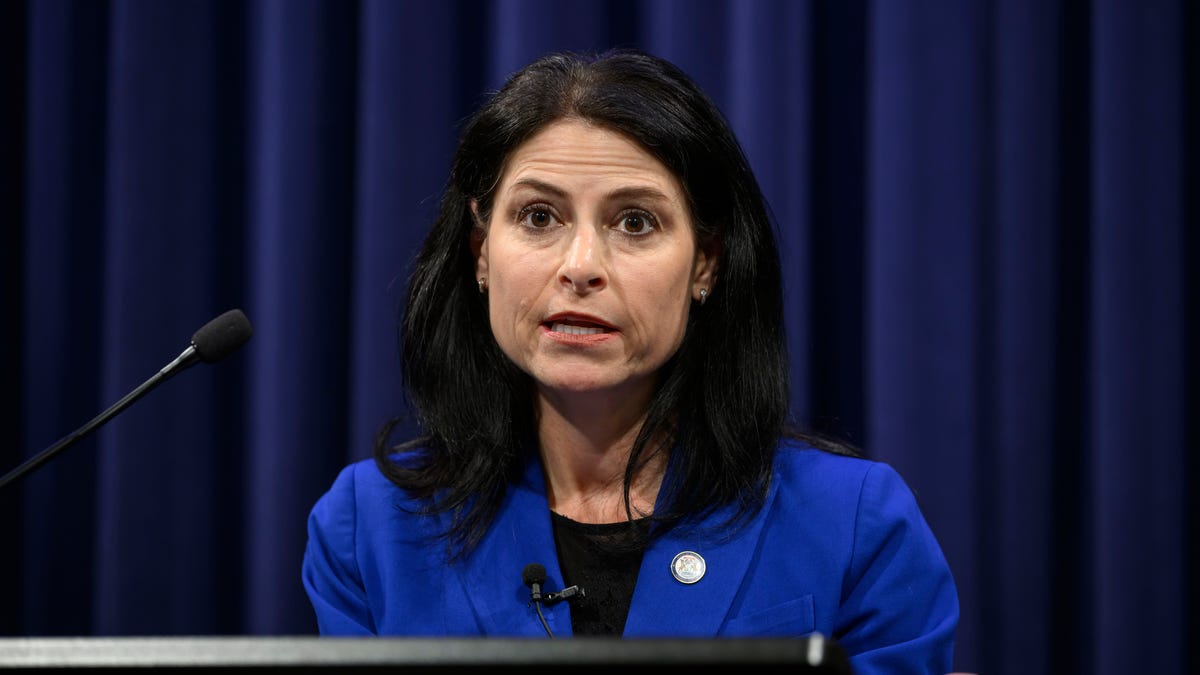
Michigan Attorney General Dana Nessel has filed a 67-page response to dismiss a lawsuit seeking to overturn the state's voter-approved protections for abortion rights, arguing that the claims are speculative and that fetuses do not possess equal protection rights. Nessel expressed concern that the U.S. Supreme Court could use the lawsuit to overturn Michigan's Reproductive Freedom for All amendment, potentially damaging faith in democracy. The lawsuit, filed by Right to Life and others, challenges the amendment as creating a "super right" to reproductive freedom that conflicts with the U.S. Constitution. Nessel's filing contends that the plaintiffs failed to demonstrate harm from the amendment and that a fetus does not possess equal protection rights.
Florida's abortion rights activists have successfully gathered over 911,000 signatures, surpassing the required threshold to place an amendment on the ballot that would protect abortion rights in the state constitution. The amendment aims to allow abortions until fetal viability, around 24 weeks. Despite the collection of signatures, the initiative faces a challenge in the Florida Supreme Court, which leans conservative and will hear arguments next month regarding the amendment's language. The campaign has seen significant bipartisan support, with a notable percentage of signatures from Republicans and non-affiliated voters. This development comes after the fall of Roe v. Wade and reflects a trend where voters in various states have supported abortion rights on the ballot.
An initiative to constitutionally protect abortion rights in Florida has gathered enough signatures to potentially be placed on the November ballot. The proposed amendment, which aims to prevent laws that prohibit or restrict abortion before viability or when necessary for the patient's health, now awaits approval from the Florida Supreme Court regarding its wording. While supporters are optimistic, State Attorney General Ashley Moody has raised concerns about the amendment's language, particularly the term "viability." The court is set to hear oral arguments on February 7.