The article discusses the complex repercussions for companies disciplining employees over social media comments about Charlie Kirk's death, highlighting the need for clear policies on speech, the limits of free speech in private workplaces, and the importance of consistent principles to navigate politically charged situations.
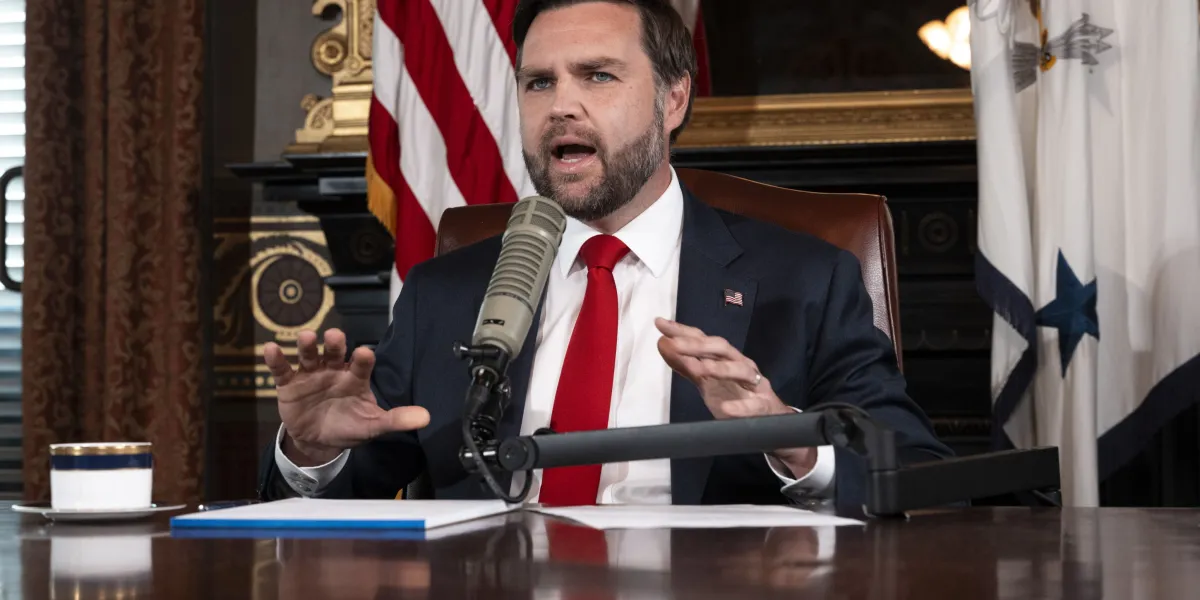
Delta and American Airlines have suspended employees for social media posts related to the shooting of Charlie Kirk, citing violations of their social media policies and values, amid broader pressure to address inappropriate online behavior by workers.
Microsoft has announced that employees are required to work in the office at least three days a week, signaling a shift towards more in-person work expectations post-pandemic.
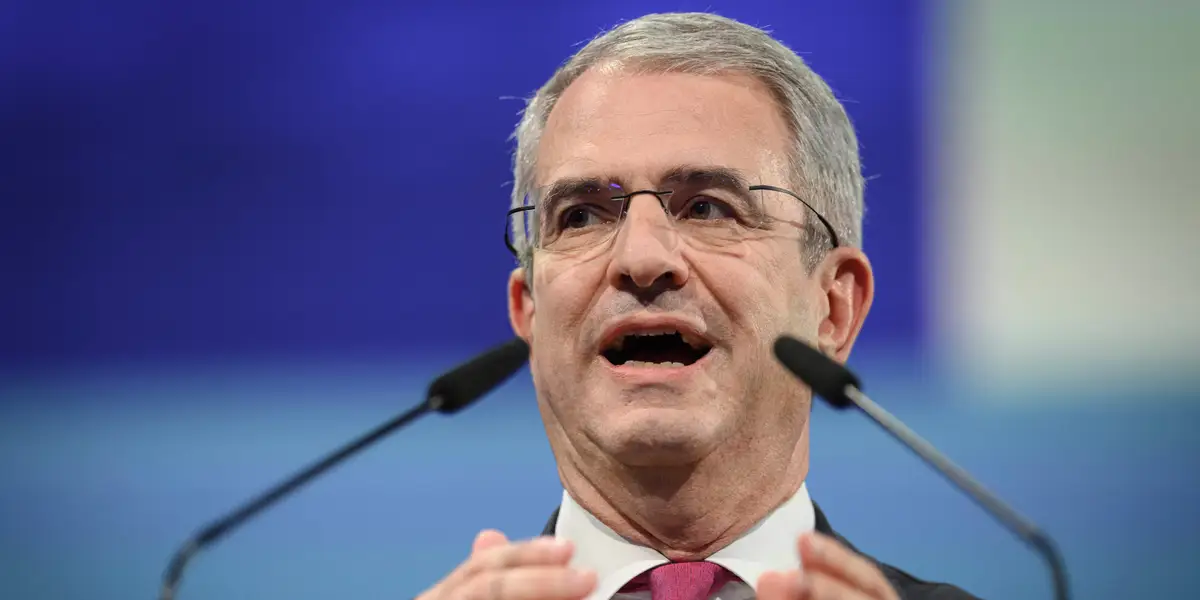
Nestlé dismissed CEO Laurent Freixe for failing to disclose a romantic relationship with a subordinate, violating company policy. Philipp Navratil, former CEO of Nestlé Nespresso, will succeed him, as the company emphasizes maintaining its strategic focus amid recent sales declines and stock price drops.
Netflix is reportedly scaling back its previously generous unlimited parental leave policy, which allowed employees to take up to a year off after the birth or adoption of a child. The company has removed specific guidelines from its culture memo, leading to concerns among employees about the clarity and security of taking extended leave. While Netflix maintains that its policy remains flexible, some employees have expressed concerns about layoffs targeting those on or returning from parental leave.
Netflix is reportedly scaling back its previously generous unlimited parental leave policy, which allowed employees to take up to a year off after the birth or adoption of a child. The company has removed specific guidelines from its culture memo, leading to concerns among employees about the clarity and security of taking extended leave. While Netflix maintains that its policy remains flexible, some employees have expressed unease, citing layoffs and ambiguous language as factors impacting their comfort in utilizing the leave.
Amazon's decision to require employees to return to the office five days a week is influencing other companies, including those in Boston, to reconsider their remote work policies. While some firms like Lupoli Companies are following Amazon's lead, others are opting for hybrid models. A KPMG survey indicates a growing trend towards in-office work, with 79% of US CEOs expecting a return to pre-pandemic office presence within three years. This shift could impact Boston's commercial real estate market, which is still recovering from high vacancy rates.
Walmart is scaling back its diversity, equity, and inclusion (DEI) initiatives, including ceasing sales of certain LGBTQ items and not renewing its commitment to the Center for Racial Equity, amid pressure from conservative activists. The company is also shifting towards a "Merit, Excellence, and Intelligence" (MEI) approach, focusing on individual qualifications over demographic considerations. This move reflects a broader trend among corporations like Ford and Boeing, which are also retreating from DEI programs. The MEI approach, advocated by leaders like Scale AI's CEO, emphasizes meritocracy while still aiming for diverse perspectives.
Walmart is phasing out several diversity, equity, and inclusion (DEI) initiatives amid increasing conservative criticism. The retailer will stop considering race and gender in supplier offers, discontinue DEI training through the Racial Equity Institute, and not renew its racial equity center. Additionally, Walmart will remove LGBTQ+ merchandise from its stores. This move follows similar actions by other companies like Lowe's and Ford, as corporate America faces heightened scrutiny of DEI programs, especially after the US Supreme Court's decision against affirmative action in university admissions.
Walmart has become the latest major corporation to scale back its diversity, equity, and inclusion (DEI) initiatives, joining companies like Toyota and Ford in response to potential conservative boycotts. The retailer is withdrawing from the Human Rights Campaign Corporate Equality Index and ending priority treatment for suppliers based on race or gender. This move follows pressure from conservative groups, bolstered by the Supreme Court's decision against affirmative action, and influencers like Robby Starbuck, who campaign against corporate DEI policies.
Walmart, the world's largest retailer, is scaling back its diversity, equity, and inclusion (DEI) policies amid pressure from conservative activists and following the U.S. Supreme Court's ruling against affirmative action. The company will not renew its commitment to a racial equity center, will stop participating in a gay rights index, and will not prioritize race or gender in supplier contracts. This move aligns with actions by other major corporations like Ford and Lowe's, reflecting a broader trend of corporate America reevaluating DEI initiatives.
Walmart, the largest private employer in the U.S., is scaling back its diversity, equity, and inclusion (DEI) initiatives following pressure from right-wing activists. The company will end racial equity training, evaluate supplier diversity programs, and review funding for Pride and other events. This move aligns Walmart with other companies like Harley-Davidson and John Deere, which have also reduced DEI efforts amid similar pressures. Activist Robby Starbuck, who campaigns against DEI programs, claimed credit for influencing Walmart's decision.
Walmart has announced a rollback of some diversity, equity, and inclusion (DEI) initiatives, including removing certain LGBTQ merchandise from its website and winding down its Center for Racial Equity. This move aligns with a trend among companies like Tractor Supply and Lowe's, which have also reduced DEI efforts following pressure from conservative activists and a Supreme Court decision against affirmative action. Despite these changes, Walmart will continue to support events like Pride parades but with stricter funding guidelines. The decision follows discussions with conservative activist Robby Starbuck, who has been critical of corporate 'wokeness.'
Walmart is revising its diversity, equity, and inclusion (DEI) policies, including removing certain products and reviewing grants, amid pressure from anti-woke activist Robby Starbuck. The company clarified these changes were planned prior to Starbuck's campaign. Walmart will discontinue its Racial Equity Center and shift focus to "belonging" in communications, while continuing to support Pride events. It also joins other companies in withdrawing from the Human Rights Campaign Corporate Equality Index.
Major corporations like Disney and Amazon are facing backlash for mandating a return to office, as remote work has become a valued employee benefit. The article argues that forcing employees back to the office is a mistake, as remote work offers flexibility, improved mental health, and competitive advantage. It suggests that companies should allow managers to decide on work arrangements, focusing on results rather than location.