Since invading Ukraine, Russia has intensified its crackdown on online freedom by introducing fines for searching extremist content, considering banning WhatsApp, and developing a domestic messaging app called Max, amid internet outages and increased control over digital communication.
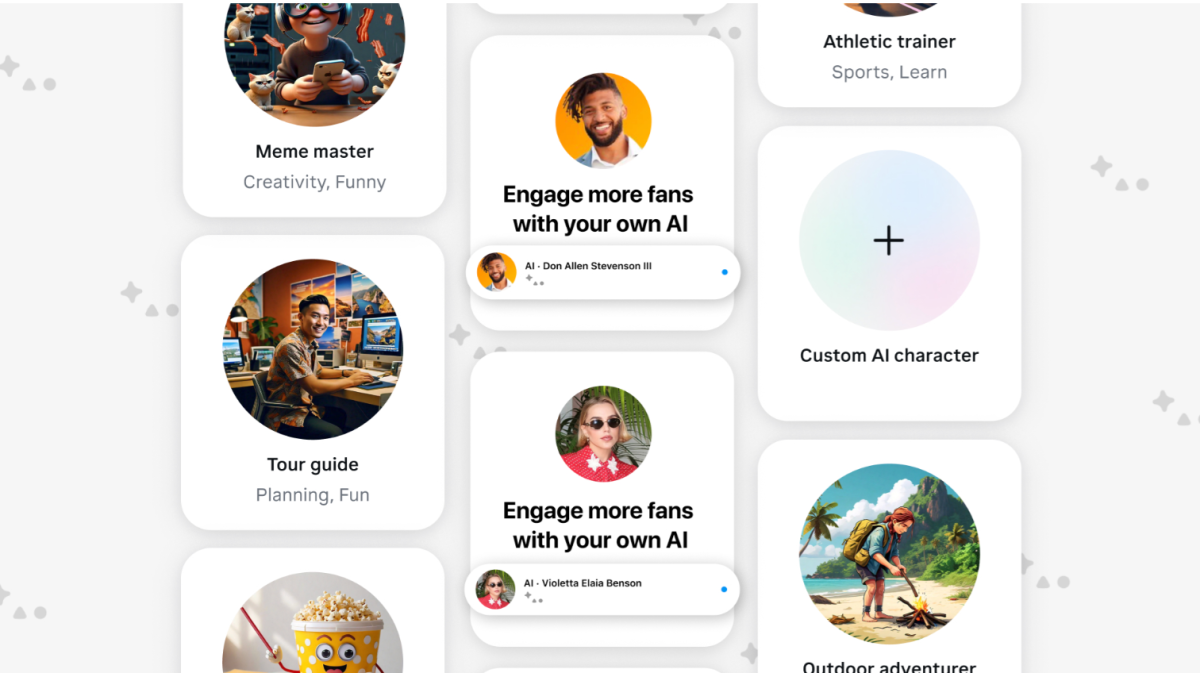
Meta is testing proactive AI chatbots on messaging platforms like Messenger and WhatsApp that initiate conversations and follow up with users within 14 days, aiming to increase engagement and explore monetization options, while addressing safety and privacy concerns.
The article discusses the decline of traditional SMS and RCS messaging due to increasing spam and security concerns, highlighting WhatsApp's new features like usernames and PINs to enhance privacy, and contrasting this with new offerings from X and ongoing developments in encrypted messaging, suggesting a shift towards more secure, protected messaging platforms.
The FBI has issued a warning to iPhone and Android users to switch to encrypted messaging apps like WhatsApp, Signal, and Facebook Messenger, but also emphasized the need for these platforms to adopt 'responsibly managed' encryption. This would allow tech companies to provide readable content in response to lawful court orders, a move that has sparked debate over privacy and security. The warning comes amid concerns over Chinese cyberattacks on U.S. telecom networks, and new legislation is being proposed to enforce cybersecurity rules. The debate over encryption and privacy continues, with public opinion playing a crucial role in potential changes.
After nearly 28 years, the pioneering messaging service ICQ will cease operations on June 26. Created by four Israeli developers in the late 1990s, ICQ laid the groundwork for modern direct messaging and social networking. Despite its early popularity, it eventually lost ground to competitors like AIM and MSN. Acquired by AOL and later by Russian company VK, ICQ has been kept alive as a niche service. The announcement has prompted nostalgic memories from users who recall its unique features and early online social interactions.
ICQ, a once-popular messaging app from the 90s and early 2000s, will shut down on June 26. Users are encouraged to switch to VK Messenger for casual chats and VK WorkSpace for professional use. ICQ, known for its iconic "uh-oh!" notification sound, was developed by Mirabilis, later acquired by AOL, and then by Mail.Ru Group (now VK).
Automattic, the owner of WordPress and Tumblr, has acquired Beeper, the maker of the Beeper Mini app that briefly challenged Apple's iMessage dominance. The $125 million acquisition will merge Beeper's universal messaging app mission with Automattic's existing Texts app, with plans to launch a combined service later this year. The move comes amid increasing regulatory scrutiny on tech giants and their control over messaging platforms, as well as Apple's upcoming support for RCS on iPhones. Despite Beeper Mini's short-lived iMessage integration on Android, Automattic's CEO sees a future favoring cross-platform, universal messaging apps, and the acquisition may also be attributed to the brand Beeper built in taking on Apple.
Google Messages is testing a new photo preview screen on Android, which appears after taking a picture using the inline camera. This feature provides a fullscreen preview of the shot and allows users to write a message before sending. It is currently only available on some devices running the latest Google Messages beta and does not work with images from the gallery. This change suggests that many users take pictures inside Google Messages, and it brings the app more in line with other messaging platforms.
WhatsApp for Android is set to introduce voice message transcription, a feature that has been available on iOS since last year. The code for the feature was spotted in the latest WhatsApp beta release, indicating that it may be coming soon. The feature will allow users to download 150mb of additional data to enable voice message transcripts, providing a convenient way to read messages before listening to them.
WhatsApp is set to introduce a feature allowing users to enable third-party chats for specific platforms, potentially offering more control over incoming messages from rival messaging apps. A screenshot suggests that users may be able to choose which apps to allow for third-party chats, enhancing privacy and security. However, the feature may be limited to European users due to legal requirements, and it's noted that group chats, voice, and video calls won't be supported.
WhatsApp is set to undergo a major transformation as it prepares to comply with the Digital Markets Act, allowing third-party messaging apps to integrate with the platform. This move, expected to roll out soon, will enable users in the European Union to communicate across different messaging apps seamlessly. While the feature will offer greater convenience, it comes with limitations such as no support for group chats or calls with third-party apps, and users will have the option to manually activate the interoperability service.
Major companies like Walmart, Delta, T-Mobile, Chevron, and Starbucks are reportedly using AI software from a startup called "Aware" to monitor employee conversations on messaging apps like Slack and Microsoft Teams for keywords indicating dissatisfaction and safety risks. This has raised privacy concerns among remote workers, with some feeling it's sneaky and flawed, while others are less bothered. The use of AI for employee monitoring reflects the shift to remote work and the growing reliance on digital communication platforms like Slack and Microsoft Teams.
Apple is enhancing the security of its iMessage platform by introducing the PQ3 post-quantum cryptographic protocol, designed to protect encryption from quantum attacks. This new protocol, which achieves what Apple calls "Level 3 security," integrates the Kyber algorithm for post-quantum cryptographic needs and features periodic post-quantum rekeying for maximum security. The hybrid model implemented by Apple combines PQ3 with Elliptic Curve Cryptography to ensure robustness against existing and future attacks. This move sets a new industry standard for communication security in messaging apps.
iPhone users are excitedly discovering a new way to use emojis by dragging them into text boxes on their devices, where they expand into larger images. This feature is available on messaging apps like WhatsApp and Messenger, and users can even convert emojis into stickers. The revelation has sparked surprise and excitement among users, with many expressing amazement at this newfound capability. Additionally, Emojipedia has approved 118 new emojis, set to be released with iOS 17.4, including a phoenix, shaking head, and gender-neutral families.
WhatsApp is set to undergo a major change, allowing users to send and receive messages from other messaging apps while maintaining end-to-end encryption. This move comes in response to EU regulations and will require users to opt in to receive messages from third-party apps in a separate section of their WhatsApp inbox. Additionally, WhatsApp is also working on introducing usernames to enhance privacy and security by minimizing the need to share personal phone numbers when initiating chats.