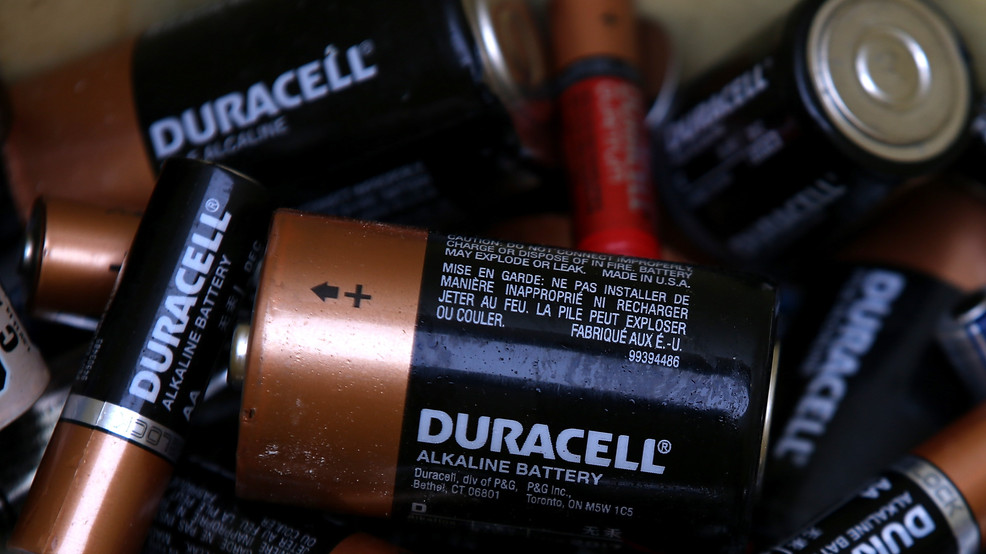
California has implemented a new 1.5% fee on products with nonremovable batteries, such as PlayStations and power tools, to fund proper recycling and reduce fire hazards associated with lithium-ion batteries, which are increasingly prevalent and pose safety risks at waste facilities and in the environment.
Starting January 1, California will impose a 1.5% fee (capped at $15) on all products with embedded non-removable batteries, such as PlayStations and power tools, to fund proper disposal and reduce fire hazards associated with lithium-ion batteries, which pose risks at recycling facilities and in the environment.
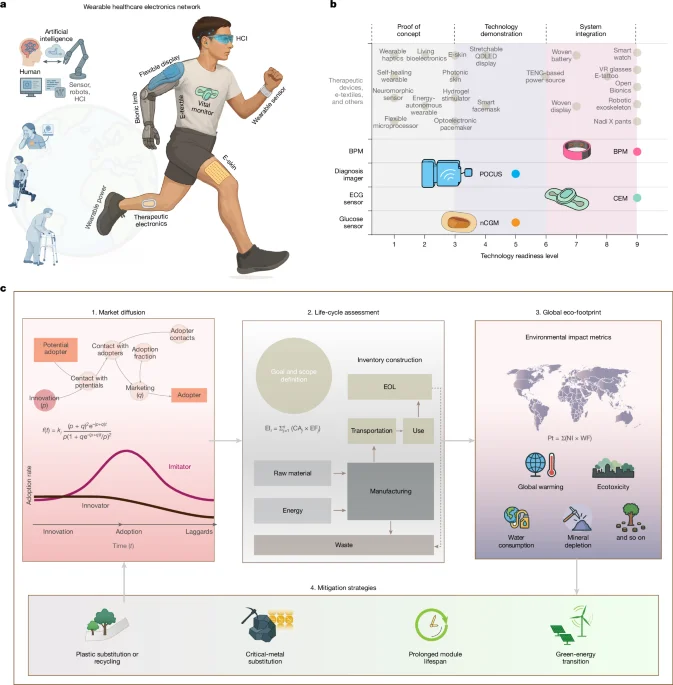
The article discusses the environmental impact and sustainability challenges of wearable healthcare electronics, emphasizing the importance of quantifying their eco-footprint through life cycle assessments and exploring strategies for reducing electronic waste and environmental impacts.
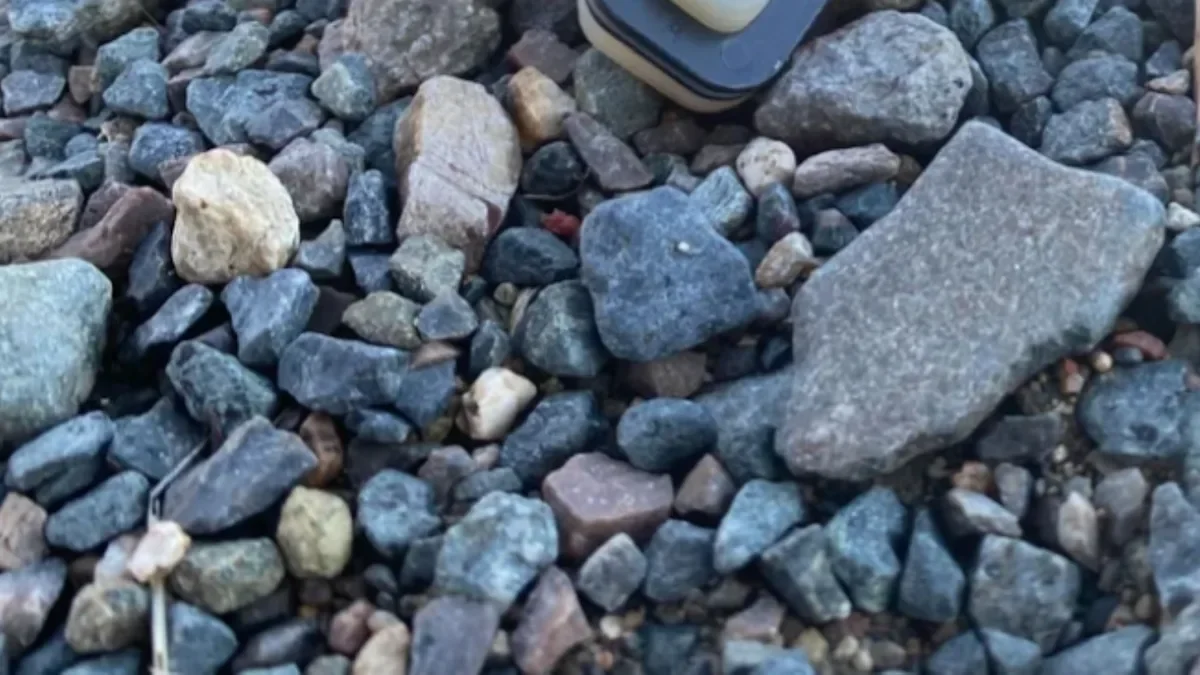
A homeowner found a mysterious device in their driveway, which was identified as a disposable vape. This highlights the widespread issue of disposable vape littering, with nearly 500,000 discarded daily, posing environmental and safety hazards due to toxic batteries that can cause fires and pollute soil and water. Many believe reusing or repurposing these devices could mitigate the problem, but convenience often leads to disposal instead.
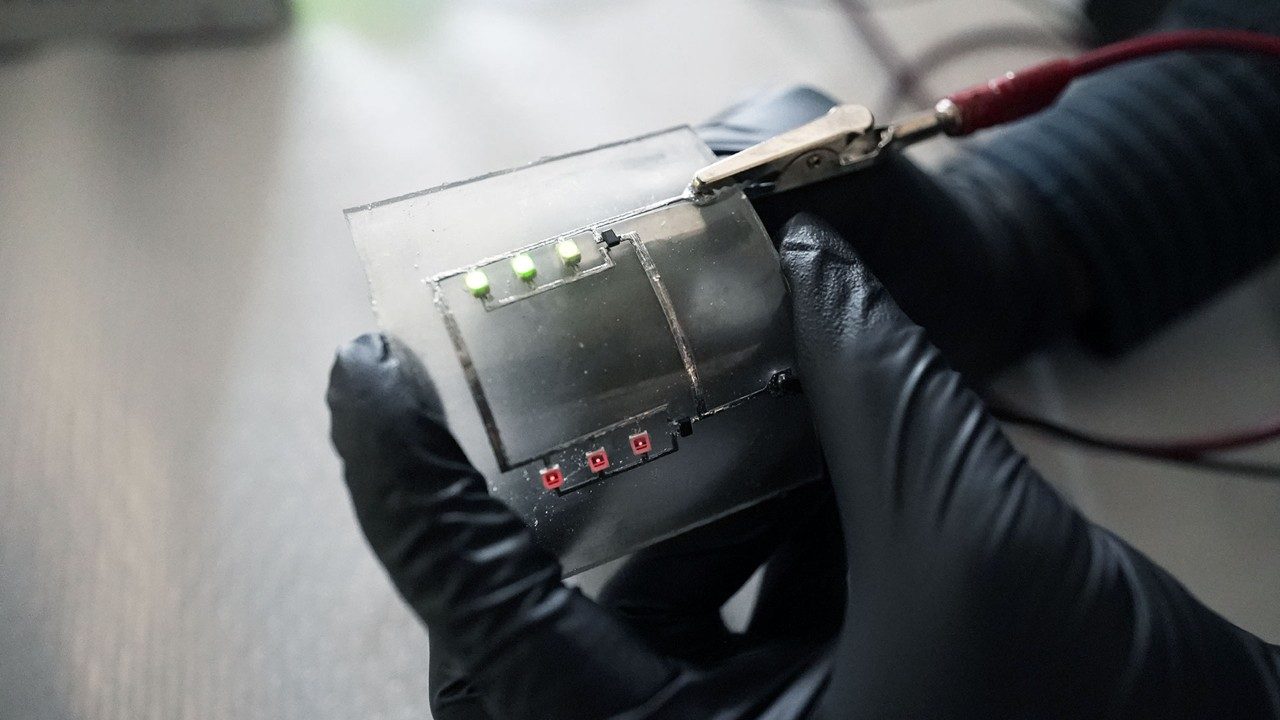
Scientists have developed a new type of self-healing, reconfigurable circuit board using vitrimer and liquid metal droplets, which can withstand damage, be reshaped with heat, and are recyclable, offering a sustainable alternative to traditional, non-recyclable circuit boards and addressing the growing issue of electronic waste.
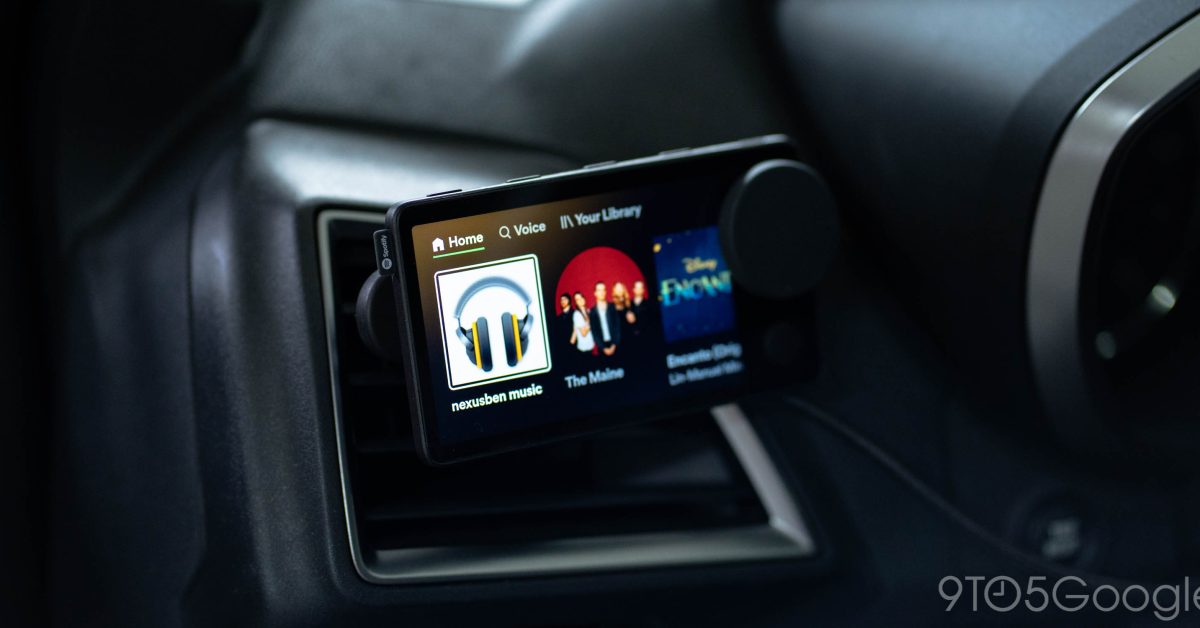
Spotify has announced that it will remotely disable all Car Thing devices by December 2024, effectively bricking them. Despite this, the company is not offering refunds to customers. The Car Thing, a device designed to control Spotify through car speakers, will no longer be operational, and Spotify advises users to dispose of it following local electronic waste guidelines.
Spotify will cease operation of its Car Thing device by December 9, 2024, and advises users to reset and dispose of the units following local electronic waste guidelines. The device, launched in early 2022 and discontinued months later, will no longer function after the specified date.
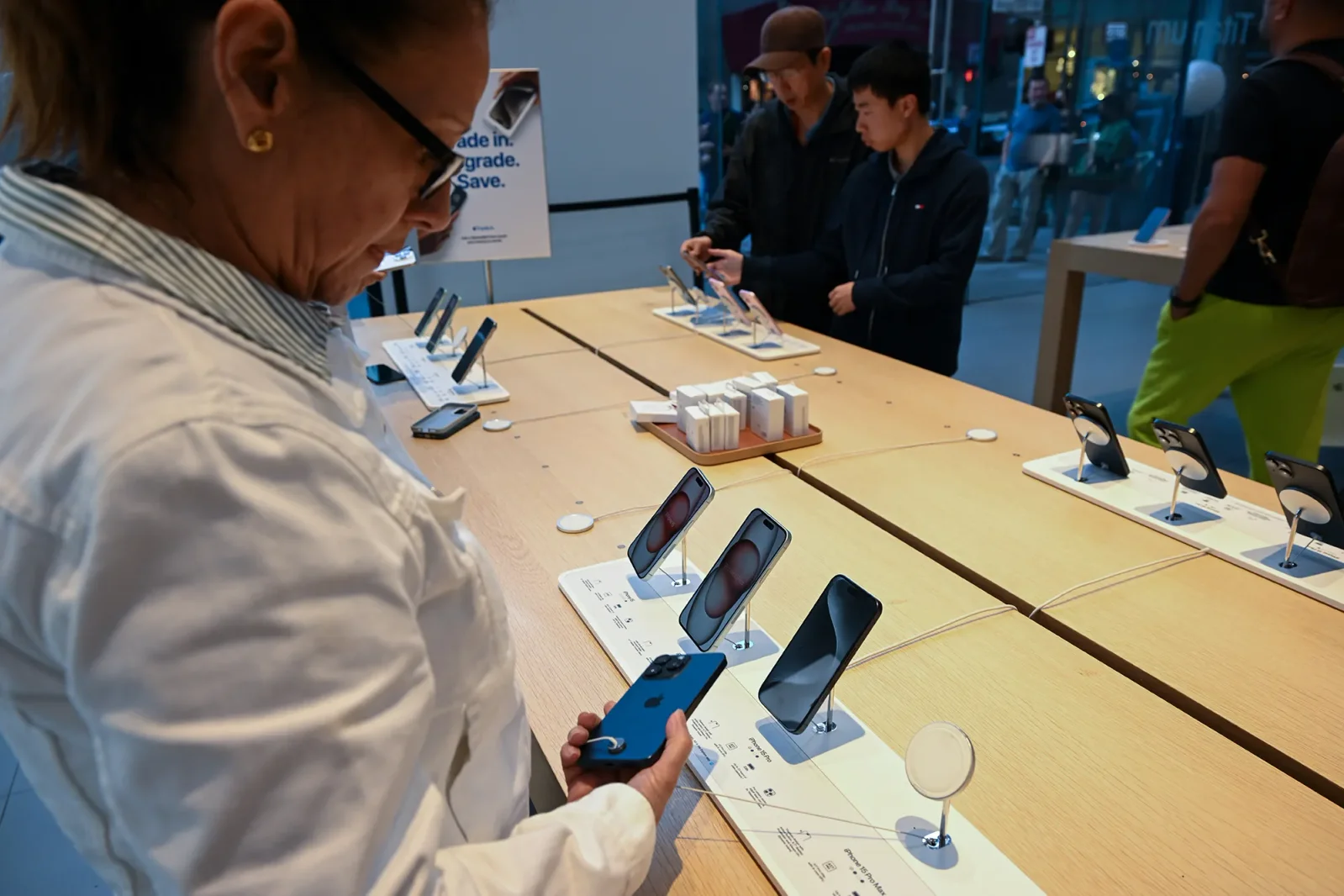
Before buying a new phone, consider the environmental impact and the precious raw materials used in its production, as well as the potential threat to the environment and human health from improper disposal. The energy used to make a new phone could power it for 73 years, making it important to explore alternatives to purchasing a new device.
Global electronic waste, or e-waste, has reached record levels, growing five times faster than rates of recycling and posing significant health, environmental, and climate problems. With only 22.3% of e-waste collected and recycled in 2022, the gap between e-waste generation and recycling capacity continues to widen, with the recycling rate predicted to drop to 20% by 2030. E-waste not only contributes to pollution and health risks but also has a significant climate impact due to the energy-intensive extraction of raw materials for electronic devices. Better management and recycling of e-waste can reduce global carbon pollution and reclaim valuable metals, but enforcement of e-waste legislation and investment in infrastructure development are crucial to address this growing crisis.
Seattle has implemented a new ban on throwing batteries and certain electronic products in the garbage due to the hazardous substances they contain, posing risks to human and environmental health. Residents can schedule curbside pickups for electronics and batteries or use drop-off options for proper disposal. The ban aims to prevent fires and reduce the negative impacts of toxic materials on the environment, emphasizing the importance of recycling these items to create new products and prevent harm from improper disposal.
Apple has announced its support for a U.S. right-to-repair bill, as part of President Joe Biden's push for increased competition and consumer protection. The company will make parts, tools, and documentation needed for repairs available to independent repair shops and consumers nationwide. Apple's decision aims to address complaints from consumer advocates about the difficulty and expense of fixing its devices. The move also aligns with Apple's focus on device longevity and resale value, as well as reducing electronic waste. Several states have already passed their own right-to-repair laws, and Apple's support could encourage other companies to follow suit. However, some consumer advocates remain cautious and will closely monitor the details of any federal legislation that emerges.
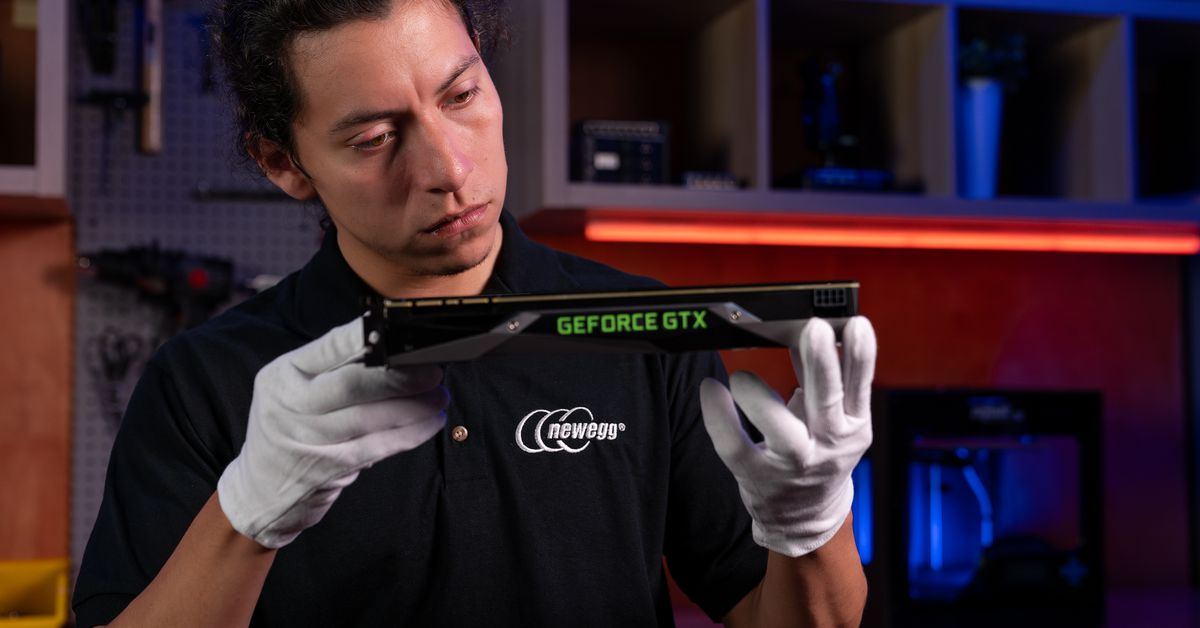
Newegg has launched its Trade-In Program, allowing customers to trade in their old graphics cards for a trade-in credit towards a new one. The estimated trade-in values range from $30 to $561, depending on the card. Newegg refurbishes the traded-in GPUs and resells them with a 30-day warranty. The program aims to reduce electronic waste and offers convenience for customers, although higher payouts may be available elsewhere.
When disposing of an old Android phone, it is important to back up any data and recycle the device properly. If the phone is still functioning, data can be transferred to a new device or backed up manually or through a cloud service. If the phone is non-functioning, it should not be thrown in the trash due to the lithium battery. Instead, it can be recycled for free at electronics stores or through online programs like Amazon or Google. Trade-in programs are also available for functioning devices.
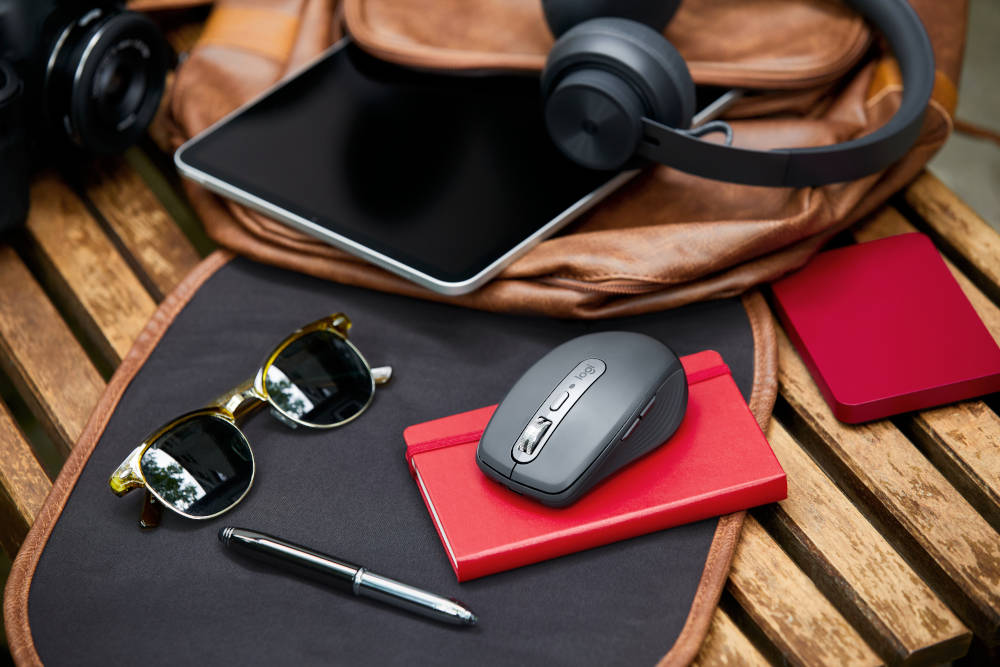
Logitech has partnered with iFixit to offer repair components and guides for its MX Master and MX Anywhere computer mice, with the aim of reducing electronic waste. The move is part of Logitech's commitment to sustainable design and increasing the lifespan of its products. The repair program will initially offer new batteries, feet and screws for the mice, with other parts to be added later. The partnership comes as French officials investigate Apple over its use of serial number pairing for repair parts, which restricts repairability.
The European Union has warned Apple not to encrypt the USB Type-C interface on its upcoming iPhone 15 series, as it would restrict third-party data cables and violate EU laws. The EU has passed a law requiring all new mobile phones, tablets, and laptops sold within its borders to have a common charging port by 2024 and 2026, respectively, to reduce electronic waste and make life easier for users. The law will require Apple to switch to the USB-C connector, which could result in additional costs for the company.