A nonprofit called the New England Consumer Alliance, linked to the Center for Responsible Food Business, has spent at least $116,000 on anti-Hannaford advertising in Maine, raising concerns about ownership, prices, and food quality, but Hannaford denies the claims and emphasizes its commitment to animal welfare and quality standards.

Consumer Reports is urging Microsoft to extend support for Windows 10 beyond the October 14 deadline, citing concerns over millions of users with incompatible hardware for Windows 11 and the potential cybersecurity risks of ending free updates, while criticizing Microsoft's pricing and support policies.
Senator Sherrod Brown and Sesame Street's Cookie Monster have both criticized companies for "shrinkflation," where products are getting smaller while prices remain the same or increase. President Biden has also spoken out against this practice, urging companies to stop taking advantage of consumers. The issue has sparked a call for consumer advocacy and accountability for big corporations.
AT&T experienced a widespread outage affecting tens of thousands of customers due to an internal error, prompting the company to offer credits to affected consumers. Consumer advocates advise affected individuals to proactively request compensation from their service providers in the event of outages, as federal regulations for wireless services are not as robust as those for the airline industry. This incident highlights the importance of consumers asserting their rights to reimbursement for service disruptions.
Phone companies like AT&T are seeking to eliminate traditional landline services, citing old technology and low demand, but consumer advocates argue that this move would leave vulnerable populations, such as senior citizens and those in rural areas, without a basic utility. Concerns include the potential loss of reliable communication during emergencies, increased costs for alternative services, and the impact on essential systems like home-alarm systems and business equipment. The California Public Utilities Commission is considering AT&T's request to waive its obligation to provide copper-wire landline service, sparking public hearings and opposition from consumers.
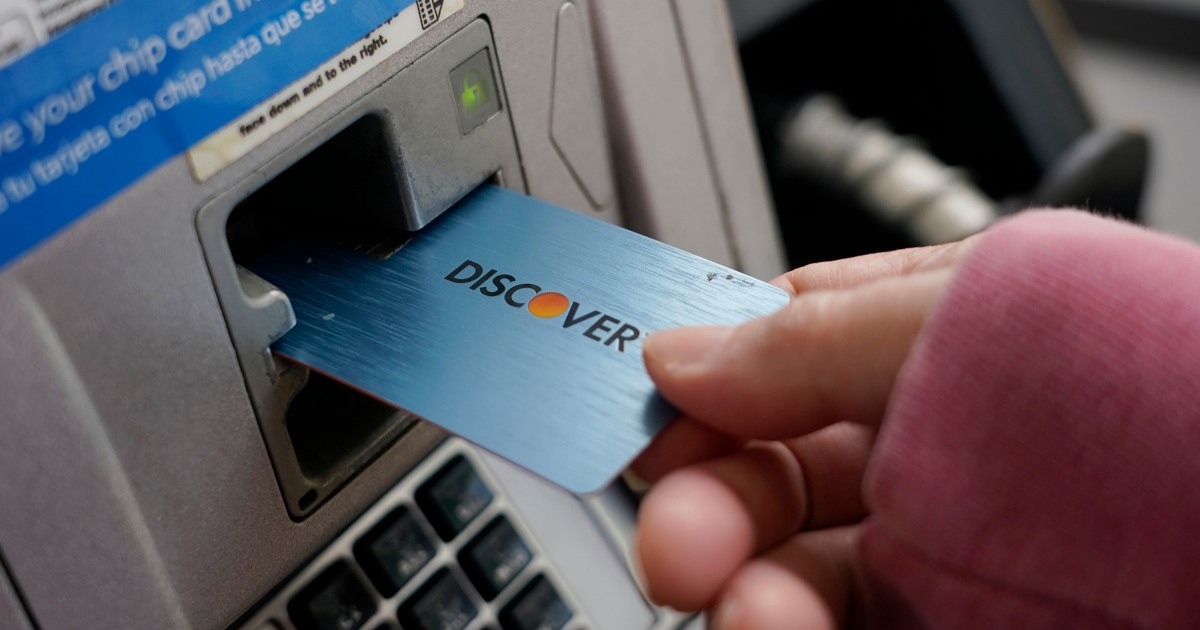
Capital One's proposed $35.3 billion acquisition of Discover has raised concerns among consumer advocates and lawmakers about potential negative impacts on credit card users, including increased fees and credit costs. Experts warn that a shrinking credit card market dominated by a few large players could lead to reduced competition and fewer options for consumers. The merger faces regulatory scrutiny and could take at least a year to complete, with potential longer-term impacts on consumers. If approved, the deal could lead to changes in credit card rates and rewards programs for customers of both companies.
President Joe Biden called out snack companies for engaging in "shrinkflation," where products are downsized while prices remain the same or increase, labeling it a "rip off." This practice has become more prevalent amid high inflation, prompting consumer awareness and concern. Senator Bob Casey also criticized the trend, citing a report that detailed its effects on household products. Consumers are advised to monitor product sizes and be mindful of downsizing tactics when making purchases.
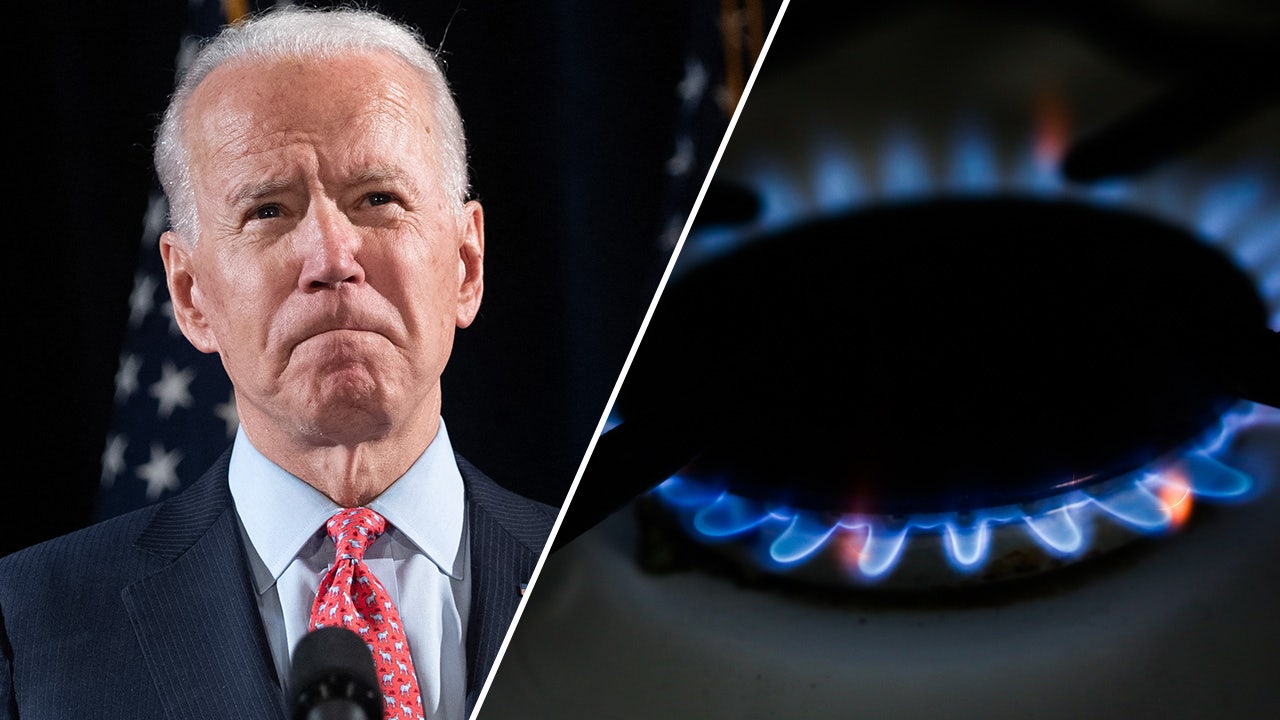
The Biden administration has finalized energy efficiency regulations targeting gas-powered stovetops, but backed off a more aggressive proposal after substantial criticism. The regulations, set to go into effect in early 2028, reflect a compromise recommendation issued by stakeholders including the Association of Home Appliance Manufacturers. The original proposal, which would have impacted 50% of gas stove models, has been significantly altered, now impacting just 3%. While some stakeholders expressed concern over the lack of consumer input and DOE's overarching authority to issue such regulations, others see it as a win for consumers.
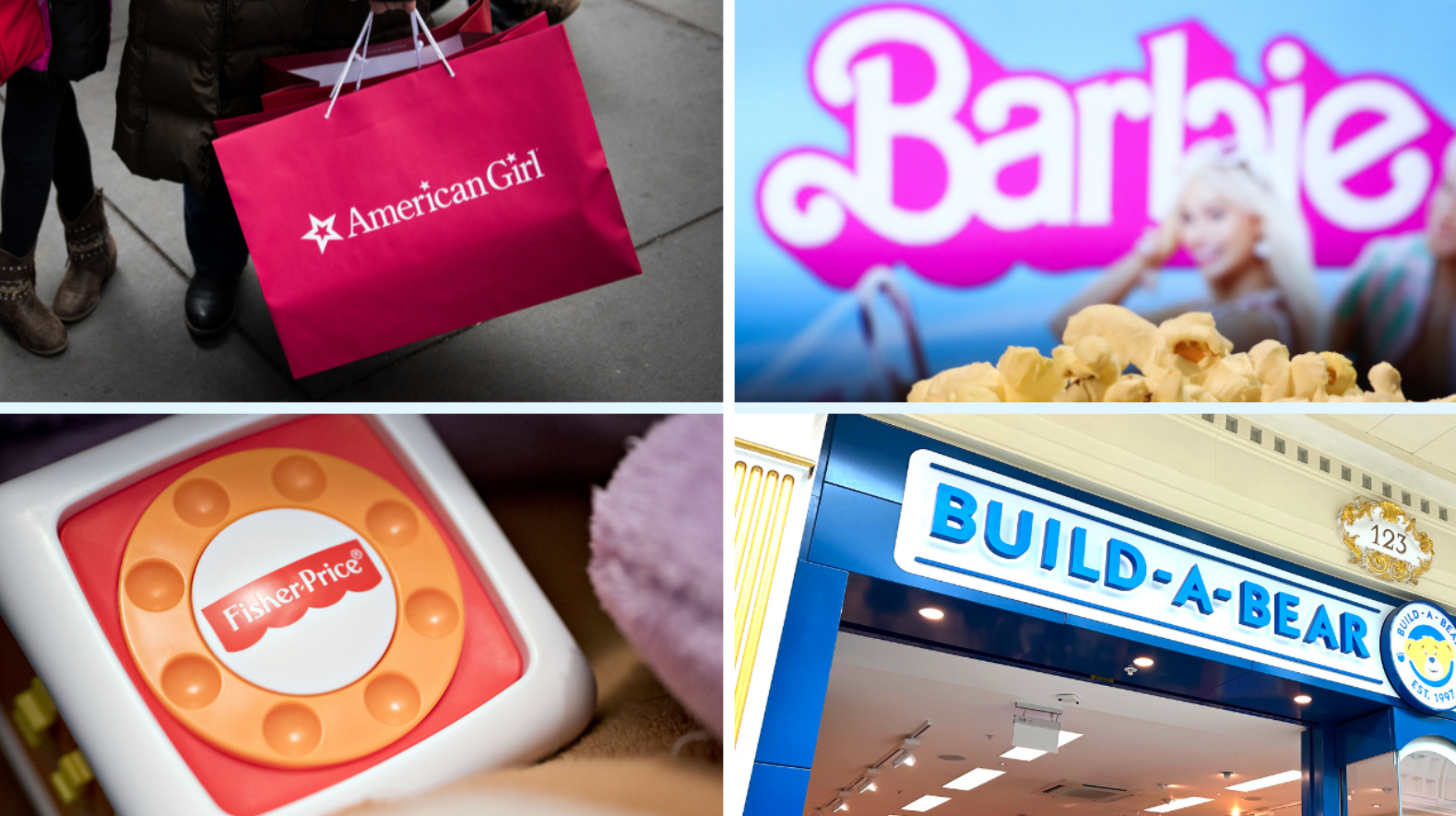
Consumer experts warn that toy companies like Mattel, Hasbro, Build-A-Bear, and Fisher Price are pushing "woke" toys, including gender-neutral dolls and transgender-themed books, prompting criticism from Americans who argue the industry is attempting to push a narrative with the help of local government and liberal-leaning Wall Street. A new California law requires stores with more than 500 employees to include a "gender-neutral" toy section or face a fine, sparking conservative boycotts. Critics argue that these toys are "100% about pushing a narrative" and are being forced on consumers, leading to concerns about the politicization of children's toys and the broader pattern of pushing political preferences in the investment space.
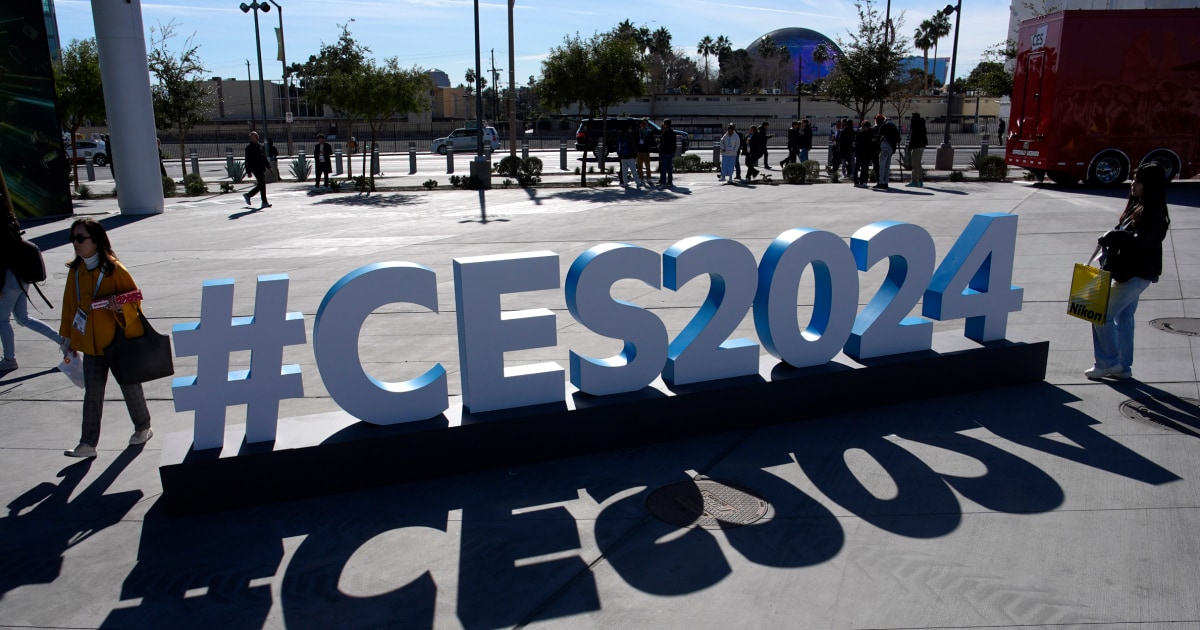
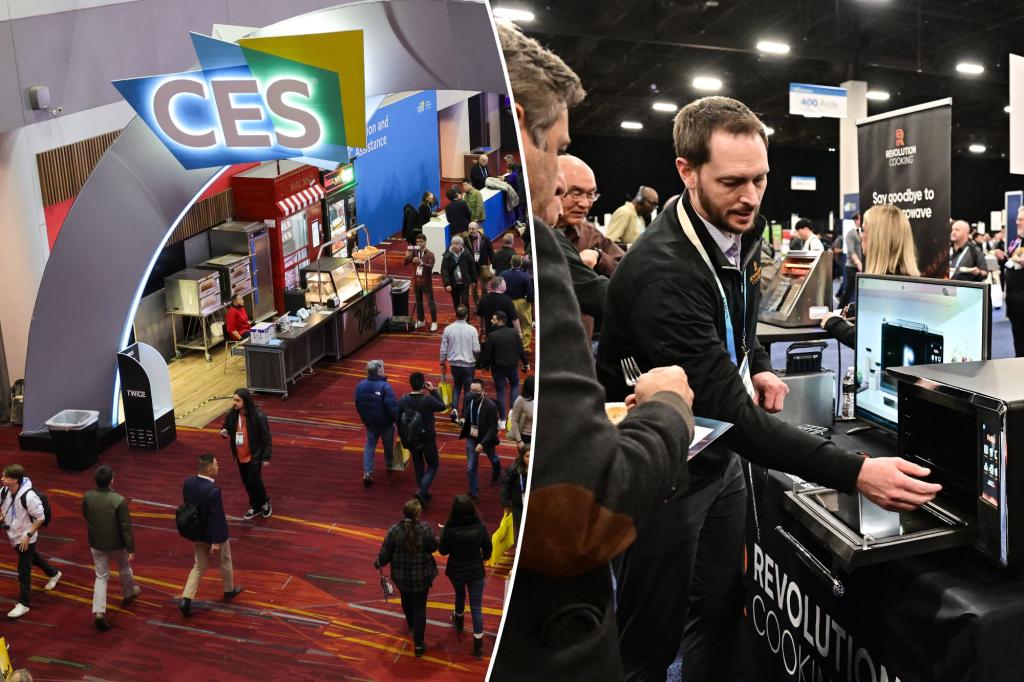
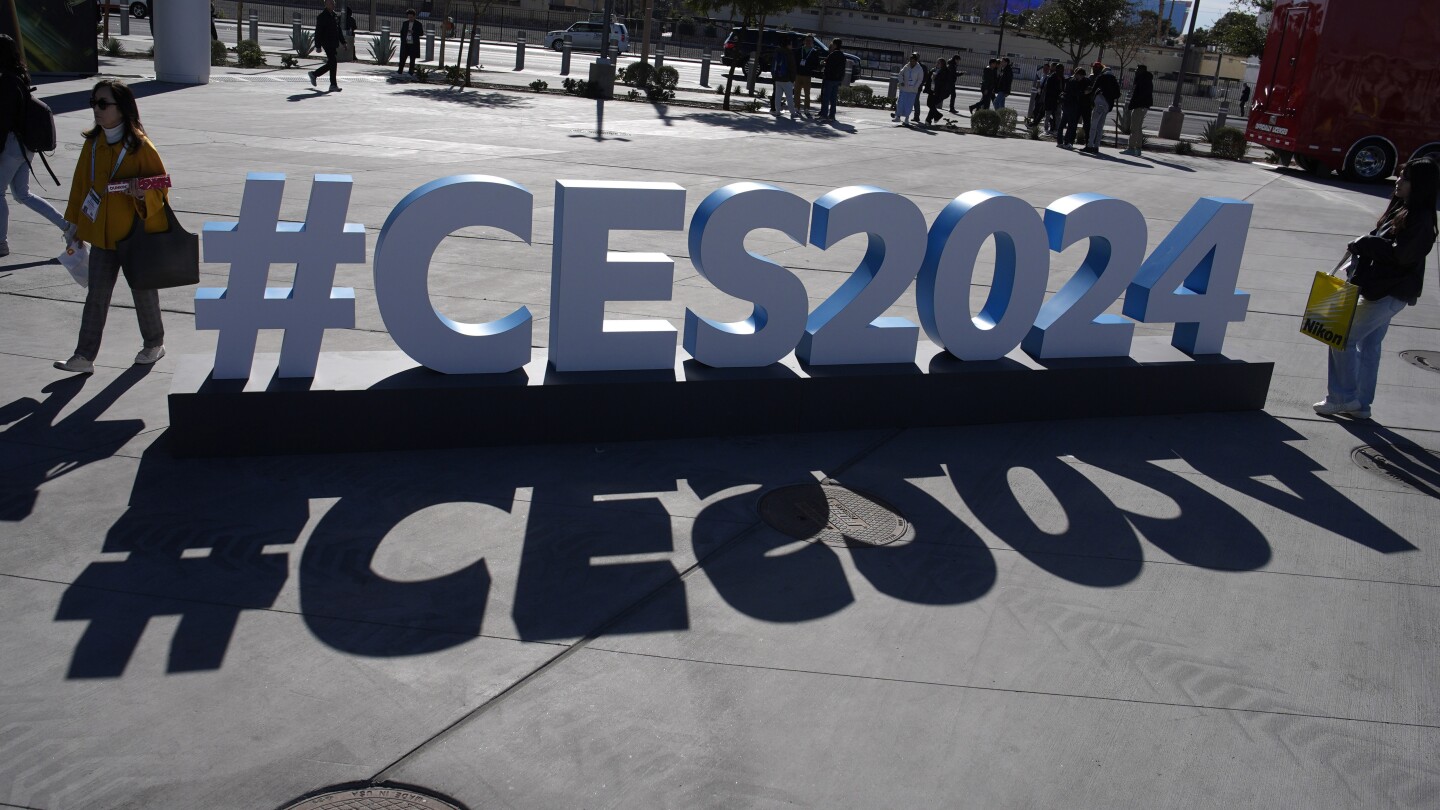
Consumer and privacy advocates have named the "Worst in Show" products at CES, including BMW's partnership with Amazon's Alexa for car voice assistance, Sennheiser's disposable earbuds, Instacart's AI-powered shopping cart with video ads, Ecovacs' robot vacuum with intrusive home surveillance features, and Revolution Cooking's "macrowave" that increases environmental impact. These products were criticized for jeopardizing safety, encouraging overconsumption, and normalizing privacy violations, prompting concerns from advocates about their potential negative impact on society and the environment.
A panel of experts has revealed the "Worst in Show" products at CES 2024, including BMW's Alexa partnership raising privacy concerns, Sennheiser's disposable earbuds, Instacart's AI-powered shopping cart displaying real-time ads, Ecovacs' intrusive robot vacuum, and Revolution Cooking's "macrowave" combining a microwave with a convection oven, all criticized for potential harm to safety, privacy, overconsumption, and environmental impact.
Consumer and privacy advocates have named the "Worst in Show" products at CES, including easily hackable lawn mowers, disposable $300 earbuds, intrusive car technology, AI-powered shopping carts pushing junk food, and internet-connected appliances with environmental impact. The judges, representing groups like Consumer Reports and the Electronic Frontier Foundation, criticized these products for jeopardizing safety, encouraging overconsumption, and normalizing privacy violations. BMW's partnership with Amazon's Alexa and Sennheiser's earbuds were among the criticized products, while Instacart's AI-powered shopping cart and Ecovacs' robot vacuum also faced scrutiny.
Starbucks is being sued by a U.S. consumer advocacy group for allegedly misleading customers with claims of "100% ethical" sourcing for its coffee and tea products, despite procuring from farms and cooperatives with documented human rights and labor abuses. The company plans to defend itself against the allegations, citing its ethical sourcing program as "best-in-class." This lawsuit is part of a growing trend of scrutiny over potentially misleading claims on food packaging, and follows previous legal action against Starbucks for similar issues.
Starbucks is being sued by the National Consumers League for allegedly falsely advertising its coffee and tea products as "100% ethically sourced" while sourcing from cooperatives and farms with documented human rights and labor abuses. The company plans to defend against the claims and states that it takes such allegations seriously. The lawsuit seeks to restrict Starbucks from deceptive advertising and calls for reform in its sourcing practices to ensure fair treatment of workers.
A consumer advocacy group is suing Starbucks for allegedly misleading the public by marketing its coffee and tea products as "100% ethical" while knowingly sourcing from farms with documented human rights and labor abuses in Guatemala, Kenya, and Brazil. The lawsuit aims to prevent Starbucks from making such claims unless it improves labor practices within its supply chain. While Starbucks uses third-party certification programs to oversee its coffee sourcing, experts argue that these mechanisms are flawed and not effectively addressing issues like forced labor and child labor.