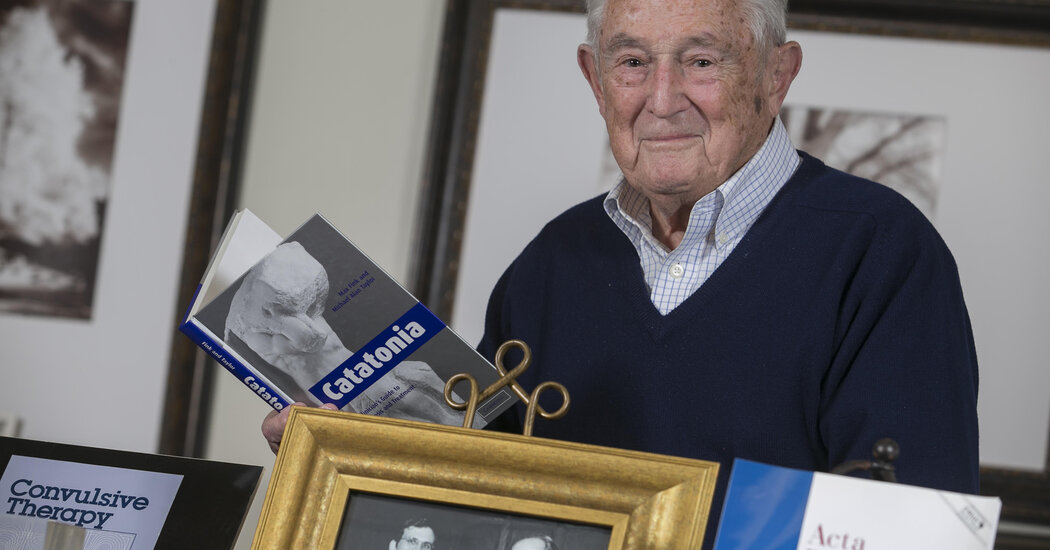
Max Fink, a pioneering psychiatrist and neurologist who championed the use of electroconvulsive therapy (ECT) for severe depression, died at 102. He dedicated his career to demonstrating ECT's effectiveness, despite opposition and misconceptions, and authored numerous influential works on the subject.
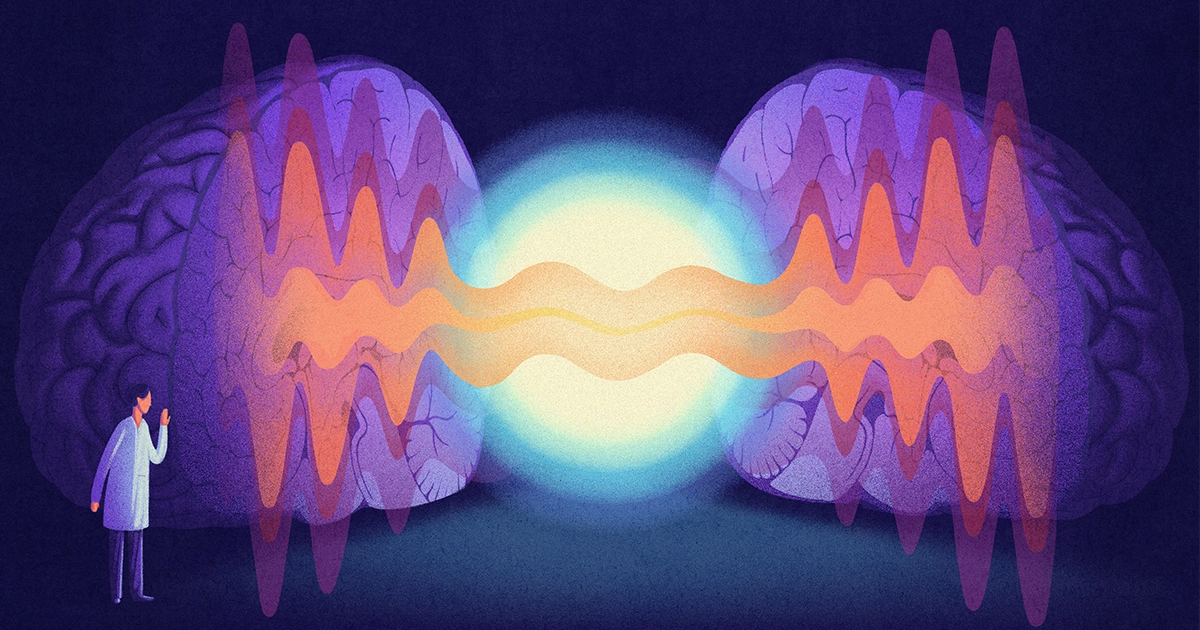
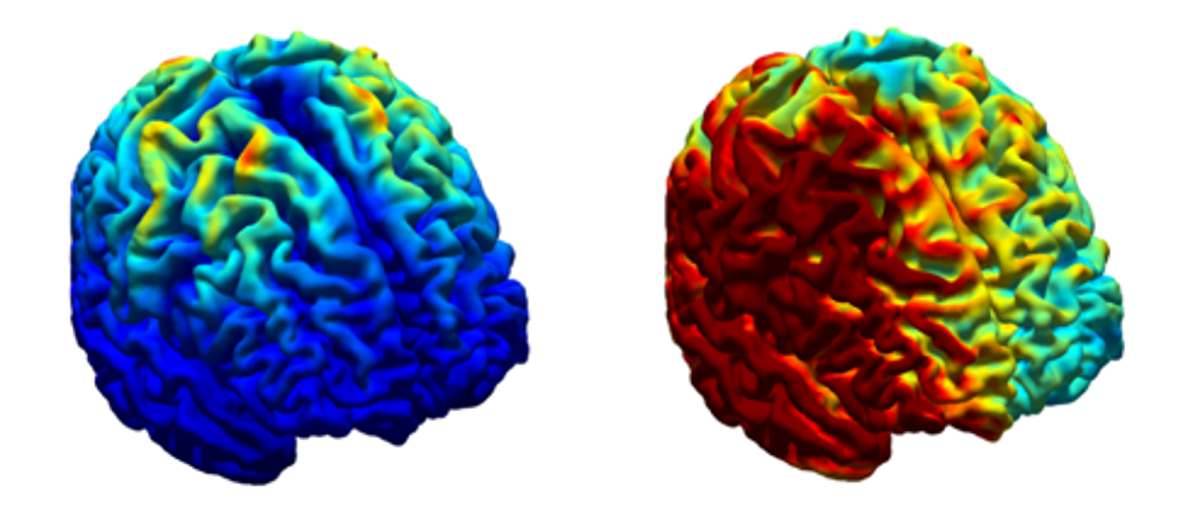
New research suggests that electroconvulsive therapy (ECT) and related seizure therapies may work by increasing the unstructured "background noise" in the brain, which could help restore the balance of excitation and inhibition. This finding challenges the traditional understanding of how ECT influences brain waves and offers a potential explanation for its antidepressant effects. While further research is needed to establish a definitive connection between this brain activity and depression, the study's authors hope that understanding these mechanisms could lead to more precise and comfortable versions of ECT and help patients better comprehend the biological effects of the treatment.
Magnetic seizure therapy (MST) has been found to be as effective as electroconvulsive therapy (ECT) in reducing depression symptoms, according to a randomized clinical trial. MST, which induces milder and more localized seizures using a magnetic coil, showed similar rates of symptom reduction and remission compared to ECT. Additionally, MST had fewer side effects, such as headaches and confusion, and resulted in improved autobiographical memory performance and faster cognitive orientation. The findings suggest that MST holds promise as a safe and effective treatment for depression.
Electroconvulsive therapy (ECT), a highly effective treatment for depression, has long been stigmatized and misunderstood. However, new research suggests that ECT may work by resetting the brain's electrical background noise, specifically aperiodic activity. Traditional methods of analyzing brain waves have overlooked this important signal, which is crucial for understanding how ECT treats depression. By increasing aperiodic activity, ECT may restore the balance of inhibitory brain cells, which is essential for healthy brain function. Further study of aperiodic activity could lead to advancements in depression treatment and shed light on other brain-related conditions.
A new randomized trial has shown that injections of ketamine are at least as effective as electroconvulsive therapy (ECT) when treating non-psychotic forms of major depression. Patients in the trial reported an almost immediate improvement in the quality of their lives after starting ECT or ketamine therapy. Side effects like nausea and poor memory were common for both treatments, albeit short-lived. The study suggests that ketamine is a reasonable and safe alternative to ECT, at least for the short-term management of treatment-resistant, non-psychotic depression.
A new study published in The New England Journal of Medicine suggests that ketamine is a promising alternative to electroconvulsive therapy (ECT) for patients with treatment-resistant depression who do not have psychosis. The study found that ketamine, when administered intravenously, was at least as effective as ECT in patients with treatment-resistant depression. Ketamine is easier to administer, with fewer adjustments during treatment and fewer patients dropping out. Additionally, ECT is associated with memory problems, while ketamine is not.