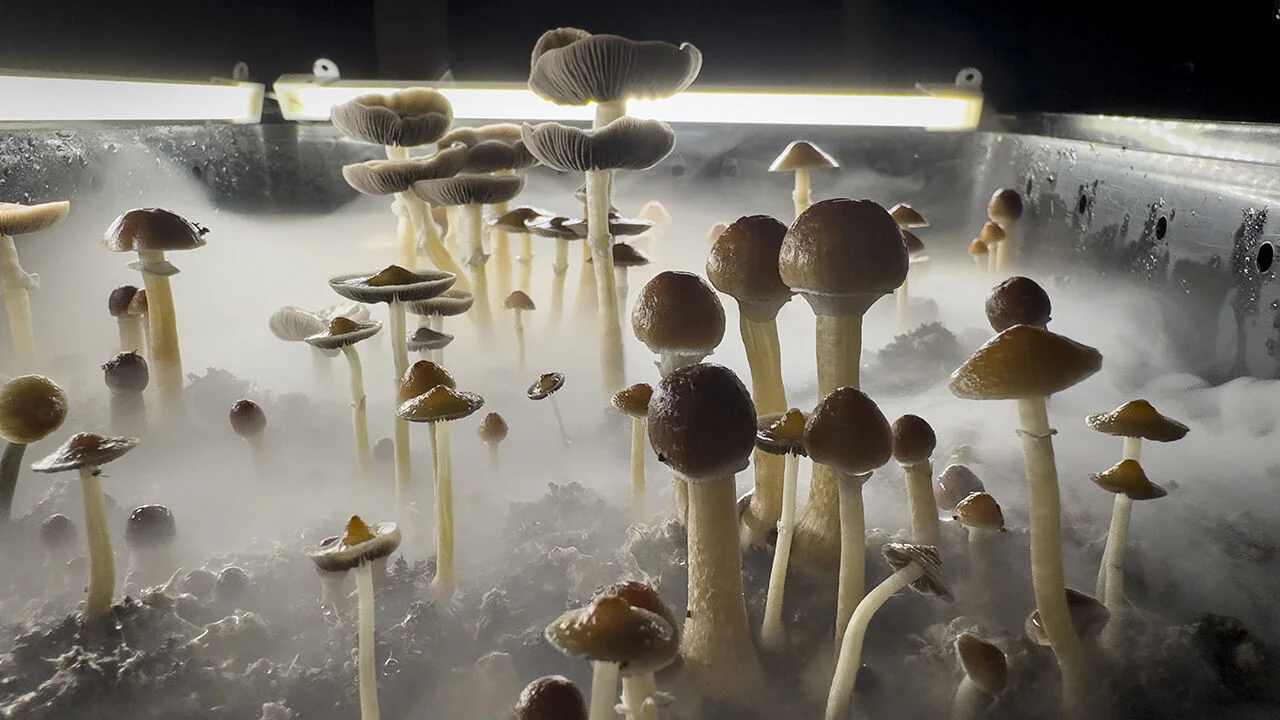
Compass Pathways reported two positive late-stage trials of a synthetic psilocybin treatment that rapidly reduces symptoms in patients with treatment-resistant depression, potentially becoming the first psychedelic medicine to gain full regulatory approval if the FDA approves it early next year.
Antidepressants have helped some people for decades, but research shows they often provide only modest relief overall, with no reliable way to predict who will benefit. The history traces from iproniazid and imipramine to SSRIs and beyond, while meta-analyses indicate small improvements over placebo and low remission rates for many drugs. Ketamine offers rapid relief for some with treatment-resistant depression, challenging the idea that depression is a simple chemical imbalance. Precision psychiatry aims to tailor treatments via blood tests and genetic or neural markers, but this approach is still years away from routine practice. The field continues to wrestle with what depression actually is and how to best help the millions affected.
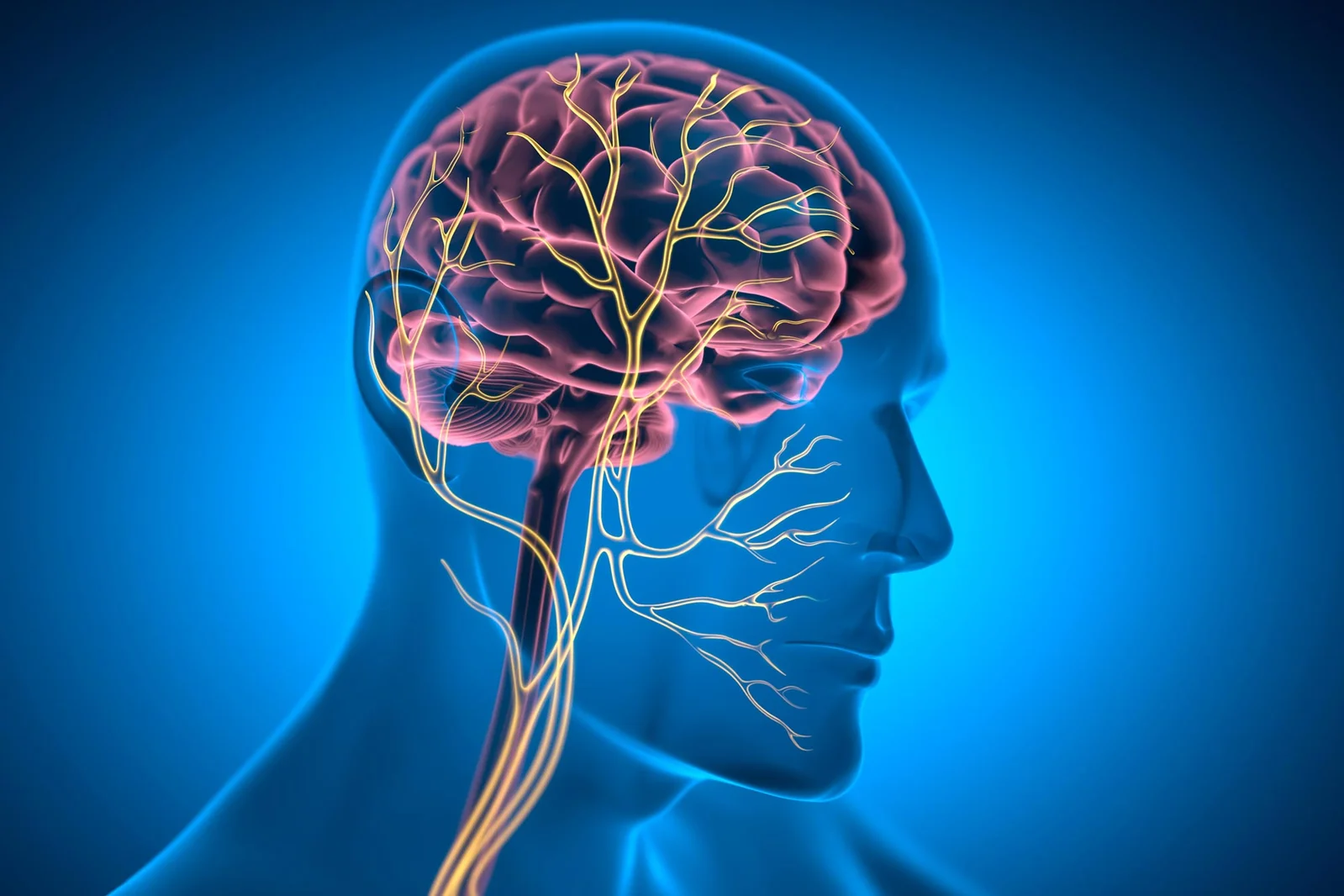
A multicenter trial shows an implanted vagus nerve stimulator can produce durable improvements in mood, quality of life, and daily functioning for severe treatment-resistant depression, with most gains persisting at two years and over 20% of participants in remission; some patients improved only after extended treatment, highlighting potential but ongoing barriers like cost and coverage.
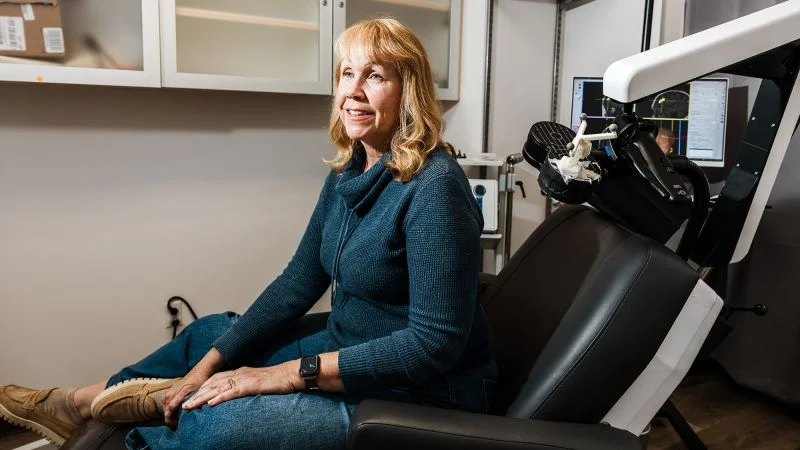
A Stanford-led study tests SAINT (Stanford Accelerated Intelligent Neuromodulation Therapy), a five-day, high-precision, noninvasive brain-stimulation treatment for treatment-resistant depression. In the trial, about half of the 24 participants receiving SAINT remitted by one month, compared with about 21% in the placebo group. SAINT uses rapid magnetic pulses targeted at the left dorsolateral prefrontal cortex via ten 10-minute sessions per day, delivering treatment faster and with greater precision than conventional TMS; the FDA cleared SAINT in 2022 and it’s offered at about 17 US clinics, though costs range roughly $16,000-$30,000 and insurance coverage varies. EEG data hint at biomarkers that could help predict who benefits, but more diverse studies are needed to confirm durability and broader applicability.
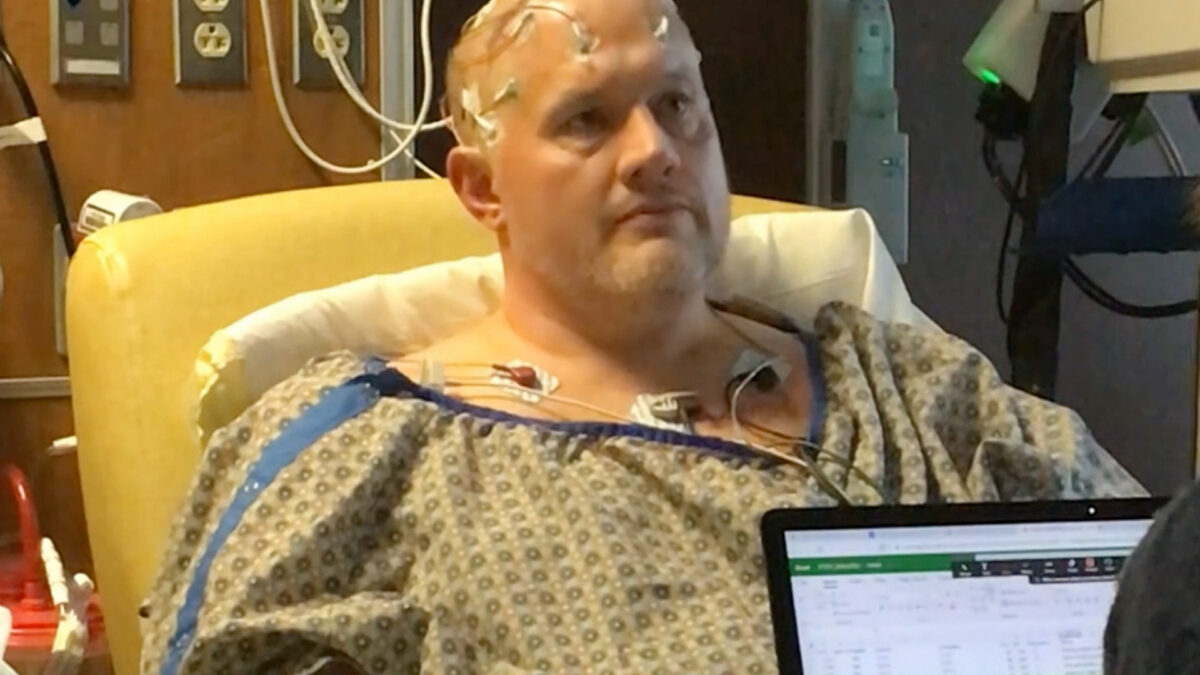
A 44-year-old man with 31 years of treatment-resistant depression experienced a significant and lasting improvement after undergoing personalized brain stimulation therapy called PACE, which tailored electrical stimulation to his unique brain activity, leading to an overwhelming feeling of joy and sustained mental health benefits over months.
Parents are increasingly turning to controversial ketamine therapy for their teens with severe mental health issues, despite limited research and potential risks, as a last resort after traditional treatments fail.
A man with severe, treatment-resistant depression experienced joy for the first time in decades after a personalized brain stimulation treatment targeting specific brain networks, leading to sustained remission for two years. The approach involves precise electrode implantation and adjustable stimulation based on patient feedback, representing a promising advancement in psychiatric treatment.
Compass Pathways' Phase 3 trial of its synthetic psilocybin, COMP360, showed a significant separation from placebo in treating treatment-resistant depression, with no new safety concerns, marking a major milestone for psychedelic drug development. The company is now focusing on a larger, multi-dose trial expected to provide clearer efficacy data and aims for FDA submission, while preparing for potential U.S. market launch.
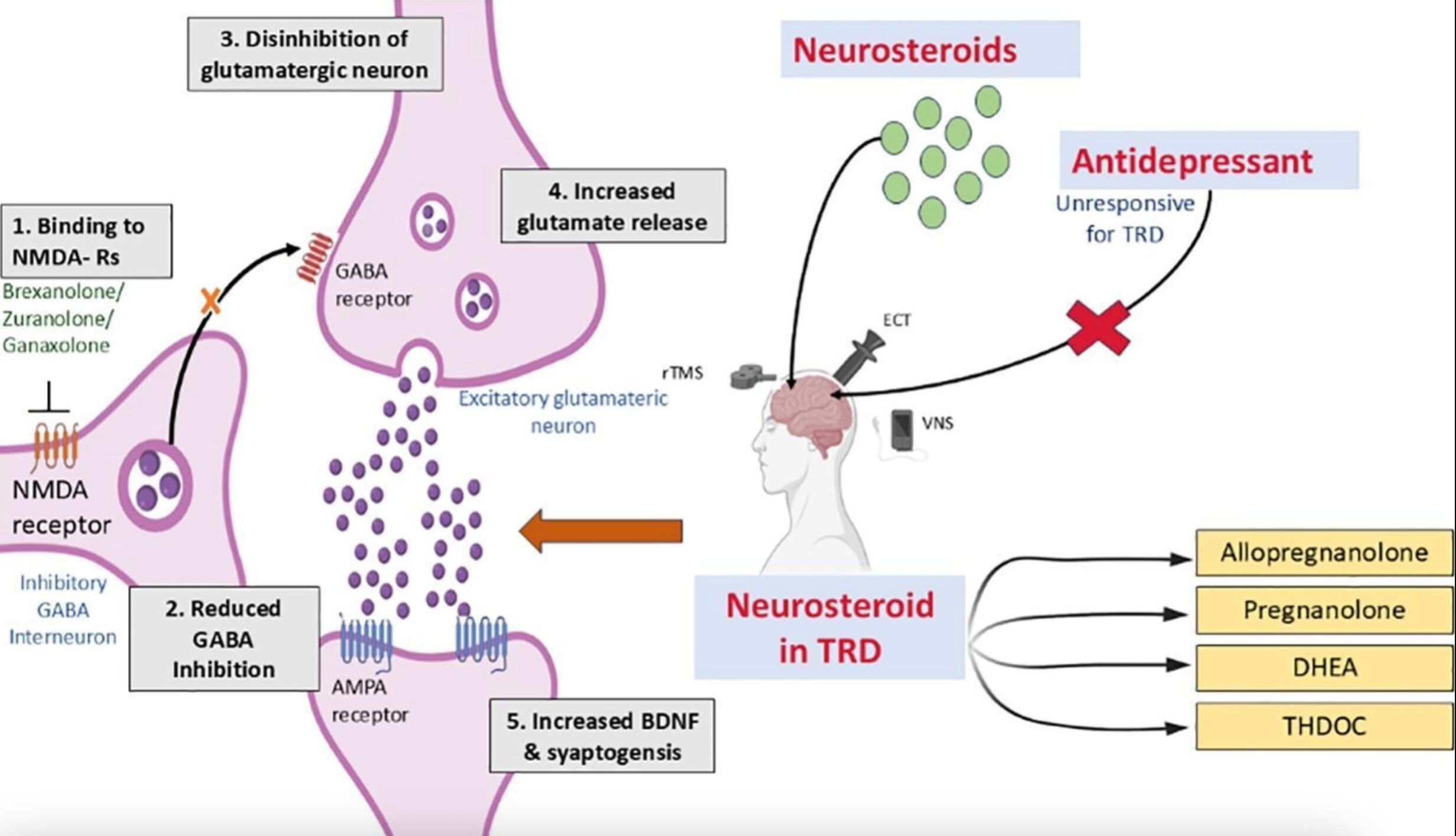
Researchers review the potential of neurosteroids as a promising new treatment for treatment-resistant depression, highlighting their mechanisms, clinical evidence, and future prospects, suggesting they could offer rapid and effective relief for patients unresponsive to traditional antidepressants.
A new study using stereotactic electroencephalography (sEEG) sheds light on how individuals with treatment-resistant depression (TRD) process emotions differently due to abnormalities in the amygdala and prefrontal cortex, revealing heightened responses to negative stimuli and weakened responses to positive ones. Deep brain stimulation (DBS) shows promise in correcting these neural discrepancies, offering potential as a treatment method that could improve both positive and negative emotional processing in TRD patients.
Close relatives of individuals with treatment-resistant depression (TRD) are nine times more likely to develop a similar form of depression that does not respond to traditional treatments, according to a new study. The study, which used national health insurance data from Taiwan, found a genetic transmission of TRD across families and an association with other major psychiatric disorders. Family members of people with TRD were also more likely to develop other psychiatric conditions and have a higher risk of suicide. The findings suggest that alternative treatments, such as adding lithium, atypical antipsychotics, low-dose ketamine, or repetitive transcranial magnetic stimulation, should be considered earlier for individuals with a family history of TRD.
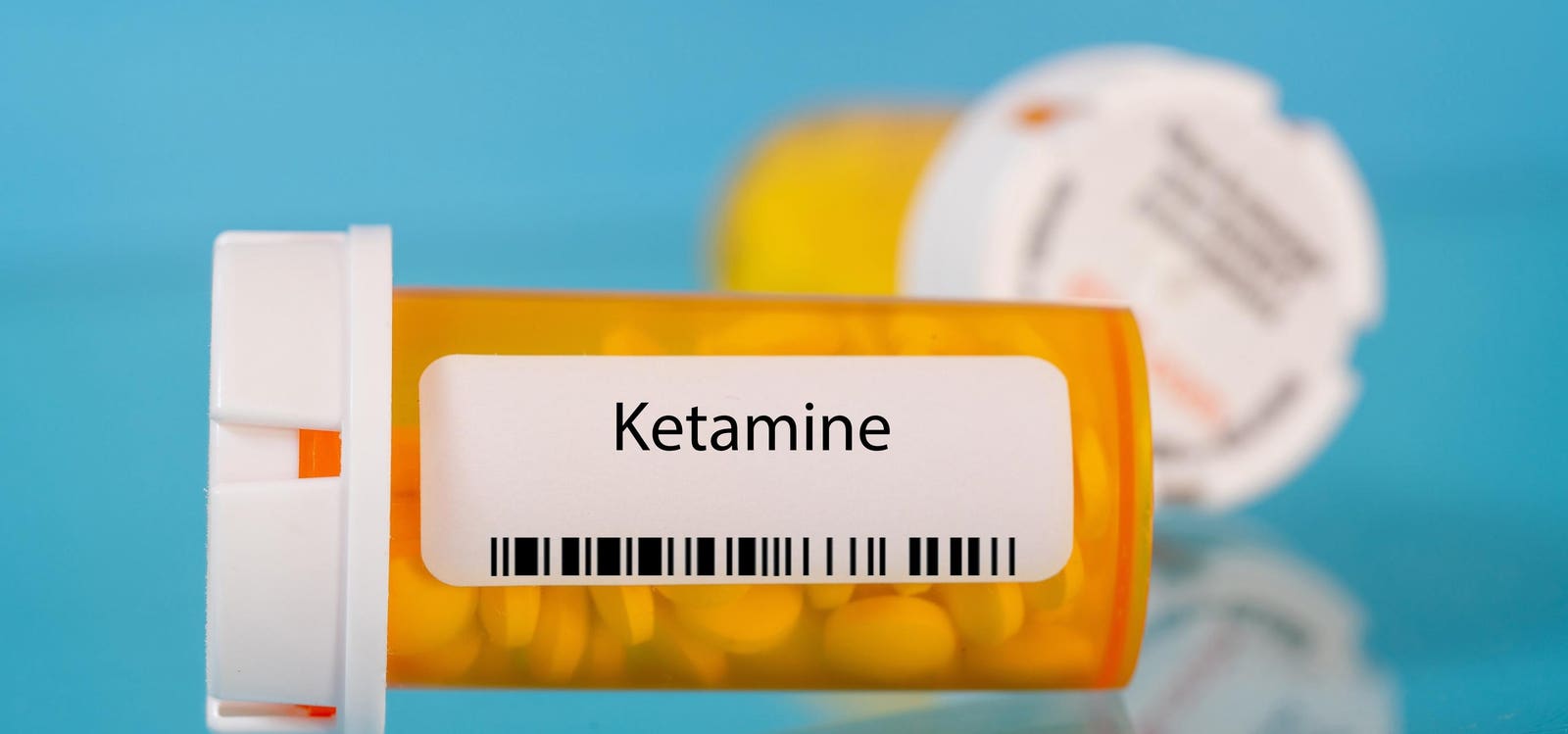
Ketamine, though not yet FDA-approved for depression, shows promise in treating treatment-resistant depression and PTSD. Concerns over long-term efficacy and safety exist, especially with unsupervised use. Being Health in NYC offers Ketamine Infusion Therapy with stringent safety protocols and a five-step process. Ethical and safe access to ketamine-based treatments is crucial, as insurers start to cover certain stages of therapy. The FDA's approval of esketamine and evolving regulations signal a hopeful direction for mental health treatment.
A new study found that close relatives of individuals with treatment-resistant depression (TRD) are nine times more likely to develop TRD themselves, as well as other psychiatric conditions and a higher risk of suicide. The study, based on data from the entire population of Taiwan, suggests a genetic transmission of TRD across families and an association with other major psychiatric disorders. Early awareness of TRD running in families can help with early treatment options, including considering alternative treatments such as lithium, atypical antipsychotics, ketamine, or repetitive transcranial magnetic stimulation.
A new study found that close relatives of individuals with treatment-resistant depression (TRD) are nine times more likely to develop TRD themselves, as well as other psychiatric conditions and a higher risk of suicide. The study, based on national health insurance data from Taiwan, suggests a genetic transmission of TRD across families and highlights the need for early consideration of alternative treatments when standard antidepressant therapy fails, especially for those with a family history of TRD.
A new study found that close relatives of individuals with treatment-resistant depression (TRD) are nine times more likely to develop depression that does not respond to traditional treatment. The study, based on data from the entire population of Taiwan, also revealed that family members of people with TRD were more likely to develop other psychiatric conditions and have a higher risk of suicide. The findings suggest a genetic basis for TRD, highlighting the need for considering alternate treatments earlier for patients with a TRD family history.