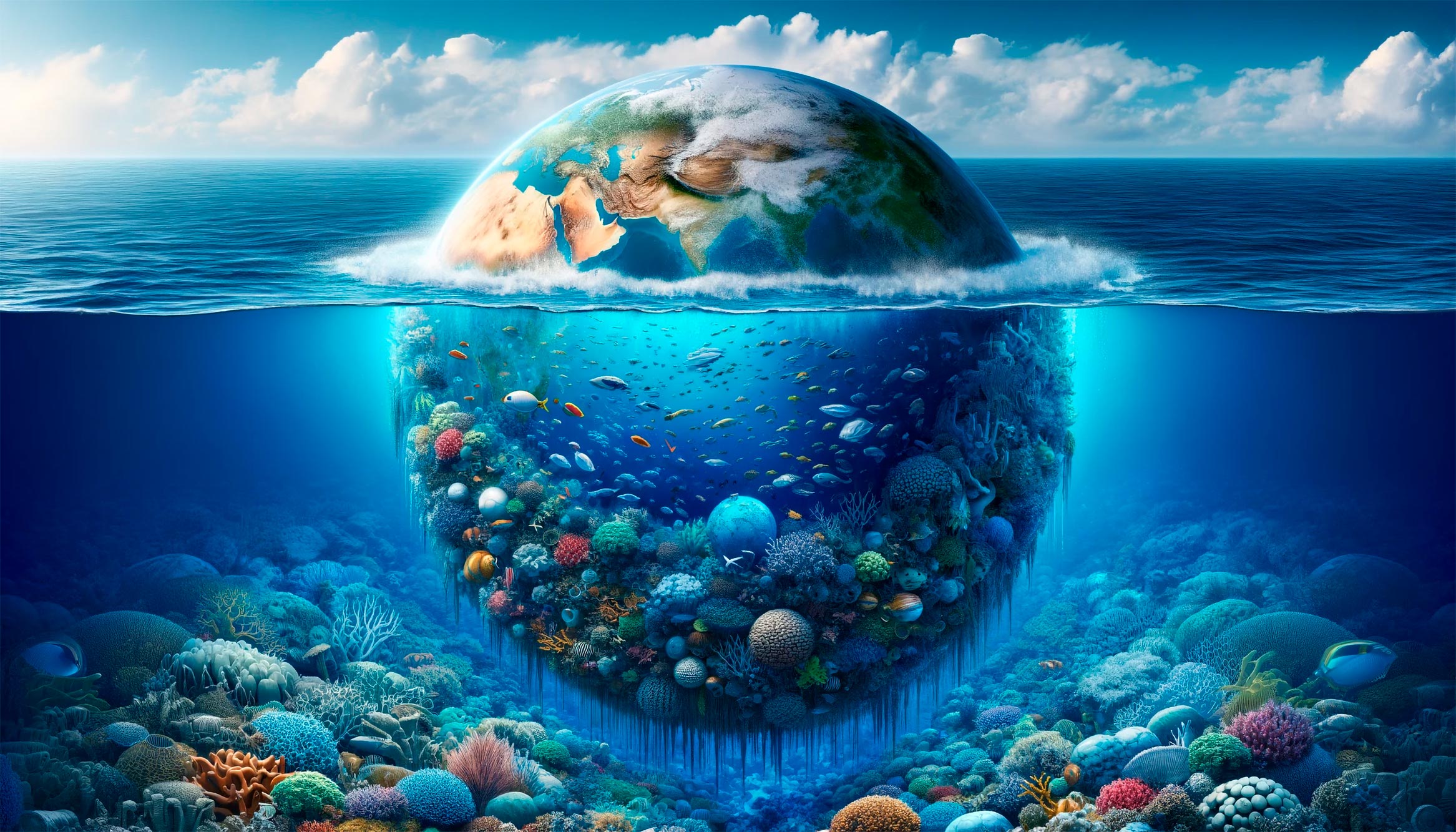
A study published in Nature Geosciences reveals that oceanic anoxia, or deoxygenation, played a significant role in marine extinctions during the Triassic-Jurassic period, with current levels of deoxygenation mirroring those of the past. The research highlights the sensitivity of marine ecosystems to local and global environmental changes, emphasizing the importance of understanding the fragility of present-day marine ecosystems in the face of increasing deoxygenation.
A new study published in Nature Geosciences reveals that oceanic deoxygenation (anoxia) played a significant role in the Triassic-Jurassic mass extinction event that occurred around 200 million years ago. Surprisingly, the study shows that the global extent of extreme deoxygenation during that time was similar to present-day levels. The research highlights the vulnerability of marine ecosystems to local deoxygenation, even when global deoxygenation levels are not widespread. The findings have implications for understanding present-day ecosystem stability and the potential impacts of global warming and increased nutrient run-off on marine environments.
Researchers working with NASA have determined that in just over a billion years, the radiation emitted from the sun will become too much for Earth’s atmosphere and will consume all of the oxygen, ultimately ending all life on the planet. Climate change may make this happen sooner. This acts as a cautionary tale for the survival of the human race, urging us to change our ways on Earth and explore space for our future.