Hadassah Medical Center reported that 11 patients developed eye infections after receiving intravitreal injections, prompting immediate treatment and preventive measures, with ongoing coordination with health authorities to monitor patient safety.
During the monsoon season, children are at increased risk of eye infections like conjunctivitis, dry eyes, and styes due to high humidity and environmental germs. Parents can help prevent these issues by encouraging good hygiene, avoiding contaminated water and muddy areas, and seeking prompt medical attention for symptoms. Maintaining cleanliness and proper eye care habits are essential for protecting children's eye health during this season.
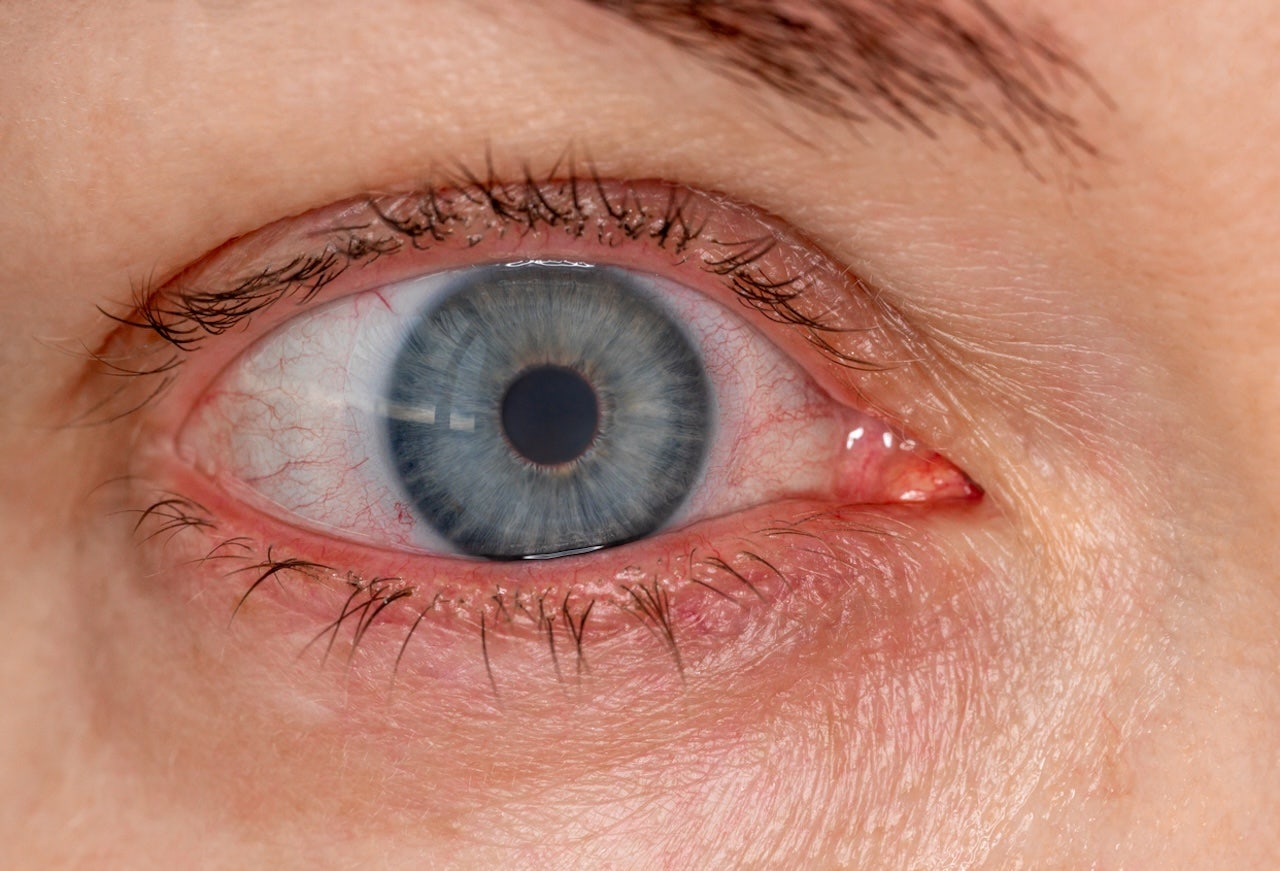
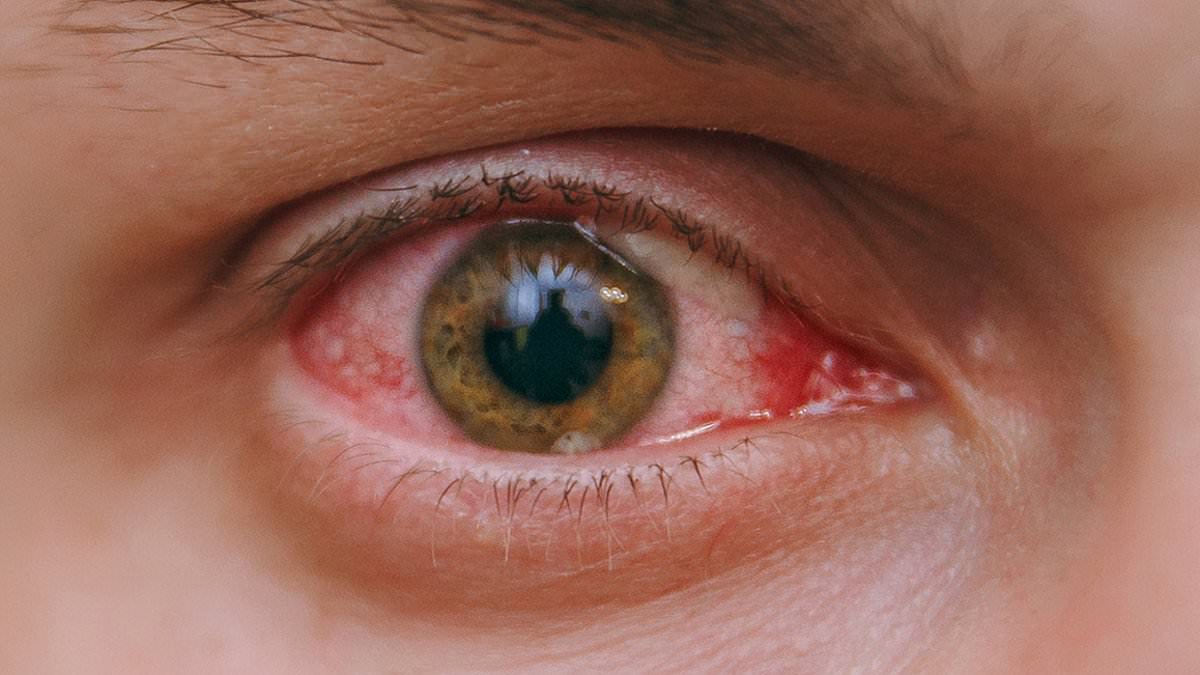
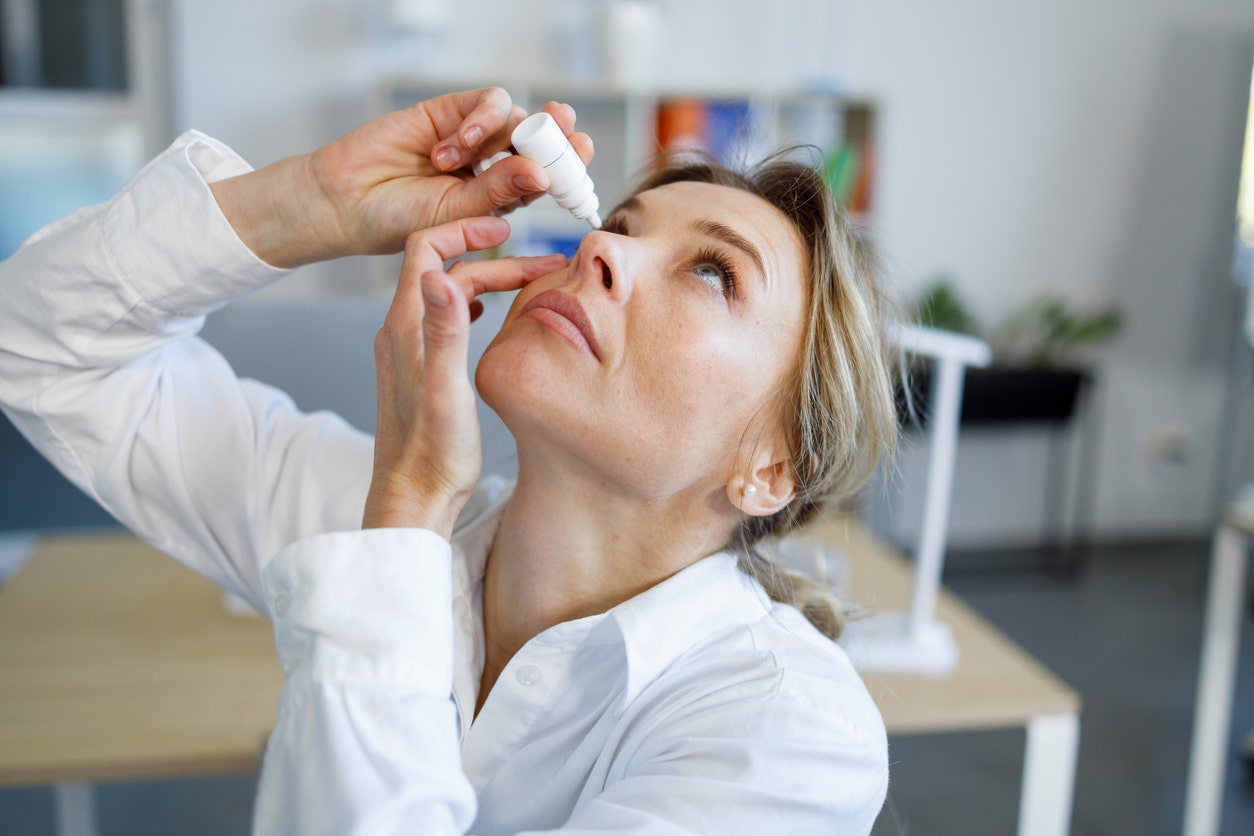
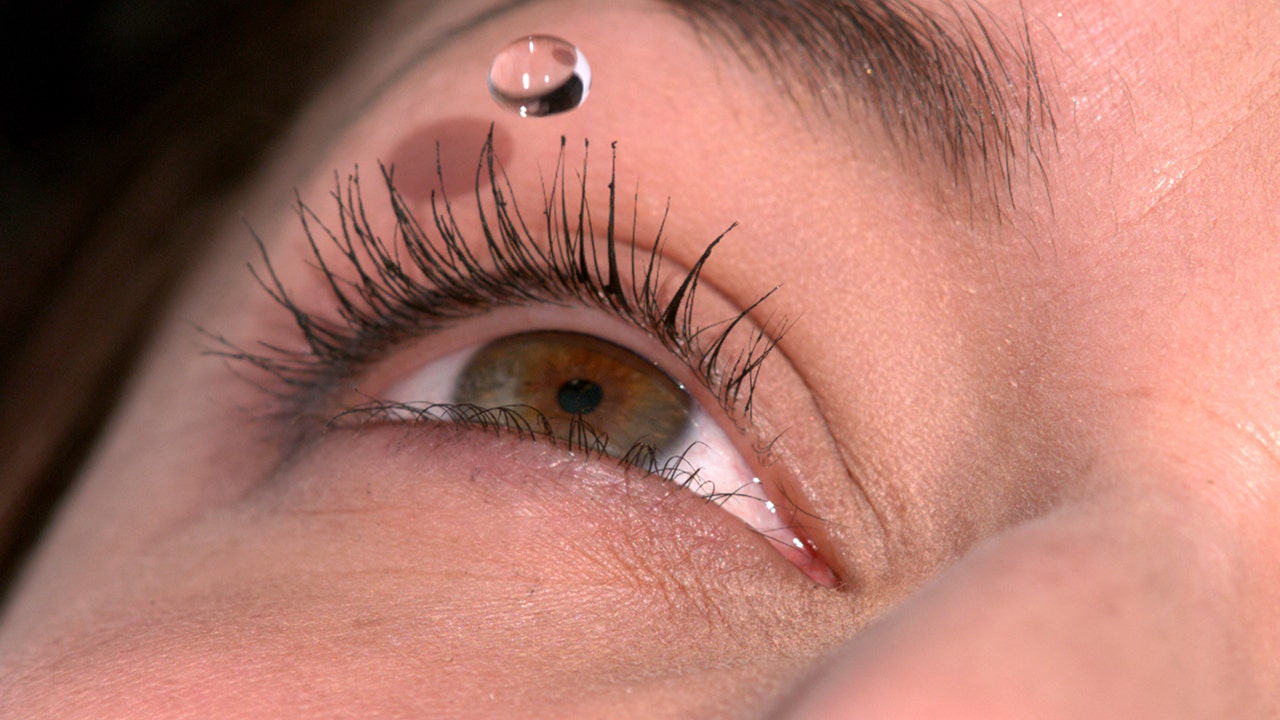
Bloodshot eyes can be caused by various factors such as allergies, dry eyes, tiredness, contact lenses, and eye infections. Ophthalmologists recommend using over-the-counter artificial tears and antihistamine drops, avoiding decongestant drops, and applying cool compresses to relieve redness. If symptoms persist after a week of home remedies, it's advisable to consult an ophthalmologist for diagnosis and treatment, as more serious conditions like ocular inflammation or eye infections may be present. Regular eye exams are also recommended to catch any signs of eye disease early on.
Public health officials in Michigan are investigating an unusual cluster of syphilis infections in the eyes of five women who had unprotected sex with the same man they met online. Syphilis, a potentially deadly sexually transmitted bacterial infection, can spread to the eyes if left untreated. Symptoms of eye syphilis include red eyes, eye pain, sensitivity to light, abnormal eye movements, and blurred or lost vision. The man in question has provided minimal information and was diagnosed with early latent syphilis.
The U.S. Food and Drug Administration (FDA) has issued a nationwide voluntary recall of 27 eye drop products due to potential risks of eye infections that could lead to partial vision loss or blindness. The recalls are linked to unsanitary manufacturing facilities and bacterial contamination. Brands affected include CVS Health, Leader, Rugby, Rite Aid, Target Up & Up, and Velocity Pharma. Consumers are advised to stop using the recalled products and properly discard them. Signs of potential eye infections include redness, eye pain, watery eyes, and blurry vision. Patients experiencing symptoms should seek medical care immediately. It is recommended to consult with an optometrist and check the FDA's website for an updated list of recalled products before using over-the-counter eye drops.
The FDA has added Equate Hydration PF Lubricant Eye Drop 10 mL, sold at Walmart, to its list of potentially harmful products due to the risk of eye infections that could lead to vision loss. This comes after a previous warning to avoid or discard 26 other eye drop products sold at CVS, Rite Aid, Target, and Walmart, which were found to have "insanitary conditions" in the manufacturer's facility. The FDA has not disclosed the specific bacteria found, but positive bacterial test results were obtained from critical drug production areas. Walmart is removing the product from its shelves, and consumers are advised to seek medical care if they experience symptoms of an eye infection after using these products. CVS is offering refunds for the affected products and is cooperating with the FDA.
The FDA has issued a warning to consumers to stop using 27 over-the-counter eye drop products sold by CVS, Rite Aid, Target, Walmart, Leader, Rugby, and Velocity Pharma due to the potential risk of eye infections that could lead to partial vision loss or blindness. The recall was prompted by the discovery of unsanitary conditions and bacteria in the manufacturing facility. Consumers are advised to check the recall list and discontinue use of the affected products, while continuing to use prescription eye drops as directed. Lubricating eye drops are a common treatment for dry eye disease, and patients are encouraged to use preservative-free drops in disposable single-use vials.
The FDA has issued a warning to consumers to stop using 26 over-the-counter eye drop products sold at CVS, Target, and Rite Aid due to the potential risk of eye infections that could lead to partial vision loss or blindness. The products were found to have unsanitary conditions and positive bacterial test results at the manufacturing facility. CVS, Rite Aid, and Target are removing the products from their stores and websites, but some products may still be available under the brands Leader, Rugby, and Velocity. The FDA has recommended the manufacturer recall all lots of the affected eye drops.
The FDA is warning consumers to avoid 26 eye drop products sold at major retailers including CVS, Rite Aid, and Target, as they could cause eye infections and potentially lead to vision loss. The products were marketed under various brands and were found to have "insanitary conditions" in the manufacturer's facility. CVS, Rite Aid, and Target are removing the products from their shelves, but some may still be available for purchase. The FDA has not specified the type of bacteria found during testing and there have been no reports of eye infections related to these products. Consumers experiencing symptoms of an eye infection after using these products are advised to seek medical care immediately.