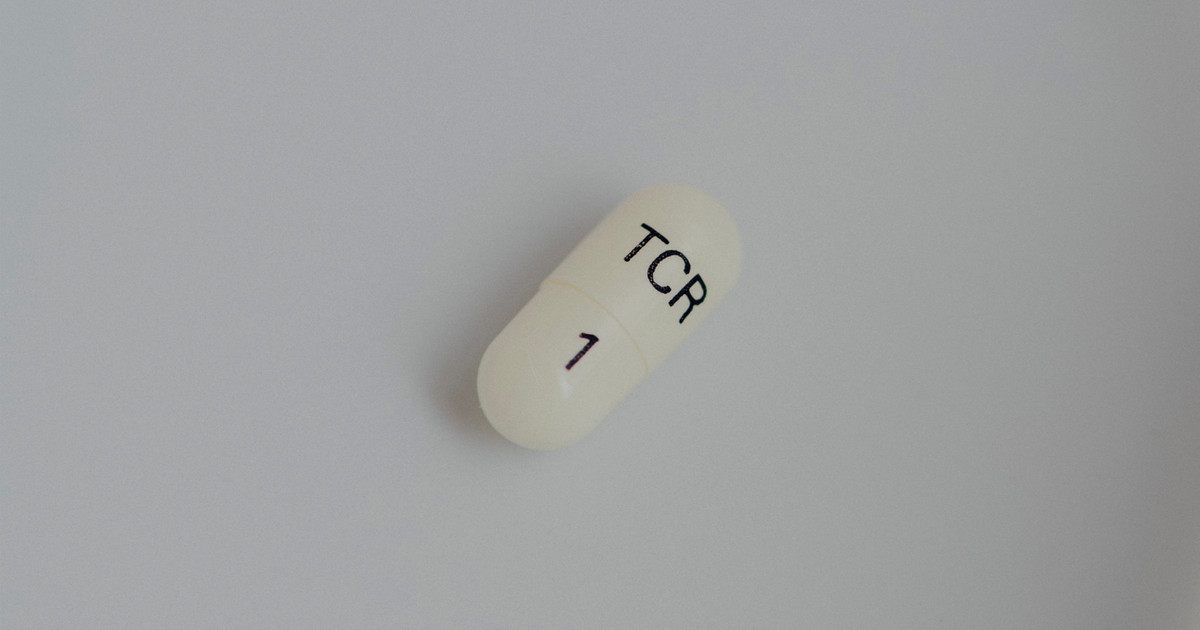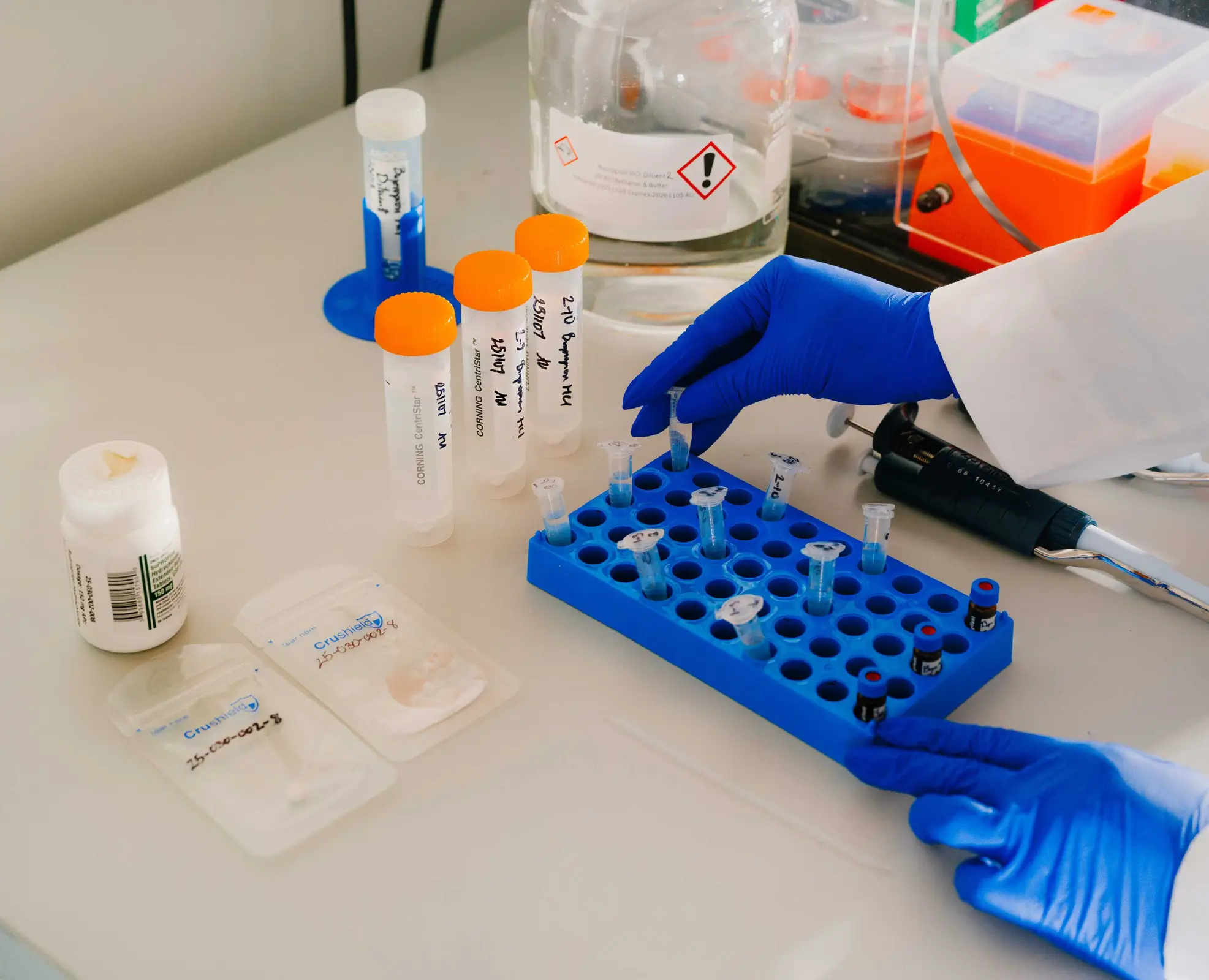
ProPublica investigated the FDA's limited testing of generic drugs, revealing irregularities and quality concerns in widely used medications like bupropion and metoprolol, which could compromise their effectiveness and patient safety, highlighting the agency's reliance on manufacturers and sporadic testing practices.

ProPublica launches Rx Inspector, a database revealing the manufacturing origins and FDA inspection histories of generic drugs in the U.S., addressing transparency gaps left by the FDA.
ProPublica developed Rx Inspector, a tool that links generic drugs to their manufacturing facilities and FDA inspection histories, aiming to improve transparency and inform consumers and healthcare providers about drug safety and manufacturing practices.
Drug stocks are rallying as President Trump's proposed 100% tariff on branded pharmaceutical imports mainly affects companies without U.S. manufacturing, leaving most Big Pharma and generics unaffected. The tariffs highlight supply chain vulnerabilities and long-term national security concerns, especially dependence on foreign countries like China for generics, but could also hinder biotech innovation and complicate import processes.
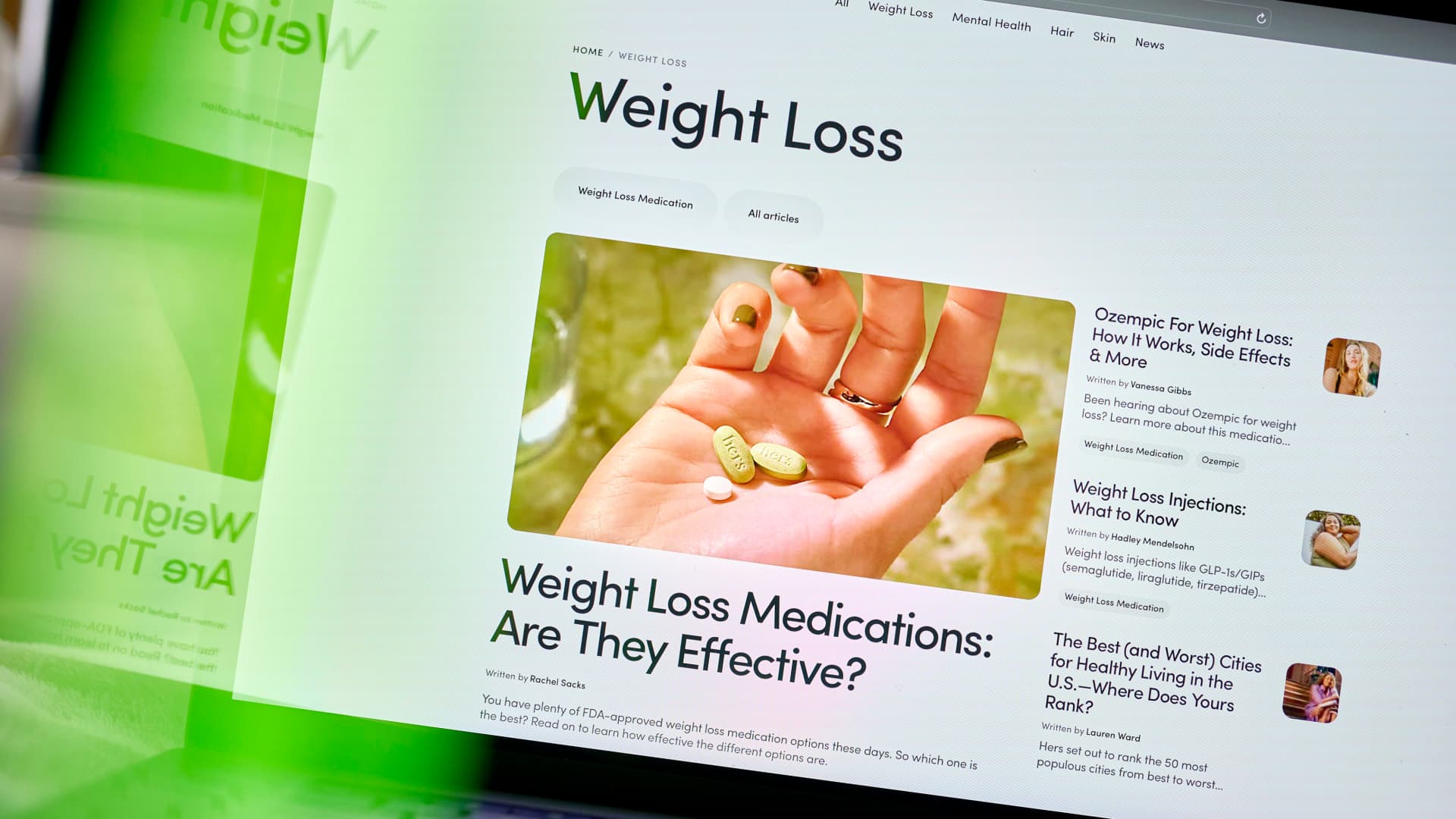
Hims & Hers will offer generic semaglutide in Canada after Novo Nordisk's patent on Ozempic and Wegovy expired in January 2023 due to non-payment of maintenance fees, opening the market for more affordable weight loss treatments. The Canadian market for semaglutide is rapidly growing, and Hims aims to provide accessible, high-quality care, although the approval process for generics is still underway. Novo Nordisk's patent lapse was due to administrative oversight, and the company has stated that patent expirations are part of the normal lifecycle of pharmaceutical products.
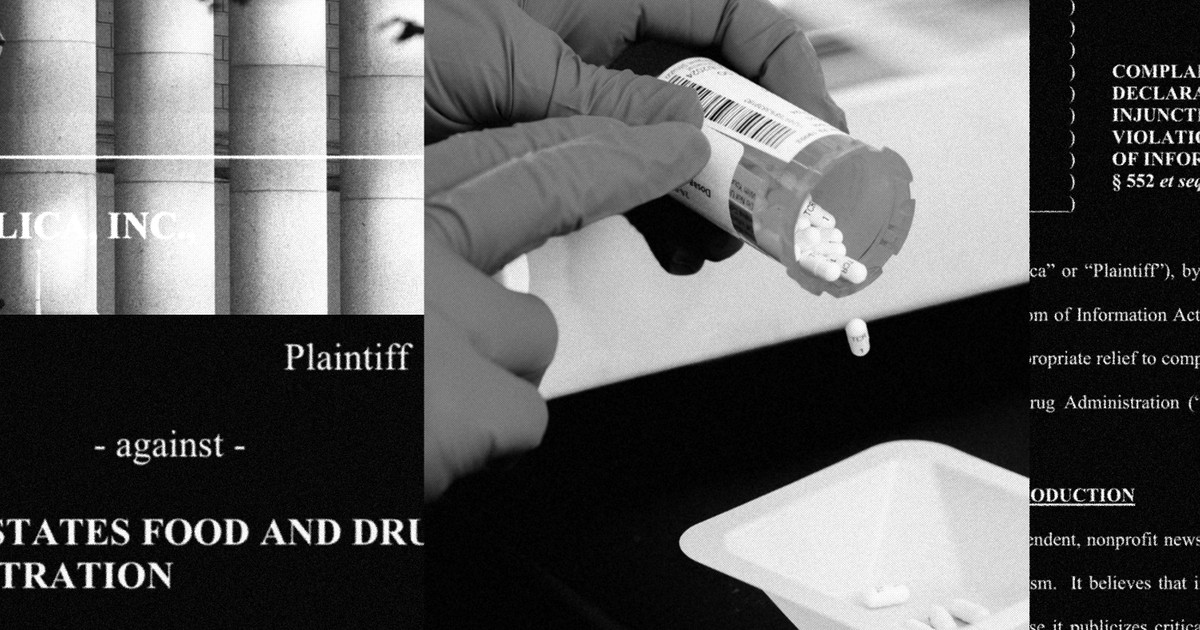
ProPublica has sued the FDA for withholding records about the safety and manufacturing conditions of generic drugs, aiming to increase transparency and protect consumers amid concerns over overseas manufacturing and recent safety incidents.
ProPublica's year-long investigation reveals that the FDA has allowed over 150 drugs from banned factories, mainly in India, into the U.S. market without routine testing or public warning, raising concerns about drug safety and oversight.
The US is facing a record high of 323 active and ongoing drug shortages, affecting a wide range of medications including generic cancer drugs and ADHD medication. The shortages are attributed to various factors such as manufacturing delays, increased demand, and regulatory constraints. The American Society of Health-System Pharmacists (ASHP) is advocating for federal and regulatory changes to address the root causes of these shortages and improve supply chains.
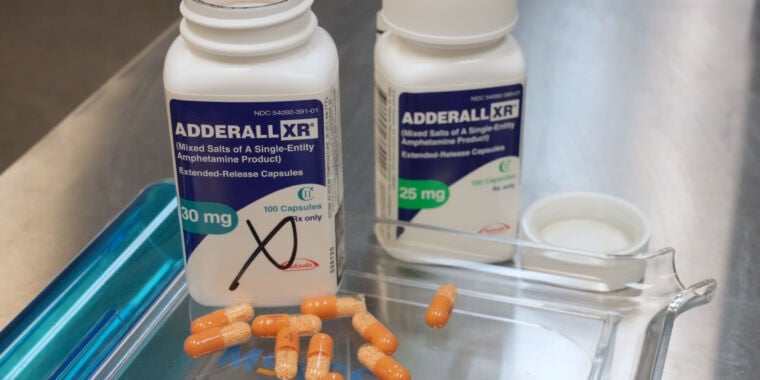
Pharmacists warn of a growing number of drug shortages in the U.S., with 323 active medication shortages in the first three months of 2024, the highest since 2014. Shortages affect all drug classes, with particular concern for generic sterile injectable medications, including cancer chemotherapy drugs and emergency medications. Adderall, used for ADHD, remains in short supply despite efforts to increase production, with factors including increased demand during the pandemic and manufacturing constraints. Experts attribute shortages to demand outstripping supplies, manufacturing constraints, and disruptions in supply lines for raw materials.
The Federal Trade Commission and the Department of Health and Human Services have launched an inquiry into the causes of generic drug shortages, focusing on the practices of group purchasing organizations and drug distributors. The inquiry aims to assess the influence of these "powerful middlemen" on drug pricing and manufacturing, which has led to critical shortages of drugs such as chemotherapy and antibiotics, endangering patients. Lawmakers and industry executives have expressed concerns about the impact of these practices on the stability of the industry, particularly among makers of sterile injectable products used in surgical and cancer care.
The Biden administration is investigating the role of drug wholesalers and group purchasing organizations in causing shortages of generic drugs, which make up the majority of prescriptions in the U.S. The Federal Trade Commission and the Department of Health and Human Services are seeking public input on whether these middlemen have used their market power to drive down prices to the point where manufacturers can't profit, leading to production stoppages and discouraging competition. The public will have 60 days to submit comments, and the investigation comes amid ongoing efforts to address high drug costs.
The FTC and HHS have issued a Request for Information seeking public comment on how group purchasing organizations (GPOs) and drug wholesalers may be contributing to generic drug shortages. They are investigating market concentration, contracting practices, and the impact on pricing and availability of pharmaceutical drugs. The inquiry aims to uncover the root causes and potential solutions to drug shortages, with a focus on promoting competition in pharmaceutical markets to ensure access to high-quality, affordable care. The public has 60 days to submit comments on several topics related to generic drug markets and potential causes of shortages.
Flovent, a widely used asthma inhaler, is being discontinued in the US, with a generic version set to replace it. However, there are concerns about insurance coverage for the generic, potential distribution issues, and the impact on patients, particularly during cold and flu season. The discontinuation is attributed to changes in Medicaid rebates and the drug's price increase over the years. Doctors are advising patients to prepare for the transition and seek alternatives if necessary.
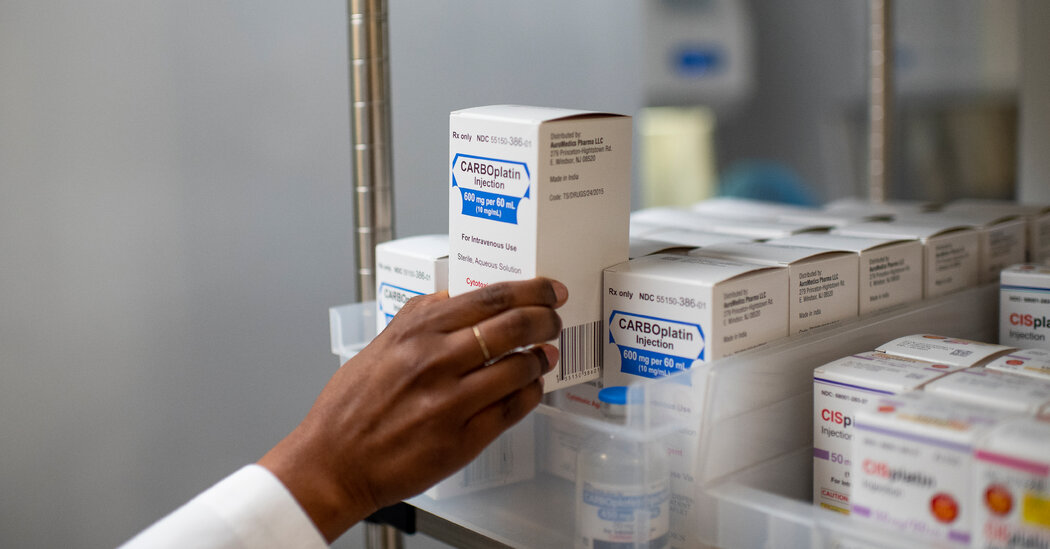
Shortages of key chemotherapy drugs have revealed a crisis in the generic drug industry, leaving cancer patients unable to access the treatment they need. The shortage of these essential medications, along with hundreds of other generic drugs, is due to economic factors and a broken business model that discourages companies from increasing production. The generic drug industry faces intense price competition and contract terms that penalize manufacturers, making it difficult to meet demand. The consolidation of generic drug purchasing among a small group of powerful intermediaries has also contributed to market failures. The shortage of cancer treatments has raised concerns about patient survival and the unequal distribution of medications.
Insurers are charging exorbitant prices for generic drugs, which are supposed to be affordable alternatives to brand-name medications. This practice has led to increased healthcare costs for patients, as they are forced to pay thousands of dollars for drugs that should be inexpensive. The high prices are attributed to a complex system of rebates and discounts negotiated between insurers and drug manufacturers, resulting in a lack of transparency and affordability in the generic drug market.