Lithium Americas shares surged after the company announced progress on a loan agreement with the U.S. Department of Energy, boosting investor confidence in its role in the electric vehicle and battery materials market.
Vivek Ramaswamy, co-chair of President-elect Trump's commission to cut government spending, has criticized a $6.6 billion DOE loan to Rivian, a competitor to Elon Musk's Tesla, and plans to review such expenditures. Ramaswamy's comments highlight potential conflicts of interest and raise questions about the commission's authority, as only Congress can rescind approved funds. The DOE loan, intended to support Rivian's new plant in Georgia, is part of broader Biden administration efforts to finance clean energy projects, which may face challenges under the incoming administration.
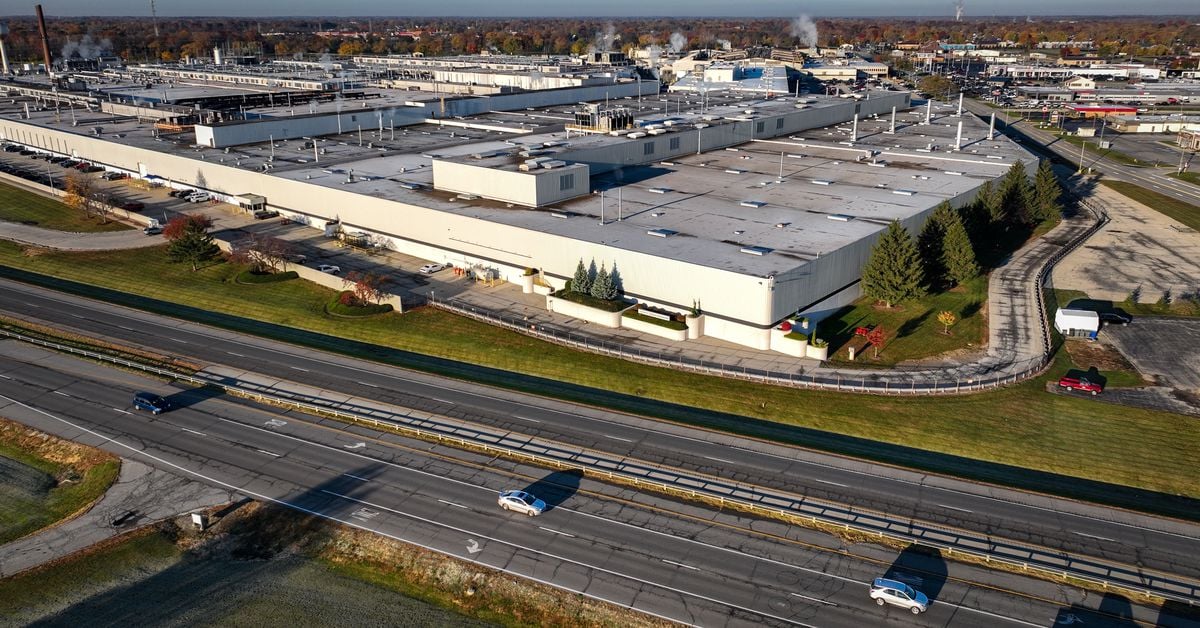
The Department of Energy has preliminarily approved a $7.54 billion loan to a joint venture between Stellantis and Samsung SDI for the construction of two electric vehicle battery factories in Kokomo, Indiana. This project, expected to create 3,200 jobs, is part of the DOE's Advanced Technology Vehicles Manufacturing program, revived by President Biden to support the EV industry. The loan's future is uncertain, as Donald Trump has vowed to reverse Biden's EV spending if he returns to office. The factories aim to produce 67 GWh of batteries annually, enough for 670,000 vehicles.
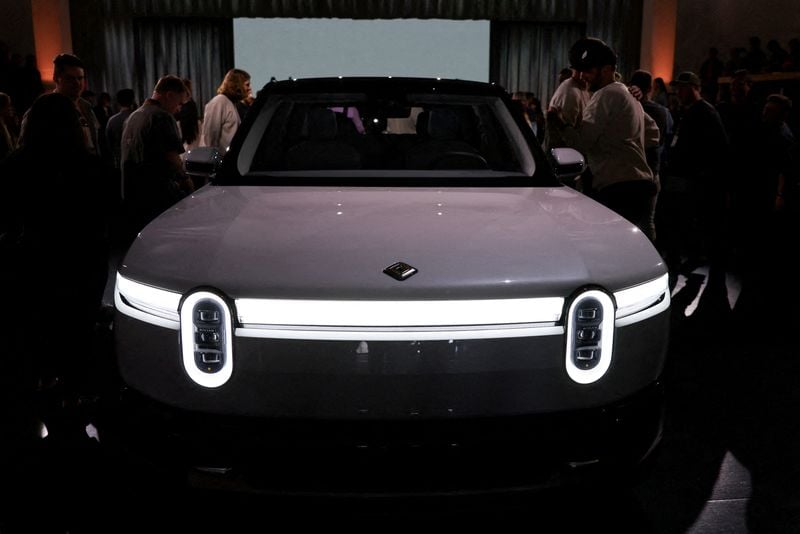
Rivian has received conditional approval for a $6.6 billion loan from the U.S. Department of Energy to build a production facility in Georgia for its R2 SUVs and R3 crossovers. The loan is contingent on meeting various conditions, including not opposing union efforts at the plant. The facility is expected to employ 7,500 people and produce 400,000 EVs by 2030. Despite challenges like production struggles and competition, Rivian aims to expand its U.S. manufacturing footprint with this financial support.
Plug Power stock surged 42% this week, driven by positive developments including a $1.6 billion loan from the Department of Energy, the start of operations at its green hydrogen plant in Georgia, and the shipment of its first trailer of liquid hydrogen to major customers like Amazon and Walmart. Analysts are optimistic about the company's future, with one doubling the stock's price target to $9 per share. CEO Andy Marsh indicated potential improvements in gross margins and hinted at alternative funding options, alleviating concerns about stock dilution. However, securing the DOE loan could still take several months, leaving Plug Power in need of additional funding to sustain its operations and plants.
Plug Power stock surged 42% this week, driven by positive developments including a $1.6 billion loan from the Department of Energy, the start of operations at its green hydrogen plant in Georgia, and the shipment of its first trailer of liquid hydrogen to customers like Amazon, Walmart, and Home Depot. Analysts are optimistic about the company's future prospects, with one doubling the stock's price target to $9 per share. CEO Andy Marsh indicated potential improvements in gross margins and hinted at alternative funding options, alleviating concerns about stock dilution. However, investors should be aware that securing the DOE loan could take several months, and the company may continue to face challenges in raising funds in the interim.
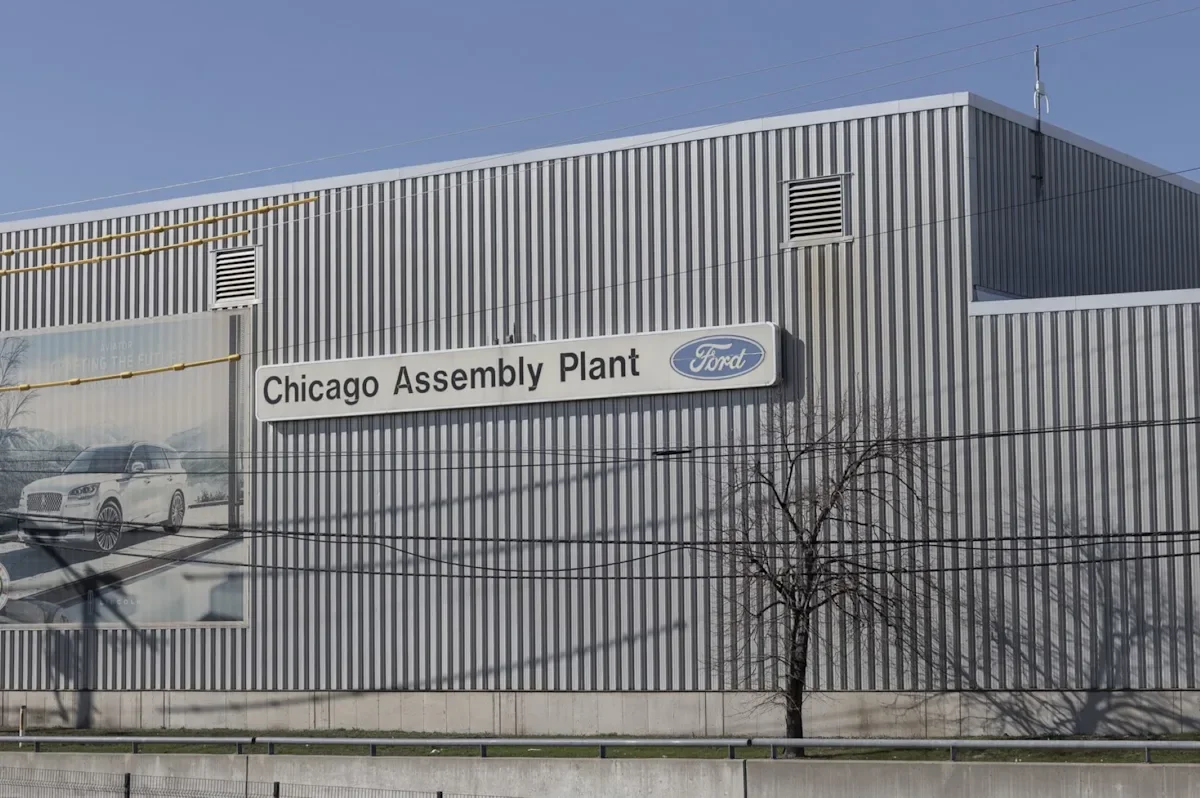
The U.S. Department of Energy (DOE) has granted Ford a $9.2 billion loan to build three electric vehicle (EV) factories, significantly increasing the company's capacity for producing non-gasoline vehicles. Ford aims to make EVs more affordable and plans to partner with South Korean manufacturer SK Innovation to create enough battery capacity for two million EVs annually by 2026. The loan comes at a crucial time as experts predict the need for 10 million EVs on U.S. roads by 2025 to mitigate the effects of climate change caused by polluting gases from traditional vehicles. Transitioning to EVs also reduces the use of toxic liquids and improves air quality.
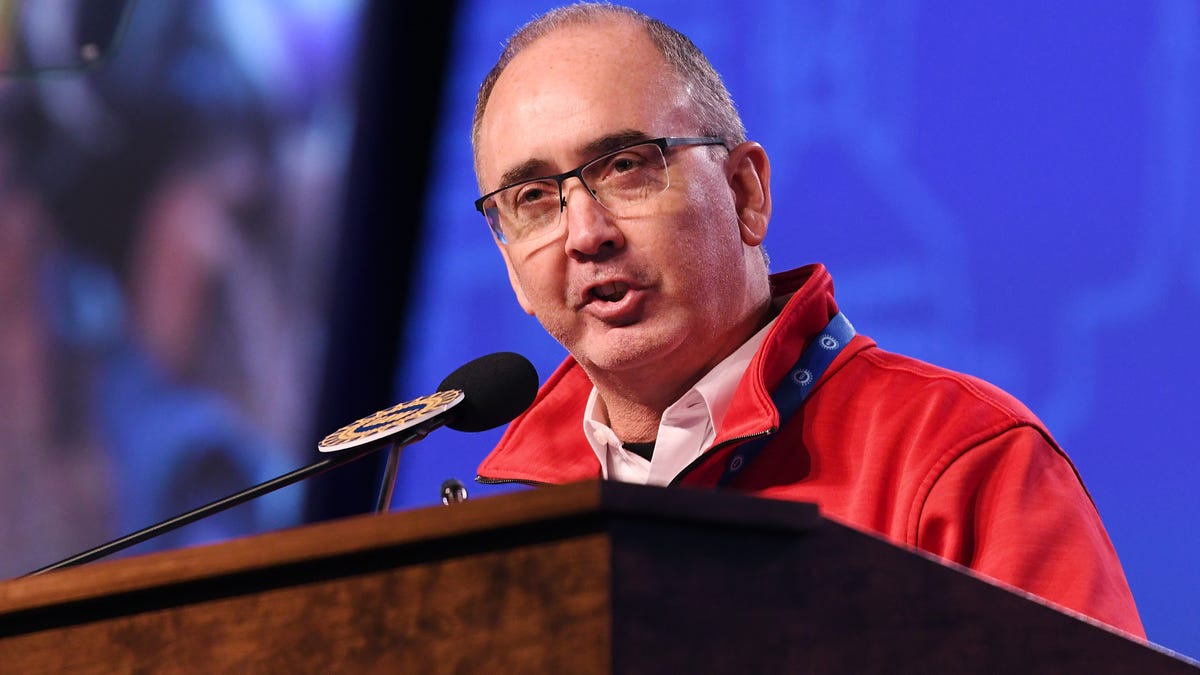
United Auto Workers President Shawn Fain criticized the $9.2 billion Department of Energy loan to Ford and South Korean battery maker SK On as an example of the federal government "actively funding the race to the bottom with billions in public money." The loan is the most significant direct government support for an auto company since the bailouts of General Motors Corp. and Chrysler Corp. during the Great Recession. The UAW is currently bargaining a contract with the JV for the Ultium Cells workers in northeast Ohio.
KORE Power's construction of its EV battery factory in Arizona is set to be accelerated with an $850m loan from the US Department of Energy. The factory will produce nickel manganese cobalt and lithium-ion iron phosphate battery cells for EVs and battery storage systems in the US, with an annual production capacity of 6 GWh. The facility is expected to create 1,250 direct jobs when operating at capacity and will begin delivering batteries by the end of 2024 or early 2025.