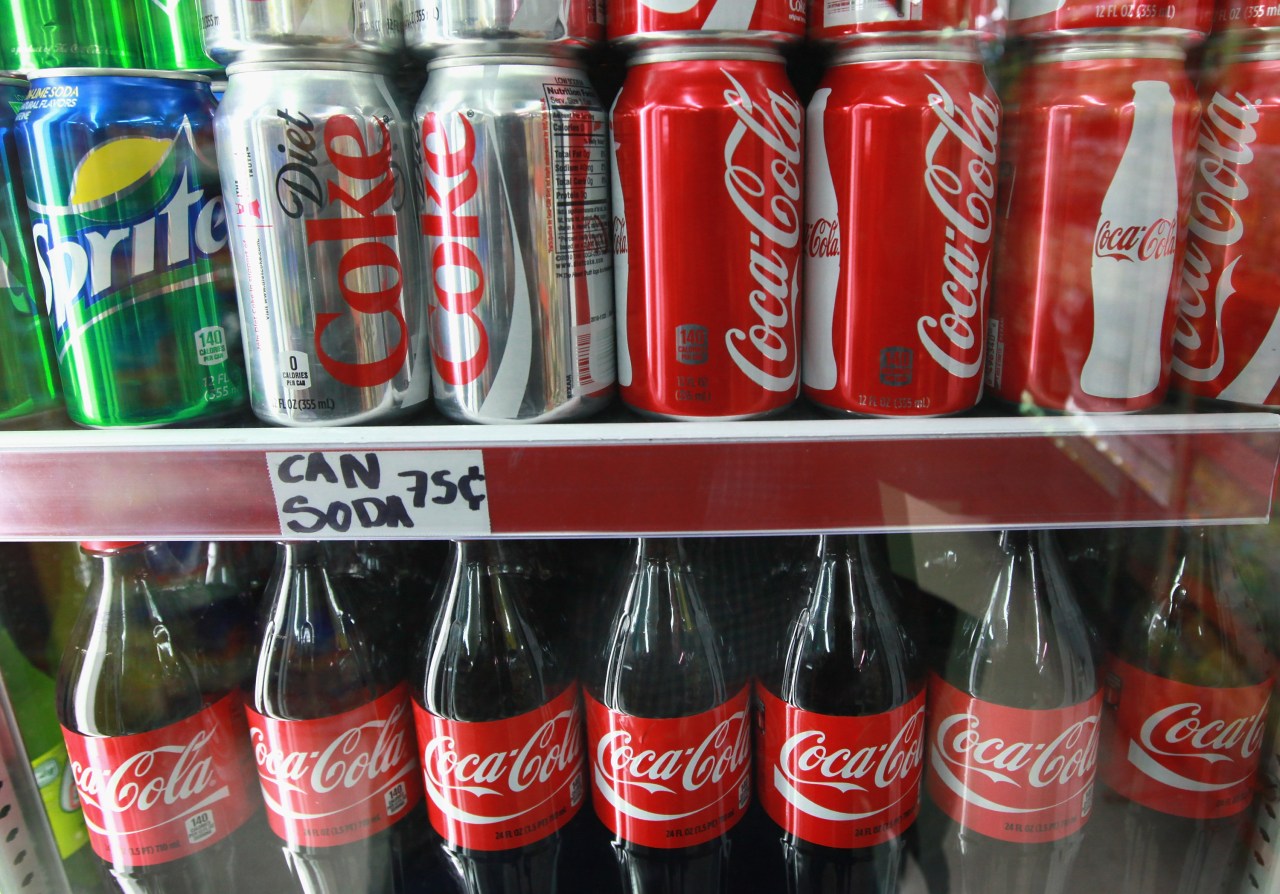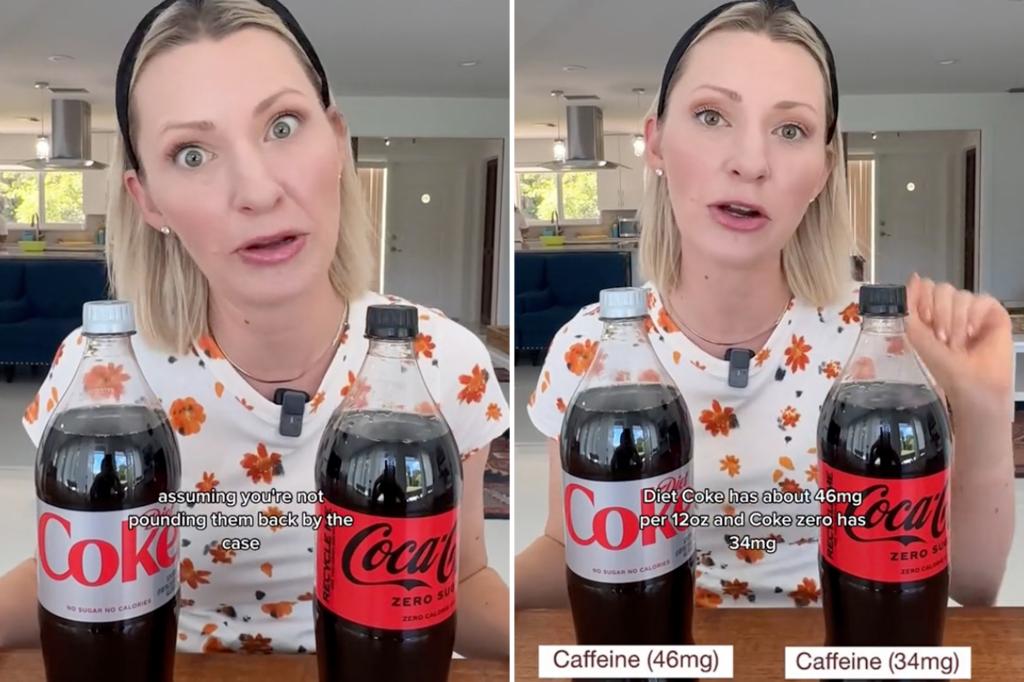
A Toronto-based registered dietitian compared the healthfulness of Diet Coke and Coke Zero, noting that both contain aspartame and caffeine, but Coke Zero also includes acesulfame potassium. While both sweeteners are FDA-approved, concerns have been raised about their potential health risks. The dietitian advised moderation and emphasized that diet sodas should be treated no differently than regular soda, cautioning that artificial sweeteners may trigger cravings for sweets and increase insulin levels over time.
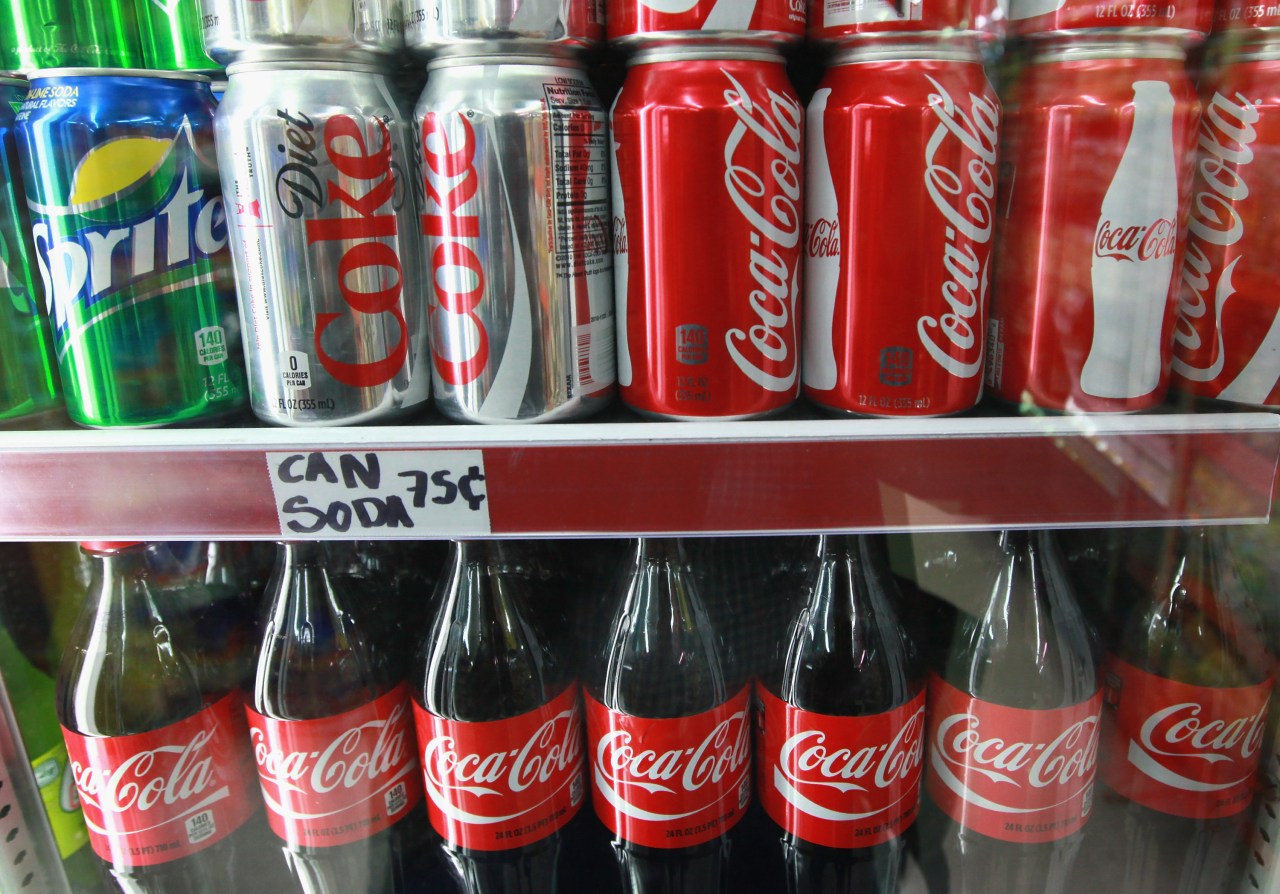
Coke Zero and Diet Coke, both zero-calorie sodas from Coca-Cola, have distinct differences. Diet Coke, introduced in 1982, was aimed at health-conscious Baby Boomers and has undergone rebranding efforts over the years. Coke Zero, introduced in 2005, targeted millennials with its promise of a sugar-free Coca-Cola experience. Both sodas use different sweeteners, resulting in distinct flavor profiles. Diet Coke generally contains slightly more sodium, while both have similar caffeine levels. The choice between the two depends on personal preferences. Regional variations exist, influenced by local tastes, cultural preferences, and regulatory guidelines.
Coke Zero and Diet Coke are both zero-calorie sodas from Coca-Cola that offer the classic Coke taste without the sugar. Diet Coke, introduced in 1982, was aimed at health-conscious Baby Boomers and has undergone rebranding efforts over the years. Coke Zero, introduced in 2005, was formulated to mimic the taste of original Coca-Cola and targeted millennials. Both sodas use different sweeteners and have subtle differences in nutritional profiles. The choice between Coke Zero and Diet Coke depends on personal preferences, and regional variations exist in their formulations influenced by local tastes and regulatory guidelines.
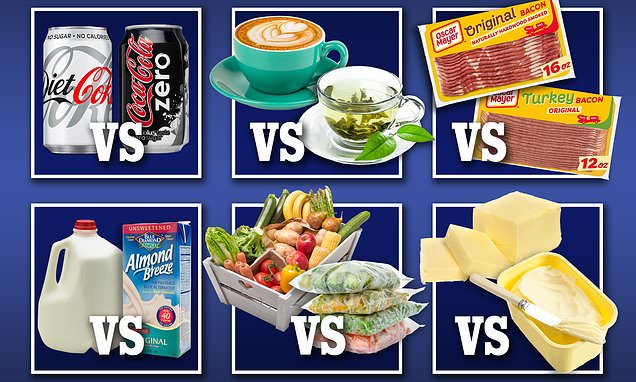
Experts have compared the nutritional value of various food and drink options, including Diet Coke vs Coke Zero, plant-based milk vs cow's milk, butter vs margarine, pork bacon vs turkey bacon, and coffee vs tea. While there are few nutritional differences between Diet Coke and Coke Zero, Coke Zero has slightly less caffeine. Cow's milk is considered the healthiest option due to its essential protein content, while most plant-based milk lacks protein. Butter is higher in trans fats than margarine, which can raise bad cholesterol and increase the risk of diseases such as heart attack and stroke. Turkey bacon has more salt than pork bacon, and both contain unhealthy saturated fats. Coffee has more fiber and caffeine than tea, and may reduce inflammation and prevent cell damage. Frozen fruits and vegetables can have a slight nutritional edge over fresh produce due to being picked at peak ripeness and immediately frozen.