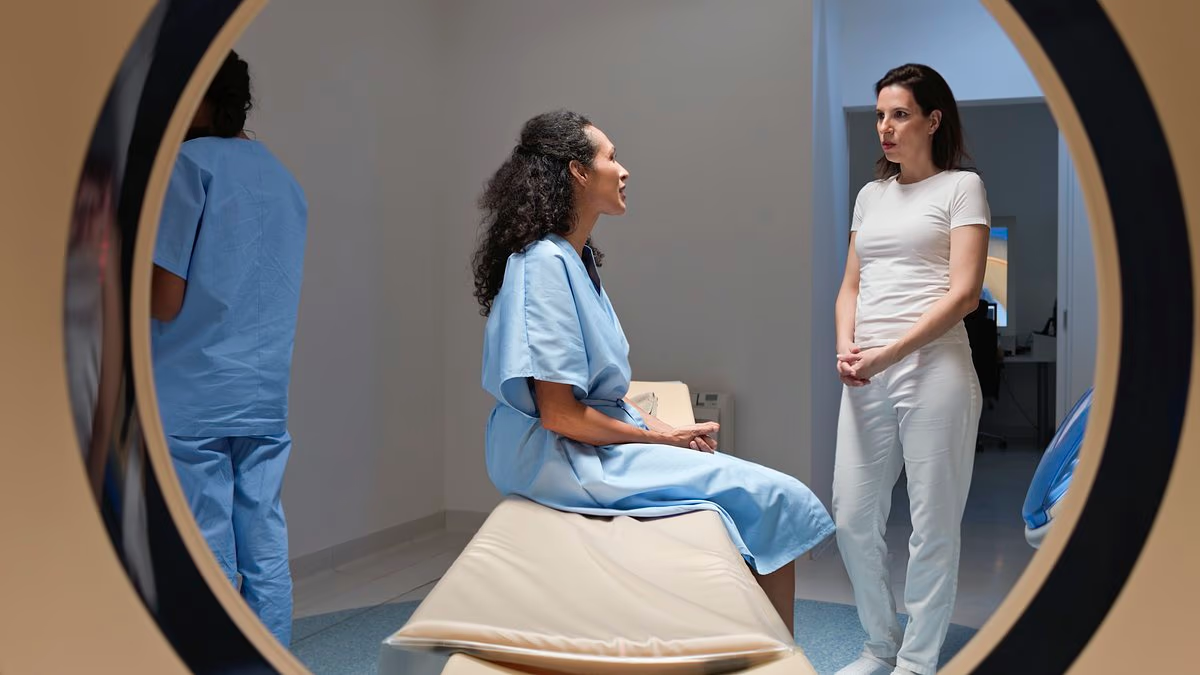
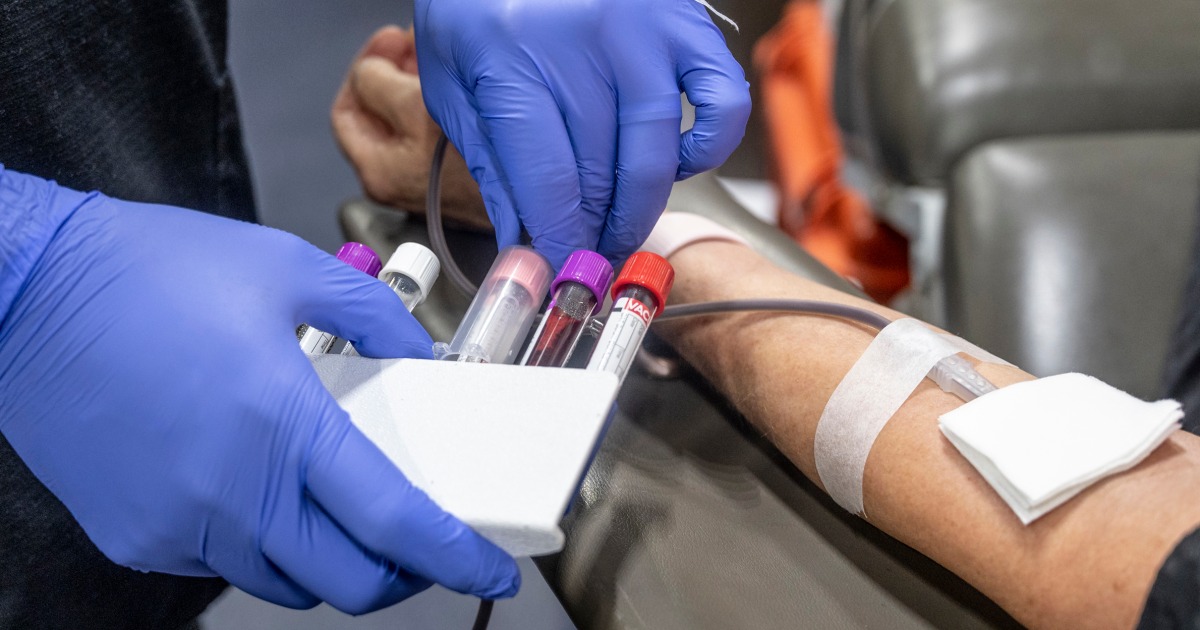
Researchers are developing new, less invasive diagnostic tests for endometriosis, including a SPECT-CT scan using a light-up dye and a blood test called PromarkerEndo, which could significantly reduce diagnosis time and improve early detection, potentially within the next few years.
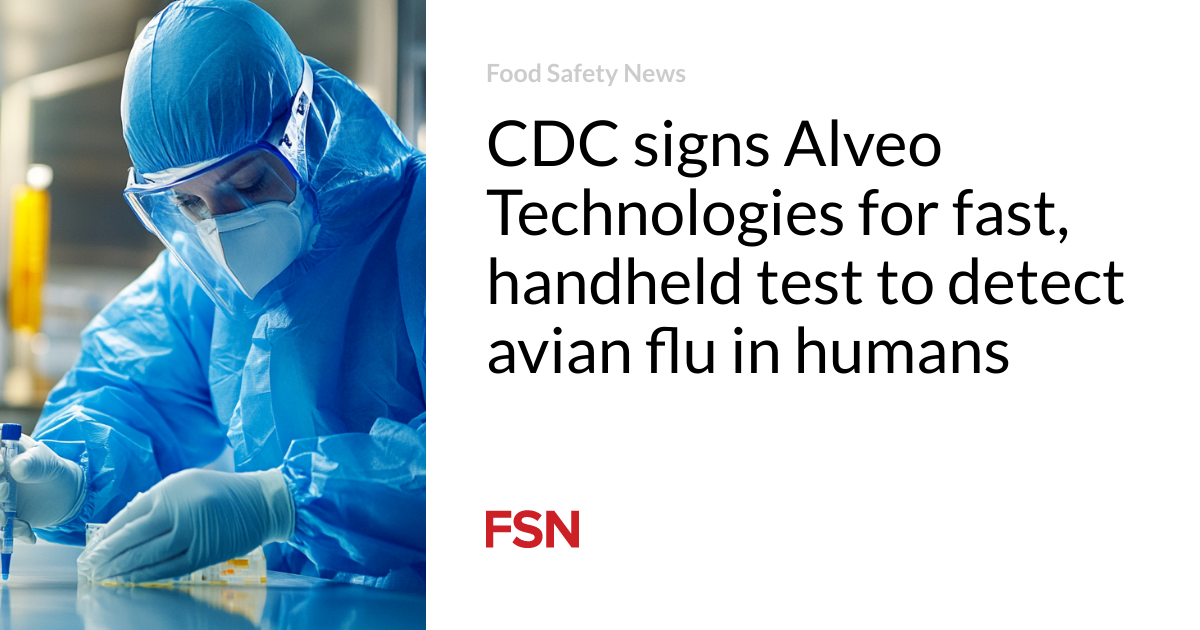
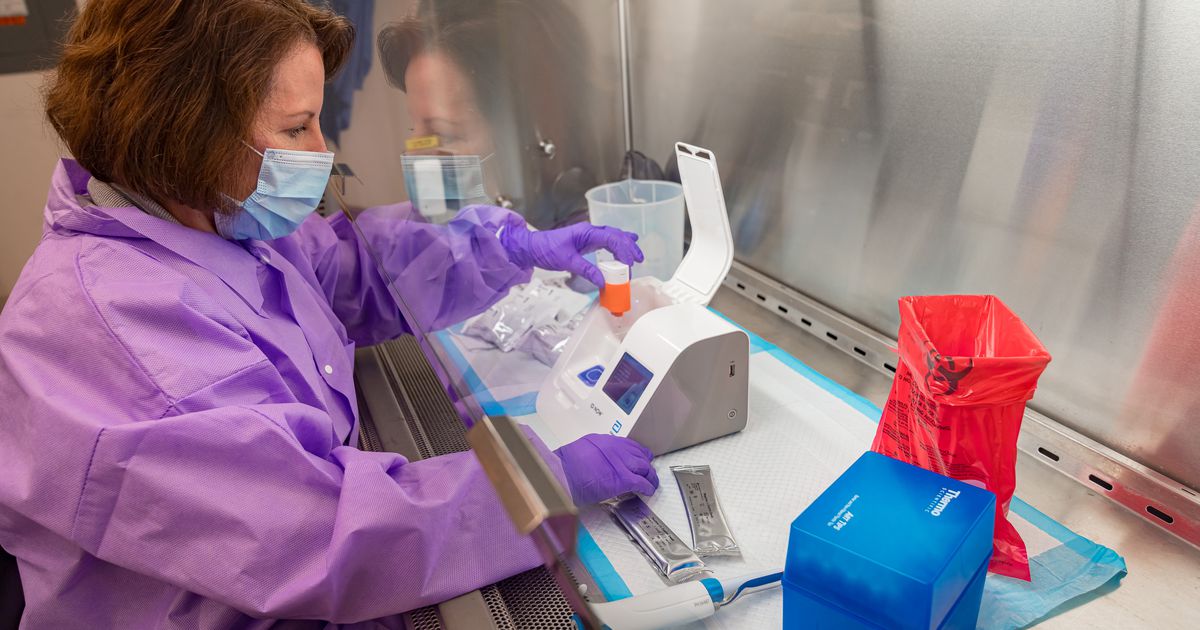
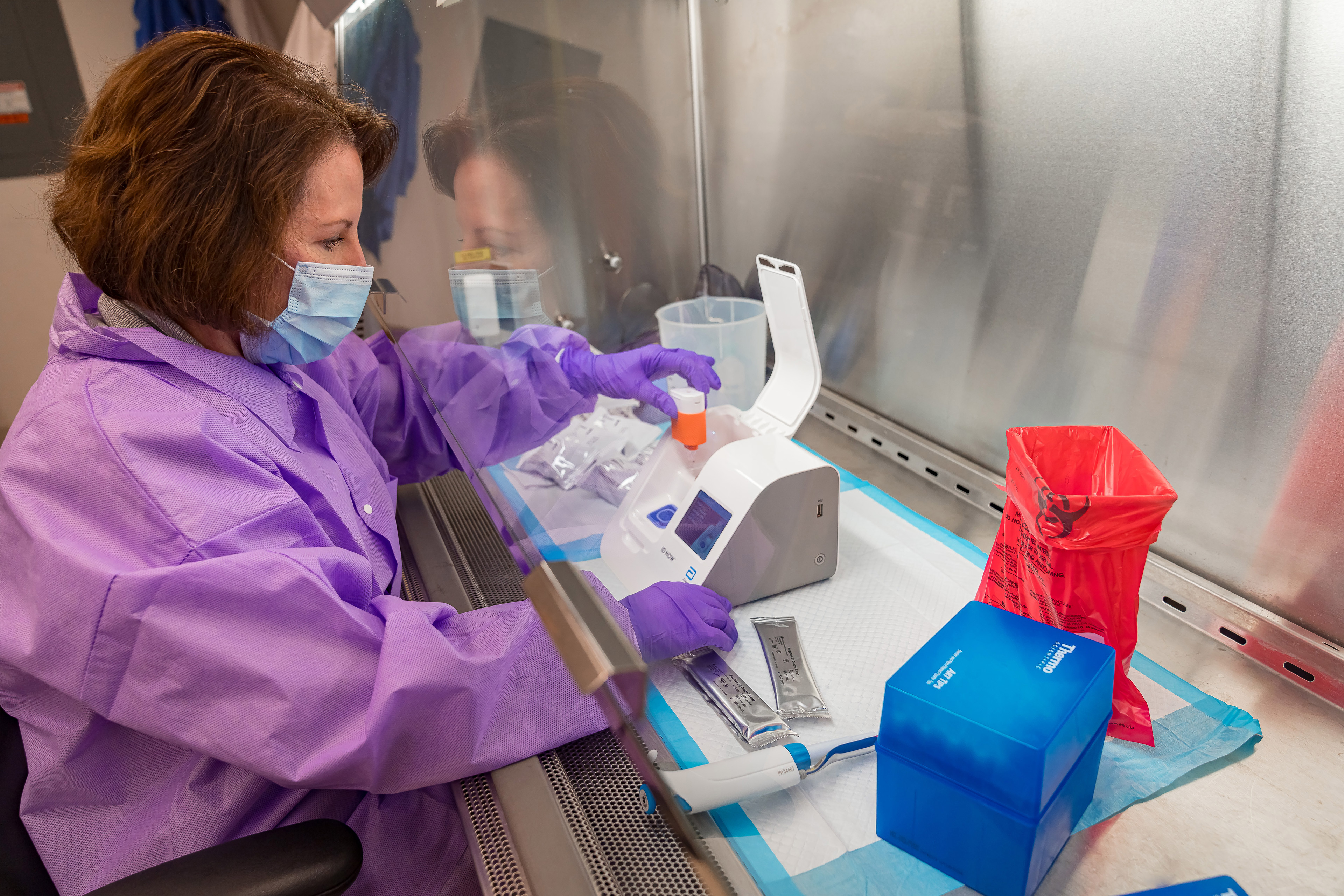
The CDC has partnered with Alveo Technologies to develop a rapid, handheld diagnostic test for avian flu in humans, capable of delivering results in 30-45 minutes with accuracy comparable to PCR tests. This initiative addresses the lack of rapid H5N1 testing in the U.S., which currently relies on lab-based tests that can take days or weeks. Alveo's technology aims to decentralize testing, reduce lab bottlenecks, and enhance pandemic preparedness by providing timely detection and intervention capabilities.
Pope Francis has reportedly been taken to a hospital in Rome for diagnostic tests. The Vatican has not provided any further details about the pope's condition, but the 84-year-old pontiff has had health issues in the past, including a portion of his lung being removed when he was a young man.
Pope Francis visited Rome's Gemelli hospital for diagnostic tests after his general audience at the Vatican, returning afterwards. The 87-year-old pope had been admitted to the hospital several times last year for bronchitis and intestinal surgery. Despite still feeling a bit of a cold, he is scheduled to meet with German Chancellor Olaf Scholz and make an appearance at a noontime prayer in the coming days.
Pope Francis visited a hospital for diagnostic tests after experiencing a mild flu-like condition, which caused him to cancel his scheduled public appearances. The 87-year-old pope appeared in a wheelchair at his Wednesday audience and had an aide read his speech for him. After greeting the crowd, he visited the Gemelli Isola Tiberina Hospital for tests before returning to the Vatican. The Vatican has not yet released details on the results of the tests.
A new study has identified persistent changes in blood proteins in people with long Covid, indicating that their immune system remains on high alert for months after the acute infection, potentially explaining the debilitating symptoms. The findings could pave the way for diagnostic tests and treatments, focusing on the complement system proteins. However, further research and replication of the results are needed, and future studies should follow patients for longer periods to better understand the long-term effects of long Covid.
Recent developments in Alzheimer's research, including the successful clinical trials of drugs like lecanemab and donanemab, have been hailed as a "game changer" in the field. These drugs, while not cures, have shown promise in slowing the progression of the disease and reducing cognitive decline in early-stage patients. Additionally, the development of diagnostic blood tests that can identify Alzheimer's-associated proteins may allow for early detection and treatment before major damage occurs. While there are concerns about the influence of Big Pharma and the challenges of implementing widespread prevention strategies, these advancements offer hope for managing Alzheimer's as a chronic condition rather than a terminal disease.
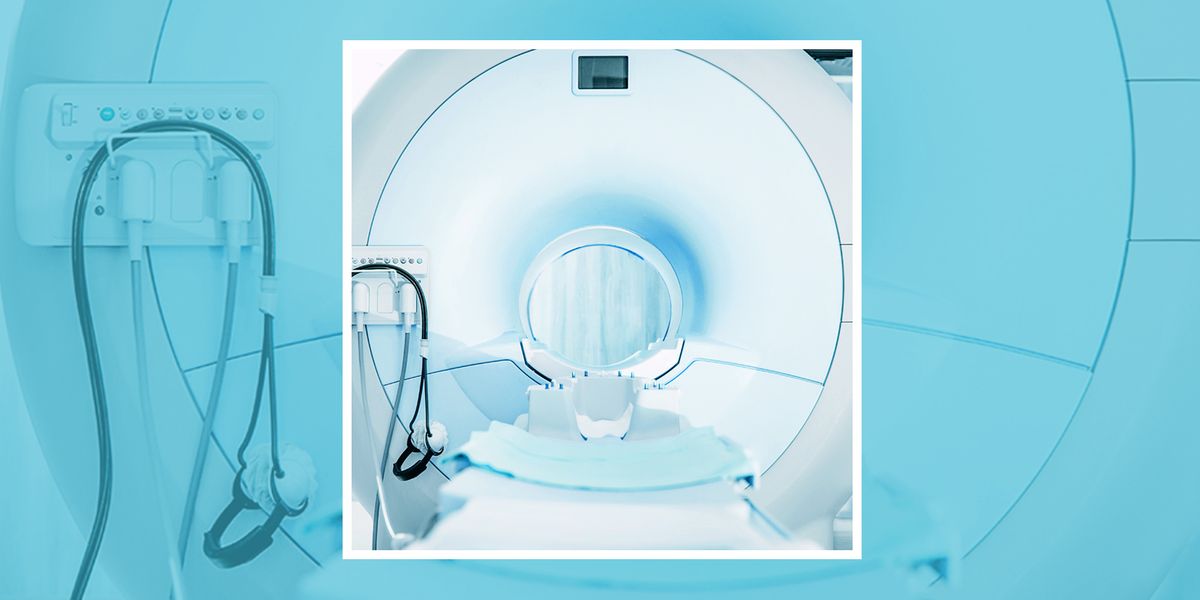
Start-up companies like Prenuvo and Ezra are offering full-body MRI scans as a preventive health measure, claiming to detect over 500 conditions early. While some experts believe these scans can provide confidence in one's health and allow for proactive treatment, the American College of Radiology does not recommend total body screening without clinical symptoms, risk factors, or a family history of disease. The cost of a full-body MRI scan can range from $999 to $2,499, and insurance generally does not cover them. While the scans can replace certain medical tests, they are not foolproof and may result in false positives, leading to unnecessary follow-up testing and expenses. It is advised to consult with a trusted physician before considering a full-body MRI scan.
Scientists have conducted the most comprehensive analysis of the Borrelia burgdorferi genome to date, identifying genes associated with more severe symptoms of Lyme disease. The study also revealed specific proteins on the bacteria's surface that enable it to spread beyond the initial site of infection. The genetic information gathered provides insights into the differences in Lyme disease symptoms between the US and Europe. The findings lay the foundation for developing better diagnostic tests, vaccines, and therapies, and may help in understanding post Lyme disease syndrome.
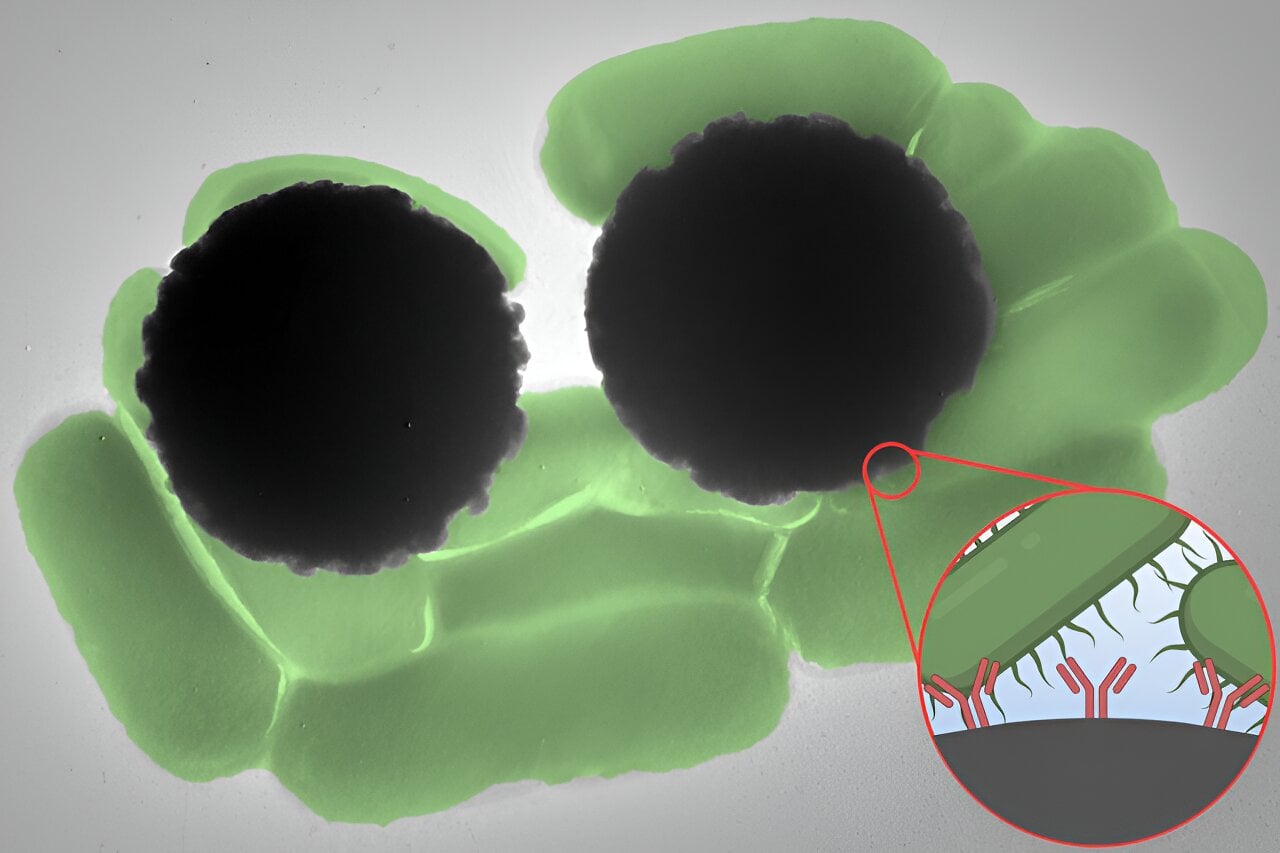
Researchers at MIT have discovered that Dynabeads, antibody-coated superparamagnetic beads, have a strong Raman signature that can be used to quickly detect pathogens in various diagnostic tests. By using Raman spectroscopy, the researchers were able to confirm the presence of Dynabead-bound pathogens within less than an hour, providing a rapid and reliable method for detecting contaminants such as Salmonella. The team is now working on developing a portable device for detecting bacterial pathogens, which could have significant applications in healthcare and resource-limited environments.
An independent panel of experts has identified the flawed diagnostic test developed by the Centers for Disease Control and Prevention (CDC) as one of the agency's most significant missteps during the COVID-19 pandemic. The test's inaccuracies hindered national efforts to contain the virus, leading to delays in diagnosis and response. The panel attributed the test's failures to problems within the CDC's laboratory operations, including a lack of unified leadership, inadequate planning and quality control systems, and decision-making by non-laboratory experts. The CDC is now working to address these issues and implement recommendations for future test development, but faces challenges such as limited resources and potential budget cuts. Failure to make necessary changes could erode trust in the agency and impact the nation's preparedness for future public health threats.
The Centers for Disease Control and Prevention (CDC) is working to overhaul its lab operations after the flawed diagnostic test for Covid-19 hindered national efforts to contain the virus. An independent panel identified problems within the CDC's laboratories, including a lack of unified leadership, insufficient planning and quality control systems, and ineffective governance. The panel made recommendations for improvement, such as consolidating lab operations, separating research labs from clinical labs, and involving independent experts in test development. The CDC has begun implementing some of these suggestions, but funding and a culture change within the agency may pose challenges. Failure to make necessary changes could erode trust in the CDC and impact the nation's preparedness for future public health threats.
Heart disease is the leading cause of death, but many people fail to recognize the warning signs or wait too long for diagnostic tests. The NHS is implementing a new system to speed up testing for heart failure and lung problems by allowing GPs to directly refer patients for tests. Some warning signs of an unhealthy heart include chest discomfort, excessive tiredness, sweating, breathlessness, dizziness, unexplained pain in the jaw/throat/teeth, swollen legs or ankles, feeling sick, pasty/grey skin, irregular heartbeat, persistent cough, bloated stomach, and loss of appetite. Seeking immediate medical attention is crucial for better chances of survival and minimizing heart muscle damage.
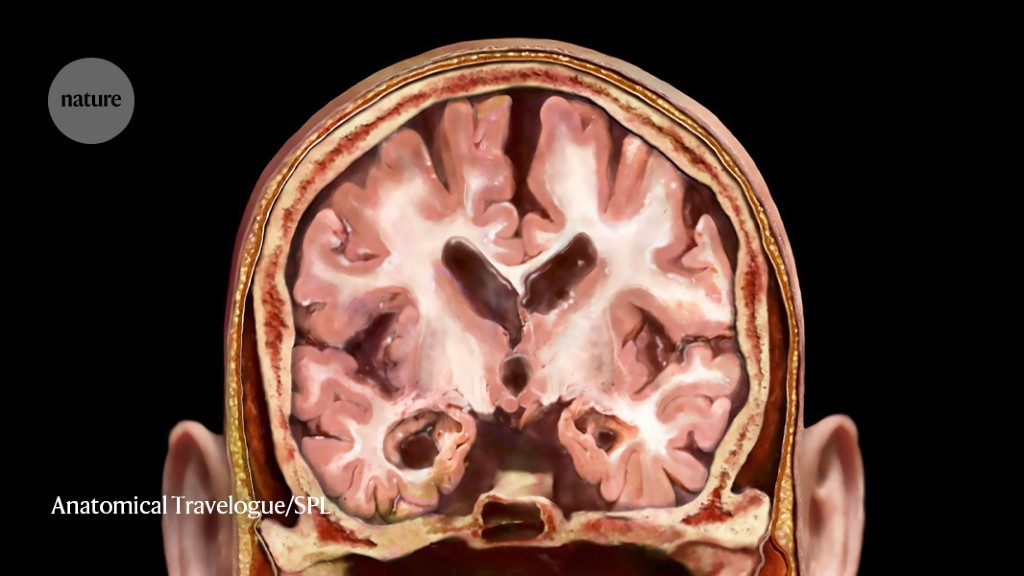
A study has identified proteins that are linked to the development of dementia if their levels are unbalanced during middle age. The researchers found 32 proteins that, if dysregulated in people aged 45 to 60, were strongly associated with an elevated chance of developing dementia in later life. These proteins have functions unrelated to the brain, suggesting that mechanisms below the neck could also play a role. The findings could contribute to the development of new diagnostic tests and treatments for dementia-causing diseases.