The Senate rejected legislation aimed at stopping a Biden-era plan to control owl populations by killing non-native barred owls to protect the endangered northern spotted owl, highlighting political divisions and environmental debates.
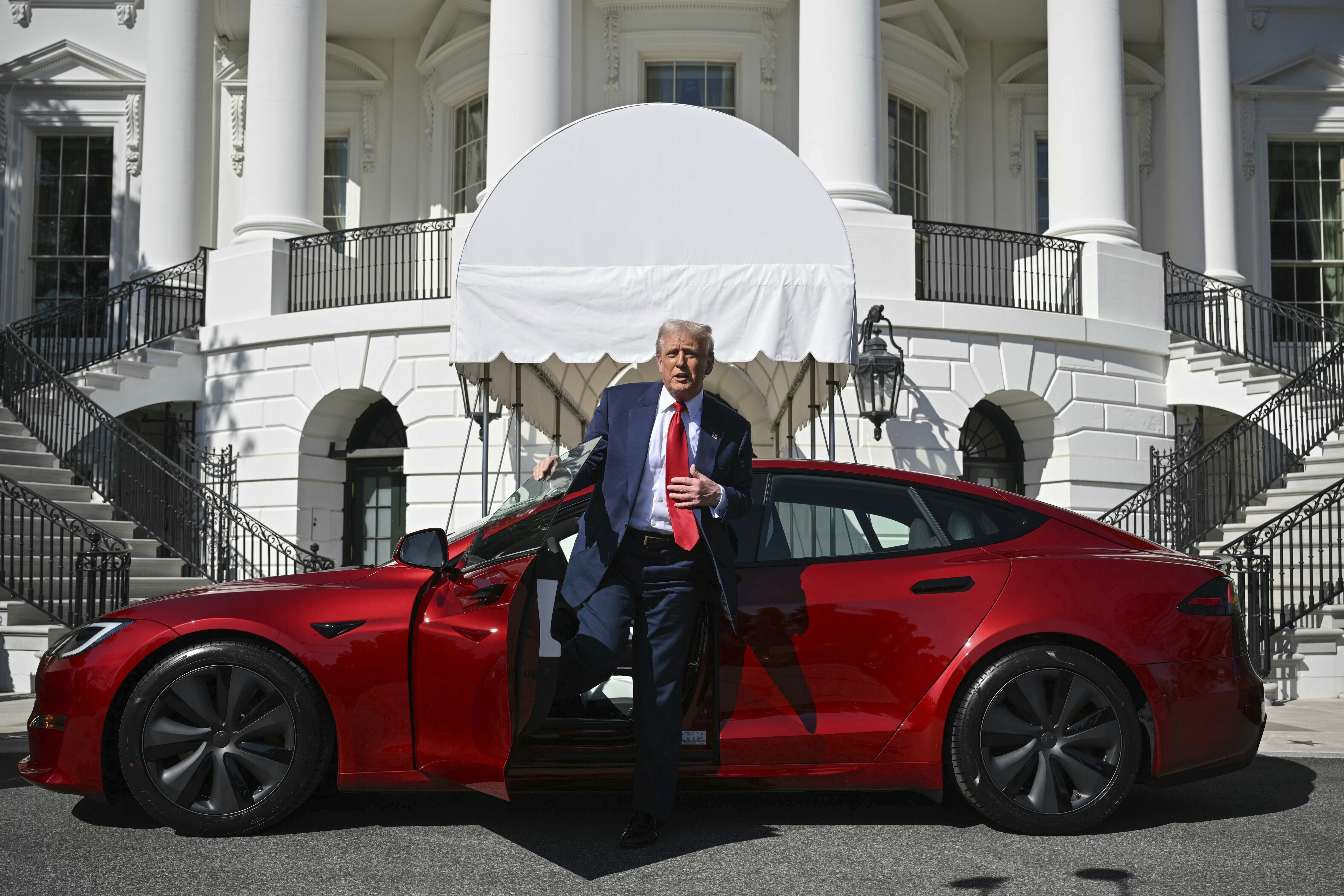
President Donald Trump is set to sign resolutions to revoke California's vehicle emissions standards, aiming to limit the state's authority to enforce stricter EV and pollution rules, prompting legal challenges and political debate over environmental regulation and states' rights.
Republican lawmakers have introduced a resolution to block the US Department of Labor's new overtime pay rule, which would expand eligibility to 4 million workers by raising the exemption threshold. The rule faces opposition from business groups and legal challenges, with critics arguing it will increase costs and lead to job losses. The resolution, introduced under the Congressional Review Act, may struggle to pass Congress in an election year, despite some bipartisan support.
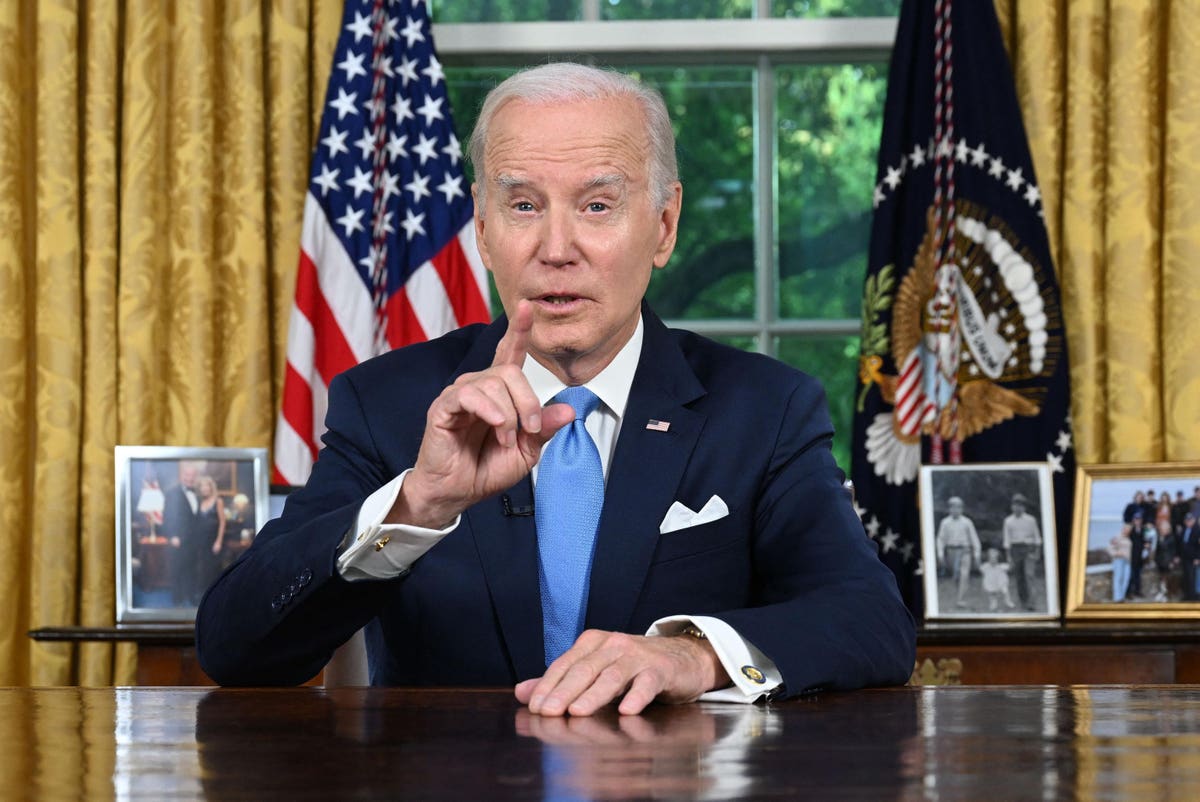
President Biden has vetoed H.J.Res. 109, a resolution that would disapprove of the SEC's Staff Accounting Bulletin No. 121, which addresses the accounting obligations of firms safeguarding crypto-assets. Biden argues that the resolution would undermine the SEC's authority and jeopardize consumer and investor protections. He emphasizes the need for appropriate regulatory guardrails to support the responsible development of digital assets.
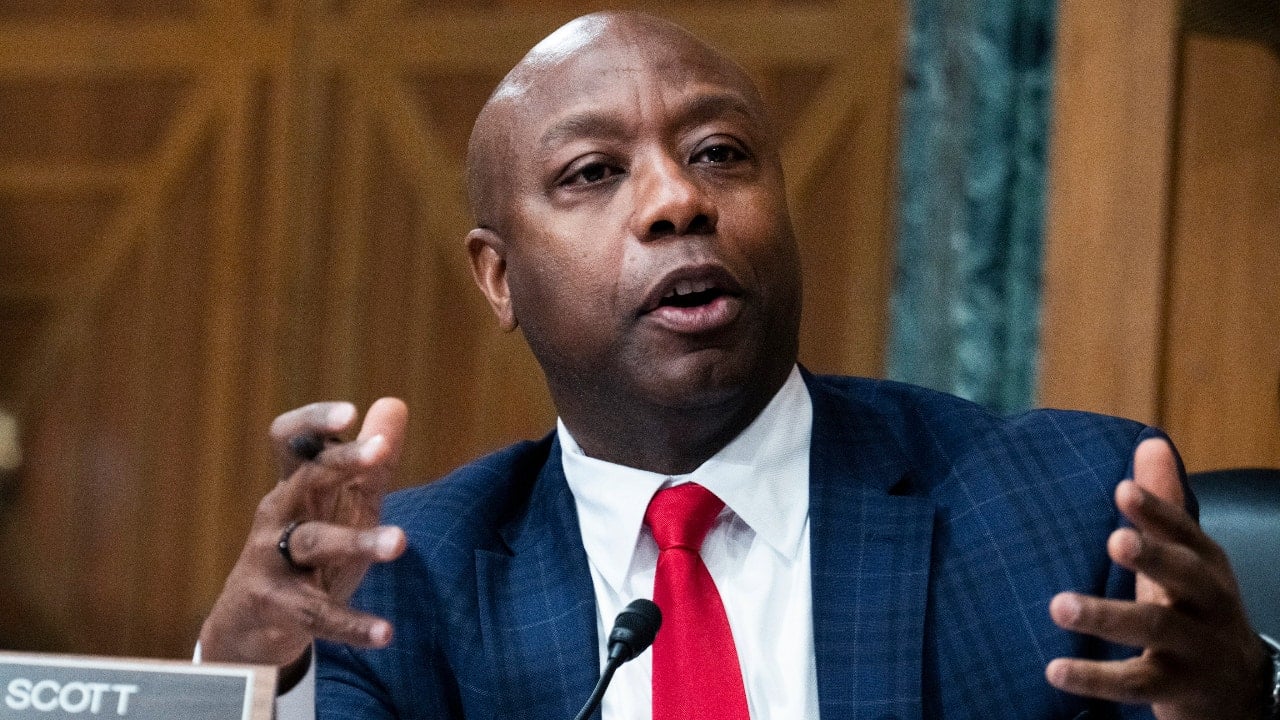
Senator Tim Scott plans to introduce a measure in the Senate to overturn the controversial Securities and Exchange Commission (SEC) climate rule, which mandates enhanced climate-related disclosures for public companies. The rule has faced legal challenges from both Republicans and Democrats, with critics accusing the SEC of federal overreach. Scott aims to use the Congressional Review Act to overturn the rule, garnering support from Republican lawmakers and even some Democrats, including Senator Joe Manchin. The future of the measure in the Democratic-led Senate remains uncertain.
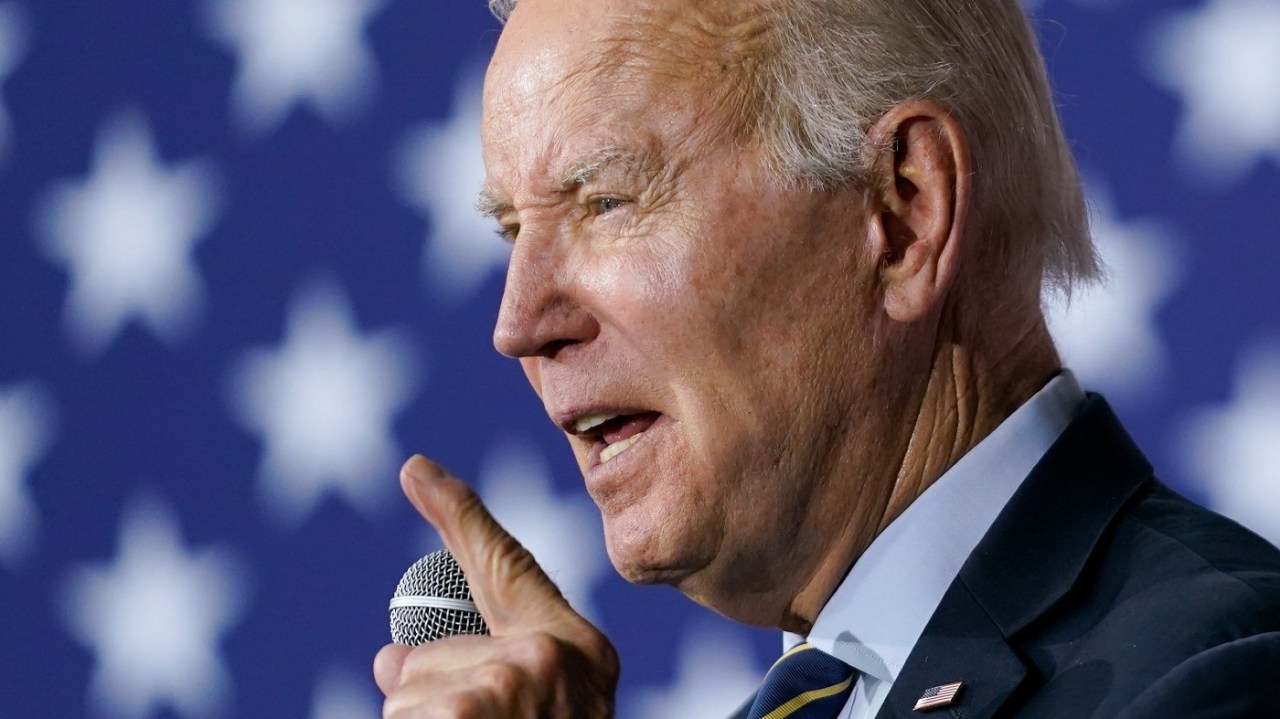
The House failed to override President Biden's veto of a Republican-led legislation that would have repealed his plan to cancel up to $20,000 of student debt for millions of Americans. The override attempt lost on a 221-206 vote, falling far short of the two-thirds majority needed to overcome a presidential veto. The GOP legislative effort to kill the plan under the Congressional Review Act is now over, but Biden's program remains in limbo at the Supreme Court.
President Biden has vetoed a bill passed by Congress that would have nullified his student loan forgiveness plan and most recent extension of the student loan pause. However, as part of a compromise to raise the debt ceiling, Biden agreed to officially end the student loan pause later this summer. The Supreme Court is expected to rule on Biden's student loan forgiveness plan this month, and advocates are urging the administration to consider a backup option in case of an adverse ruling.
The Senate has passed a Republican-led resolution to strike down President Biden's plan to forgive more than $400 billion in student loans, which would also restart loan payments for tens of millions of borrowers that have been on pause since early in the coronavirus pandemic. The resolution would prevent the Education Department from pursuing similar policies in the future. Biden has promised to veto the bill, but the vote in the Senate shows the divisiveness of the student loan policy and the difficulty of getting any future plan through Congress.
The Senate passed a measure to overturn President Biden's student debt relief plan, which would have given up to $20,000 in loan forgiveness to 40 million borrowers. The measure passed with the help of moderate Democrats and is expected to be vetoed by the White House. The debt relief is estimated to cost taxpayers $400 billion, and reversing course on the relief would reduce the deficit by $320 billion over 10 years. Republicans claim the measure is an act of fairness to American taxpayers, while liberals argue that overturning it would be disruptive and confusing for borrowers.
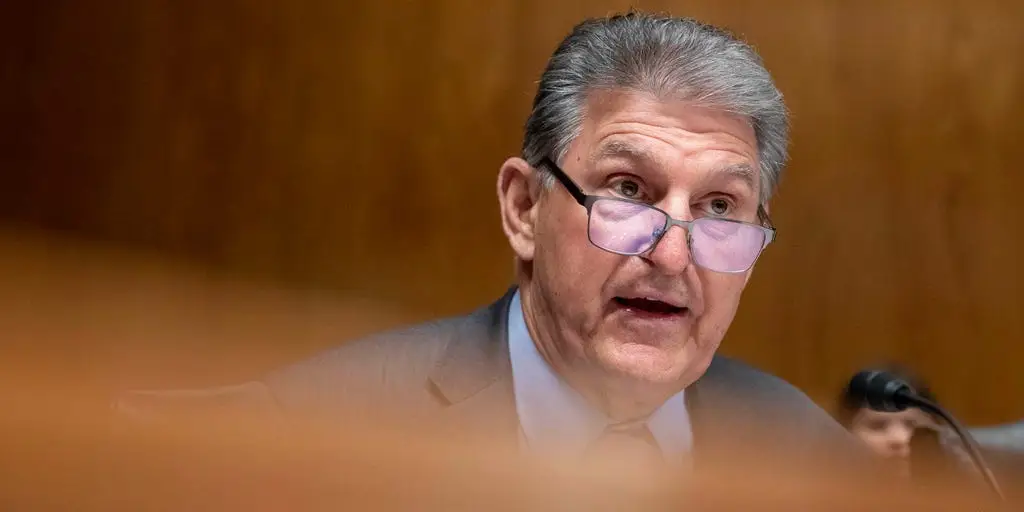
Democratic Senator Joe Manchin will vote with Republicans to block President Biden's student-debt relief plan, which would cancel up to $20,000 in student debt for federal borrowers and immediately end the payment pause. The Senate is expected to take a final vote on the GOP-led bill on Thursday. The House passed the bill last week with bipartisan support. Manchin released a statement of support for "overturning reckless student loan plan," citing concerns about adding to the national debt and undermining existing student loan repayment and forgiveness programs.
House Republicans passed a resolution to overturn President Joe Biden's student loan cancellation plan, which would cancel up to $20,000 in federal student loans for 43 million Americans. The White House has vowed to veto it, and the Supreme Court is currently considering the plan's fate. The GOP's latest challenge employs the Congressional Review Act, which allows Congress to undo recently enacted executive branch regulations. Passing a resolution requires a simple majority in both chambers, but overriding a presidential veto requires two-thirds majorities in the House and Senate.
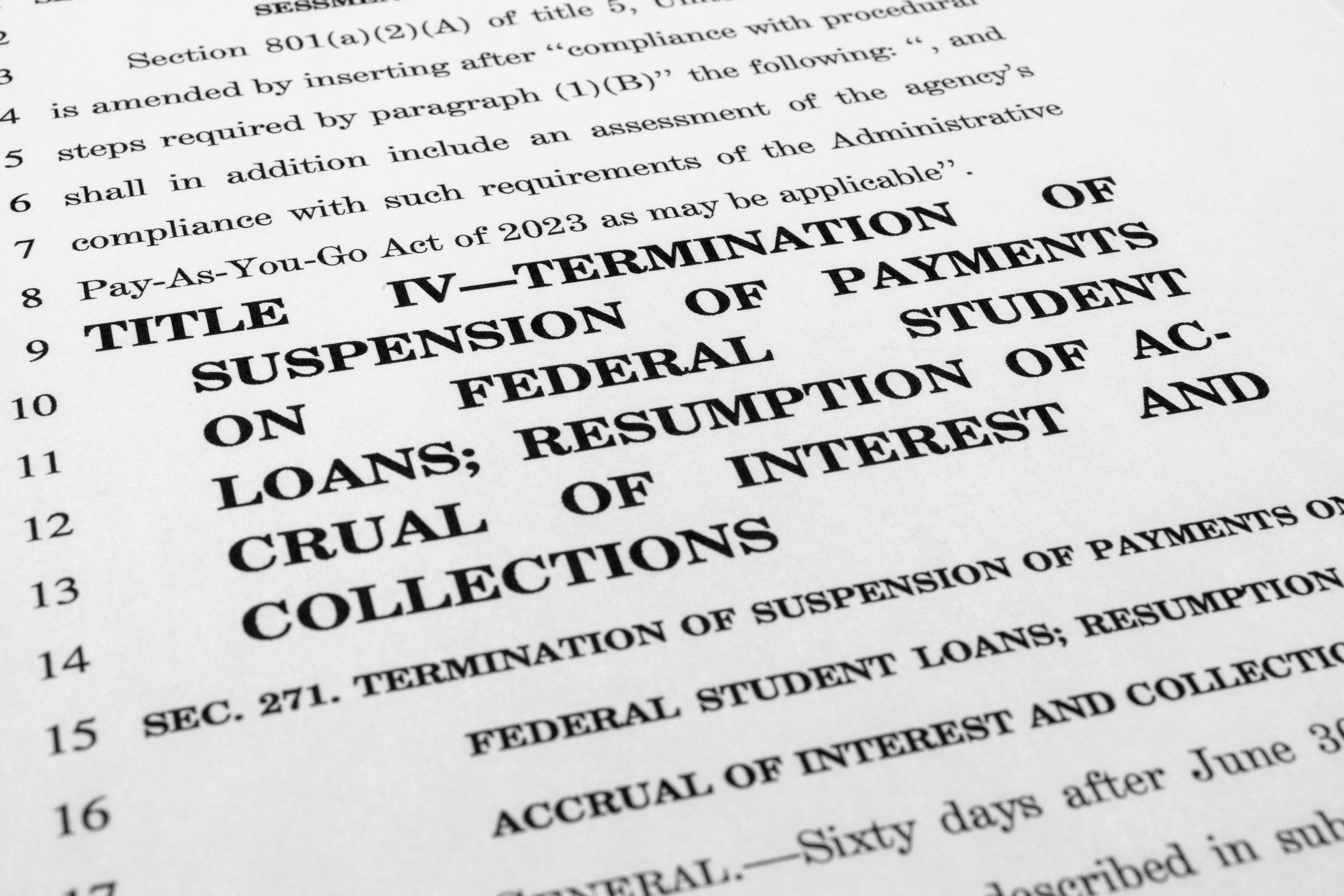
The US House of Representatives passed a bill called the Congressional Review Act (CRA) that would require the Education Department to reverse months of forbearance since September 2022 and waived interest charges that was part of the federal response to the Covid-19 pandemic. It would also prevent the implementation of President Joe Biden’s up to $20,000 cancellation of student debt — regardless of how the Supreme Court rules on the legality of the program. The measure, which the president has vowed to veto if it passes the Senate, would leave 40 million student loan borrowers with past-due balances on their loans plus new interest charges.
House Republicans passed a resolution to overturn President Biden’s student debt relief plan that would give up to $20,000 in loan forgiveness to borrowers. The measure against the program, which the White House has threatened to veto, was brought under the Congressional Review Act (CRA), which allows Congress to suspend executive actions taken by the president. While a victory for Republicans, it would be an uphill battle to get this measure through the Senate. Two Democrats joined Republicans in supporting the move.
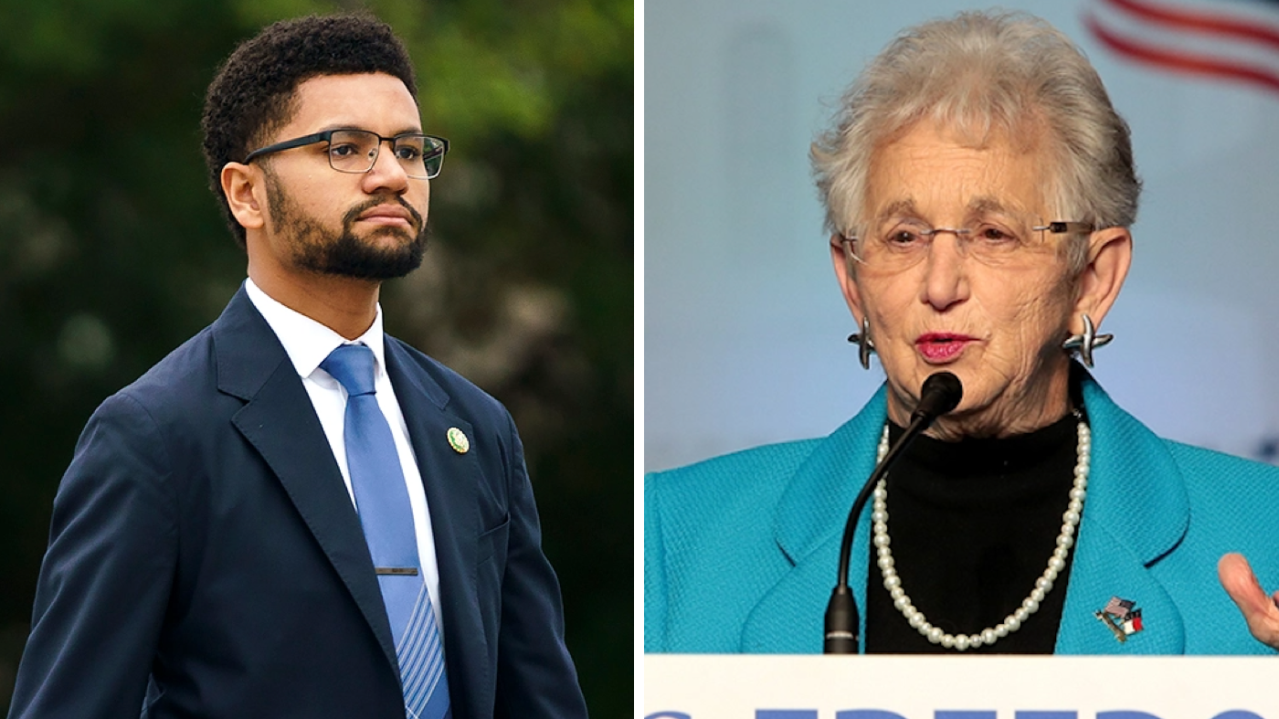
Republican lawmakers objected to Rep. Maxwell Frost's (D-Fla.) comment accusing them of using "bigoted logic" during discussions on student loan forgiveness, demanding the comment be stricken from the record. Frost withdrew the comment. The remark came during debate about a measure that would end President Biden’s student debt relief and stop the student loan payment pause that began in 2020. Republicans were set to approve the measure, which would face a steep uphill climb in the Democratic-controlled Senate, later Wednesday.
House Republicans are set to vote on a resolution to repeal President Joe Biden's student debt relief program, which would cancel up to $10,000 or $20,000 of student loan forgiveness per borrower. The legislation would also nullify the suspension of monthly student loan payments and interest that has benefited more than 40 million federal student loan borrowers since March 2020. Republicans view Biden's student debt policies as too expensive for taxpayers and unfair to Americans who didn't attend college or already paid off their loans. However, the legislation is expected to face an uncertain path in the Senate, and even if it passes, President Biden has said he would veto it.