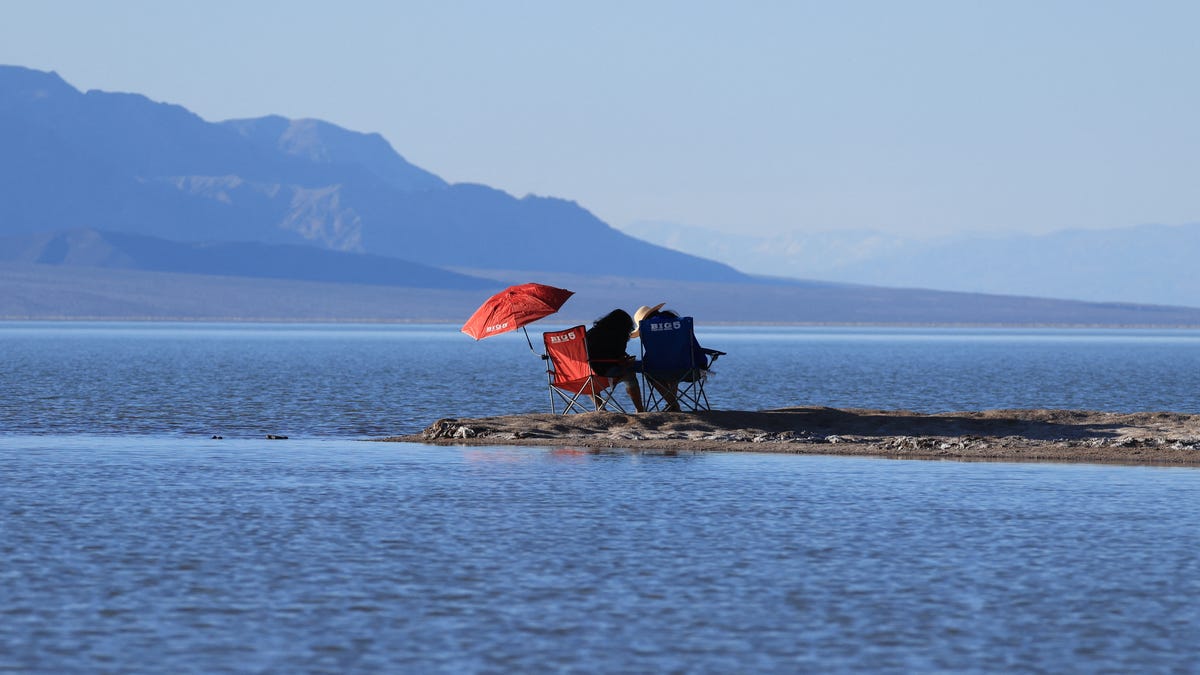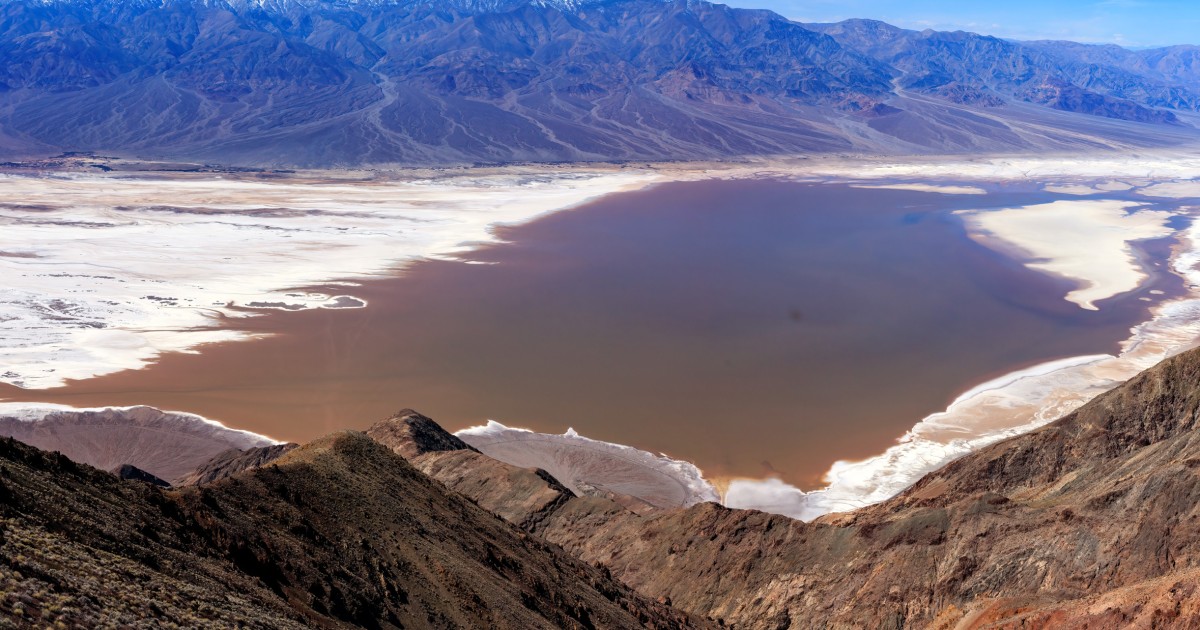
Strong winds in Death Valley National Park caused Lake Manly to shift two miles north, leading to shallower and muddier water. Boating on the lake has been suspended due to the drying conditions, despite the recent influx of visitors attracted by the rare opportunity to kayak. The lake's formation is a result of rare heavy rainfall, and although boating is no longer permitted, the lake may still offer picturesque reflections through April.
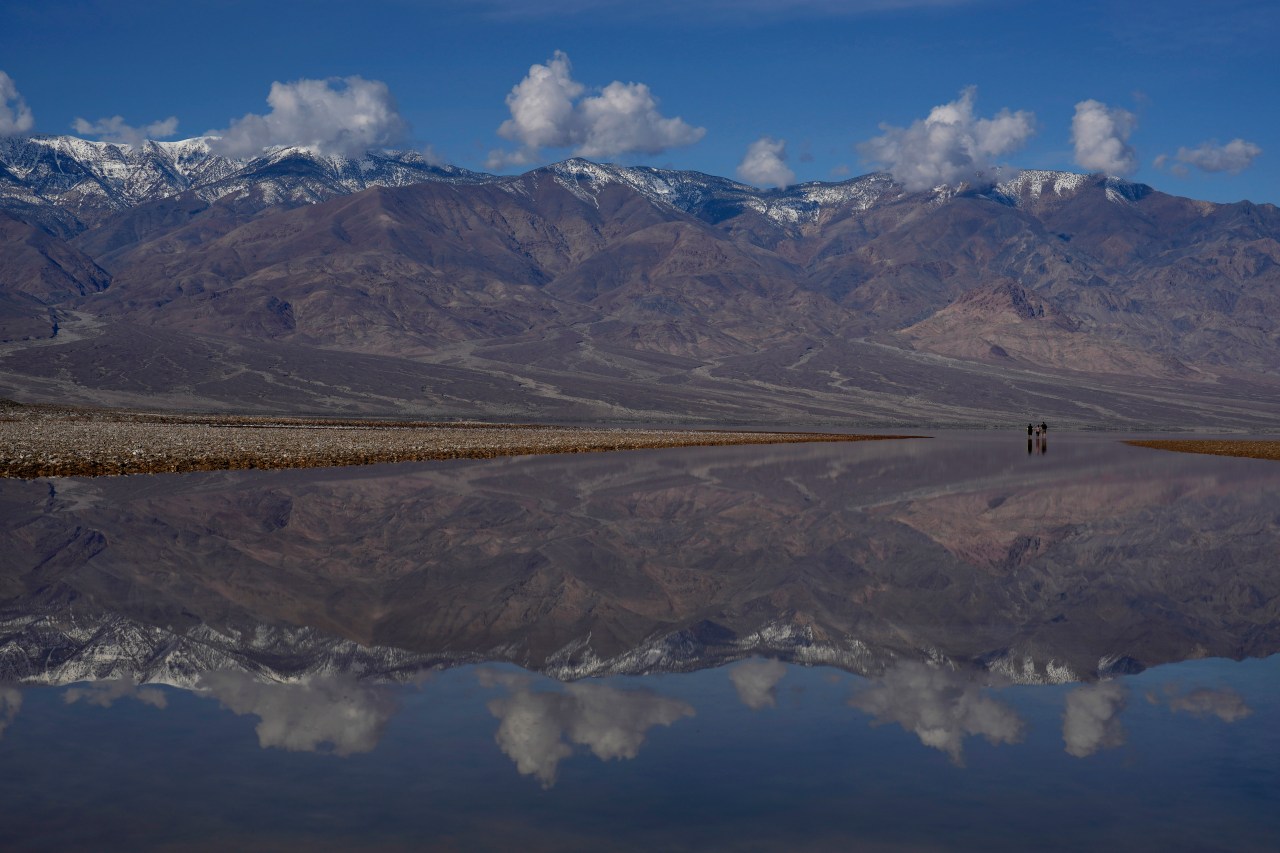
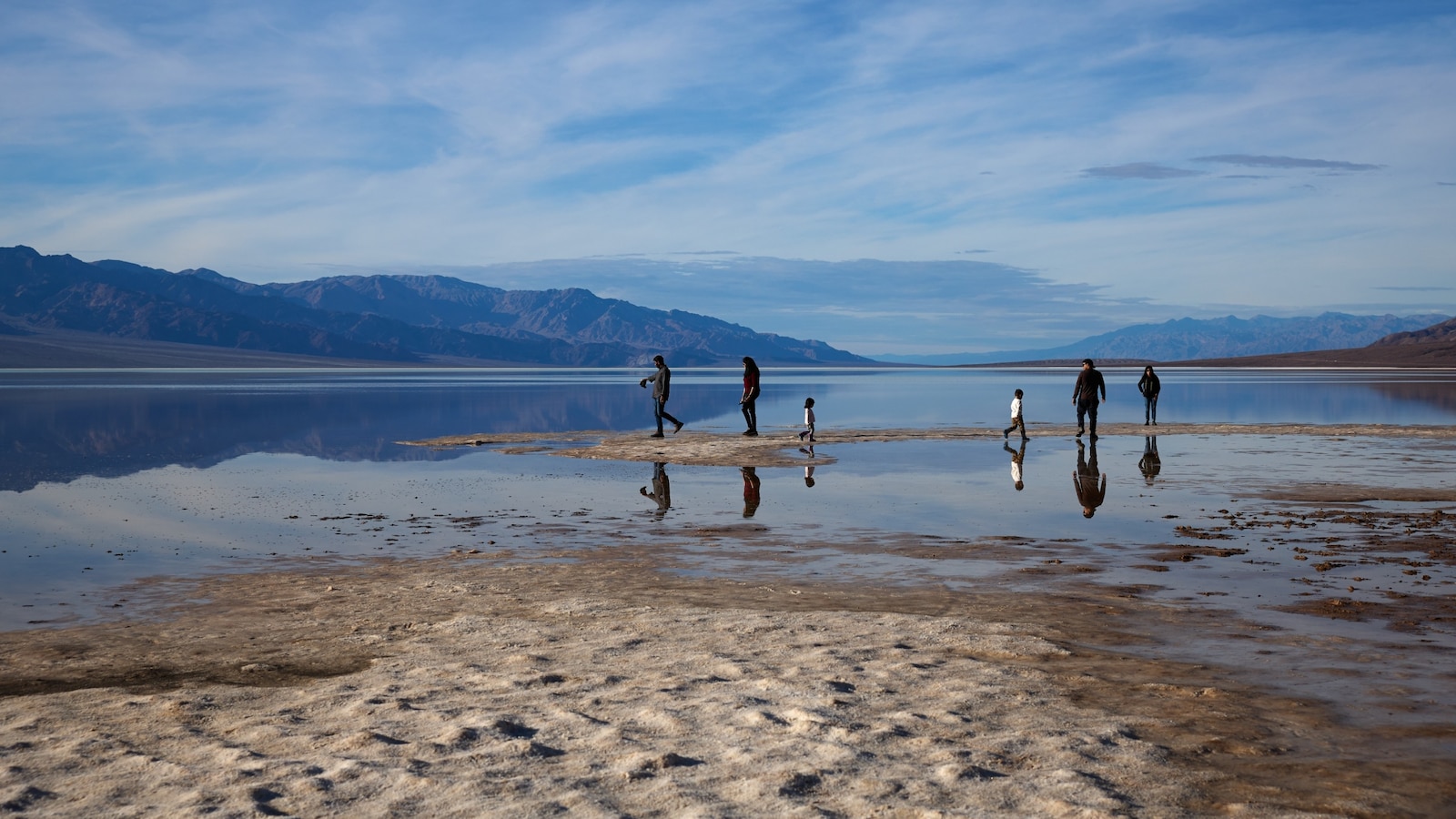
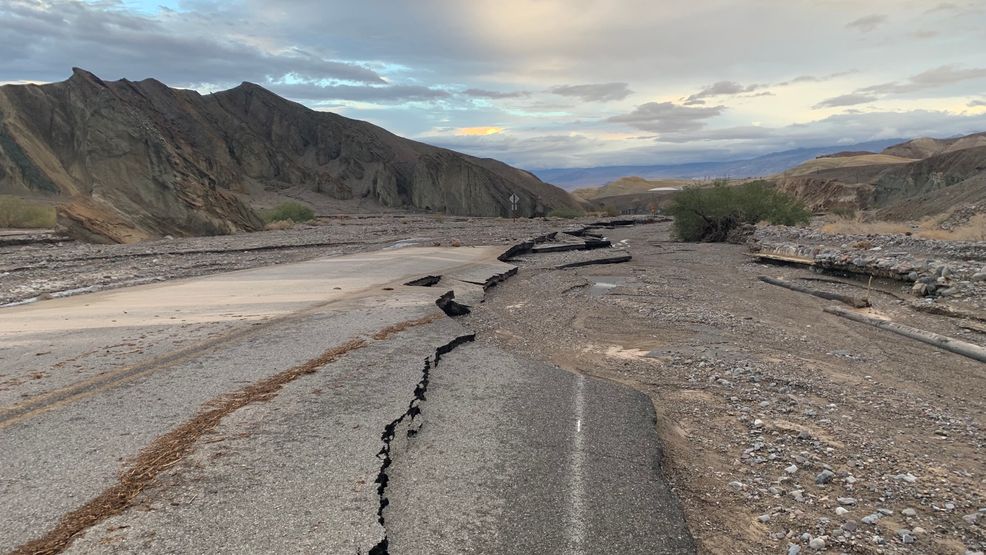
Torrential rains in California have led to severe flooding in Death Valley National Park, resulting in the formation of a rare temporary lake, informally named Lake Manly. This unusual event is attributed to the region receiving more than double its annual rainfall in the past six months, causing the typically dry area to be transformed into a six-mile-long, three-mile-wide, and one-foot-deep lake. The park's primary features, including the temporary lake at Badwater Basin, are accessible, while efforts to repair flood-damaged secondary roads are ongoing.
A mysterious and surprisingly long-lasting lake has appeared in Death Valley National Park, raising questions about its connection to El Niño, potential impact on wildflower blooms, and implications for climate change. The lake, unofficially named Lake Manly, resulted from rare storms and has persisted longer than expected, with its occasional appearances possibly linked to the El Niño climate pattern. While the lake's future remains uncertain, its presence has captivated park rangers, visitors, and researchers, while also highlighting the need for respectful visitor behavior to prevent damage to the delicate ecosystem.
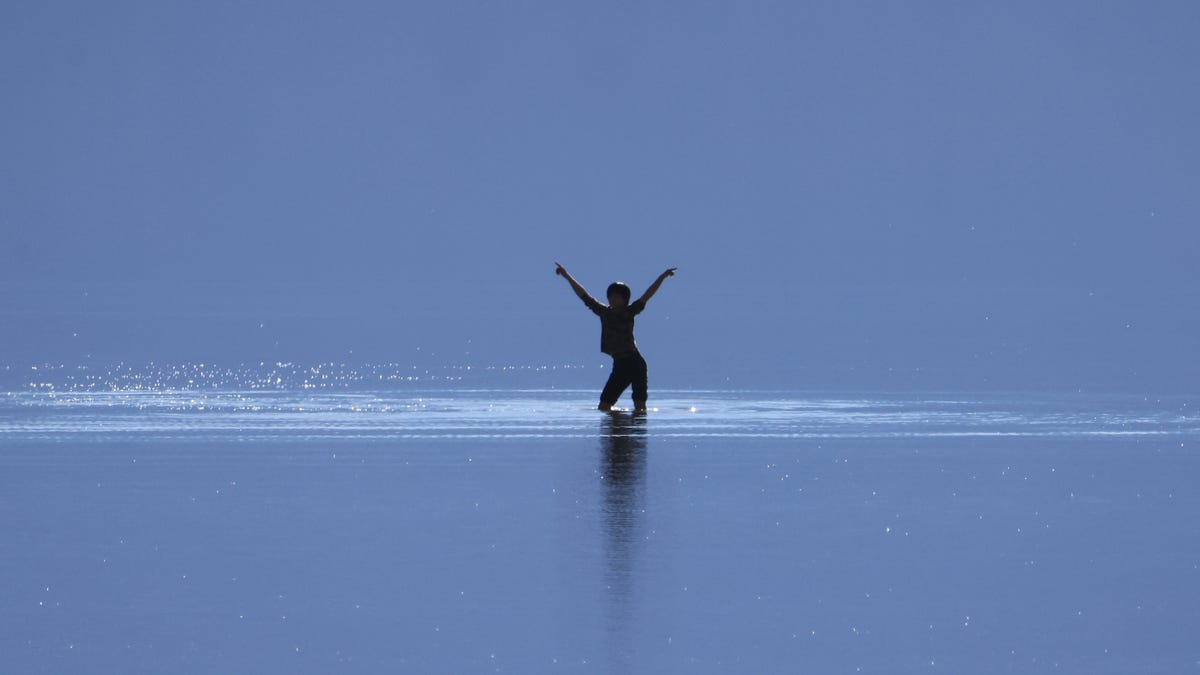
Heavy rains in Death Valley National Park led to the formation of a temporary lake in the typically arid region, attracting nature lovers and tourists to witness and play in the rare phenomenon. Replenished by recent storms, the lake in Badwater Basin, the lowest point in North America, has provided an opportunity for kayaking and enjoyment, with the possibility of lasting for a couple more weeks and creating reflections through April.
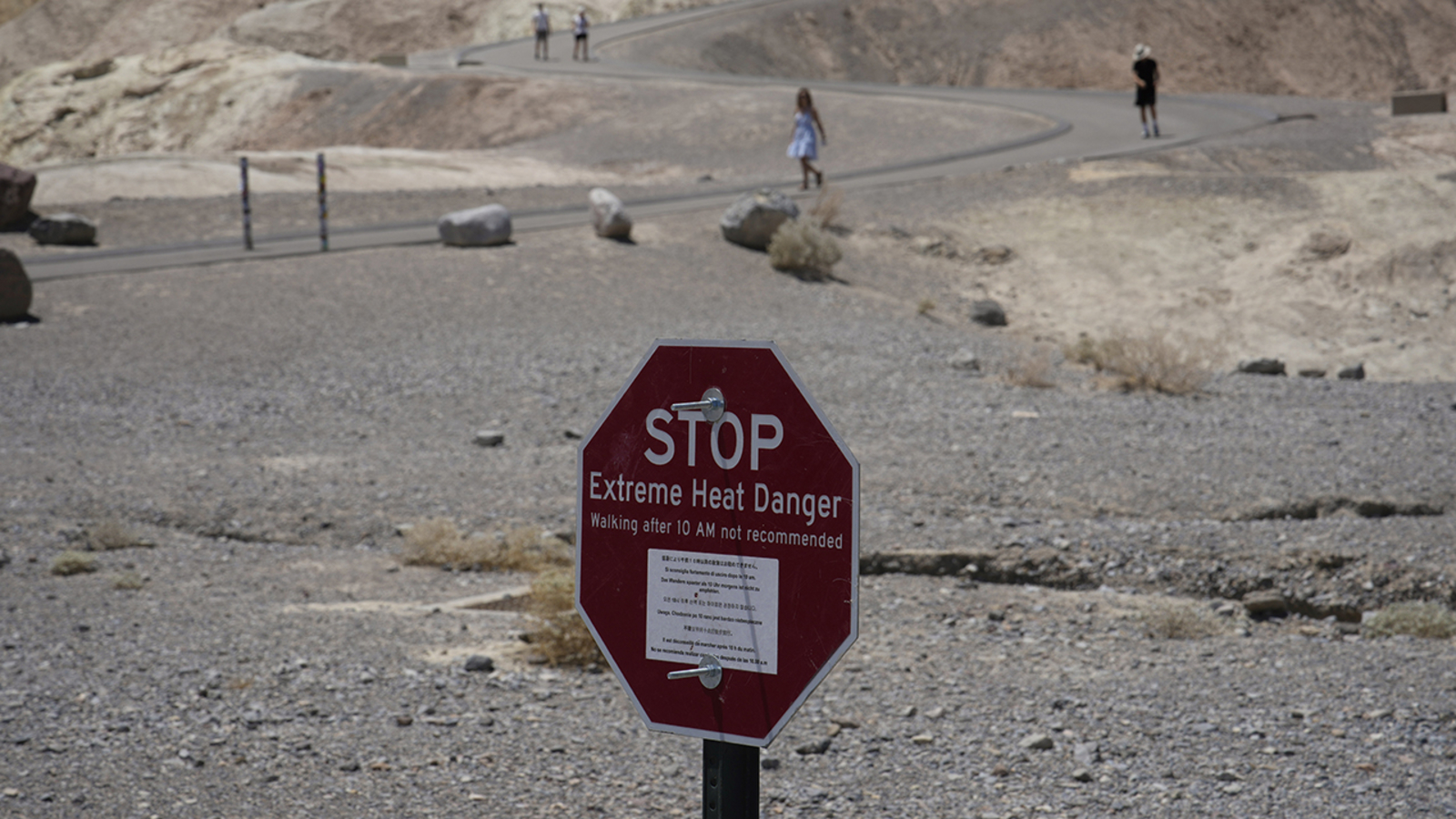
Heavy rain in California has created a temporary lake in Death Valley, known as Lake Manly, which is about 6 miles long, 3 miles wide, and a foot deep as of mid-February. The lake formed at Badwater Basin, the driest place in the U.S., due to unusually high rainfall this year. Park officials believe the shallow lake will last for months, creating beautiful reflections through April, and visitors can expect more mild temperatures compared to the scorching summer heat Death Valley is known for.
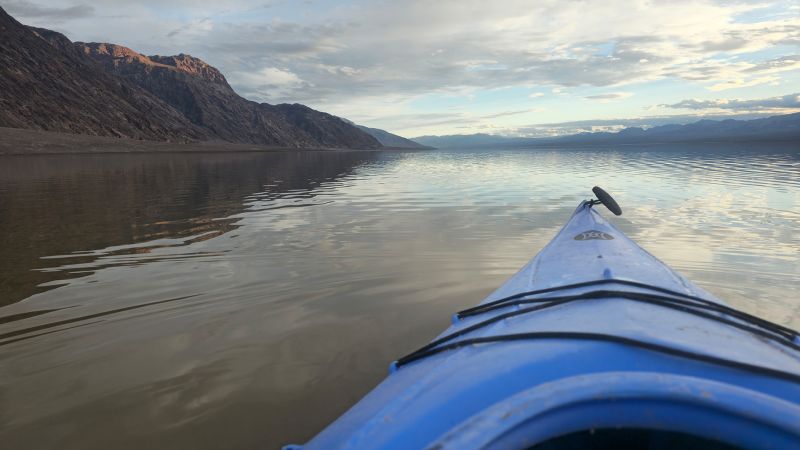
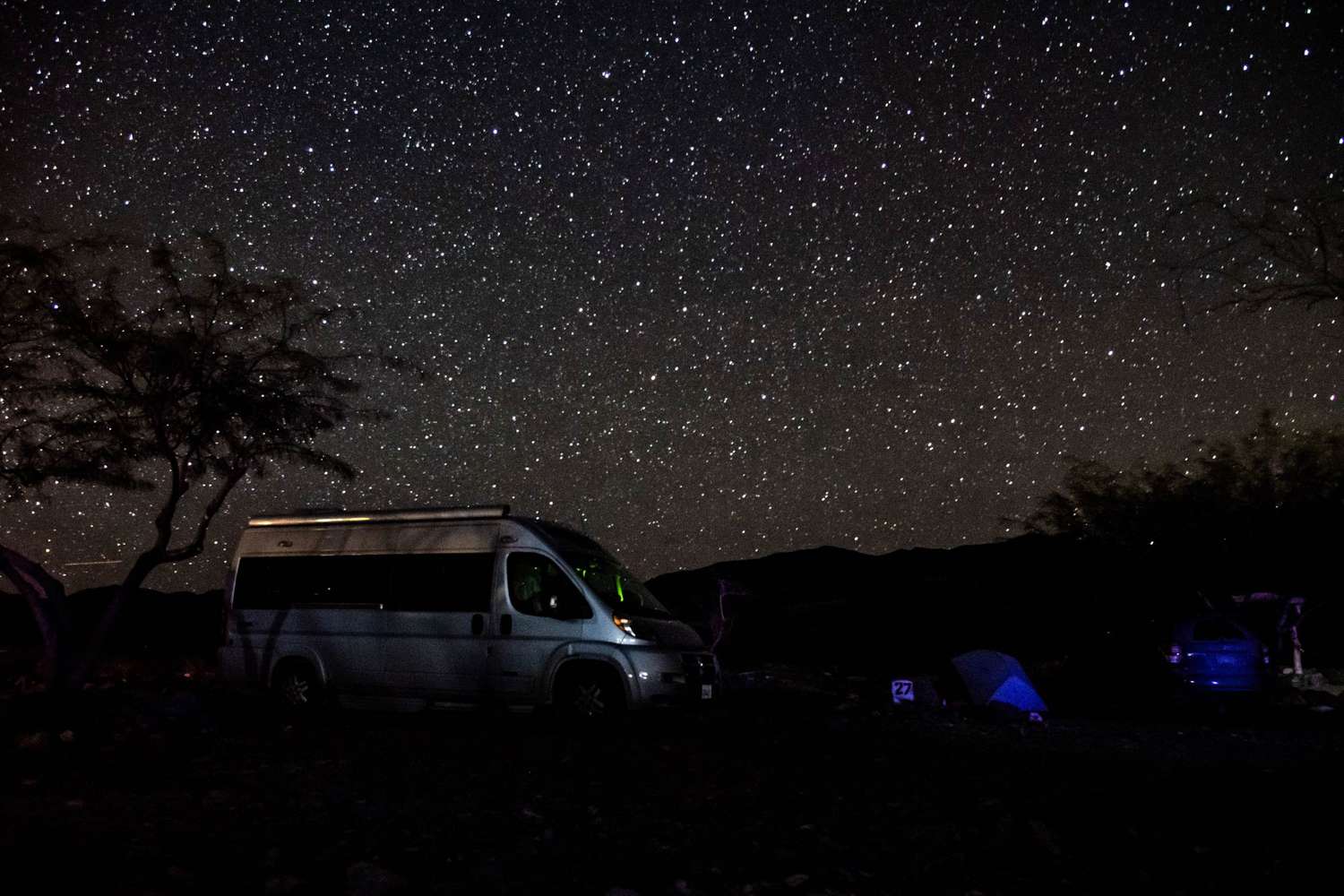
Due to excessive rainfall in California, Death Valley National Park is currently offering a rare opportunity for kayaking at Badwater Basin, the lowest point in North America. The temporary lake, informally known as Lake Manly, is about 6 miles long, 3 miles wide, and just 1 foot deep, providing a unique kayaking experience for visitors. Park rangers advise visitors to follow park rules and minimize their impact on the fragile desert environment, and to bring their own kayaks as the park does not have any available for rent. Additionally, the park is open for the annual Death Valley Dark Sky Festival from March 1 to March 3 for stargazing.
An ancient lake reemerged at Death Valley National Park due to extreme rain and is expected to stick around longer than initially estimated, with recent storms expanding the lake once again. The region, known for being the driest place in North America, has received nearly 5 inches of rain in the past six months, leading to the temporary lake's growth. Park rangers are uncertain how long the lake will last, as more rain is forecasted. The lake, once part of the Ice Age-era Lake Manly, is currently about 6 miles long, 3 miles wide, and 1 foot deep, providing a rare opportunity for visitors to kayak.
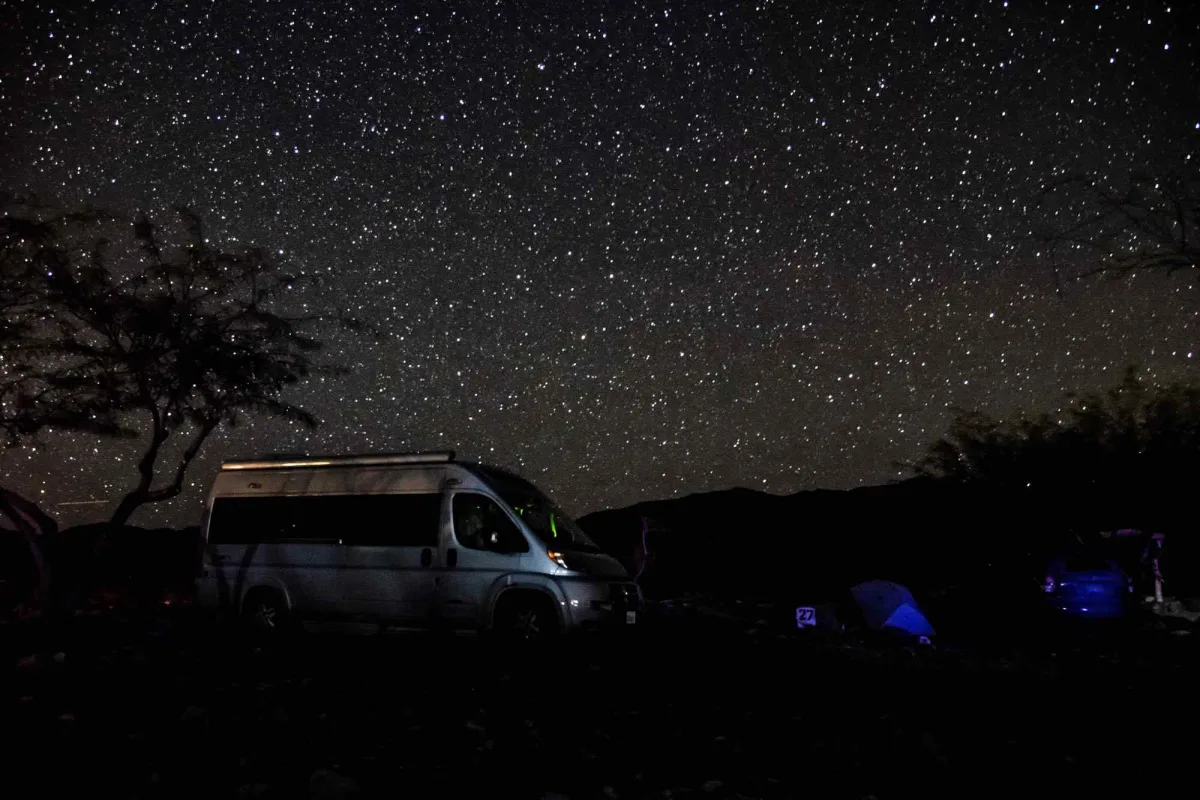
Death Valley National Park, known for its pristine darkness, hosts an annual Dark Sky Festival from March 1 to March 3, offering free stargazing and astronomy-related activities such as NASA presentations, constellation tours, and family programs. The park's remote location allows for clear views of the Milky Way without a telescope, and visitors are advised to make early reservations for camping or lodging due to the popularity of the event.
Death Valley National Park offers pristine dark skies where visitors can see the Milky Way without a telescope. The park hosts an annual Dark Sky Festival from March 1 to March 3, featuring presentations, workshops, constellation tours, and family activities related to astronomy. The event is free and open to the public, but reservations for camping or lodging are recommended due to high attendance. The festival is a collaboration between the park, scientific institutions, and NASA centers, offering a unique opportunity to explore the wonders of the night sky in a remote and stunning natural setting.
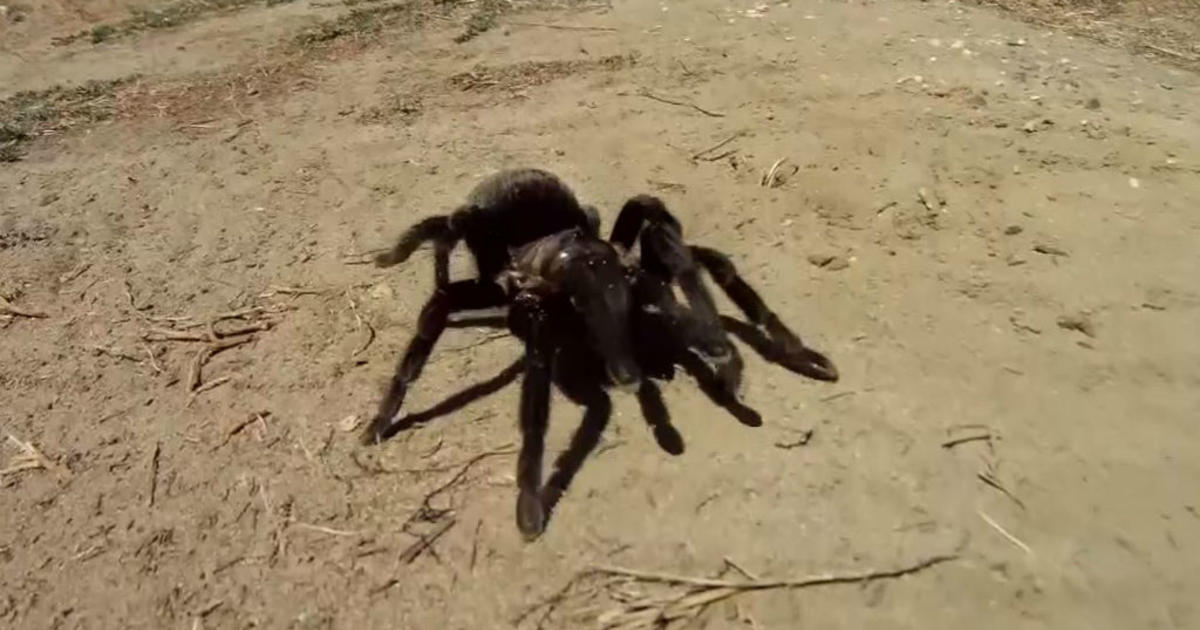
A tarantula crossing the road in Death Valley National Park caused a traffic accident when a couple from Switzerland abruptly stopped their rented camper van to avoid hitting it, resulting in a 24-year-old motorcyclist from Canada crashing into the back of the van. The motorcyclist was taken to the hospital, and the tarantula walked away unharmed. The park service reminds drivers to be cautious and drive slowly, as the roads still have gravel patches due to flood damage and wildlife is active in the area. Tarantulas are slow-moving and nonaggressive, with a bite similar to a bee sting that is not deadly to humans.
Death Valley National Park remains closed due to flooding caused by heavy rain, which has damaged the CA-190 road between Zabriskie Point and Furnace Creek.
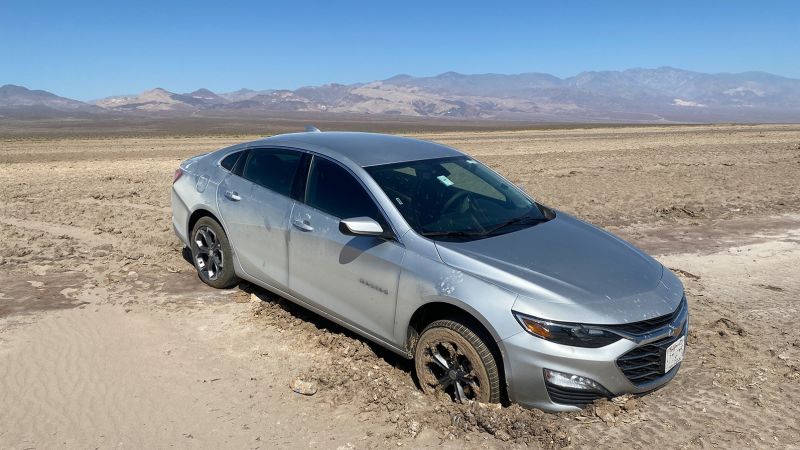
Two men driving in Death Valley National Park got lost and illegally drove off-road, resulting in one man being hospitalized with heat-related illness. Charges and fines are pending for the incident. The National Park Service emphasizes the importance of respecting park rules and exercising caution, as driving off established roads can damage the environment and be dangerous. The park has issued warnings about extreme summer heat and advises visitors to stay on paved roads, carry extra water, and be prepared for survival.
A 71-year-old man collapsed and died inside Death Valley National Park in California as temperatures soared above 120 degrees. The man was found outside a restroom at Golden Canyon, and it is believed that he had been hiking the popular trail. Emergency crews were unable to reach the scene due to the high temperatures, and despite life-saving measures, the man died at the scene. This is the second heat-related death in the park this summer, prompting officials to advise visitors to stay close to air-conditioned vehicles or hike in cooler mountain areas.
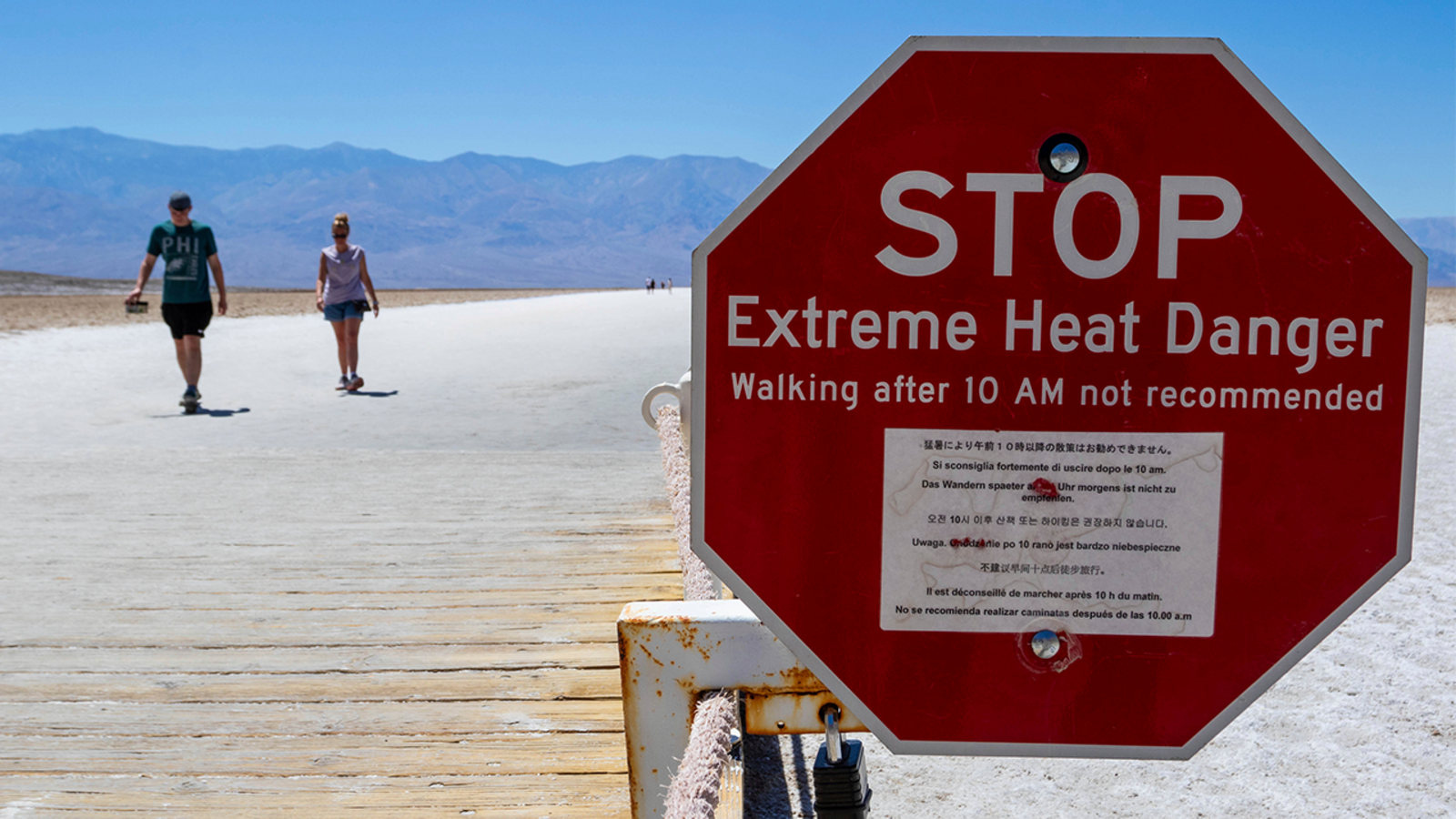
A 71-year-old man from Los Angeles died at a trailhead in Death Valley National Park as temperatures reached 121 degrees. The man collapsed outside the restroom at Golden Canyon, and despite efforts from park rangers, he could not be saved. Heat is suspected to be a factor in his death. This incident follows another heat-related death in Death Valley earlier this summer. Park officials urge visitors to take safety precautions, such as staying close to air-conditioned cars or hiking in cooler mountain areas, and advise against hiking at low elevations after 10 a.m.
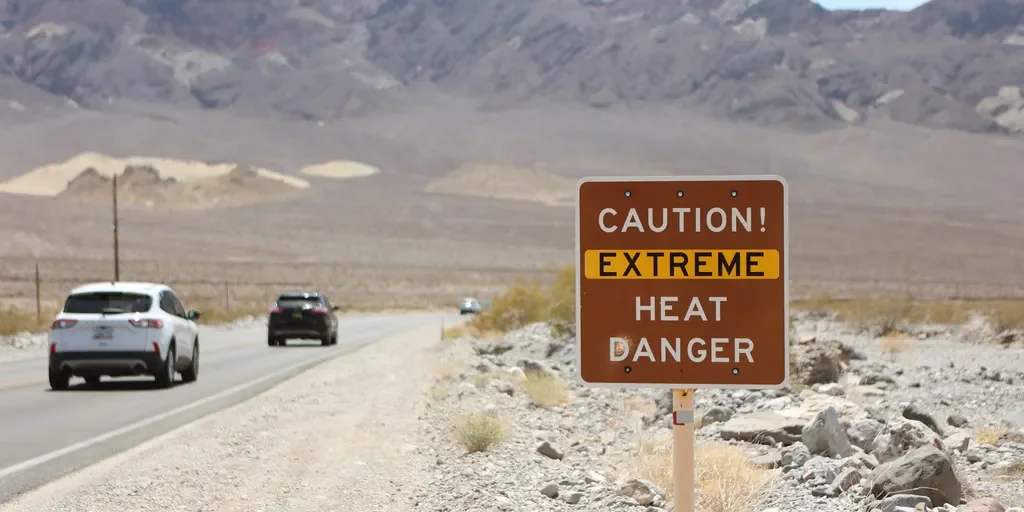
Despite the ongoing US heat wave and the forecasted record-breaking temperatures, tourists are flocking to Death Valley National Park, known as the hottest spot on Earth. Visitors are braving the scorching heat to explore the park's iconic sites, such as Badwater Basin and Zabriskie Point. However, park officials are urging caution and advising against venturing out after 10 a.m. due to the extreme temperatures. The park emphasizes self-reliance, as rescue assistance may not be guaranteed in time. Several deaths from heat-related causes have already been reported this year.