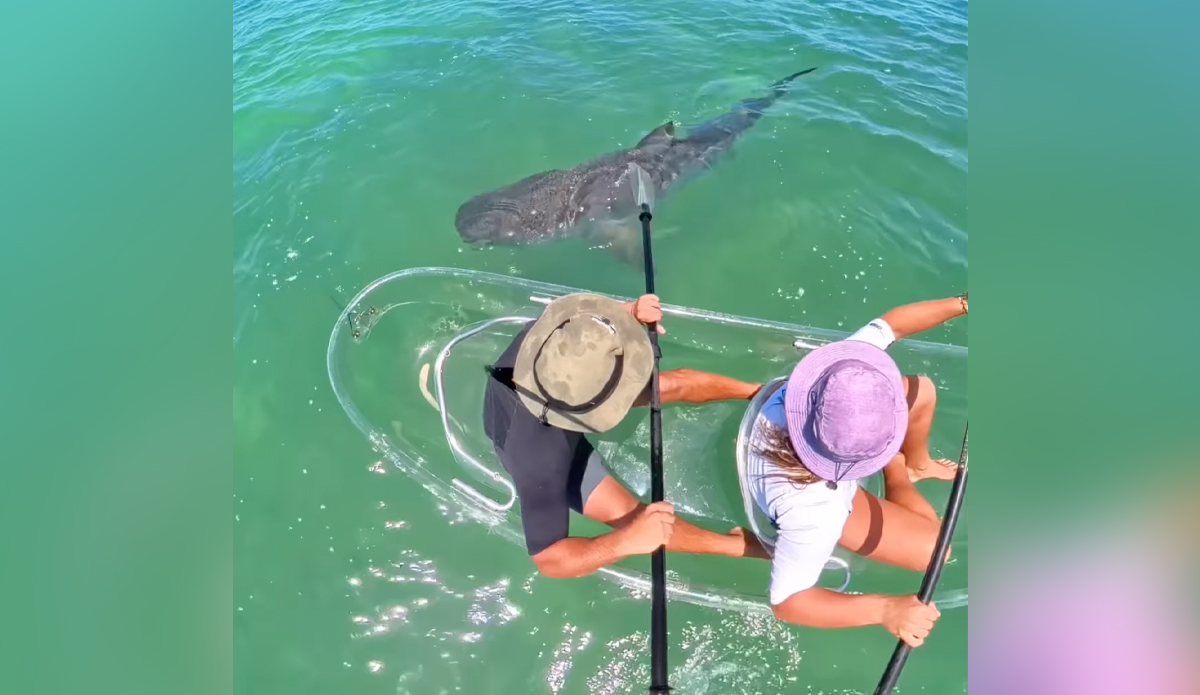
An Australian couple kayaking in Shark Bay, Western Australia, had a close encounter with a curious tiger shark that repeatedly approached and circled their transparent kayak, leading to a viral video capturing their mix of fear, joy, and excitement.
The Secret Service raised the water level of Ohio's Little Miami River to facilitate Vice President JD Vance's kayaking trip for his birthday, prompting criticism over government spending and special treatment, though the Vice President was unaware of the increase. The move was justified by the Corps of Engineers as a safety measure, and similar instances of special accommodations for political figures have occurred in the past.
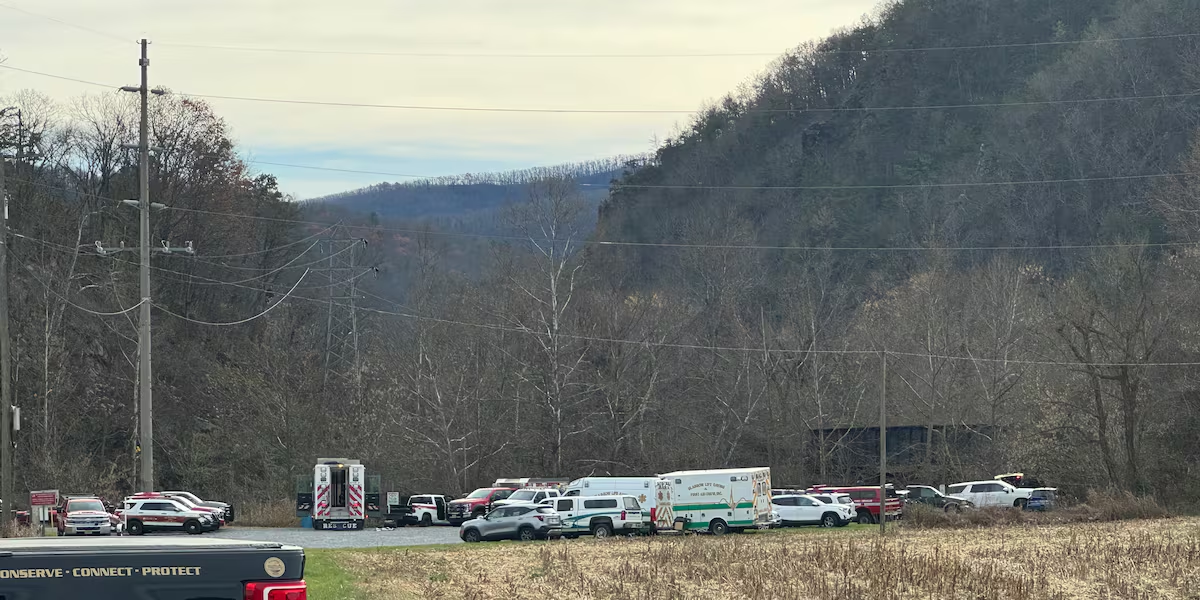
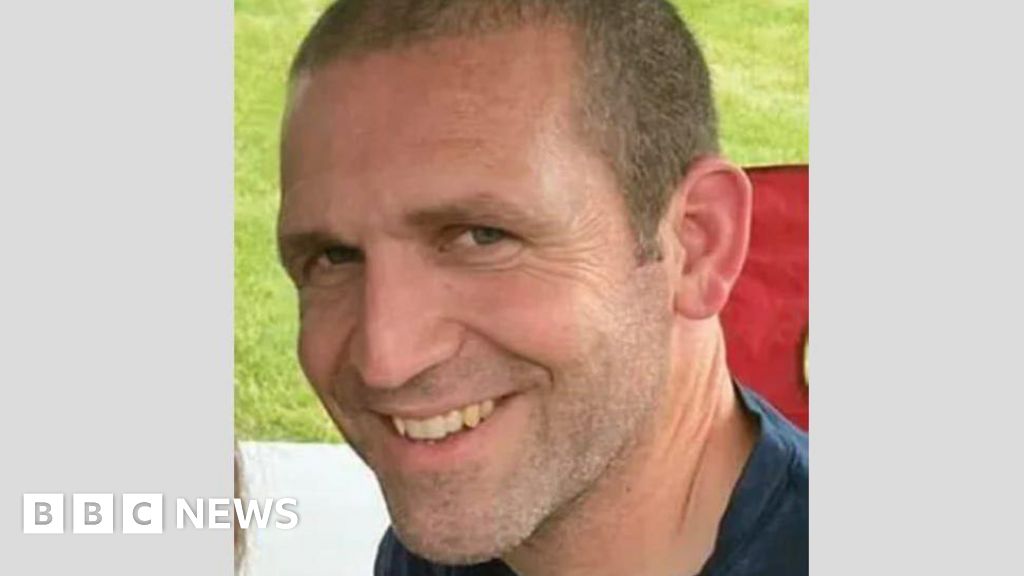
Octavia Richardson, a 20-year-old woman, was found dead after a kayaking accident on the James River near Locher Landing. Her kayak and oars were recovered, but she had been missing since Saturday evening. A search and rescue operation was conducted by the Rockbridge County Sheriff's Office.
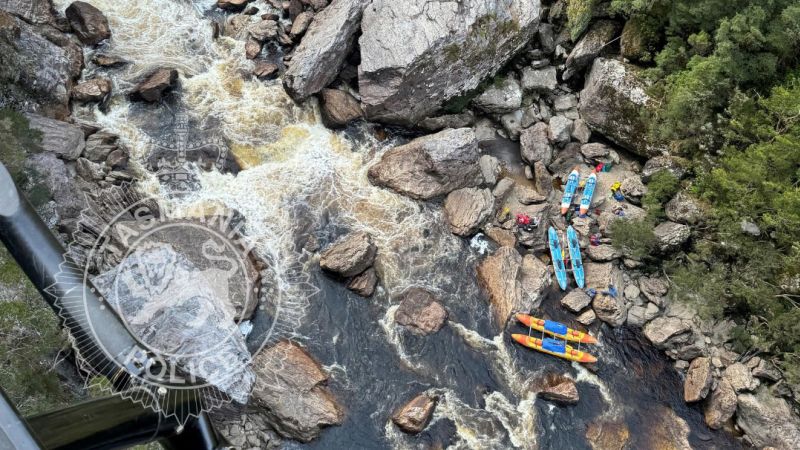
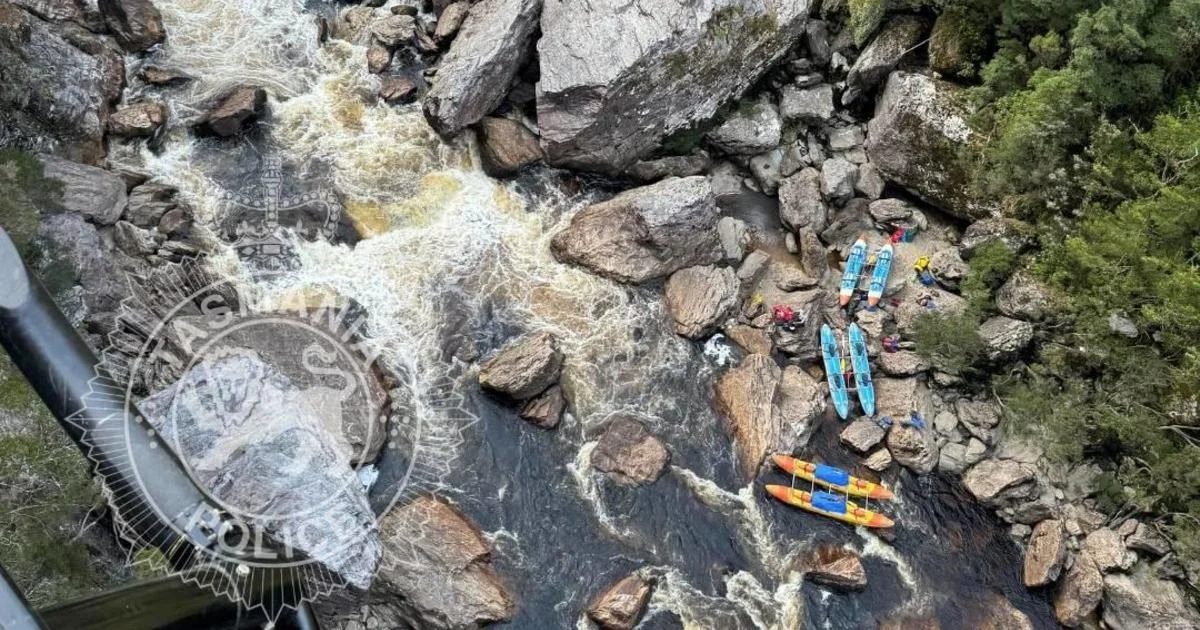
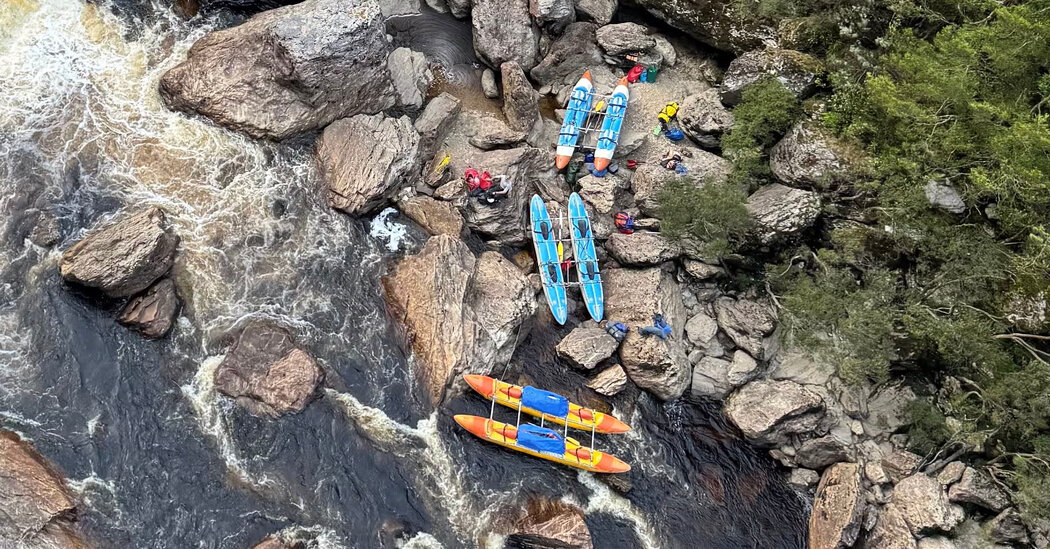
A foreign tourist in his 60s had his leg amputated during a 20-hour rescue operation after becoming trapped between rocks while kayaking on the Franklin River in Tasmania, Australia. The man was airlifted to a hospital in critical condition. The remote location and challenging conditions complicated the rescue efforts, which involved multiple unsuccessful attempts before the decision to amputate was made to save his life.
A tourist in his 60s had his leg amputated after being trapped between rocks in the Franklin River, Tasmania, during a kayaking trip. Despite a smartwatch alerting authorities and a massive rescue effort, the man remained stuck for 20 hours. His condition worsened, leading to the decision to amputate his leg to free him. He is currently in critical condition in the hospital.
A kayaker in Australia had to undergo a leg amputation during a 20-hour rescue operation after becoming trapped on a river. Emergency services worked tirelessly to free the individual, highlighting the dangers of outdoor activities and the critical role of rescue teams in such situations.
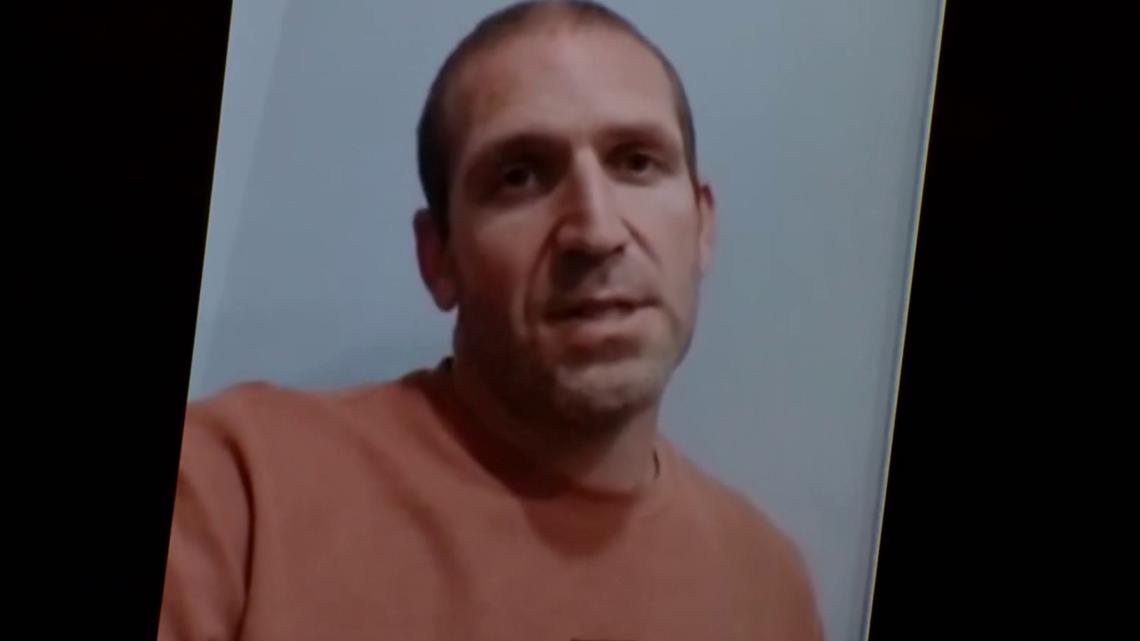
A man who previously faked his own death in a kayaking accident has resurfaced in a video message claiming he is safe. The incident, which involved staging his disappearance, has raised legal and personal safety concerns.
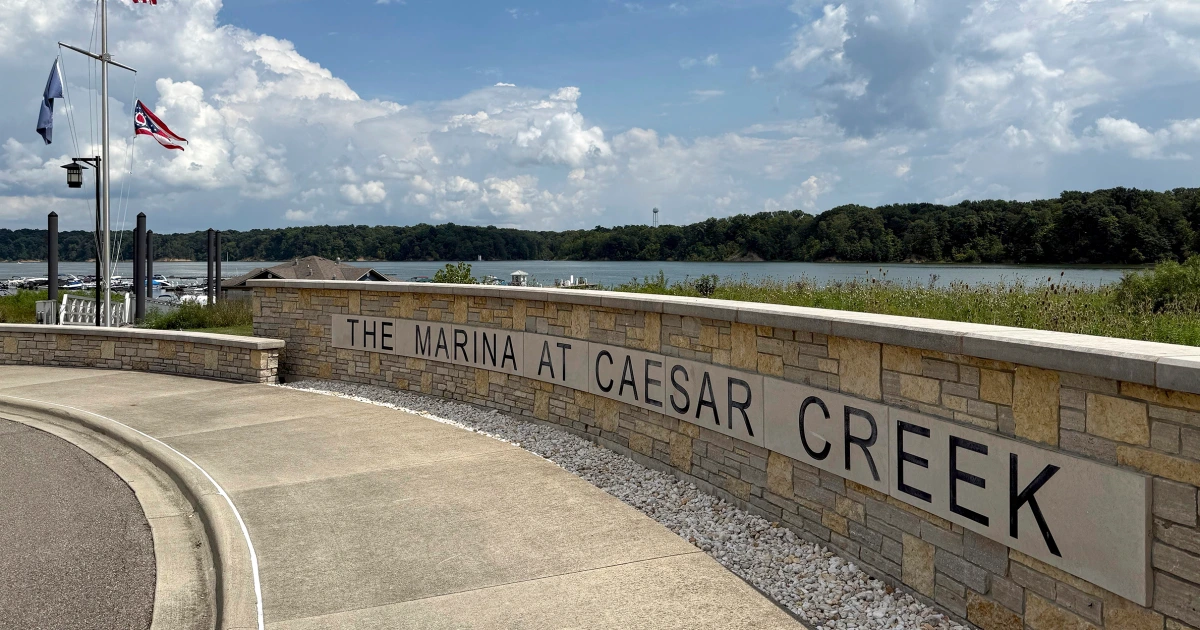
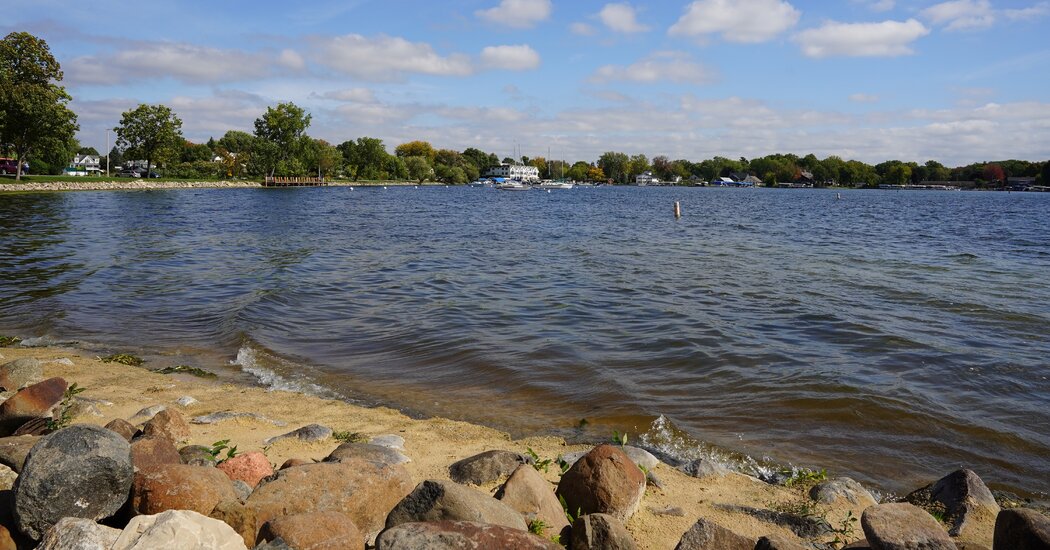
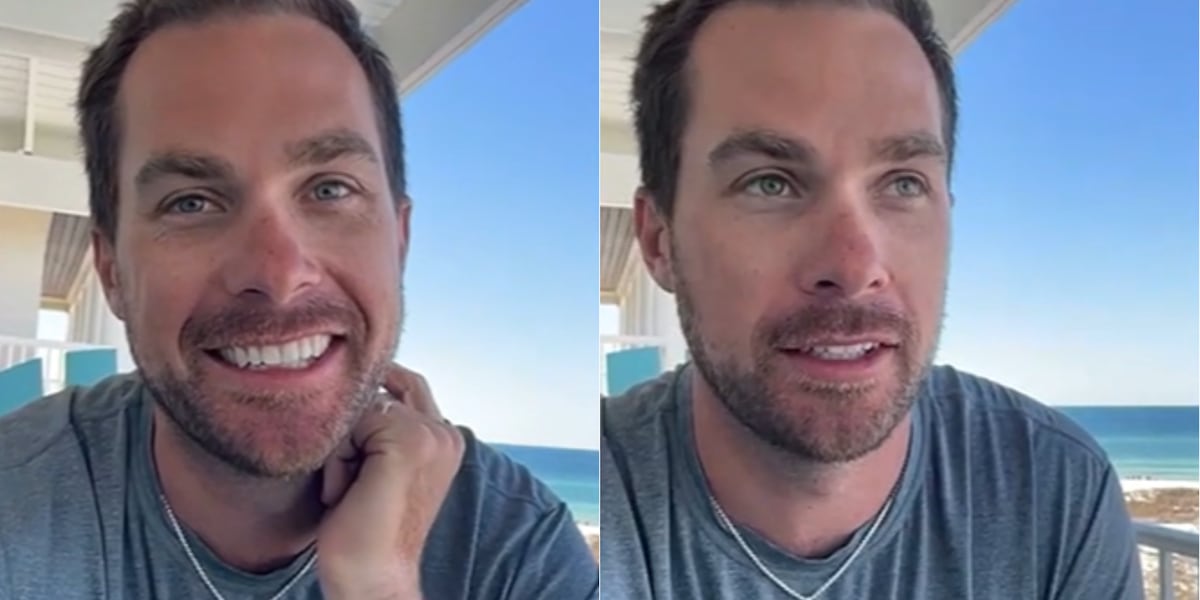
Green Lake County Sheriff Mark Podoll announced a significant development in the case of Ryan Borgwardt, initially thought to have drowned in a kayaking accident in August. Authorities now believe Borgwardt faked his death and relocated to Eastern Europe. Communication with Borgwardt revealed he staged his disappearance by overturning his kayak, dumping his phone, and escaping on an e-bike before traveling to Canada and flying out of the country. Borgwardt, who left behind a family, could face charges and restitution costs if he returns to the U.S.
A Wisconsin man, Ryan Borgwardt, is suspected of faking his own death during a kayaking trip and fleeing to Europe. Authorities found evidence of his passport use post-disappearance, a new life insurance policy, and financial transfers to a foreign account. His kayak and belongings were left behind, but no body was recovered. Investigators believe he is alive in Eastern Europe and are considering charges for obstruction and fraud. His family is cooperating with the investigation.
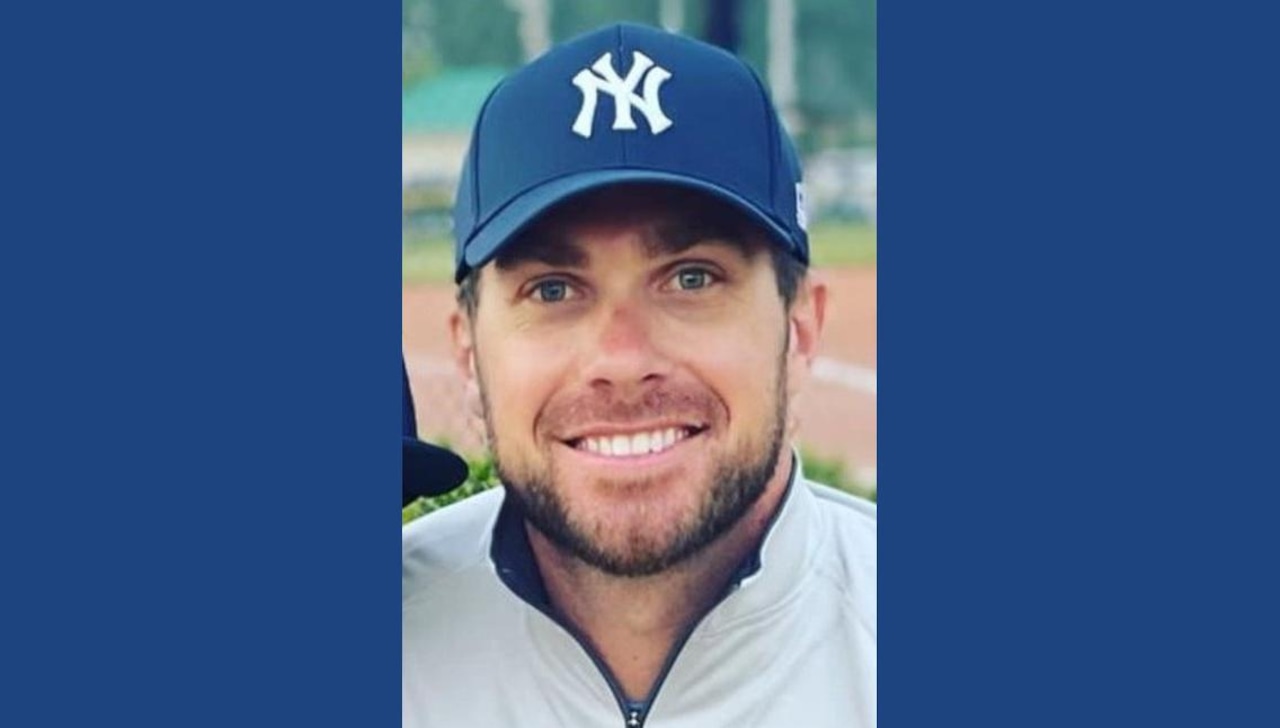
Former SEC quarterback Chris Smelley was stranded at sea for over 11 hours in a kayak due to strong winds, prompting an urgent search by authorities. He was eventually spotted by search helicopters and a friend's fishing boat, about eight miles from shore. Despite being unprepared with no phone or life jacket, Smelley remained calm and was thankfully found unharmed. He emphasized the importance of safety and being better prepared for future excursions, but expressed gratitude for the happy ending to his harrowing experience.
Chris Smelley, the head football coach at Sylacauga High School and former South Carolina quarterback, was found safe after disappearing while kayaking off the Gulf Coast of Florida. The 37-year-old was located by a Coast Guard helicopter and was not showing signs of distress when rescued. Smelley, known for his athletic achievements in high school and college, had been fishing in his kayak before being reported missing.
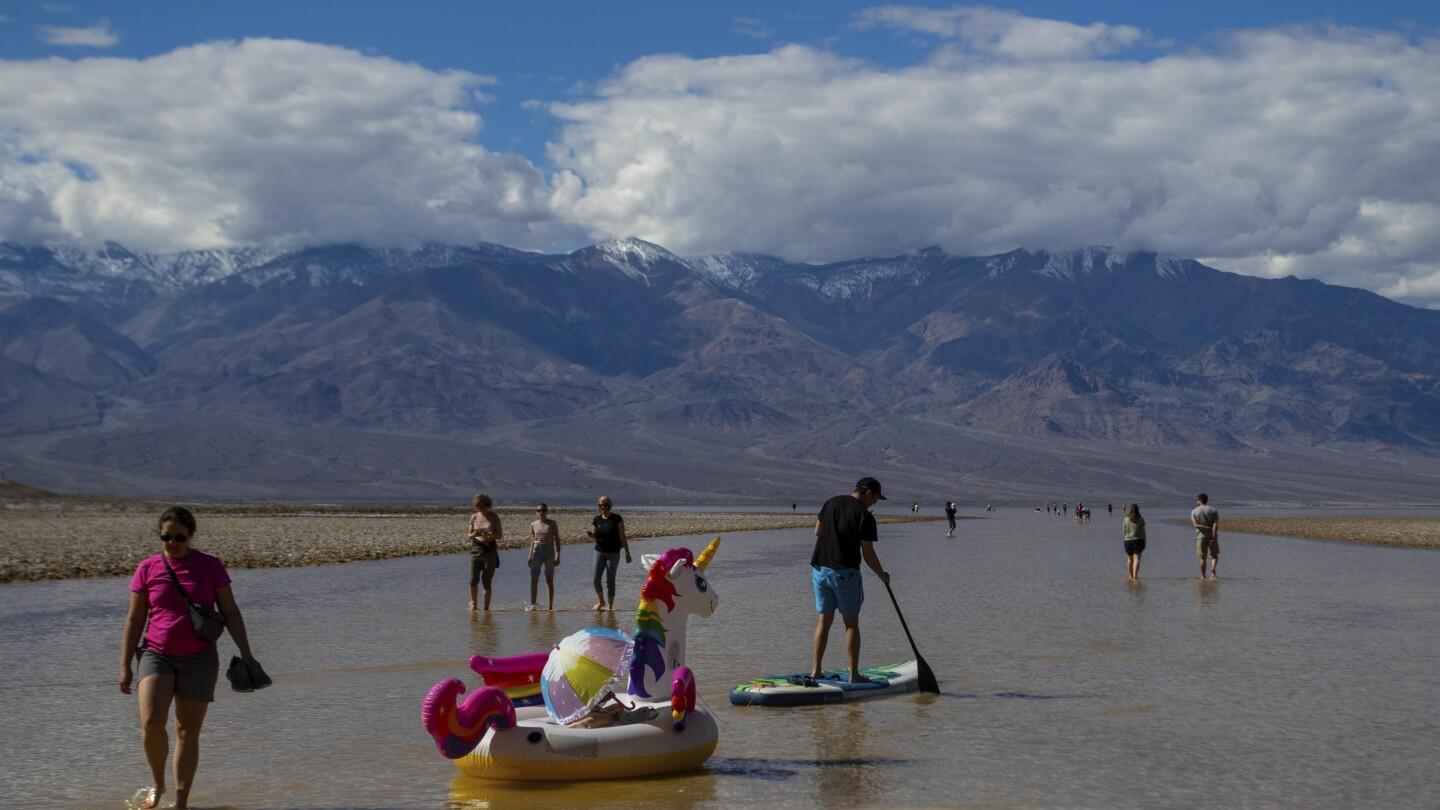
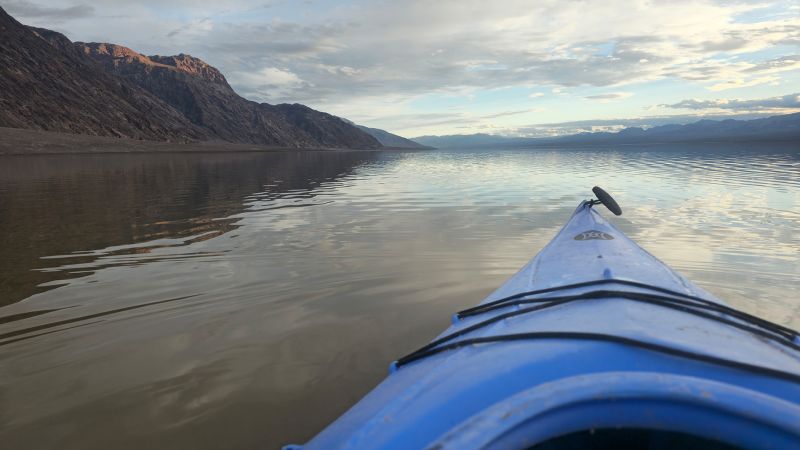
Record rainstorms in California's Death Valley have replenished Lake Manly, turning the typically dry Badwater Basin into a lake where kayakers are now paddling. The lake, which is currently about six miles long and three miles wide, is a rare sight in one of the driest places on Earth. Park rangers expect the water levels to drop in a matter of weeks, but the lake may last into April or May. Scientists are interested in studying the lake's size and potential uses, while visitors are enjoying the unique opportunity to kayak in Death Valley.
Due to excessive rainfall in California, Death Valley National Park is currently offering a rare opportunity for kayaking at Badwater Basin, the lowest point in North America. The temporary lake, informally known as Lake Manly, is about 6 miles long, 3 miles wide, and just 1 foot deep, providing a unique kayaking experience for visitors. Park rangers advise visitors to follow park rules and minimize their impact on the fragile desert environment, and to bring their own kayaks as the park does not have any available for rent. Additionally, the park is open for the annual Death Valley Dark Sky Festival from March 1 to March 3 for stargazing.
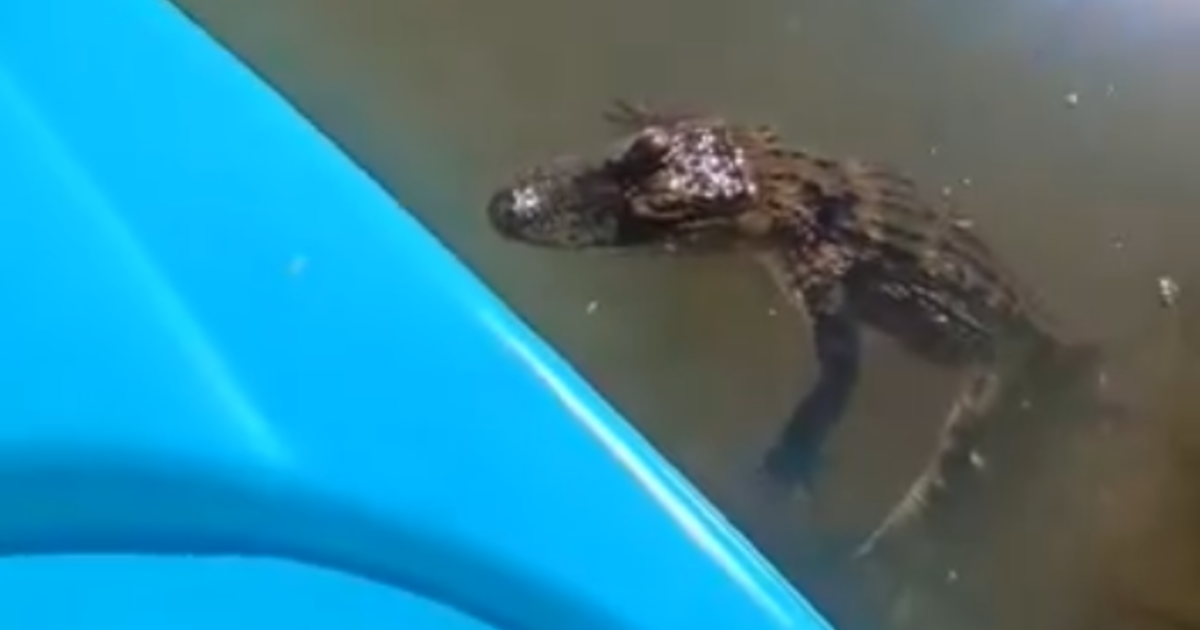
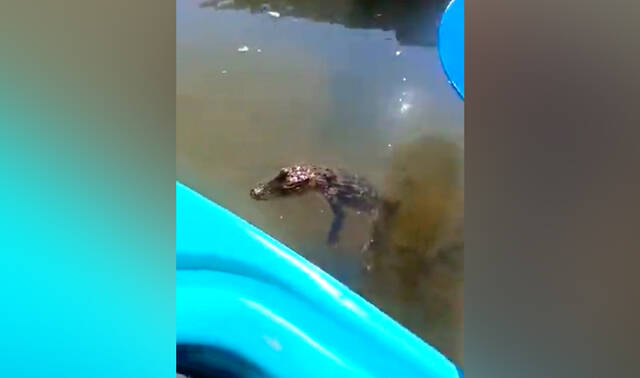
A woman kayaking on the Kiski River in Pittsburgh spotted an 18" to 20" long alligator, which was also seen by three fellow kayakers ahead of her. It is unclear if this is a new alligator sighting or the same one that was previously spotted in the area.
A couple kayaking on the Kiski River near Apollo, Pennsylvania, had a close encounter with a small alligator. The couple filmed a video of the alligator swimming in the river and estimated it to be about 20 inches long. Despite attempts by other kayakers to catch it, the alligator remains at large. Authorities have been notified, and the couple hopes the alligator will be safely apprehended.