Tag

Cytokines

All articles tagged with #cytokines

health1 year ago

House Dust Mites: Key Triggers of Allergic Asthma Uncovered

New research from the University of Pittsburgh reveals how house dust mites trigger allergic asthma by activating the immune system in mice. The study, published in Nature Immunology, shows that inhaled dust mites activate T Helper 2 (Th2) cells through a molecular pathway involving the protein BLIMP1, which is not required when allergens are injected. The findings highlight the roles of cytokines IL2 and IL10 in this process, suggesting potential new therapeutic targets for allergic asthma, which is increasingly common and burdensome.

health1 year ago

Long-Term Effects: Smoking's Lasting Impact on the Immune System

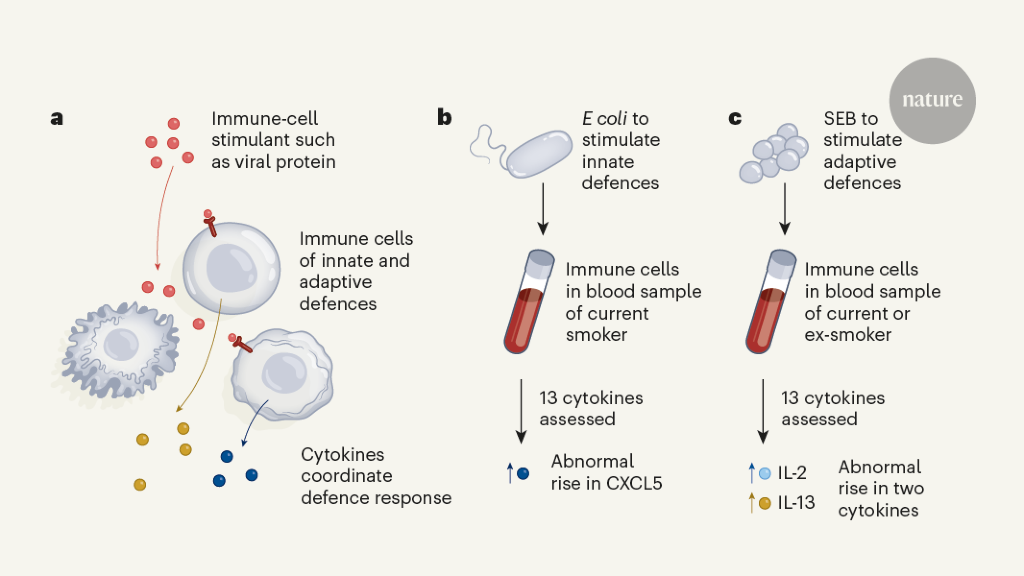
A study of human cells has revealed that smoking can have a long-lasting impact on the immune system, affecting certain immune responses to a similar extent as age or genetics. The research suggests that smoking can alter the immune system in ways that persist even after quitting the habit, shedding light on the environmental factors influencing immune cell behavior.

health1 year ago

"The Germ-Killing Power of Fevers Explained"

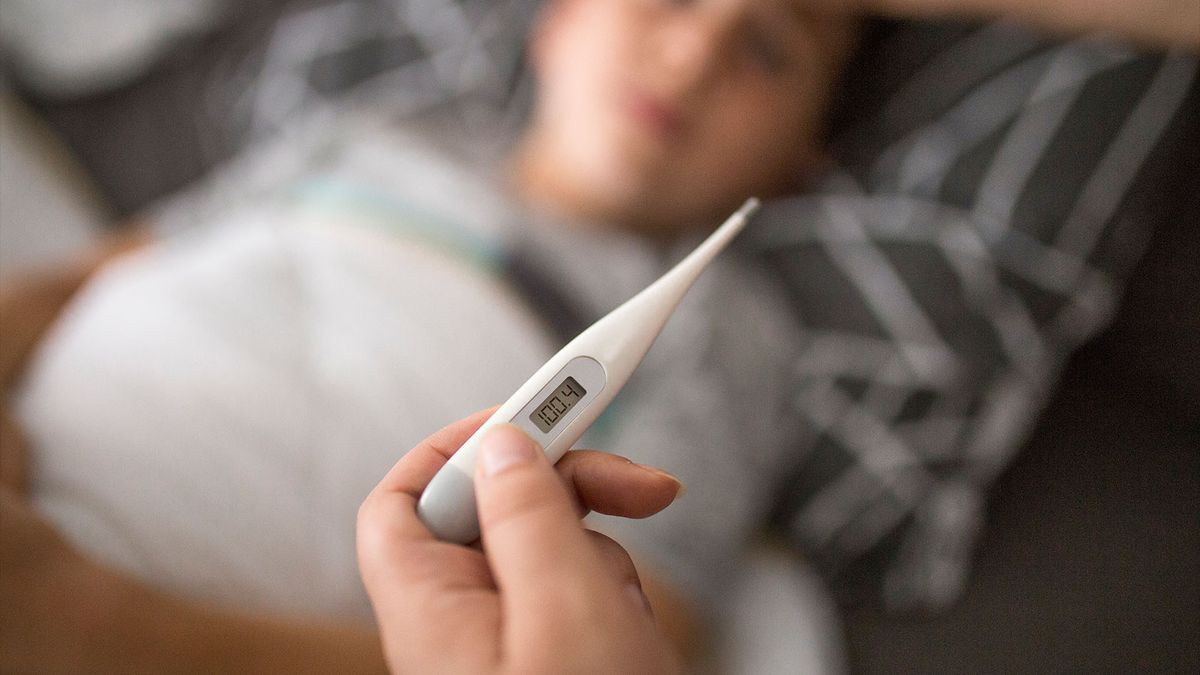
Fevers help the body fight infections by spurring various immune processes. Elevated body temperatures trigger the immune system to fight infections by enhancing immune function and stimulating both the innate and adaptive compartments of the immune system. Fevers also recruit first-responder immune cells, boost dendritic cells' ability to engulf harmful microbes, and may hamper a pathogen's chances of winning the battle. Studies show that intensive-care patients are more likely to recover from an infection if they develop a fever, indicating the beneficial effects of fever in fighting infections.

science-and-technology2 years ago

"Unveiling the Immune Response: Single-Cell Resolution Cytokine Dictionary"

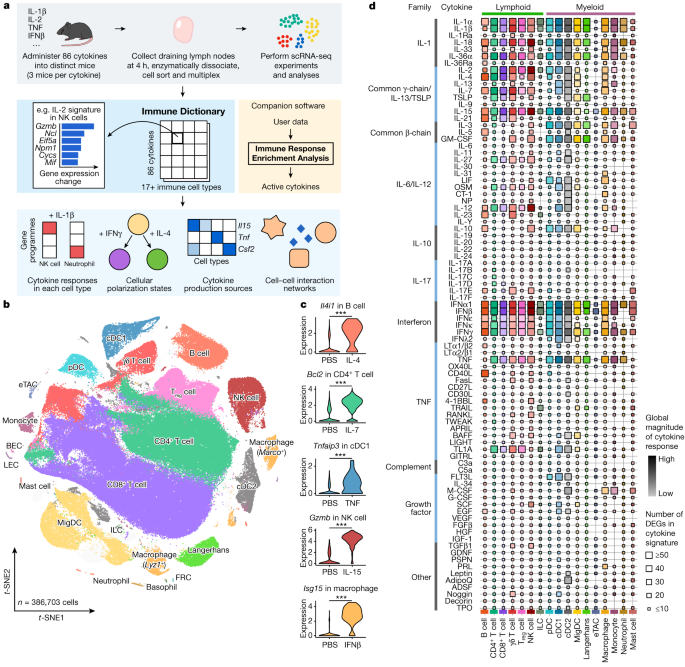
Researchers have created a comprehensive dictionary of immune responses to cytokines at single-cell resolution. Using single-cell transcriptomic analysis, they profiled the responses of more than 17 immune cell types to 86 different cytokines in mouse lymph nodes. The study revealed cell-type-specific gene expression changes and identified distinct polarization states induced by cytokines in each cell type. The findings provide a molecular map of immune responses to cytokines and shed light on the complex interactions between cytokines and immune cells.

neurology2 years ago

Unraveling the Impact of Long COVID on the Brain

A case-control study found that spinal fluid immune profiles were largely normal in individuals with neurologic long COVID symptoms, suggesting that brain inflammation may not be the cause of cognitive symptoms associated with long COVID. The study did not find evidence of abnormal cytokines in cerebrospinal fluid (CSF) or blood-brain barrier dysfunction in participants with post-COVID neuropsychiatric conditions. The findings suggest that interventions aimed at reducing brain inflammation may not be effective in treating long COVID cognitive symptoms. Further research is needed to understand the underlying mechanisms of long COVID.

health2 years ago

Insights into Long COVID Symptoms and Their Impact on the Brain: Recent Studies

Scientists at the University of Utah Health have found that levels of a particular set of proteins that are crucial in controlling the growth and activity of immune system cells were almost undetectable among individuals who had long COVID. As a result, the researchers suspect that lungs and other organs are unable to fully heal and fend off other illnesses after being infected with SARS-CoV-2, the virus that causes COVID-19. The finding could eventually lead to new treatments for long COVID.

health2 years ago

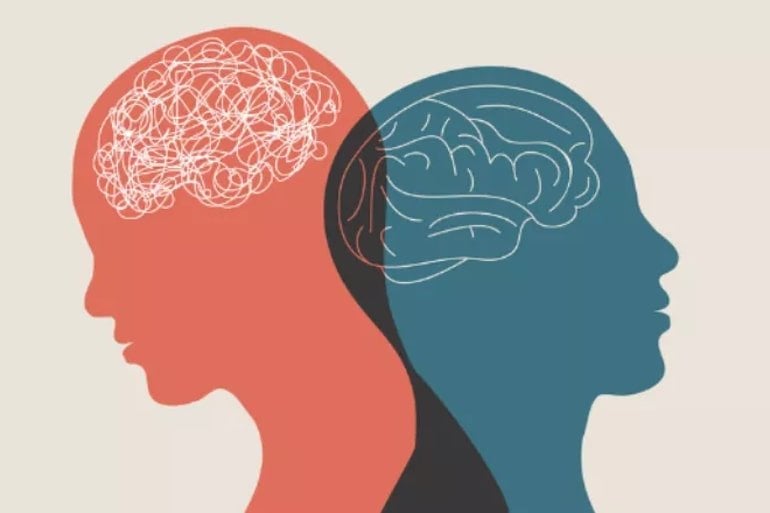
Immune System Linked to Psychosis in New Study

A study led by the Institute of Psychiatry, Psychology & Neuroscience at King’s College London has identified some of the elements in our immune response that influence our risk for developing psychosis. The study analyzed blood samples from 325 people to assess the levels of 20 proteins that are known to be involved in our immune response. Researchers found an association between the levels of certain proteins – cytokines – involved in inflammation and the risk of developing psychosis. The identification of specific biological markers or signs in the blood that are linked to psychosis could help overcome the challenge of predicting whether someone will or will not go on to experience the symptoms of psychosis.