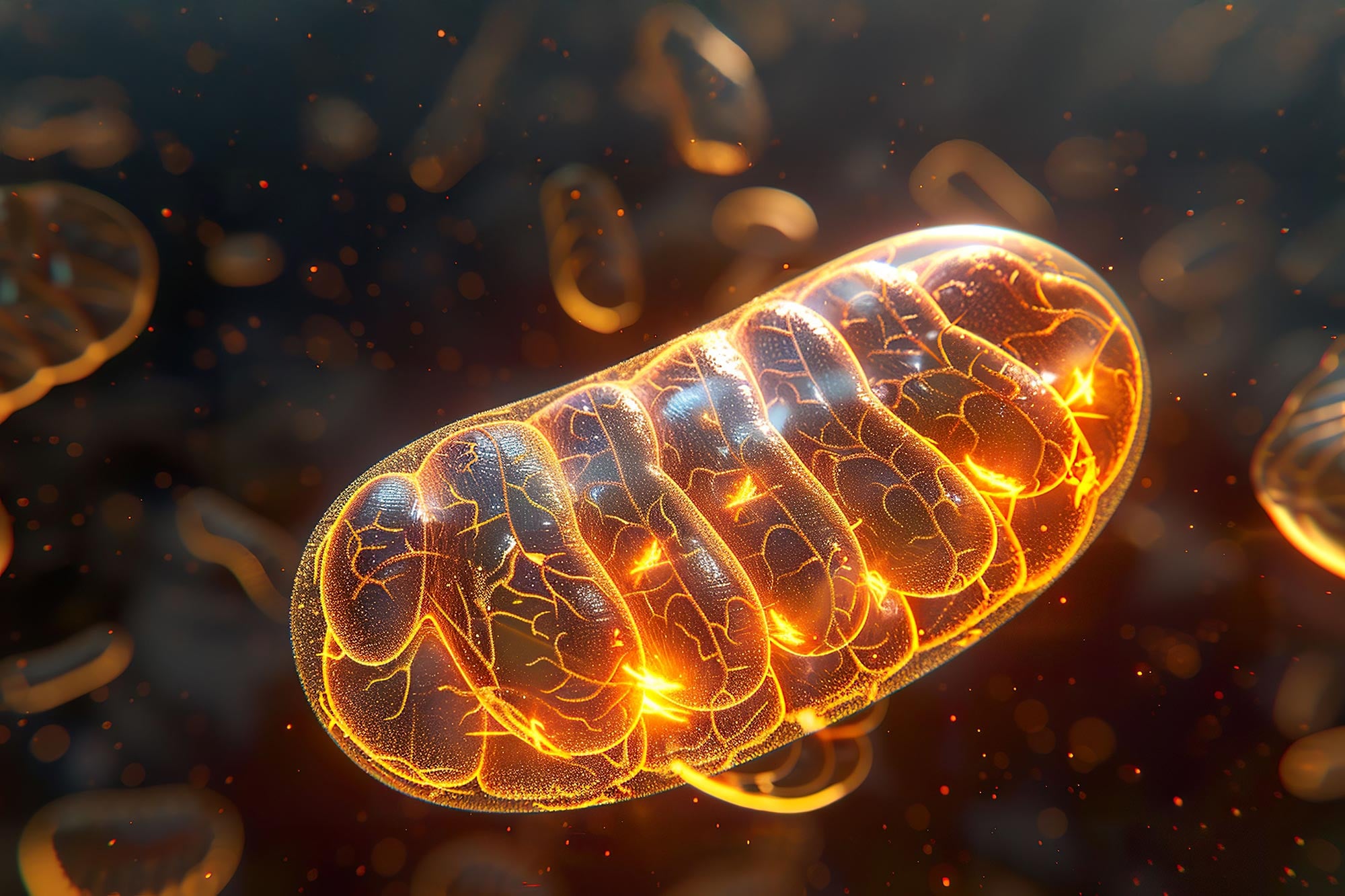
Yale scientists have discovered how coenzyme A, a molecule derived from vitamin B5, is actively transported into mitochondria, shedding light on cellular metabolism and potential disease mechanisms related to CoA dysfunction.
Scientists discovered that depleting cysteine in mice causes rapid, significant weight loss by disrupting energy metabolism and activating stress responses, highlighting cysteine's crucial role in cellular energy production and potential implications for future weight loss strategies.
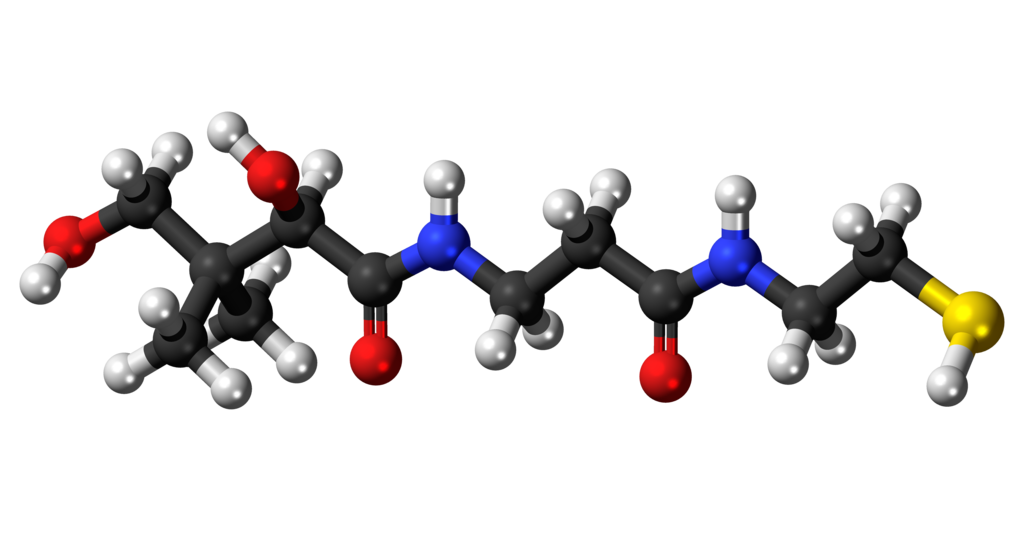
Scientists have created an essential compound for life, coenzyme A, in a lab using simple molecules likely present during Earth's early days. The team's experiment, which involved materials believed to have been abundant on early Earth, resulted in the production of pantetheine, a crucial component of coenzyme A. This suggests that life's building blocks could have naturally come together to form living cells, potentially in more places than previously thought. The study opens up the possibility of creating life from static materials in a lab or even on another planet.
Chemists have successfully recreated a compound essential for metabolism in all living cells, shedding light on the chemical puzzle of the origin of life. The compound, pantetheine, is a crucial component of coenzyme A, which plays a vital role in energy production and regulation. The experiment used relatively simple molecules likely present on early Earth, and the success suggests that many key components for life could have simultaneously formed and combined to make living cells. This discovery challenges the idea that biological molecules appeared stepwise and indicates that life's building blocks could have been created simultaneously from the same basic chemicals and conditions.