Kazakhstan, a Central Asian nation with no historical Arab enmity towards Israel, has maintained formal ties with Israel since 1992 and is now exploring its unique diplomatic path, akin to the Abraham Accords in the Middle East.
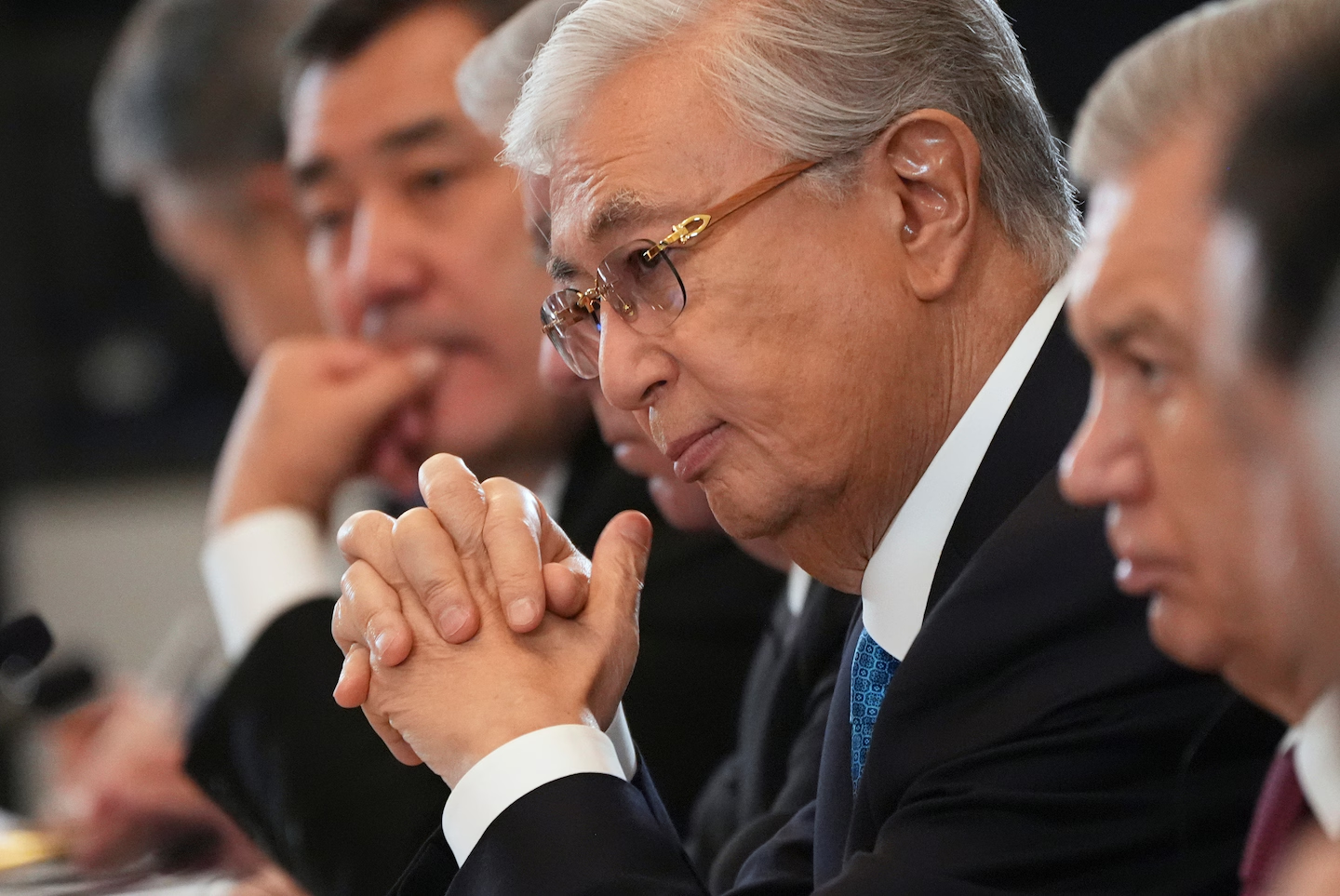
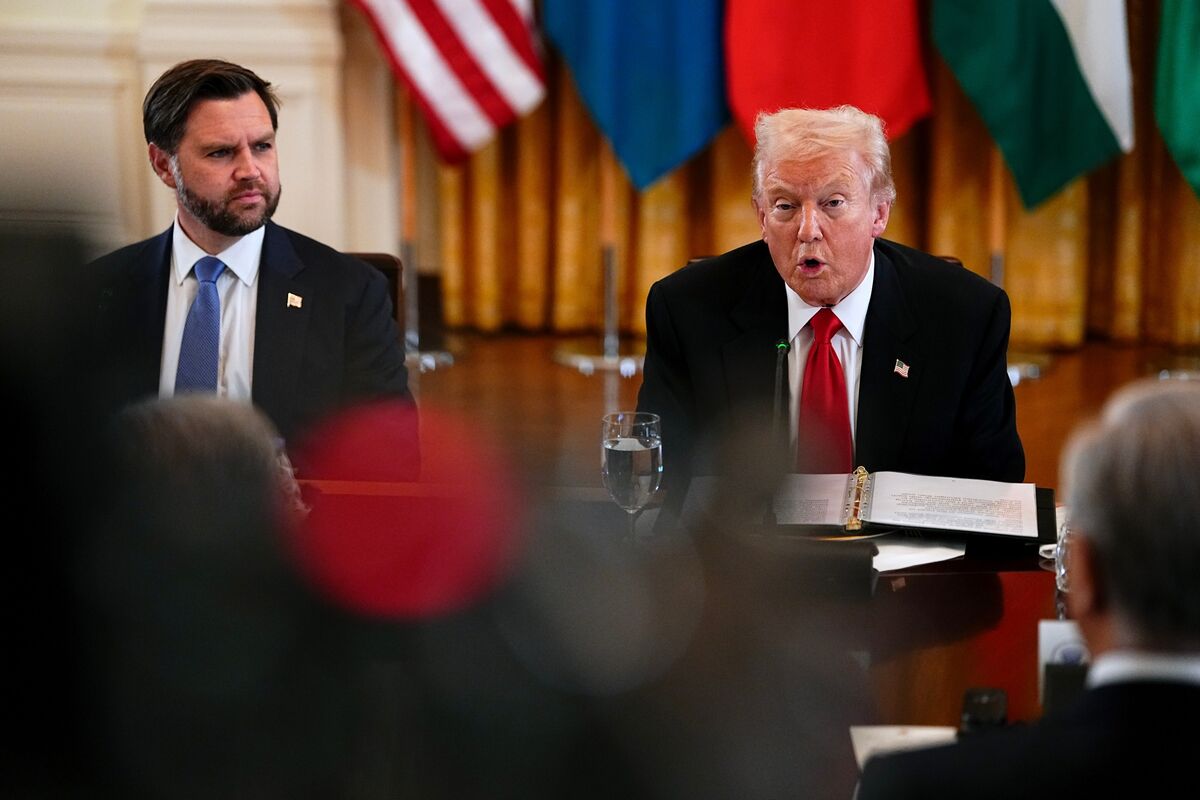
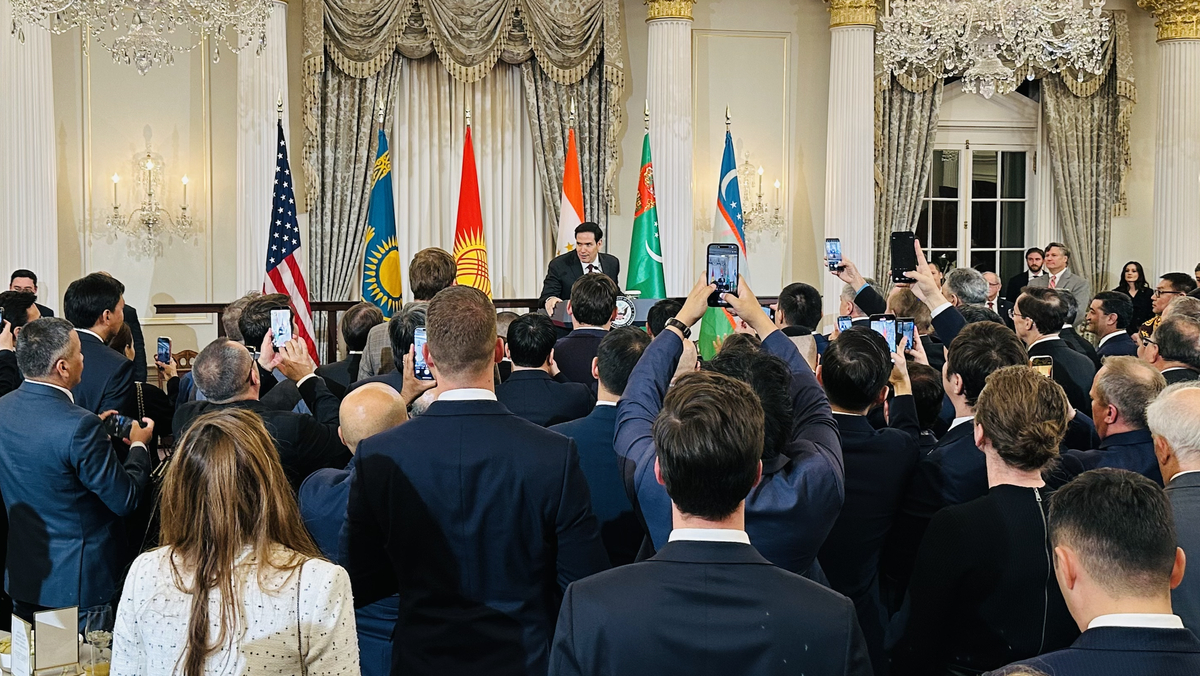
President Trump hosted a historic summit with five Central Asian countries at the White House, focusing on diversifying critical mineral supplies, especially rare earths, to reduce dependence on China. The meeting aimed to strengthen US influence in the region, promote economic and security cooperation, and explore resource deals, including a significant investment from Uzbekistan and mineral resource collaborations. The summit also highlighted regional efforts to balance influence from Russia and China amid ongoing geopolitical tensions.
President Trump hosted leaders from five Central Asian countries to discuss securing rare earth metals critical for high-tech industries, amid ongoing US efforts to reduce dependence on China, which dominates global rare earth supply. The summit also aimed to strengthen regional ties and explore economic and security cooperation, including potential moves like Kazakhstan joining the Abraham Accords.
The US is shifting its approach in Central Asia by seeking to challenge Russia and China's influence, including efforts to repeal the outdated Jackson-Vanik amendment, signaling a renewed strategic interest and engagement in the region through diplomatic initiatives and high-level summits.
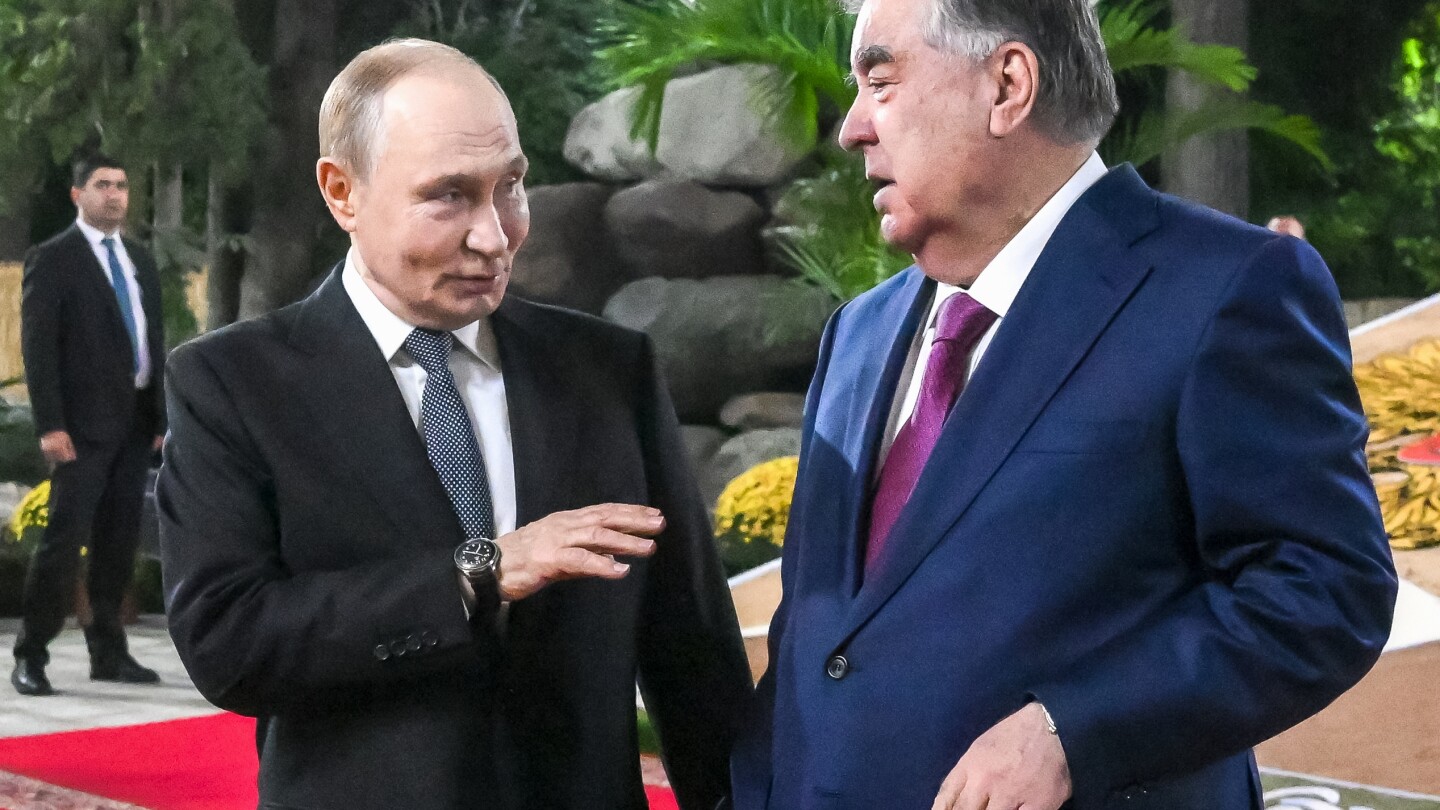
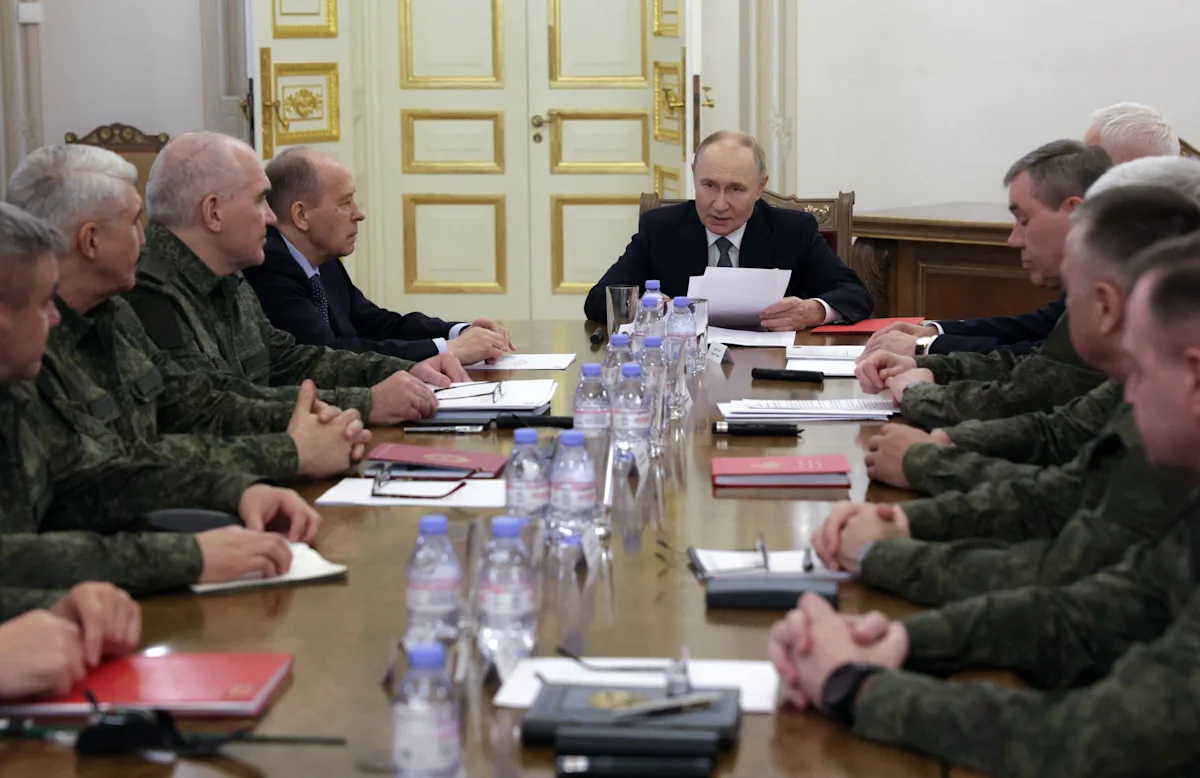
Russian President Vladimir Putin is visiting Tajikistan for a series of meetings with ex-Soviet leaders, including a summit with Central Asian nations and broader CIS talks, amid ongoing tensions with the ICC over an arrest warrant related to Ukraine, though Tajikistan, a member of the ICC, is not expected to arrest him.
Russian President Vladimir Putin is visiting Tajikistan for a series of meetings with ex-Soviet leaders, including a summit with Central Asian nations and broader CIS talks, amid ongoing geopolitical and legal tensions related to ICC warrants and Russia's actions in Ukraine.
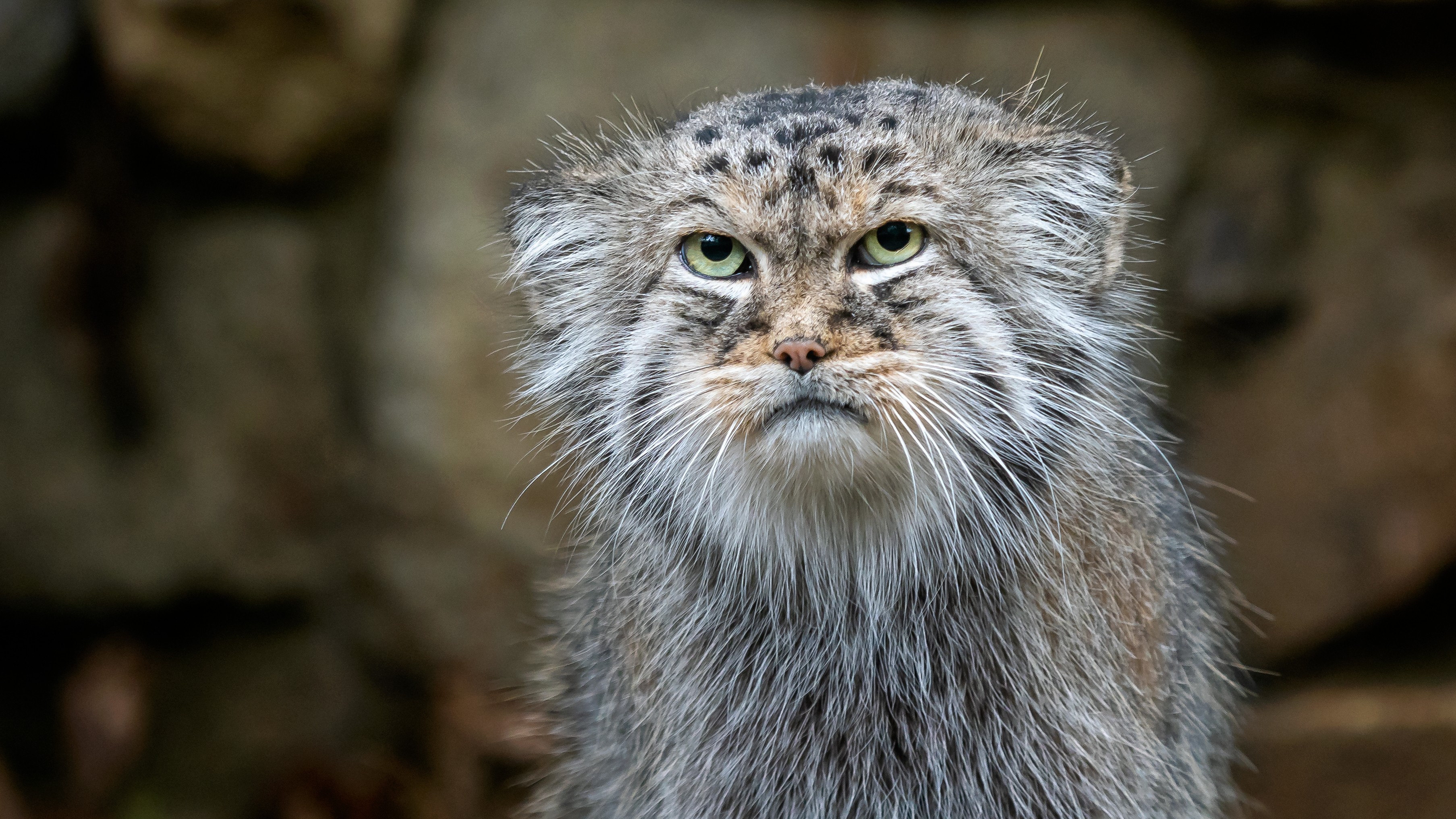
Pallas's cat, one of the oldest feline species, is a solitary, well-camouflaged predator native to Central Asia's cold steppes, known for its grumpy appearance, unique hunting behaviors, and adaptations like standing on its tail to keep paws warm.
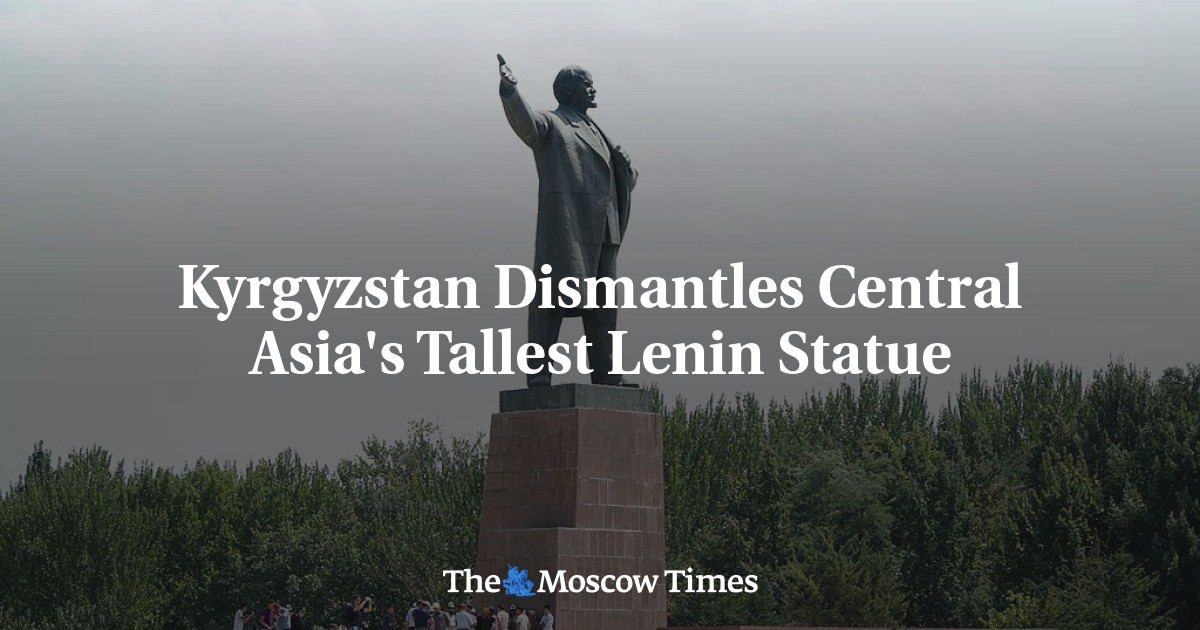
Kyrgyzstan quietly dismantled its tallest Lenin statue in Osh as part of a broader effort to de-Sovietize the region and strengthen national identity, while officially stating the move is for aesthetic reasons and not political. The statue, a 23-meter monument to Vladimir Lenin, is set to be relocated, reflecting regional trends of replacing Soviet-era monuments with local heroes amid geopolitical influences from Russia, China, and the West.
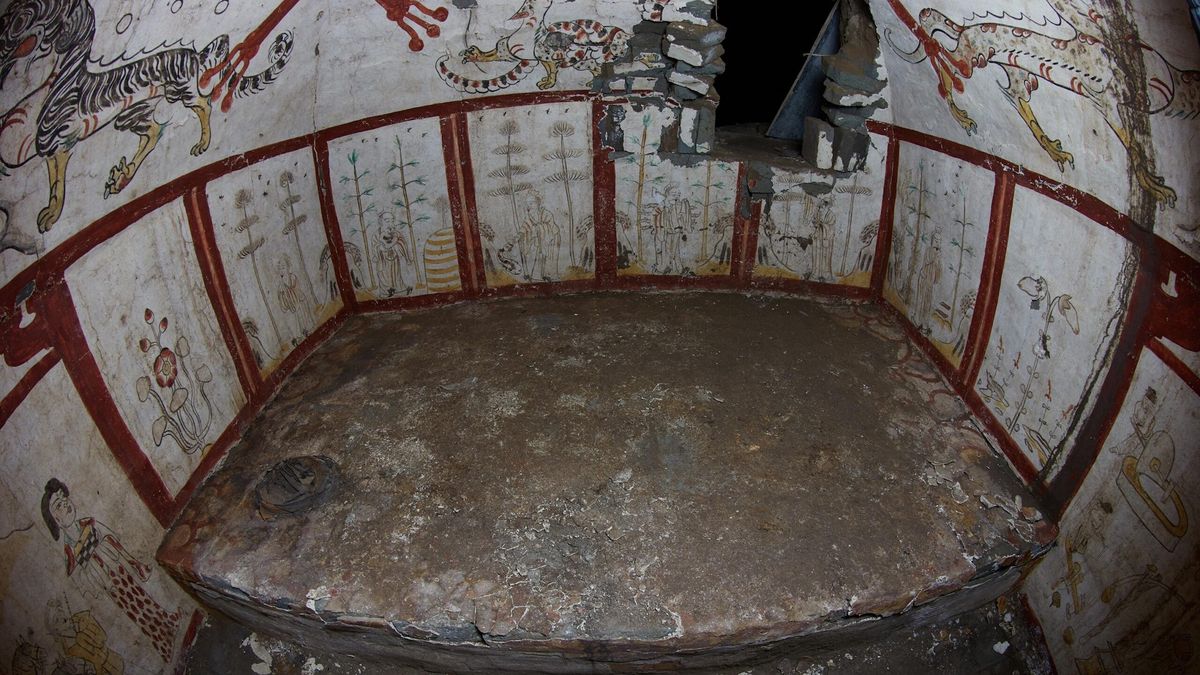
Archaeologists in northern China have unearthed a Tang dynasty tomb adorned with murals depicting daily life, including a possible "Westerner" with blond hair, likely a Sogdian from Central Asia. The tomb, discovered in 2018 near Taiyuan, features well-preserved scenes of men threshing grain, making noodles, and women fetching water, as well as mythical figures like dragons and phoenixes.
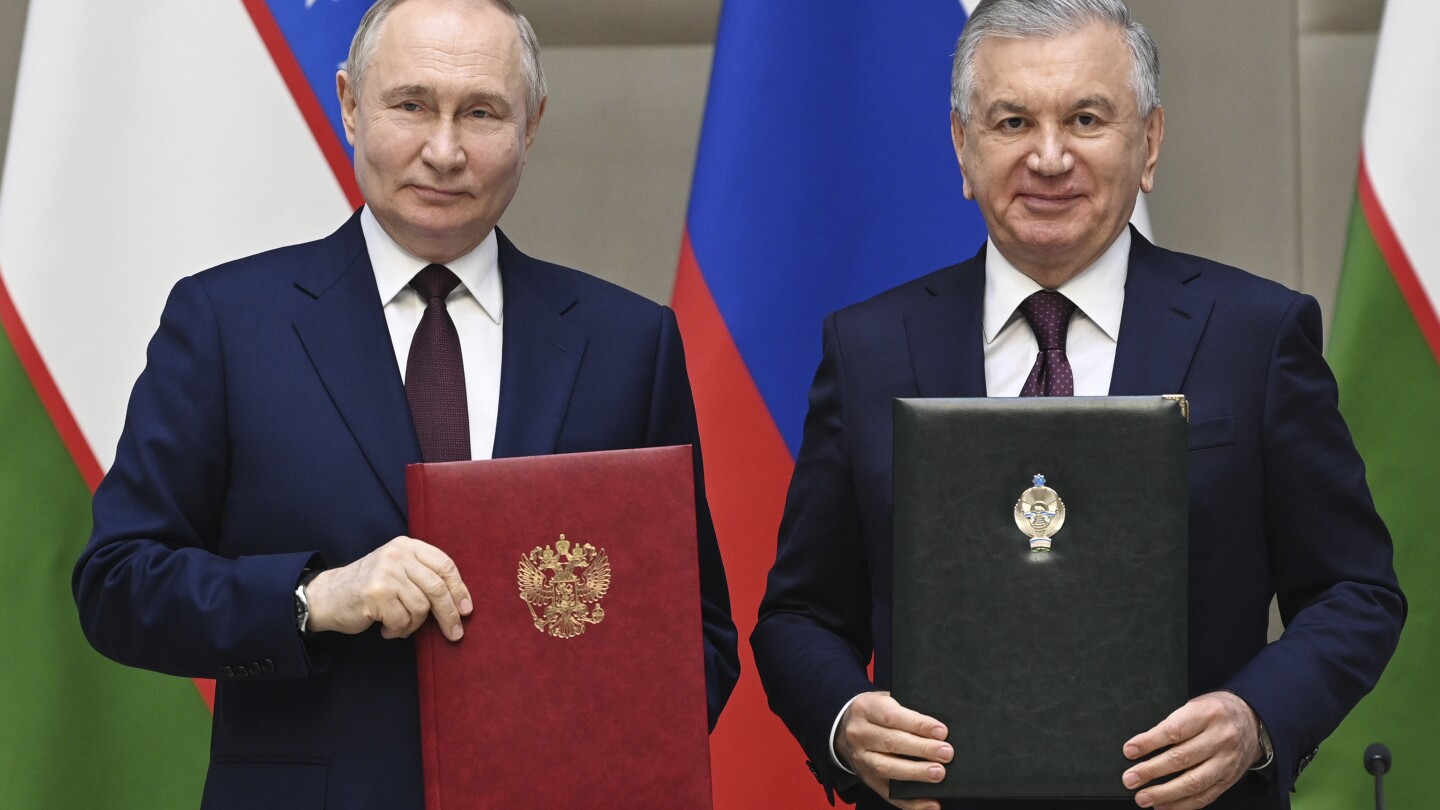
Russia and Uzbekistan have signed an agreement for Russia to build Central Asia's first nuclear power plant in Uzbekistan, with six reactors totaling 330 megawatts. The project aims to leverage Uzbekistan's uranium reserves and increase Russia's influence in the region. The deal was finalized during talks between Russian President Vladimir Putin and Uzbek leader Shavkat Mirziyoyev in Tashkent. Putin also pledged to boost gas deliveries to Uzbekistan, reflecting Russia's efforts to strengthen ties amid ongoing tensions with the West over the Ukraine conflict.
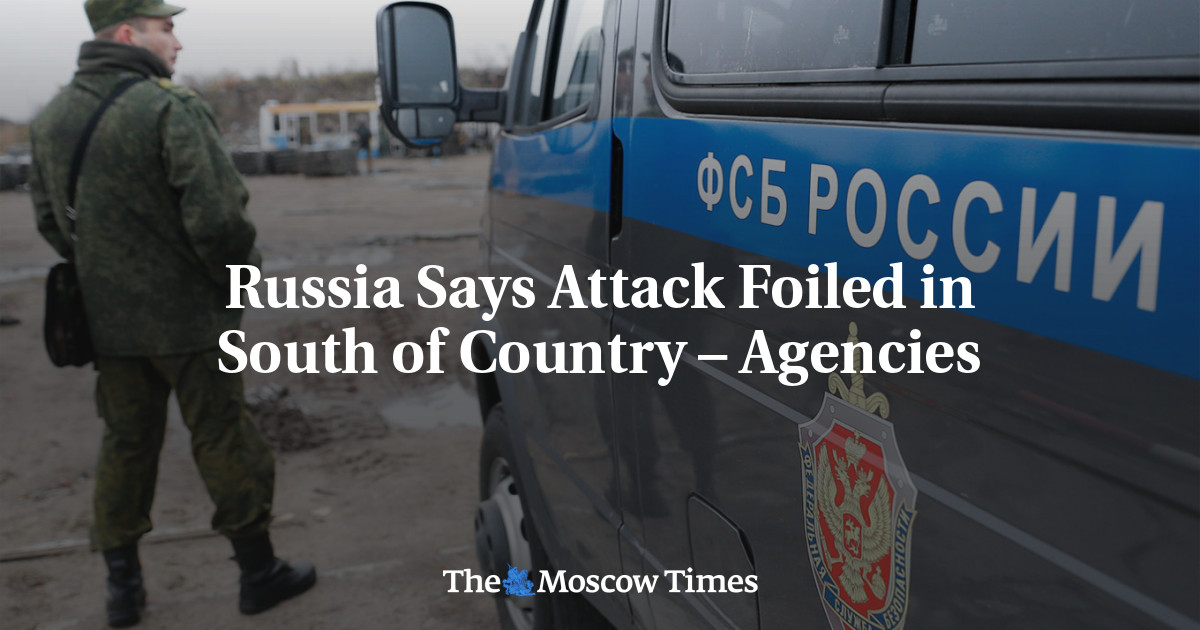
Three men from Central Asia were arrested in southern Russia for allegedly plotting a bomb attack in the Stavropol region, following the recent Islamic State terrorist attack in Moscow. The suspects were seen shopping for bomb-making materials before being apprehended by Russian security forces. The arrests come amid heightened tensions and crackdowns on Central Asian migrants in Russia, where they form a vital part of the workforce. Experts suggest that the recruitment of attackers from Central Asia fits a pattern of vulnerable migrant workers being targeted by extremist groups, while Russian officials are cautioned against overly aggressive measures due to the country's worker shortage.
After a deadly terror attack in Moscow, Russian authorities quickly identified the suspects as being from Tajikistan, leading to a wave of xenophobia towards Central Asian migrant workers in Russia. Social media posts and reports of abuse have surfaced, prompting concerns for the safety of migrant workers. Russian President Vladimir Putin called for unity but faces a delicate situation as migrant workers play vital roles in the Russian workforce. The attack has also led to increased tensions between Russia and Tajikistan, with Putin seeking to avoid alienating a close ally.
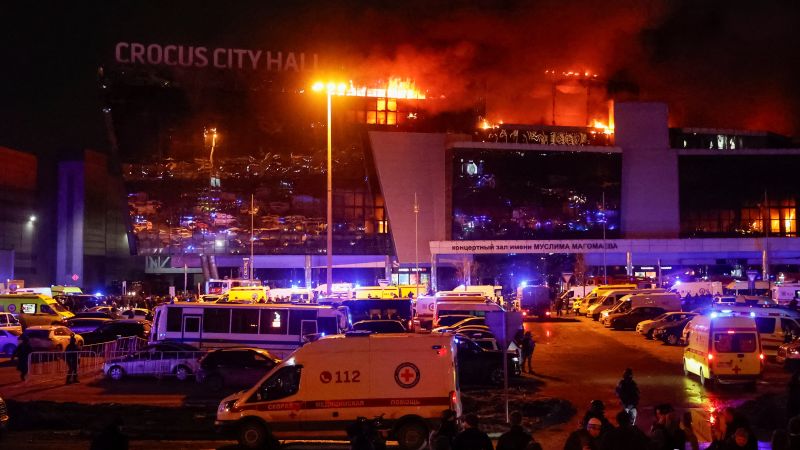
Russia's FSB has arrested three individuals from a Central Asian country who were planning a terrorist attack in the southern Stavropol region, with ingredients for an improvised explosive device found at one suspect's home. This comes a week after the deadly massacre at the Crocus City concert hall near Moscow, and the Stavropol region borders Dagestan and Chechnya in the North Caucasus.
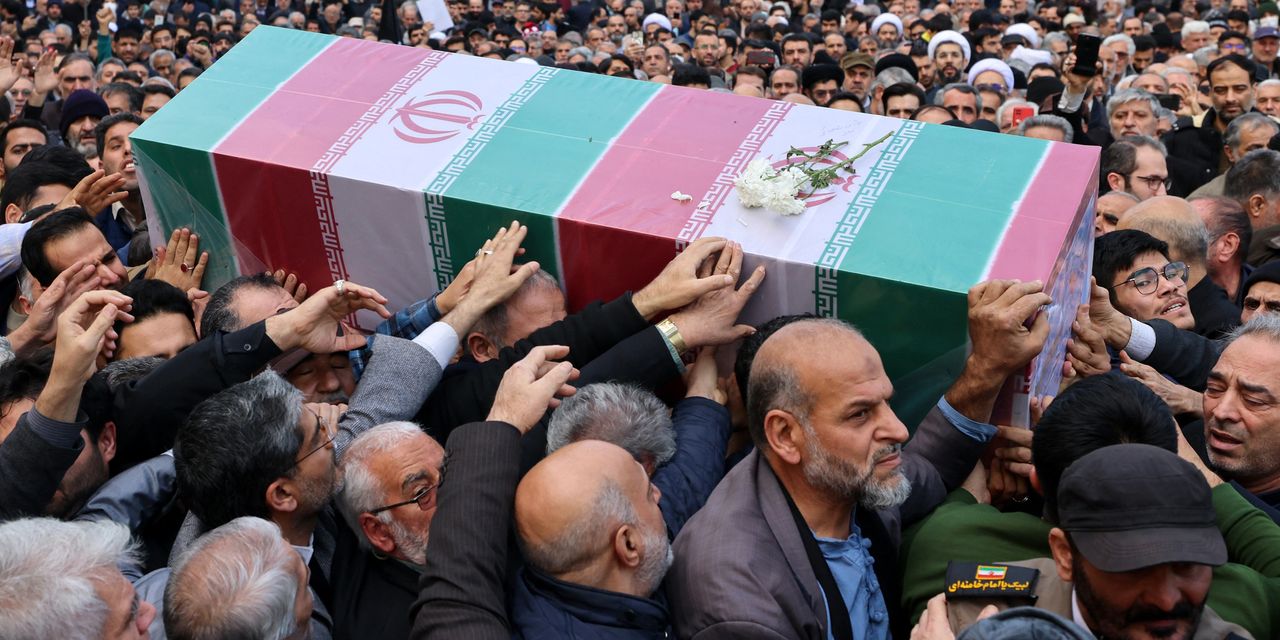
The Islamic State has demonstrated its enduring threat with a deadly bomb attack in Iran, killing dozens despite the group's territorial losses in Iraq and Syria. While diminished in its former strongholds, the Islamic State's central leadership and fighters remain active, and the group is expanding its influence in West Africa, capturing significant territory. This attack underscores the group's capacity to incite regional instability.
Leaders of Russia, Turkey, Iran, and Pakistan are visiting Central Asia in a diplomatic push to expand their influence in the traditionally Russia-dominated region. Putin visits Kazakhstan, while Raisi, Erdogan, and Kakar attend a regional economic summit in Uzbekistan. Central Asian countries are seeking new partnerships as Russia's grip on the region wanes, with China, the EU, the US, Iran, and Turkey competing for influence. The summit will focus on trade, humanitarian cooperation, and transport, with discussions on gaining access to the sea via Pakistan.