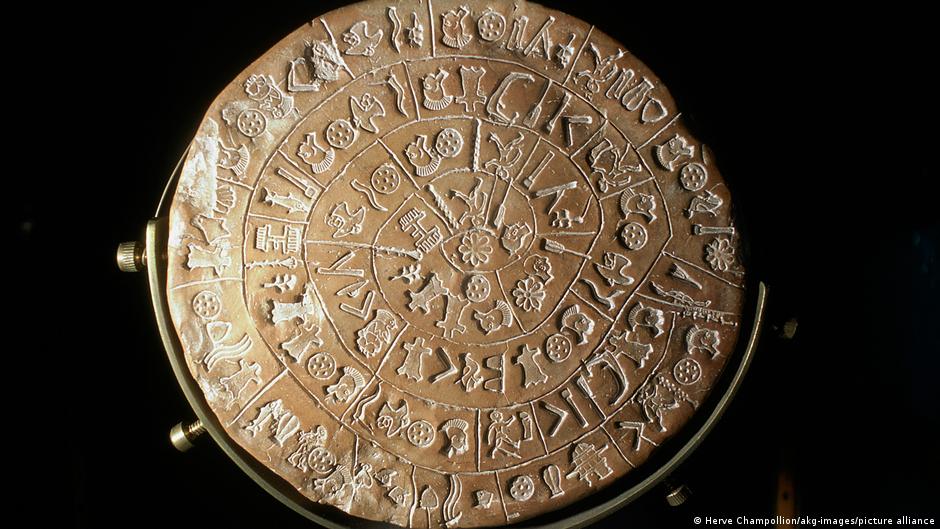
Many ancient writing systems, such as Epi-Olmec, Indus Valley, Rongorongo, Linear A, and others, remain undeciphered due to limited texts and lack of a Rosetta Stone-like key. While AI offers some assistance, its effectiveness is limited by the small amount of available data, and deciphering these scripts continues to be a challenging puzzle that offers insights into lost civilizations.

Researchers from the University of Cologne have partially deciphered the mysterious "unknown Kushan script," a writing system used in Central Asia between 200 BCE and 700 CE. By analyzing cave inscriptions and pottery markings, the team was able to decode about 60% of the characters, shedding light on a previously unknown Middle Iranian language. The decipherment provides valuable insights into the language and cultural history of the Kushan Empire and Central Asia. Further research trips are planned to uncover more inscriptions and expand our understanding of this ancient script.
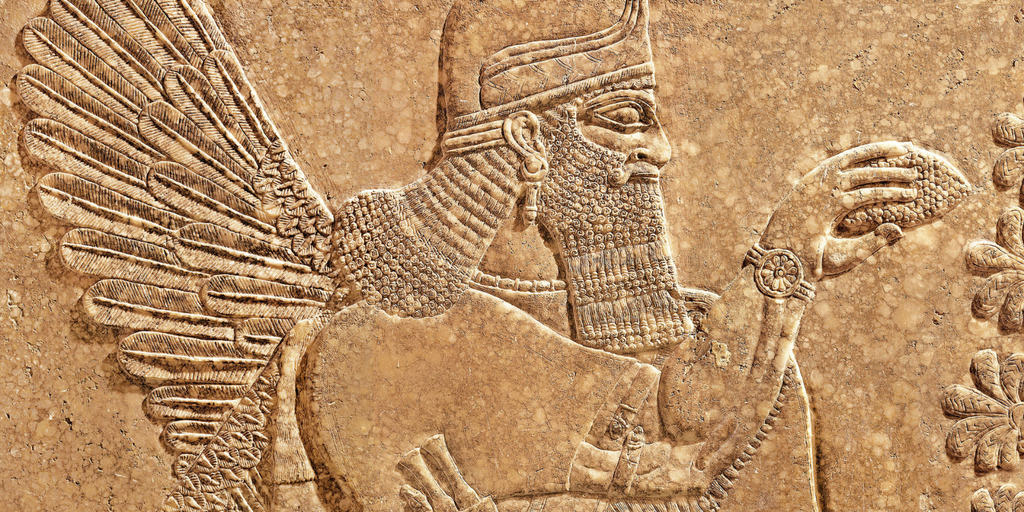
An interdisciplinary team of researchers has developed an AI model that can instantly translate Akkadian cuneiform, one of the world's oldest written languages. Trained on existing translations, the AI tool can decode nearly a million undeciphered Akkadian texts within seconds. While the translations are not perfect and occasional errors occur, the tool saves significant time and labor in the initial processing of the texts. The AI model shows promise in reproducing genre-specific nuances and may assist researchers in producing preliminary translations that can be refined by humans.
Researchers are using artificial intelligence and natural language processing (NLP) to translate ancient languages and texts, such as cuneiform tablets and Egyptian hieroglyphs, into English. The lack of available data poses a challenge, but AI models like Akkademia are being developed to make ancient languages more accessible and facilitate translations. This technology has the potential to unlock valuable insights from ancient history and aid in archaeological research.
Researchers are using artificial intelligence (AI) and natural language processing (NLP) to translate ancient texts and languages into English, including ancient Cuneiform and Egyptian hieroglyphs. The lack of a large amount of data poses a challenge, but AI models have been trained using available examples. The project aims to make ancient languages more accessible and is starting with the translation of Akkadian into English.