Google is rolling out a conversational experience powered by its Gemini AI model in Google Ads, allowing advertisers to generate relevant ad content from a website URL. Early tests show that advertisers have built higher quality search campaigns with less effort, leading to increased Ad Strength scores. Small business advertisers using this experience are more likely to publish search campaigns with "Good" or "Excellent" Ad Strength, and those who improve ads from "Poor" to "Excellent" see 12% more conversions on average. Google plans to add a capability for the conversational experience to suggest images using generative AI and images from landing pages. The impact of generative AI on Google and the advertising market is expected to be significant, with estimates suggesting it will eventually impact more than $40 billion per year in ad revenue.
Media buyers and marketers argue that X, a platform that is considered nonessential for companies focused on selling products rather than taking a stance, should not rely on advertisers to keep it afloat or shut it down.
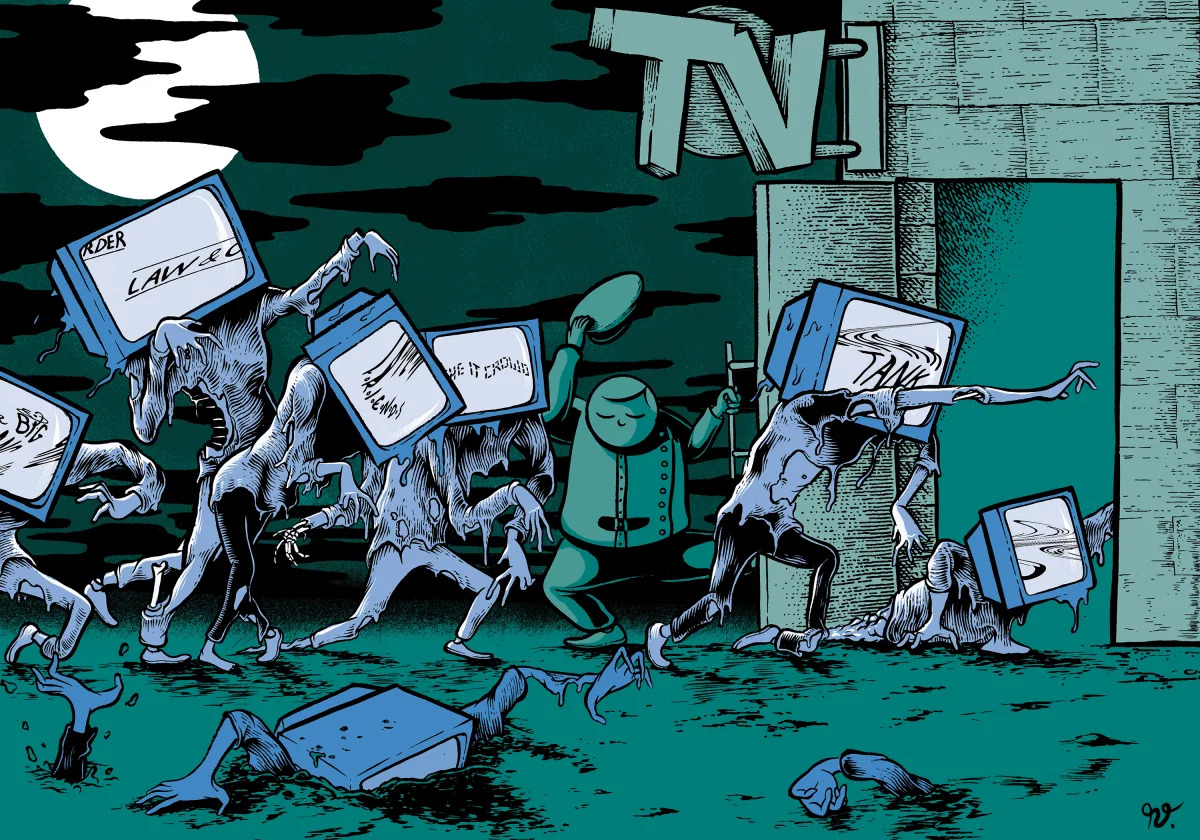
Cable television networks like USA, TBS, Comedy Central, and MTV are experiencing a decline in viewership and original programming, transforming into mere shells of their former selves. Advertisers are pulling money from cable at high rates, and cable providers are questioning the value they offer consumers. As subscribers migrate to streaming services, media companies are redirecting resources towards their streaming platforms, despite the fact that most streaming services are currently losing money. Cable networks are now filled with endless reruns, reality shows, and live sports, while original scripted programs have significantly decreased. The decline in cable advertising revenue has reached double-digit percentages, leading to concerns about the future viability of cable networks.
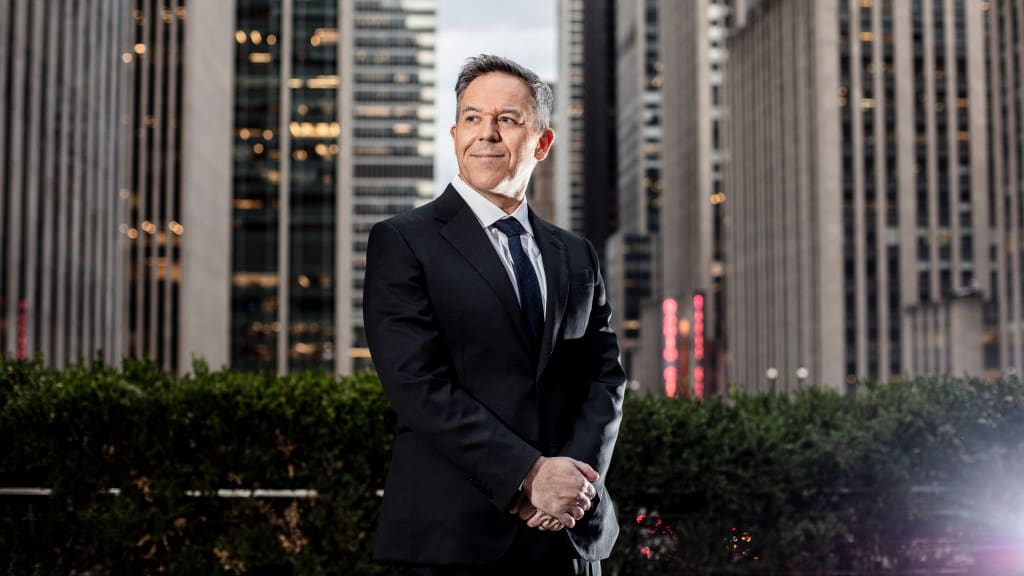
Fox News host Greg Gutfeld criticized what he called the "censorship industrial complex," which includes technology companies, the government, and the news media. Gutfeld specifically pointed to the firing of Tucker Carlson as an example of censorship. He also criticized advertisers for lacking backbone and being easily influenced by special interest groups. Gutfeld's comments drew surprise from his co-hosts and implied that Fox News bowed to the "censorship industrial complex" by ousting Carlson. Carlson himself acknowledged that Fox was unhappy with his coverage of the January 6th attack at the Capitol.
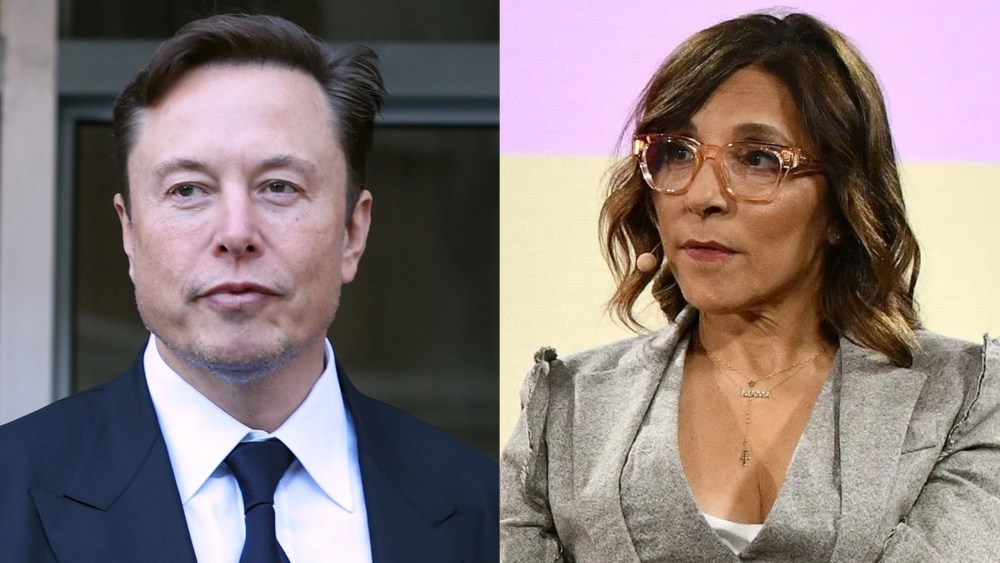
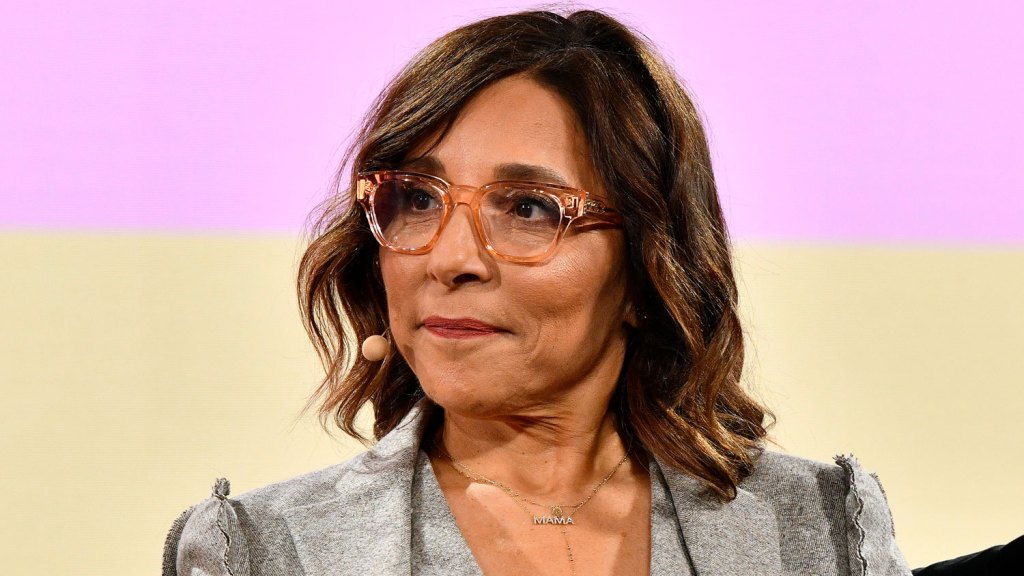
X CEO Linda Yaccarino is facing the challenge of restoring trust with big advertisers after her boss, Elon Musk, publicly criticized those who suspended advertising from the platform. Musk, speaking at the New York Times' DealBook Summit, accused advertisers of "blackmail" and used profanity to express his frustration. Yaccarino, who had previously questioned Musk about brand safety, tried to explain his perspective on free speech and thanked remaining advertisers for their support. However, major advertisers such as Disney, NBCU, Apple, and others have frozen spending on X, making it difficult to mend fences in the short term. Musk apologized for a controversial post but doubled down on his refusal to bow to large advertisers, claiming they are stifling free speech.
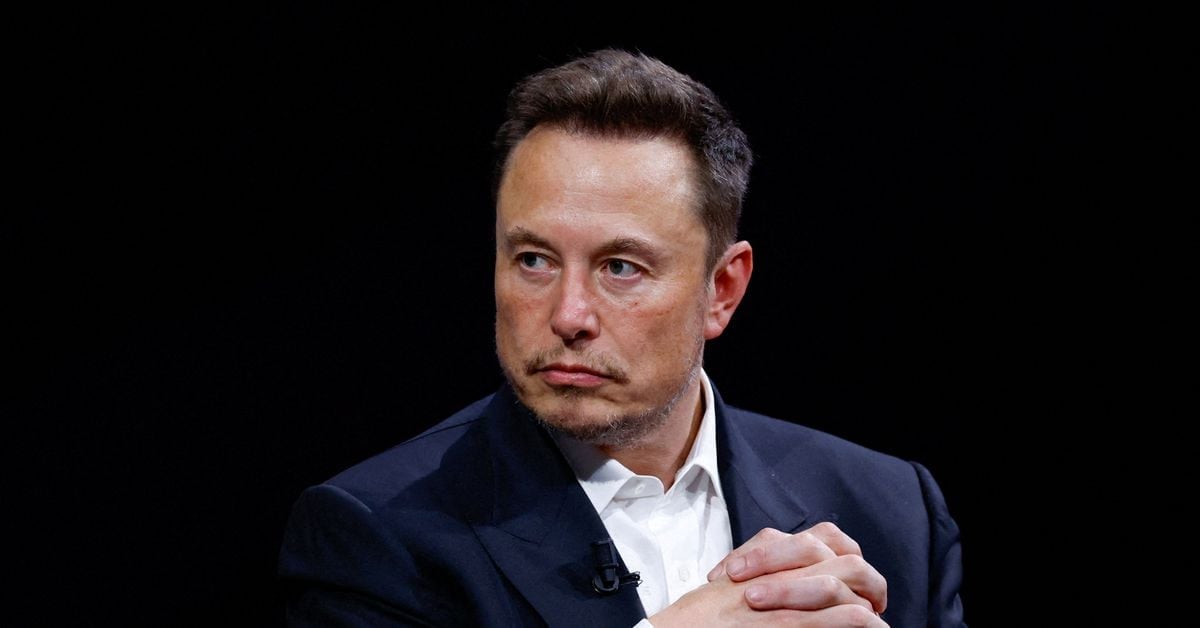
Elon Musk, CEO of X (formerly known as Twitter), lashed out at advertisers who left the platform over antisemitic content, telling them to "Go fuck yourself" in a fiery interview. Musk expressed remorse for agreeing with an anti-Jewish post and acknowledged the harm caused by his tweet. He denied being antisemitic and criticized advertisers for attempting to blackmail him. Major companies, including Walt Disney and Warner Bros Discovery, suspended their ads on X following the controversy. Musk's comments have put pressure on X and its CEO, Linda Yaccarino. Despite offering an apology, Musk's expletives against advertisers may have a lasting impact on the platform's relationships with brands.
Elon Musk responded defiantly to advertisers who pulled their money from X (formerly Twitter) following backlash over his endorsement of an antisemitic tweet and reports of increased hate speech on the platform. During an on-stage interview at the New York Times' DealBook Summit, Musk told advertisers to "go fuck yourself" and stated that their exodus could kill the company. Major companies such as Apple, IBM, and Coca-Cola have removed paid advertisements from X, potentially resulting in up to $75 million in revenue losses. Musk's controversial decisions and combative remarks have concerned advertisers, who have long been the core of the platform's business.
Elon Musk expressed anger towards advertisers who pulled spending from X/Twitter after he endorsed an antisemitic conspiracy theory, accusing them of trying to "blackmail" the company and threatening to drive it into bankruptcy. Major advertisers including Disney, IBM, Warner Bros. Discovery, Sony, Comcast, NBCUniversal, and Lionsgate suspended ad spending following Musk's controversial post. Musk clarified that his intention was to highlight the illogical situation of persecuted groups funded by Jewish organizations calling for attacks on Jewish people, but admitted that his response was one of the "most foolish" posts he's made. He also discussed his discomfort with TikTok's AI algorithm and claimed that the platform is "rife" with antisemitic content. Musk addressed questions about X/Twitter's algorithmic prioritization and defended the need for businesses to pay for subscriptions, stating that "free speech isn't free."
Elon Musk, CEO of Tesla and SpaceX, responded to advertisers threatening to leave his social media platform X (formerly Twitter) due to his amplification of antisemitic posts by telling them to "Go f--- yourself" and suggesting that fans would boycott those advertisers. Musk denied being antisemitic and apologized for his posts, claiming to be "philosemitic." His controversial tweets led to major advertisers suspending campaigns on X, including Disney and Apple. Musk also discussed his negative views on unions, compliance with regulations, doing business in China, and his concerns about the dangers of AI.
Elon Musk announces that X (formerly known as Twitter) will bring back article headlines in an upcoming release, overlaying them on the image of a URL card instead of removing them. This change comes after Musk previously removed headlines to improve aesthetics. The removal of headlines had affected the way users shared articles on X, as it lacked context. Additionally, X is facing an exodus of major advertisers following controversies surrounding Musk's endorsement of an antisemitic post and ads appearing next to pro-Nazi and white nationalist content. X has filed a lawsuit against activist group Media Matters, accusing them of a "blatant smear campaign."
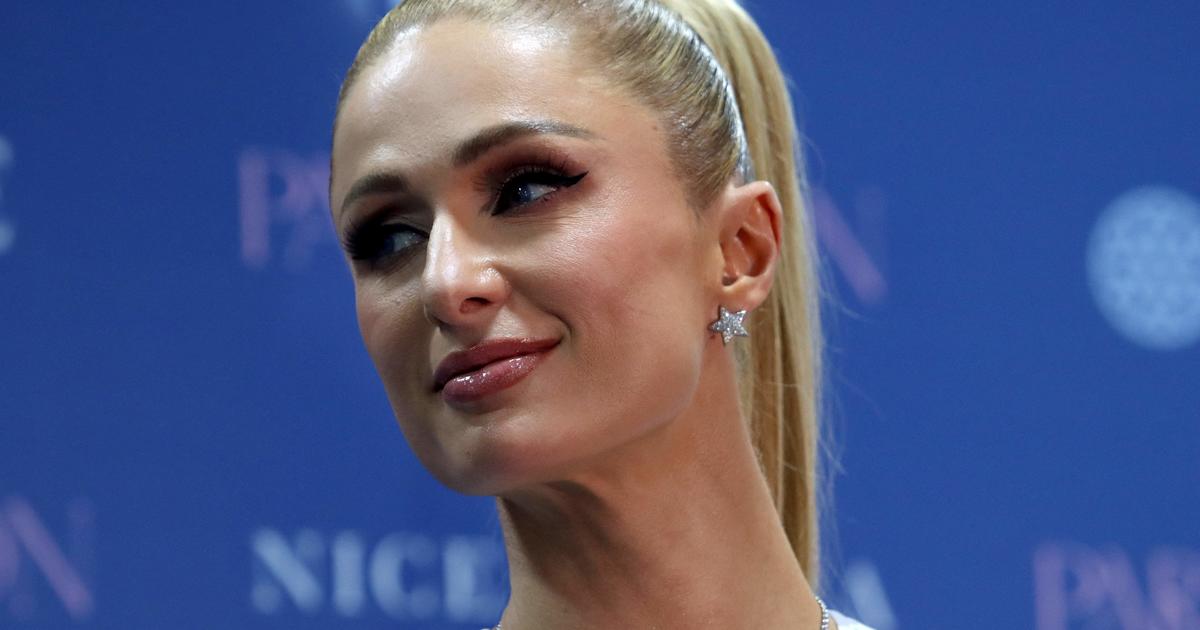
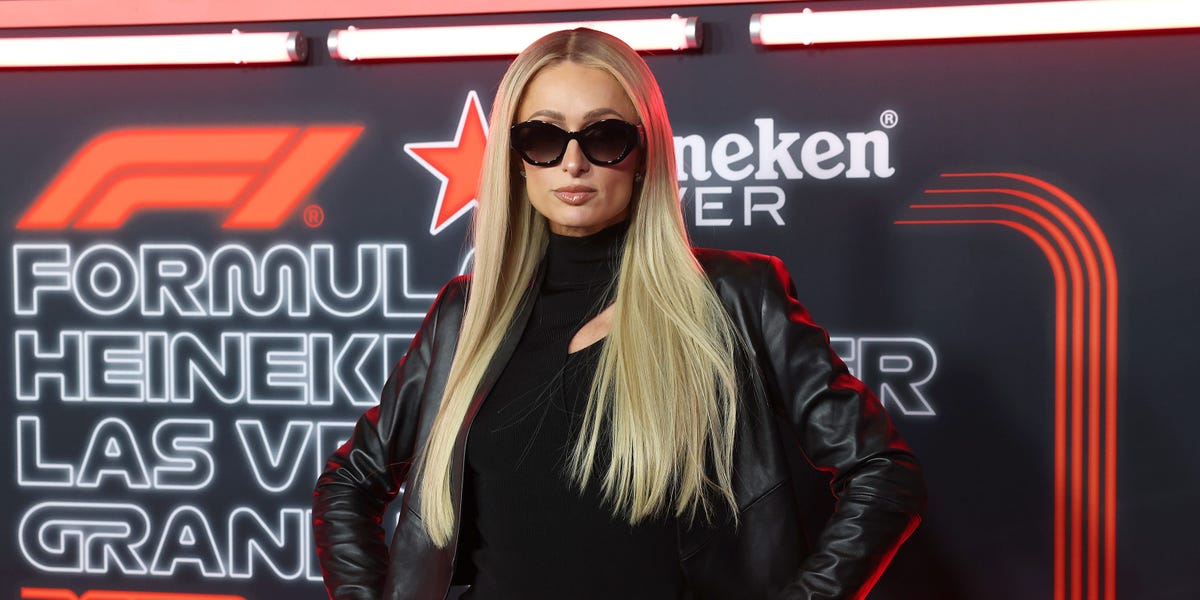
Paris Hilton's entertainment company, 11:11 Media, has suspended its advertising campaign on X (formerly known as Twitter) following Elon Musk's endorsement of an antisemitic conspiracy theory. This move adds to the growing list of companies pulling their ads from the platform, including Apple, Disney, IBM, and Lionsgate. X has faced backlash for allowing ads to appear next to Nazi-themed content, leading to a decline in web traffic. Musk hired former NBC executive Linda Yaccarino to attract big brands back to X, but the recent controversy has further damaged the platform's reputation.
Paris Hilton's media company, 11:11 Media, has pulled its ads from the social platform X due to concerns of pro-Nazi content and Elon Musk's apparent embrace of antisemitic conspiracy theories. This comes just a month after 11:11 Media signed an exclusive partnership with X. Other major brands, including Disney and Apple, have also suspended ads on X in response to Musk's controversial tweet.
X CEO Linda Yaccarino defends the platform against allegations of serving ads next to antisemitic posts, sharing data that shows only a few users saw such content. Advertisers, including Apple, IBM, Disney, Comcast, Paramount, and Lionsgate, have paused their ad spending on X following a Media Matters report. Yaccarino calls for users to stand by the platform and emphasizes the importance of data over manipulation or allegations.
Elon Musk, CEO of X (formerly Twitter), threatened to file a "thermonuclear lawsuit" against media watchdog group Media Matters and those involved in what he called a "fraudulent attack" on his company. This comes after major advertisers, including Apple and Disney, paused their spending on X due to ads running alongside pro-Nazi content. Musk criticized large advertisers as "oppressors" of free speech and promoted a paid, ad-free subscription version of X. Media Matters accused Musk of promoting hate speech and confirmed that the ads in question ran alongside pro-Nazi content.
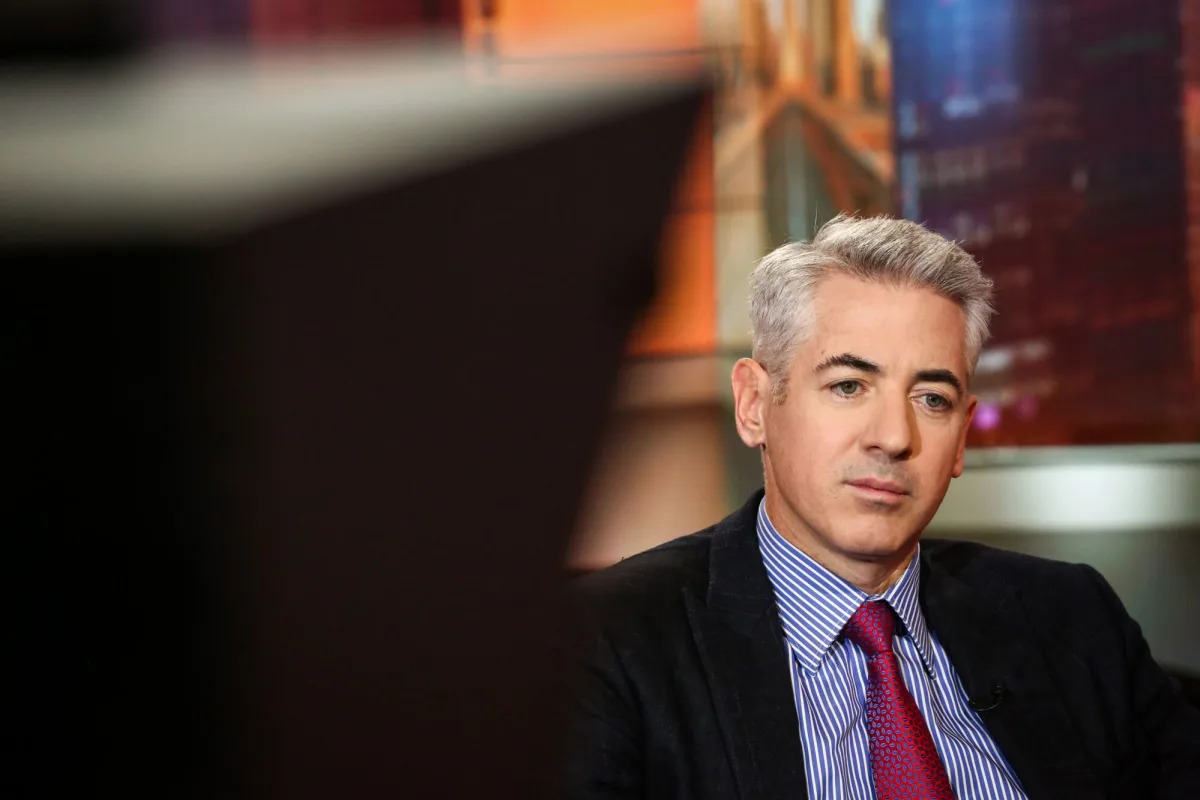
Hedge fund manager Bill Ackman has come to the defense of Elon Musk after major advertisers pulled ads from social media site X due to backlash over Musk's agreement with a post containing antisemitic commentary. Musk's comments prompted criticism from the White House and Tesla shareholders, with some investors calling for his suspension as CEO. Advertisers such as Apple and Disney have suspended or halted spending on X. Ackman, who has expressed interest in a deal with X Corp, has invested $10 million in the social media platform through his firm's foundation and has been vocal in calling for Harvard to address antisemitism.