Duolingo reported strong third-quarter revenue and EBITDA exceeding expectations, but its stock fell 25% due to disappointing fourth-quarter guidance and a strategic shift towards long-term user growth over immediate profits, causing uncertainty among investors.
Target is cutting 1,800 corporate jobs, about 8% of its headquarters staff, as part of a strategy to simplify operations and boost growth amid sales slumps and leadership changes, with affected employees receiving pay and benefits until January 3.
Elliott Investment Management has taken a $4 billion stake in PepsiCo, making it one of the company's largest investors, and has proposed strategic actions to accelerate growth and increase shareholder value, leading to a 2.9% rise in PepsiCo's stock price.
Peloton unexpectedly posted a profit in its fiscal fourth quarter, driven by cost reductions and better sales, despite a 6% revenue decline. The company announced plans to cut an additional 6% of its staff and reduce operating expenses by $100 million by fiscal 2026 to improve profitability. Under new CEO Peter Stern, Peloton is focusing on cost restructuring, expanding its retail presence with micro-stores, and international growth, while also working to improve hardware margins and manage tariffs' impact. Despite recent challenges, Peloton is optimistic about returning to growth and profitability.
A Wall Street analyst downgraded Netflix stock to neutral from buy due to valuation concerns and the need for the company to demonstrate progress in its growth strategies, including advertising and content expansion, leading to a slight decline in stock price and expectations of volatility around its upcoming earnings report.
Procter & Gamble announced plans to cut 7,000 jobs over the next two years as part of a restructuring strategy to boost growth and value creation amid uneven consumer demand and rising costs, affecting about 6% of its workforce.
Canopy Growth reported a decrease in revenue and net loss for FY2025 but reduced debt significantly and identified cost-saving initiatives aimed at improving profitability and accelerating growth in global medical cannabis and Canadian adult-use markets.
Disney CEO Bob Iger expressed gratitude to shareholders at the annual meeting, emphasizing the company's renewed strength and ambitious growth strategy. He highlighted the positive impact of Disney's transformation, including plans to reinvigorate creativity at film studios, achieve sustained profitability in streaming, position ESPN as a digital sports platform, and turbocharge growth in Disney's Experiences business. Iger also discussed upcoming film releases and the expansion of Disney's streaming services, emphasizing the company's commitment to being a responsible global citizen.
Nvidia's high-end chip dominance faces potential challenges as competition in the GPU market grows, but the company's focus on data center GPUs, which currently hold a 98% market share, and its shift towards service-based business models could sustain its growth. With the increasing demand for AI data processing and cloud computing, Nvidia's revenue from its data center platform is soaring, and its service-based offerings like DGX Cloud may pave the way for future revenue streams. While Nvidia's stock growth may not match historical levels, its innovative leadership and evolving business models position it as a stable choice for long-term investors.
Newly listed Birkenstock beat revenue expectations in its first fiscal quarter as a public company, reporting a 22% year-on-year jump in sales, driven by higher pricing and rising U.S. demand. The company reported a net loss of 4 euro cents per share, but excluding one-time items, it reported a profit of 9 euro cents per share, matching Wall Street estimates. CEO Oliver Reichert highlighted the deliberate distribution strategy to keep demand higher than supply and emphasized the company's confidence in delivering its gross profit margin and adjusted EBITDA margin objectives. Since going public, Birkenstock has seen its market cap double to around $9.7 billion, and it has used some of its proceeds to pay down debt.
Macy's reported better-than-expected revenue and earnings for the fourth quarter, despite a decline in sales, and plans to close 150 underperforming stores by 2026 as part of its new growth strategy. The retailer's digital sales decreased, while same-store sales dropped, with its luxury chain Bloomingdale's and cosmetics chain Bluemercury experiencing mixed results. The company's CEO outlined a strategy to focus on improving existing stores, investing in digital sales, and expanding small-format stores, while also aiming to rationalize its supply chain and offer a scalable tech platform to better compete with retail giants like Amazon and Walmart.
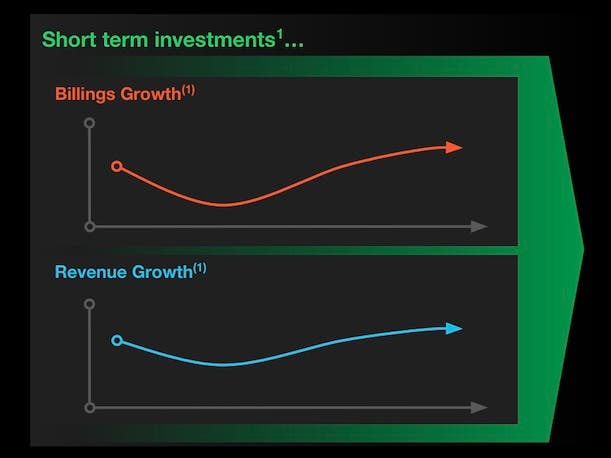
Palo Alto Networks CEO Nikesh Arora announced a dramatic shift in the company's growth strategy, aiming to accelerate consolidation onto its unified security platform despite a short-term hit to growth. This includes offering free product incentives to customers to drive adoption of more tools on its platform. The company expects a 12 to 18-month recovery period for its growth rate and aims to reach $15 billion in annual recurring revenue by fiscal 2030. The platform approach, which includes 16 acquisitions, is central to the company's strategy, focusing on building a comprehensive cybersecurity platform covering network security, cloud and applications protection, secure access service edge (SASE), zero trust security, and AI-powered threat detection.
PayPal's upcoming earnings report will be closely watched by investors as they seek tangible signs of progress and clarity on the company's growth strategy. The new management's emphasis on profitable growth has raised expectations, but concerns about the company's ability to accelerate branded checkout growth and improve market share persist. Analysts are looking for guidance on financial impacts of recent product announcements and how the focus on profitable growth will affect financials. With largely bearish sentiment and concerns about the company's future growth, PayPal's management aims to change investor perception with the upcoming report and commentary.
Netflix's co-CEO Greg Peters promises that the crackdown on password sharing, now termed "paid sharing," will drive growth for years to come, integrating it into the company's strategy alongside new advertising tiers. The company's solid subscriber numbers and expansion into live events with WWE signal its continued dominance in the streaming landscape, with paid sharing and advertising tiers helping to solidify its lead over rivals.
Dutch Bros, a drive-through coffee chain, is aiming to become a major player in the coffee market despite competition from Starbucks and McDonald's. The company has seen significant growth, opening 159 new shops in 2023 and achieving a 4% increase in same-store sales. With a focus on exceptional margins and a unique customer service model, Dutch Bros is confident in its ability to expand to 4,000 stores. The company's emphasis on its employees, known as "broistas," and its fortressing strategy are key components of its growth plan. Despite concerns about its stock performance, Dutch Bros remains focused on enhancing its brand and customer experience.