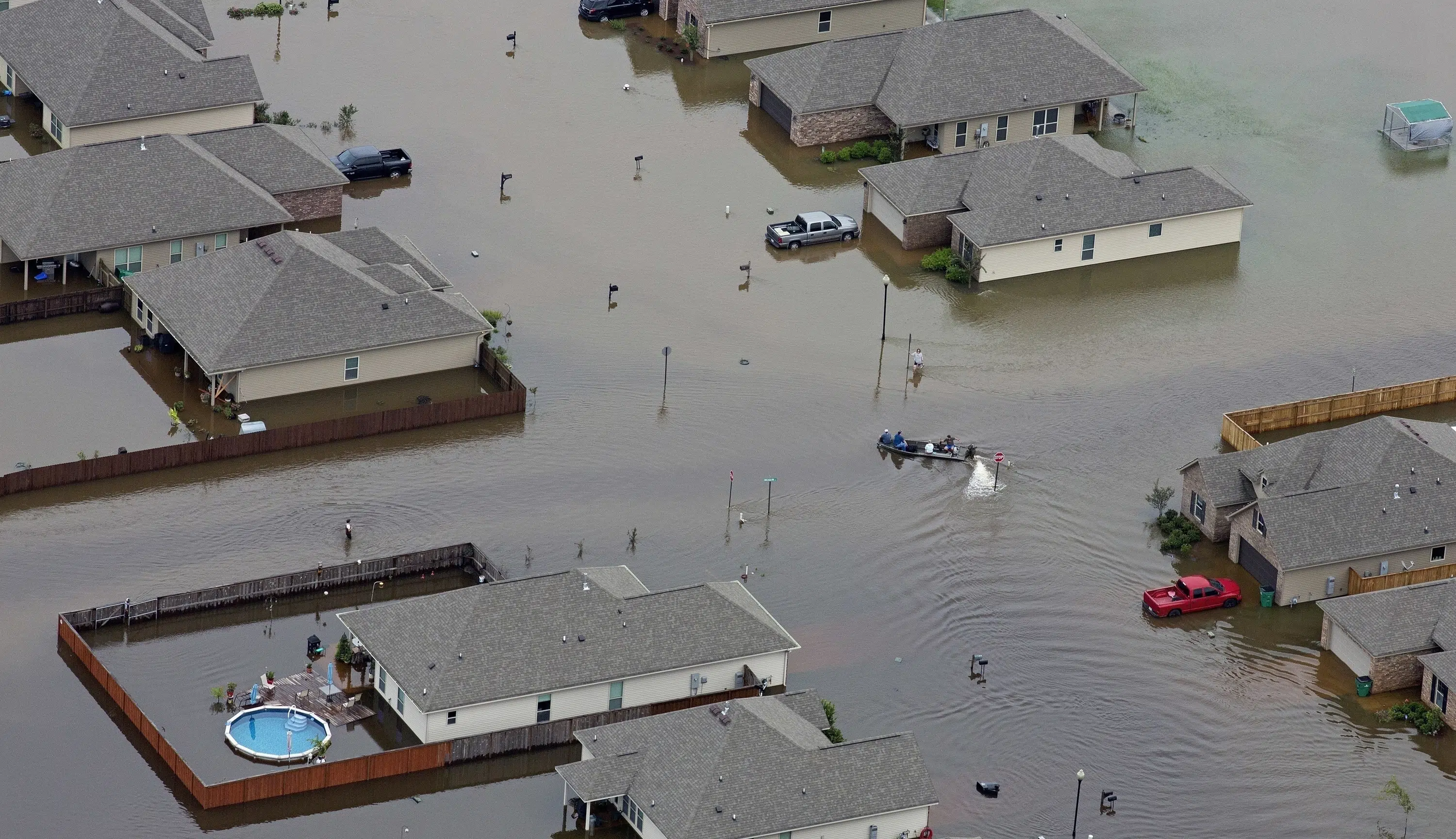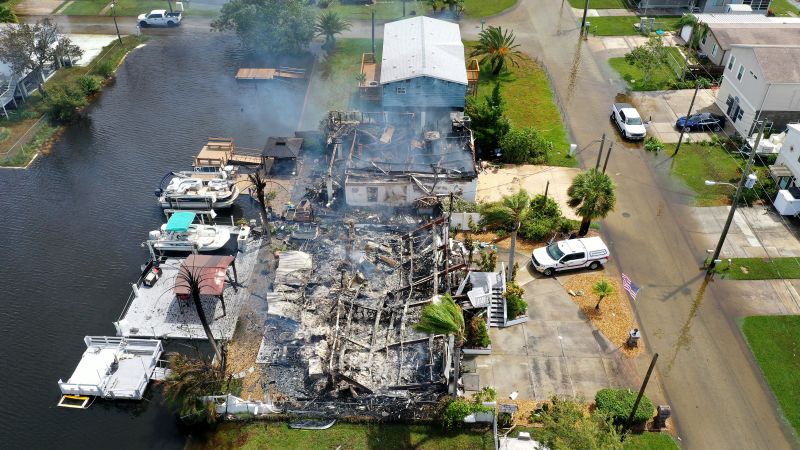
Hurricane Idalia is estimated to have caused between $12 billion and $20 billion in damage and lost output, according to Moody's Analytics. While the price tag is significant, it is considerably lower than other major hurricanes due to the storm's relatively fast speed and its landfall in Florida's Big Bend, an area with fewer people and lower property values. Moody's warns that as climate change leads to more frequent and intense storms, events like Hurricane Idalia will become more common in the future. Official estimates of insured losses will be released by Moody's RMS in the coming weeks.
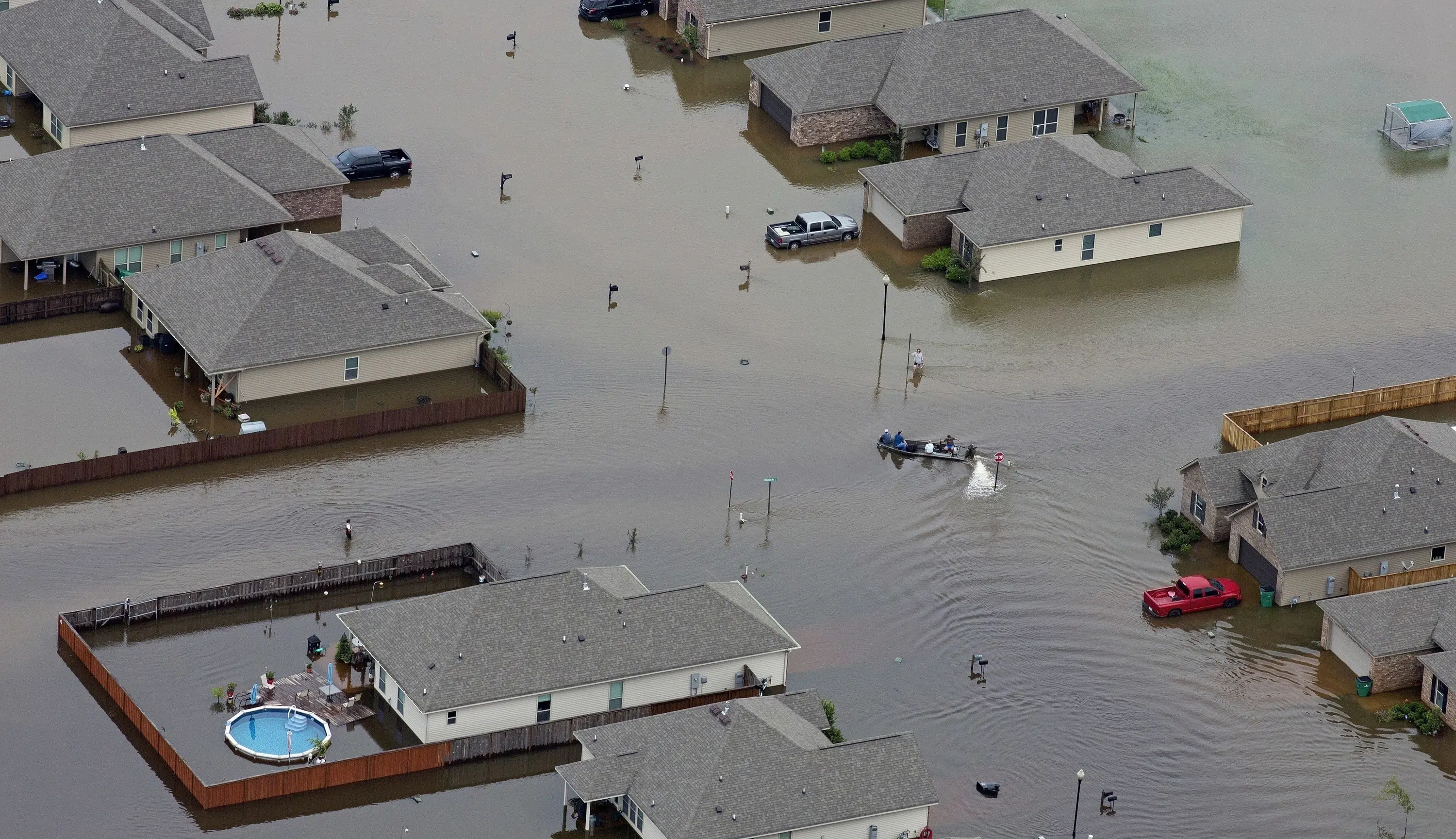
A new study in the journal Science found that the natural warming of the equatorial Pacific known as El Nino causes trillions of dollars in damage worldwide, with longer-lasting economic scars than previously thought. The study authors said the average El Nino costs the global economy about $3.4 trillion, with the strong 1997-1998 one costing $5.7 trillion. The World Bank estimated the 1997-1998 El Nino cost governments $45 billion, which is more than 100 times smaller than the Dartmouth estimate. The study shows a world unprepared for the hurt that’s coming from natural disasters like El Nino and human-caused climate change.