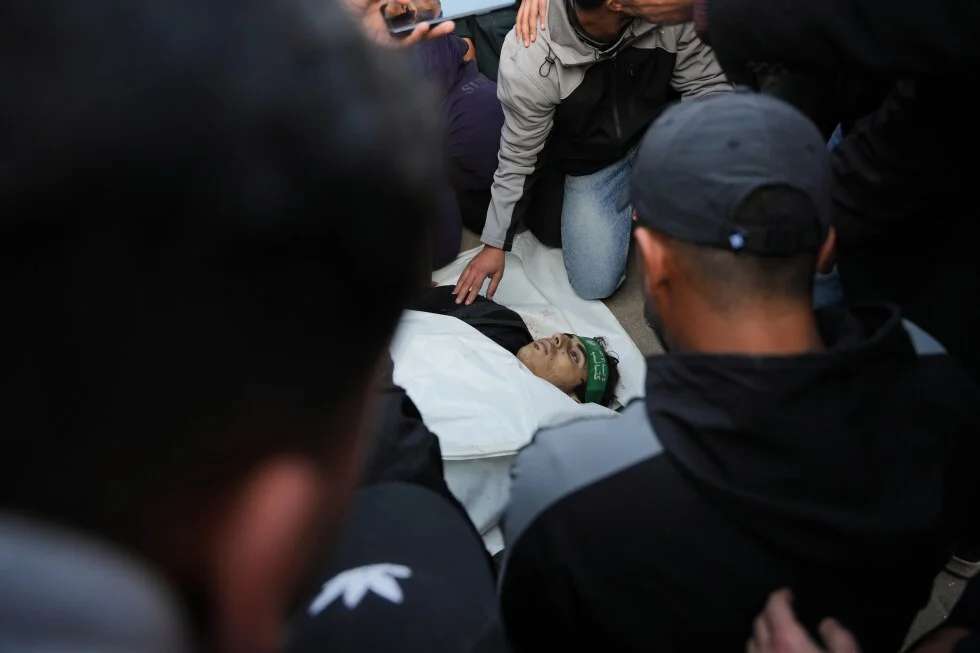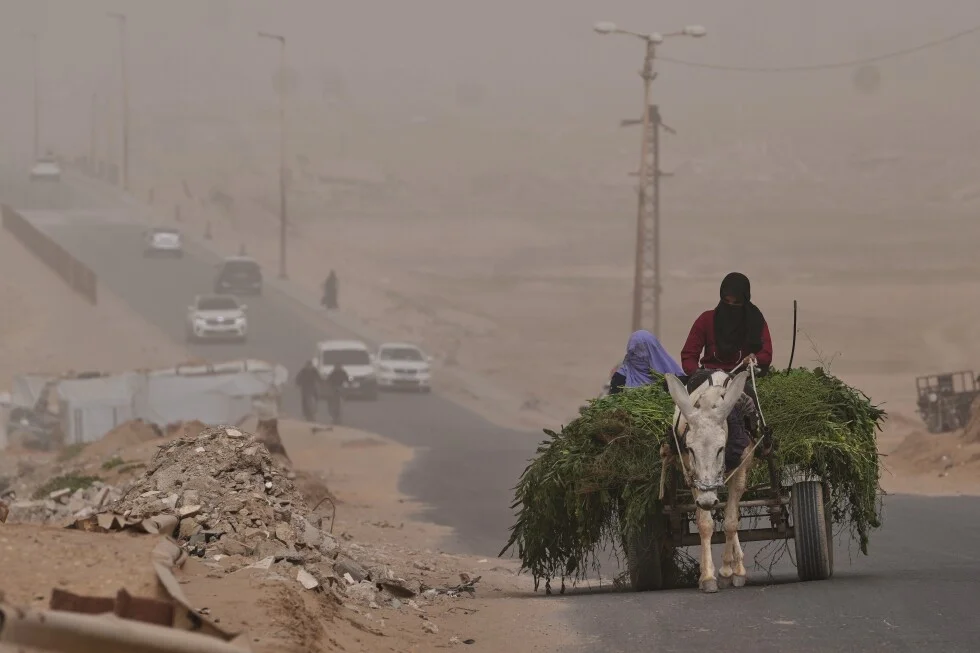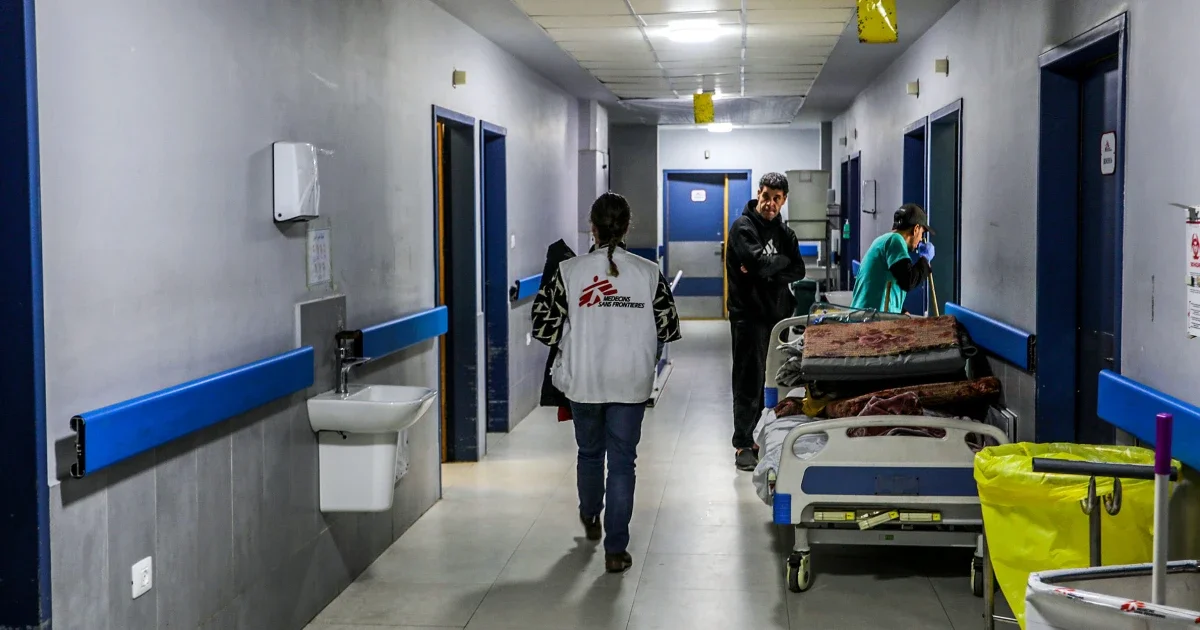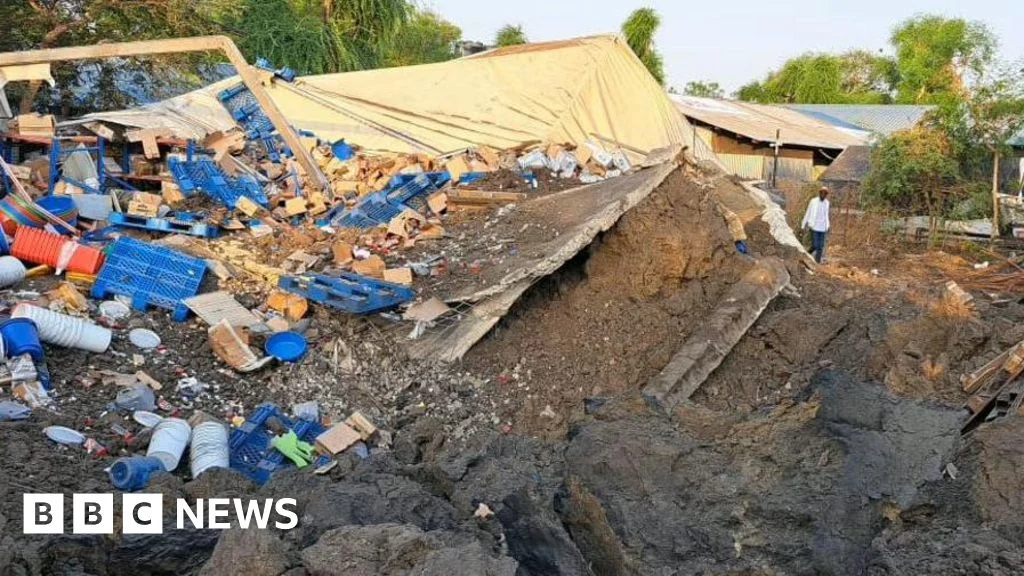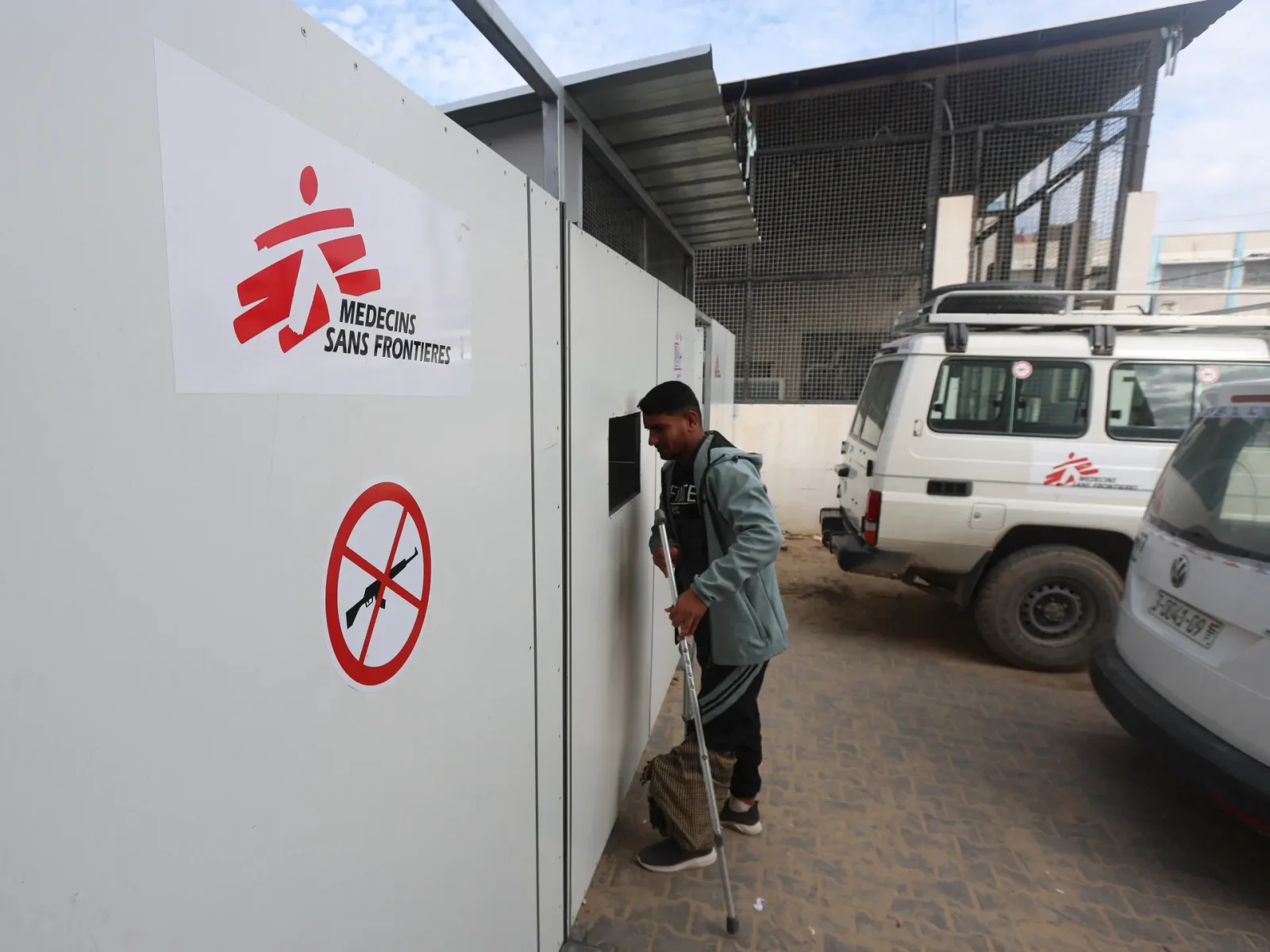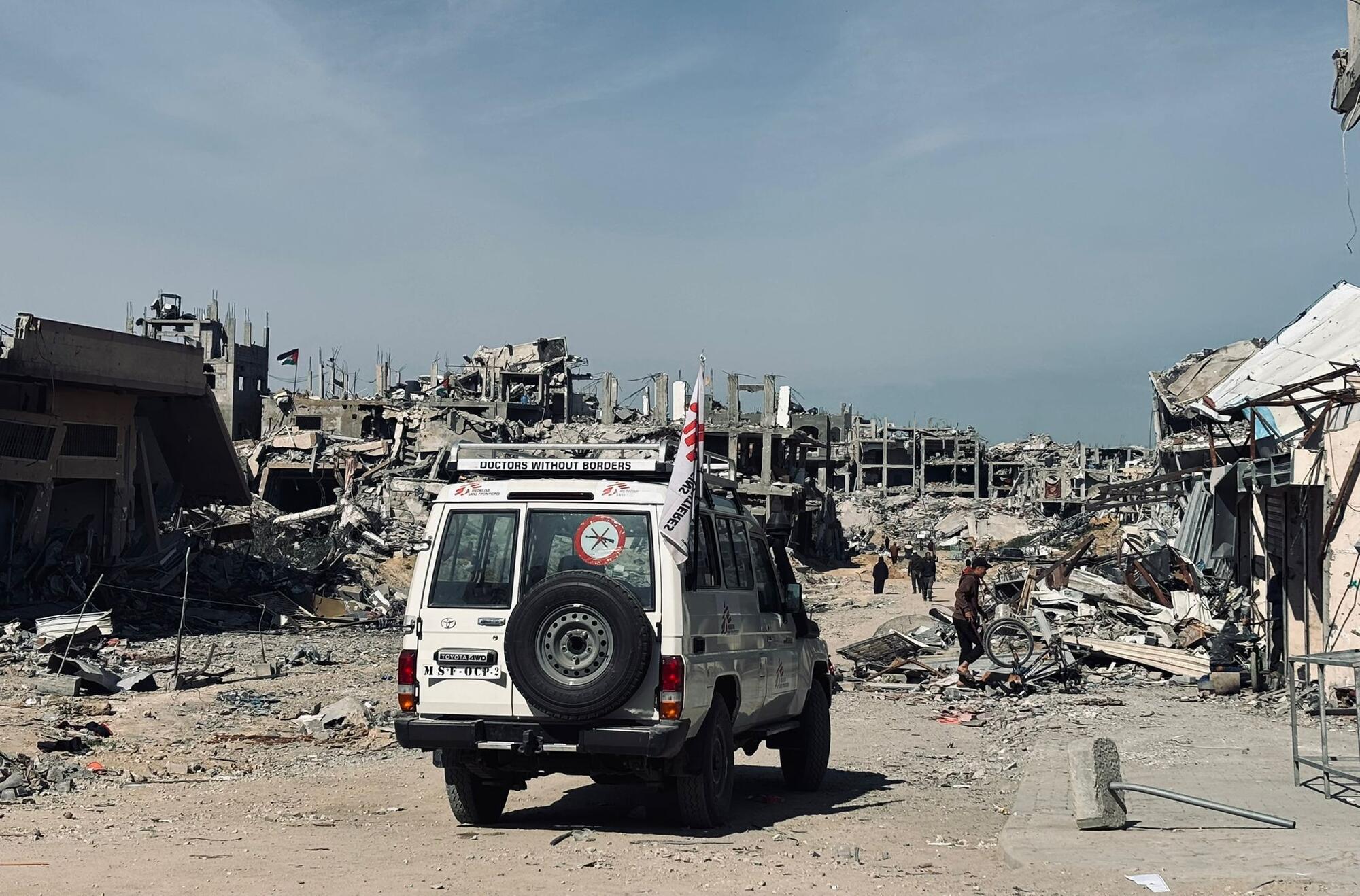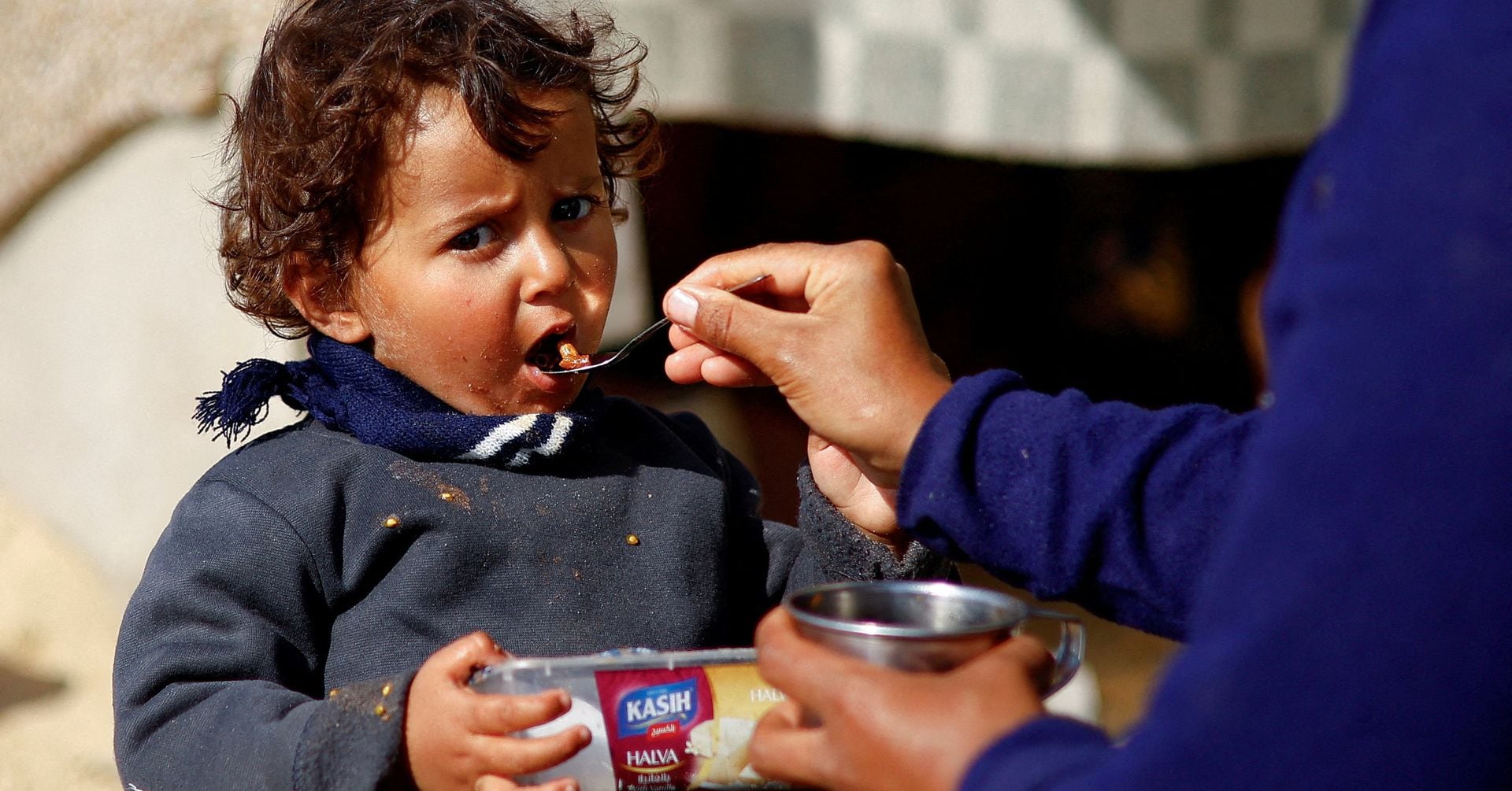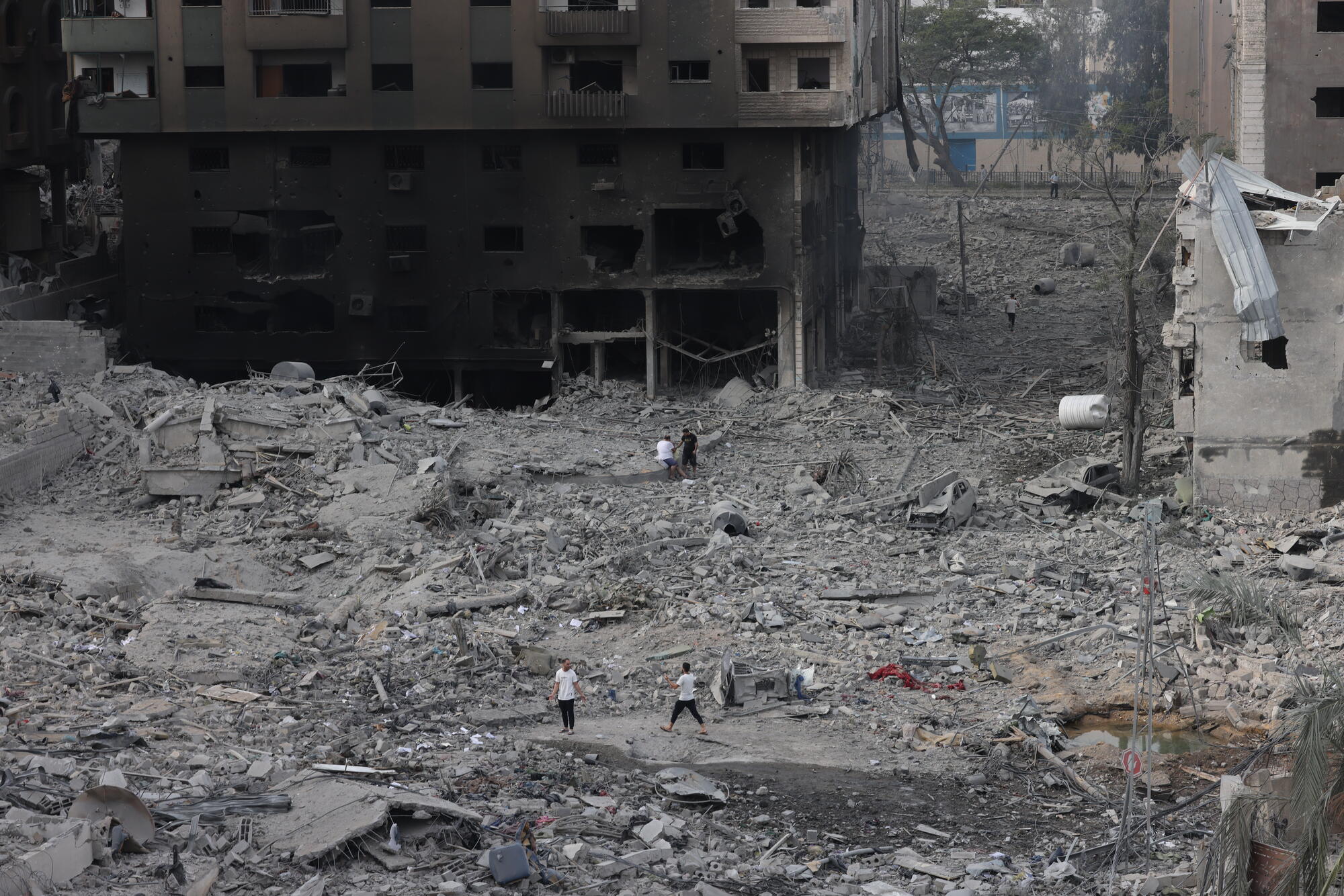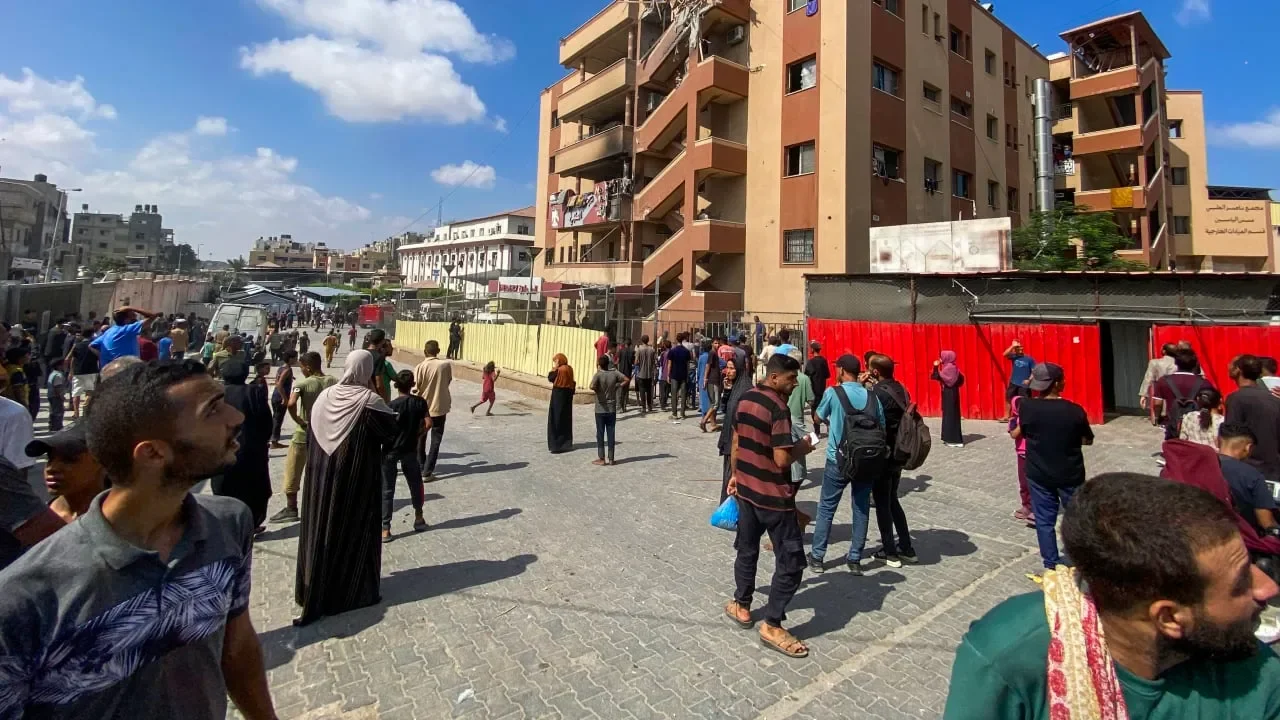
Israel's threat to withhold NGO registration, including MSF, hampers vital humanitarian aid in Gaza and the West Bank, risking further deterioration of medical and humanitarian services amid ongoing conflict and destruction, violating international humanitarian law.
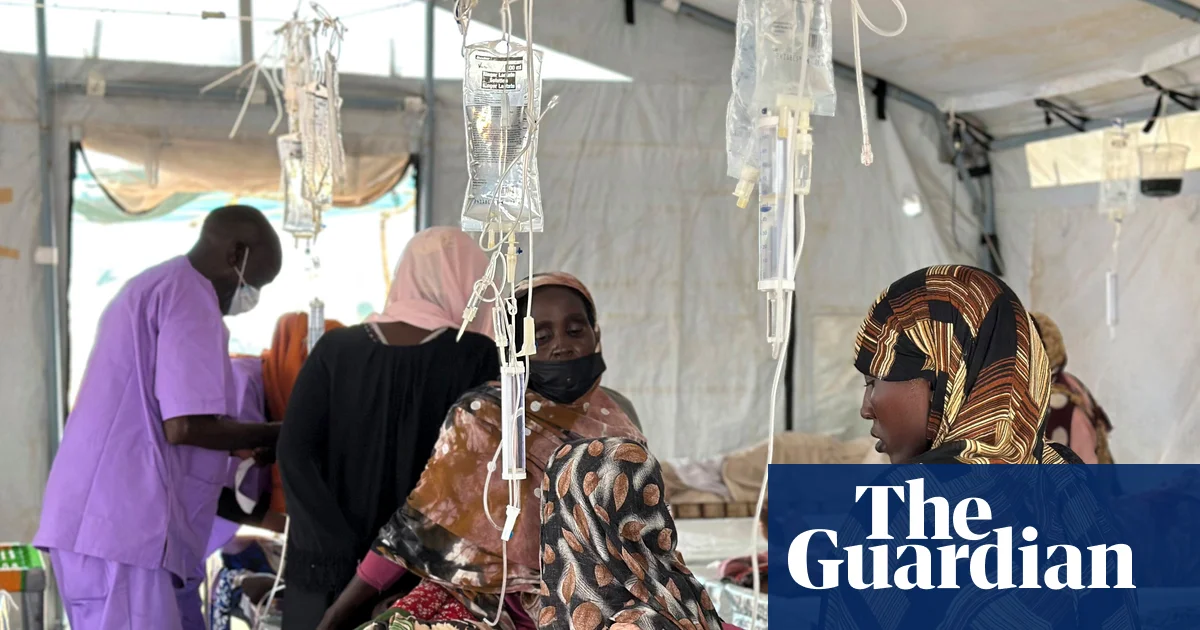
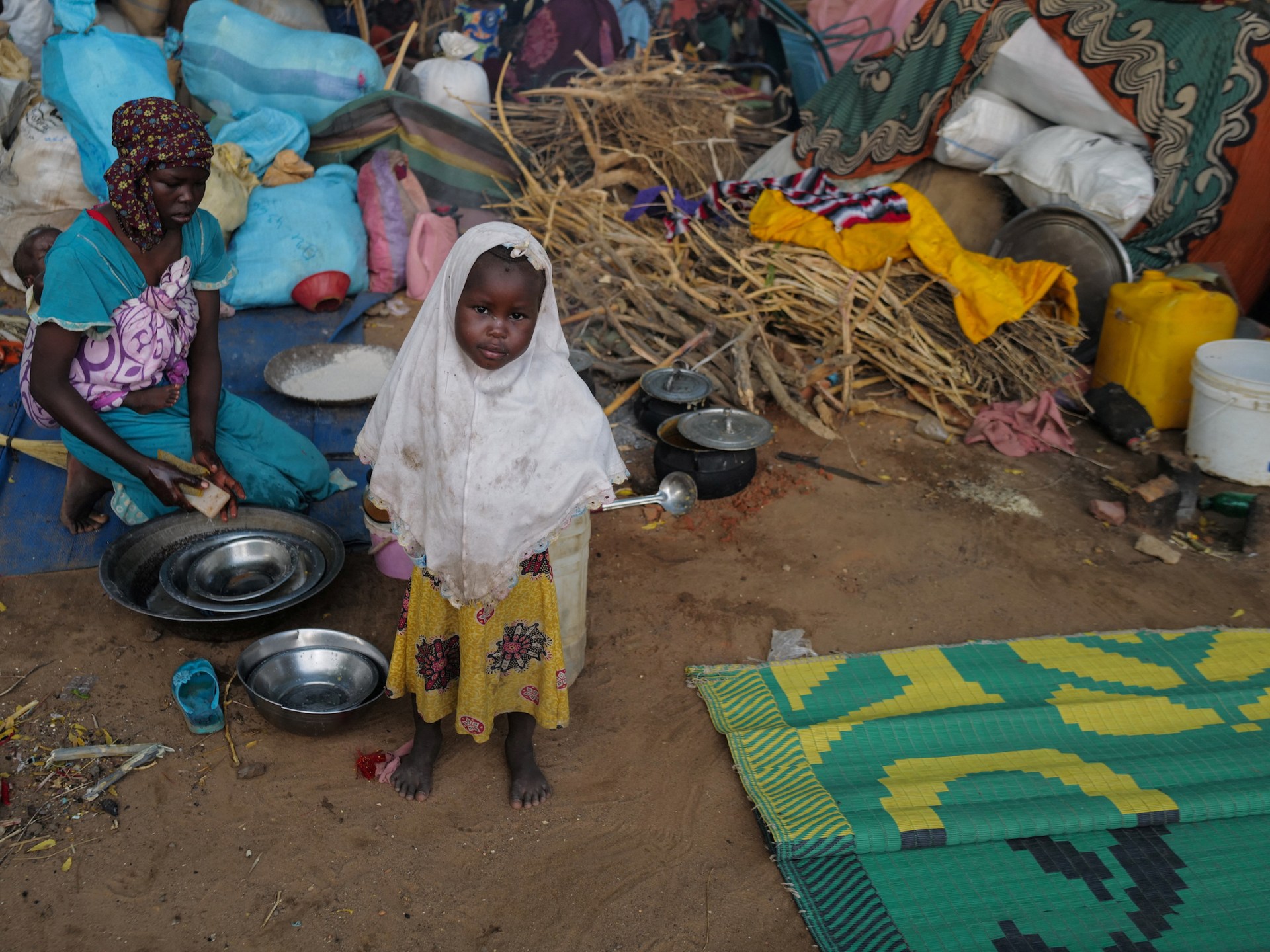
Sudan is experiencing its worst cholera outbreak in years, with over 40 deaths in a week, overwhelmed health facilities, and a dire water crisis exacerbated by ongoing civil conflict and heavy rains, prompting urgent calls for international aid and vaccination efforts.
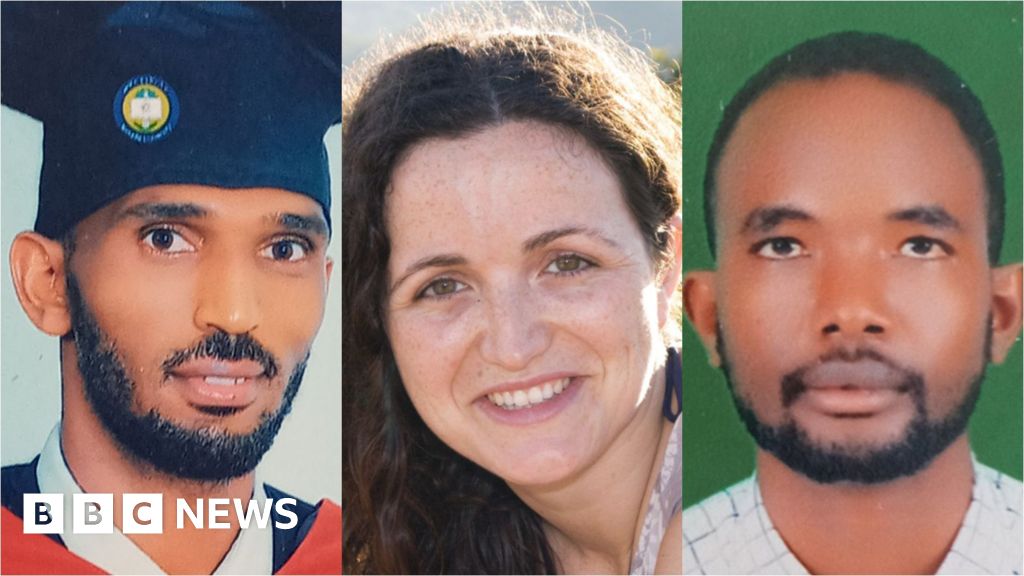
MSF investigation concludes Ethiopian troops were responsible for the execution of three aid workers in Tigray in 2021, despite the Ethiopian government not providing a credible account, highlighting ongoing violence against humanitarian efforts during the conflict.
Médecins Sans Frontières (MSF) criticized the United States at the United Nations Security Council for repeatedly vetoing resolutions calling for an immediate humanitarian ceasefire in the conflict between Israel and Palestinian militants in Gaza. MSF's International Secretary General Christopher Lockyear highlighted the severe impact on children in Gaza, with some as young as five expressing a preference for death due to the psychological trauma they have endured. The U.S. defended its actions, citing concerns about jeopardizing ongoing talks to broker a ceasefire and the release of hostages.
Médecins Sans Frontières (MSF) briefing to the UN Security Council highlighted the dire humanitarian crisis in Gaza, with over 1.5 million people trapped and bearing the brunt of Israel's military campaign. MSF staff and their families in Khan Younis were attacked, resulting in casualties and severe injuries, despite taking precautions and notifying warring parties of their location. The briefing emphasized the erosion of the health system, indiscriminate attacks on medical facilities, and the urgent need for a sustained ceasefire to provide meaningful humanitarian assistance. MSF called for the protection promised under International Humanitarian Law and demanded immediate action from the UN Security Council to address the ongoing crisis in Gaza.
Médecins Sans Frontières (MSF) strongly condemns the deadly Israeli attack on an MSF shelter in Al-Mawasi, Gaza, which resulted in the killing of two MSF staff family members and the injury of six others. The attack, which occurred during an Israeli offensive, targeted a house sheltering MSF colleagues and their families, despite the building being clearly marked with an MSF flag and the presence of civilians. MSF calls for an immediate and sustained ceasefire in Gaza and emphasizes the need to end the violence against civilians.
Doctors Without Borders (MSF) warns of a catastrophic humanitarian situation in Sudan's Zamzam camp, where at least one child dies every two hours due to the collapse of humanitarian services during a nine-month war in North Darfur state. The charity estimates about 13 children die each day, with severe malnutrition cases at high risk of death within weeks if untreated. MSF is the only operational health provider in the camp, facing shortages of staff salaries, equipment, medicines, fuel, and water. The war and low rainfall have exacerbated the dire humanitarian crisis, with millions displaced and facing acute hunger.
Médecins Sans Frontières (MSF) strongly condemns the 8 January strike on an MSF shelter in Gaza, Palestine, which resulted in the tragic death of a five-year-old daughter of an MSF staff member. The strike, which injured three others, occurred in Khan Younis and targeted a building where over 100 MSF staff and their families were seeking shelter. MSF had notified Israeli forces about the shelter's location, and no evacuation orders were issued before the strike. MSF is seeking further explanation from Israeli authorities and calls for an immediate and sustained ceasefire in Gaza to end indiscriminate violence against civilians.
Doctors Without Borders (MSF) evacuated its staff from Gaza’s al-Aqsa hospital due to intensified Israeli strikes, with a doctor describing dire conditions for colleagues and patients. The World Health Organization also faced challenges delivering aid and joined MSF in calling for an immediate ceasefire.
Médecins Sans Frontières (MSF) has written a letter to the UN Security Council urging them to ensure an immediate and sustained ceasefire in the Gaza Strip. MSF implores the Council to demand that Israel stops its deadly attacks on Palestinian civilians and allows crucial humanitarian aid to enter Gaza. The letter highlights the destruction of medical facilities and the dire situation faced by medical staff and patients. MSF calls for a sustained ceasefire, the establishment of an independent mechanism to oversee the flow of humanitarian supplies, and secure medical evacuation routes for severe injury cases. The letter also criticizes world leaders for their complicity in the ongoing violence and urges the Security Council to fulfill its mandate to protect civilians and uphold international law.
Médecins Sans Frontières (MSF) has stated that all evidence points to the responsibility of the Israeli army in the attack on their convoy in Gaza. MSF collected testimonies and witnessed the destruction of their vehicles and clinic, all clearly marked with the MSF logo. The convoy had been attempting to evacuate staff and their families who had been trapped amid heavy fighting for almost two weeks. MSF has condemned the attack and called for an independent investigation to establish the facts and responsibilities.
Doctors Without Borders/Médecins Sans Frontières (MSF) has collected testimonies indicating that the Israeli army is responsible for the deliberate attack on an MSF evacuation convoy in Gaza City on November 18, resulting in the deaths of two people. MSF vehicles and clinic were also destroyed by Israeli forces, hindering potential evidence for an independent investigation. MSF staff and their families were trapped inside MSF facilities amid heavy fighting for almost two weeks before finally being able to evacuate. MSF is calling for a formal explanation from Israeli authorities and an independent investigation into the attack.
Médecins Sans Frontières (MSF) doctors Dr Mahmoud Abu Nujaila and Dr Ahmad Al Sahar, along with a third doctor, Dr Ziad Al-Tatari, were killed in a strike on Al-Awda hospital in northern Gaza, Palestine. The hospital, one of the last remaining functional ones in the area, was hit on the third and fourth floors, injuring other medical staff. MSF condemns the strike and calls for the respect and protection of medical facilities, staff, and patients. Over 200 patients in Al-Awda hospital are in need of urgent care and must be safely evacuated to other hospitals. MSF urges an immediate ceasefire, the lifting of the siege, and the protection of medical facilities and staff.
Médecins Sans Frontières (MSF) strongly condemns the deliberate attack on their convoy in Gaza, resulting in the death of one staff member's relative and injuring another. The convoy, consisting of MSF Palestinian staff members and their families, was attempting to evacuate 137 people who had been trapped for a week near Al-Shifa hospital due to ongoing fighting. Despite informing both parties to the conflict and following the Israeli army's designated route, the convoy was not allowed to cross a checkpoint for hours. On their way back, the convoy was attacked, prompting MSF to call for the urgent evacuation of their staff and thousands of other trapped civilians, as well as an immediate ceasefire to ensure safe corridors for evacuation.
Médecins Sans Frontières (MSF) has reported a near total communications blackout in Gaza due to intense bombardment, further isolating a population already suffering under siege and bombardment. MSF has lost contact with most of its staff members in Gaza, hindering their ability to coordinate and provide medical assistance. The UN General Assembly resolution for a humanitarian truce has not stopped the widespread and indiscriminate violence against civilians. MSF calls for urgent restoration of water, food, fuel, medical supplies, and humanitarian aid, and demands a ceasefire to protect helpless people. Hospitals are overwhelmed, and atrocities are being committed on an unprecedented scale. The international community must take stronger action to stop the bloodshed and protect health facilities and workers.