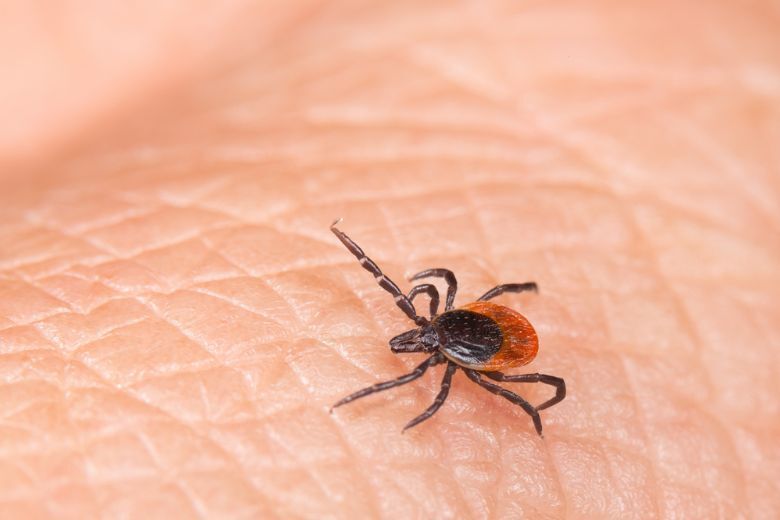
With tick-bite-related ER visits at a five-year high, experts advise removing ticks promptly if attached for less than 24 hours and observing for symptoms like rash or fever, which warrant medical attention, to prevent serious diseases like Lyme disease.
The incidence of cannabinoid hyperemesis syndrome (CHS), a condition causing severe vomiting and abdominal pain due to marijuana use, has doubled since 2017, affecting an estimated 2.75 million Americans annually. The rise is attributed to increased marijuana potency and availability. CHS can lead to life-threatening dehydration and other complications, with frequent users, especially those starting before age 16, at higher risk. Treatment involves anti-nausea medication and rehydration, and cessation of marijuana use is advised to prevent recurrence.
A study published in JAMA Internal Medicine reveals that emergency room visits among older adults in Canada have increased significantly since the legalization of edible cannabis products. The trend is similar in the U.S., where older adults are experiencing more cannabis-related poisonings. Researchers attribute this to age-related physiological changes, polypharmacy, and a lack of age-specific dosing instructions. Experts emphasize the need for better education and counseling on the safe use of cannabis, particularly for older adults.
The CDC reported a significant increase in pediatric melatonin exposures, with a 530% rise in calls to poison centers and a 420% increase in emergency room visits between 2012 and 2021. The rise in melatonin use among adults coincided with this trend. Melatonin products, particularly flavored formulations like gummies and chewable tablets, are attractive and accessible to children, and the lack of regulation in supplement packaging poses a risk. While most children exposed to melatonin do not require hospitalization, there are concerns about the accuracy of melatonin content in products and its long-term effects, especially in young children. Poison control officials are advocating for better packaging to prevent these exposures.
The CDC reported a significant increase in pediatric melatonin exposures, with a 530% rise in poison center calls and a 420% increase in ER visits between 2012 and 2021. The rise in melatonin use among adults coincided with this trend, and flavored formulations like gummies and chewable tablets are particularly attractive and accessible to children. While most exposures do not require hospitalization, there are concerns about the lack of regulation in supplement packaging and potential long-term effects on children's health. Poison control officials are advocating for better packaging to prevent these exposures.
Nearly 140 million Americans visit the emergency department annually, with stomach and abdominal pain being the most common reason, followed by chest pain, shortness of breath, cough, and fever. Mental health crises have entered the top 10 reasons for emergency room visits, with an increasing number of visits attributed to issues such as suicidality, hallucinations, and persistent feelings of sadness or hopelessness. The rise in emergency department visits reflects an aging population with more urgent care needs and a decline in preventative care, leading to overcrowding, overworked staff, and delayed access to treatment for those in urgent need.
A new CDC report reveals a 420% increase in unsupervised children ingesting melatonin and visiting emergency rooms over the past decade, with nearly 11,000 emergency visits recorded between 2019 and 2022. The surge in melatonin use coincides with a lack of child-resistant packaging and inaccurate labeling, leading to concerns about safety and proper storage. The report underscores the need for educating parents and caregivers about keeping medications and supplements out of children's reach, while also highlighting the importance of consulting healthcare providers before giving melatonin to children.
A report from the US Centers for Disease Control and Prevention reveals that approximately 11,000 children aged 5 and under have ended up in the emergency room after ingesting melatonin without supervision between 2019 and 2022. Melatonin, a hormone that regulates the sleep-wake cycle, is commonly sold as flavored gummies and has seen a surge in adult usage. The report highlights the need for child-resistant packaging and emphasizes the importance of consulting pediatricians before giving children melatonin, as its long-term effects on growth and development remain uncertain.
A report from the US Centers for Disease Control and Prevention reveals that approximately 11,000 children aged 5 and under have visited the emergency room after ingesting melatonin without supervision. The rise in melatonin use among US adults has coincided with a 420% increase in emergency department visits for unsupervised melatonin ingestion by infants and young children between 2009 and 2020. While melatonin is generally considered safe for short-term use in children, parents are advised to consult pediatricians before giving it to their children due to potential side effects and uncertainties about long-term effects on growth and development. The report highlights the need for child-resistant packaging and further research on the safety and necessity of supervised melatonin use for children.
A new study published in The Lancet's Eclinical Medicine found that nearly one-third of people who visited the emergency room for cannabis-related concerns developed a new anxiety disorder within three years. The research, conducted in Canada, examined the health records of over 12 million people and revealed that those who visited the ER for cannabis use were almost three times more likely to receive a new anxiety disorder diagnosis within three years and nine times more likely to later need medical attention for an anxiety illness. The study also highlighted that young male cannabis users aged 10 to 24 years were most vulnerable to anxiety, cautioning that heavy cannabis use may increase the risk of developing anxiety disorders.
A new study published in eClinical Medicine found that nearly a third of people who visited the emergency room for a cannabis-related concern developed a new anxiety disorder within three years. The research, which examined the health records of over 12 million people in Ontario, revealed that young cannabis users, particularly males aged 10-24, were at elevated risk. While scientists are uncertain whether cannabis use leads to anxiety or if users self-medicate pre-existing but underdiagnosed symptoms, experts caution against using cannabis to treat anxiety due to a lack of evidence for its efficacy and potential to worsen symptoms or delay evidence-based treatments.
A study released by the American Journal of Emergency Medicine reveals that approximately 4,000 individuals per year in the United States seek medical assistance to have foreign objects removed from their rear ends. Additionally, data from the U.S. Centers for Disease Control and Prevention shows that nearly 300,000 people visited the emergency room in 2021 due to foreign objects in their bodies, making it the ninth leading cause of unintentional injury hospitalizations. The report highlights various objects found in different orifices, including gummy worms, cheese, steak knives, flashlights, and even a plastic sword. Men are more likely than women to require removal services, with sex toys accounting for over half of the items retrieved. The average age of those needing assistance was 43, and hospital visits for such incidents have increased over the years.
Emergency room visits for firearm injuries among children in the United States doubled during the Covid-19 pandemic, with rates significantly higher than before. The increase was particularly stark among Black and Hispanic children from disadvantaged neighborhoods. Factors contributing to the rise include increased firearm purchasing, economic uncertainty, and mental health concerns. A separate study found that nearly 1 in 8 children who died from firearm homicide were exposed to intimate partner violence. Experts emphasize the need for harm reduction strategies, safer firearm storage, counseling for at-risk children, and community-based violence intervention programs to protect children from firearm-related injuries and death.
According to data from the Centers for Disease Control and Prevention (CDC), foreign objects lodged in people's bodies were the ninth leading cause of unintentional injuries that led to emergency room visits in 2021, with over 278,000 U.S. adults seeking care. Some of the strange objects found included magnets, chargers, lollipops, orange peels, and even sex toys. The objects were found in various orifices such as ears, noses, mouths, and genitalia. A study published in the American Journal of Emergency Medicine also revealed that nearly 4,000 people are hospitalized each year due to foreign objects stuck in their rectums.
Nearly 300,000 American adults visit the emergency room each year due to having foreign objects in their bodies, making it the ninth leading cause of unintentional injuries requiring hospitalization. The incidents include objects such as plastic swords, magnets, steak knives, and video-game controllers found in various body parts. Men with objects stuck in their penises and women seeking medical help for objects in their vaginas were also reported. Additionally, a study revealed that almost 4,000 people are hospitalized annually due to foreign objects in their rectums. The average cost of treating these incidents is $5,000. Accidental falls remain the leading cause of unintentional, non-fatal injuries, followed by involuntary poisoning.