Small business owners in Los Angeles, like Justin Foronda of Hifi Kitchen, are feeling the strain of California's new $20 minimum wage for fast-food workers, as it exerts upward pressure on all wages and creates additional stress for businesses already struggling with elevated urban rents and increased supply-chain costs. While the wage hike aims to rectify income inequality and put more money in the hands of workers, small businesses are facing a more expensive reality, with some reducing hours and raising prices to stay afloat. The impact of the wage hike on entry-level jobs may not be extreme, but it poses a significant challenge for small, non-chain businesses, especially in high-rent urban areas, and may require policy changes to level the playing field and support their viability in the future.

Denver and Boulder in Colorado are experiencing tech-fueled economic booms, with Denver standing out due to its growth in professional sports, a popular outdoor recreation venue at Red Rocks Amphitheatre, and a thriving cannabis industry. Legal marijuana sales have added $15 billion to Colorado's economy, with Denver's marijuana tax revenue crossing the half-billion mark last year. Denver's professional sports franchises collectively raked in over $1 billion in 2022, placing the city among the top earners in professional sports nationwide. Red Rocks Amphitheatre generates a massive $717 million in regional economic output annually and is the world's most-attended concert venue, contributing to the city's economic success.
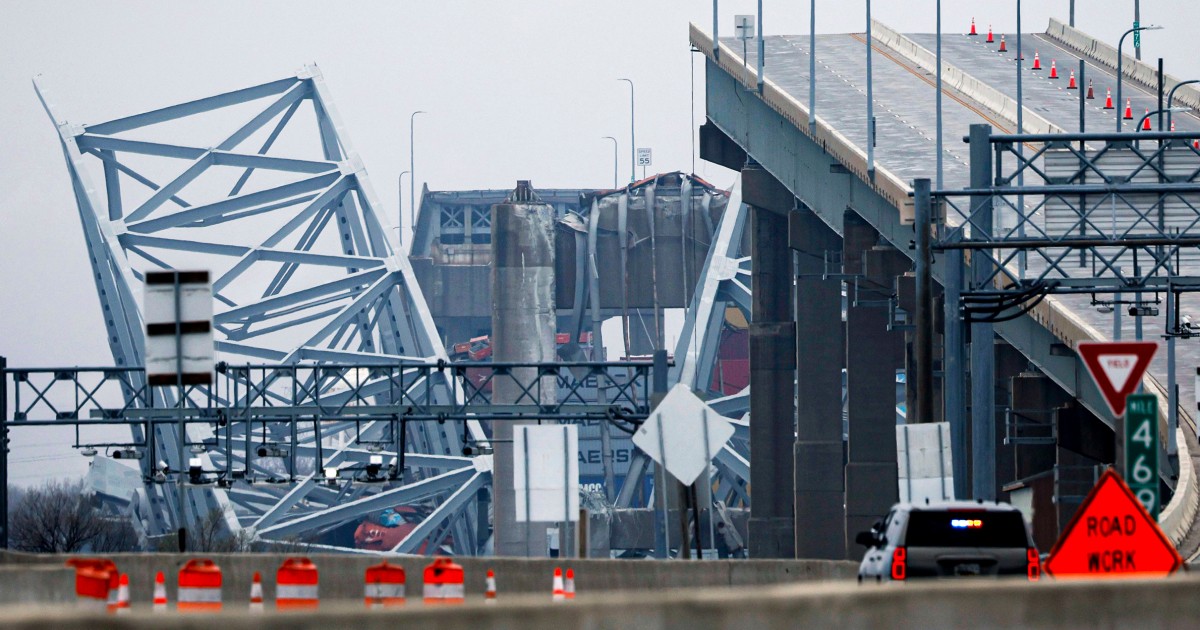
Thousands of workers at the Port of Baltimore face an uncertain future as cargo shipments come to a halt following a bridge collapse. The closure has led to reduced hours and financial instability for workers, prompting state lawmakers to introduce the PORT Act to provide temporary financial relief for affected workers and businesses. The state is also seeking disaster declaration to grant small businesses the opportunity to apply for low-interest loans. The closure has raised concerns about the economic impact on the region, with efforts focused on reopening the port as quickly as possible.
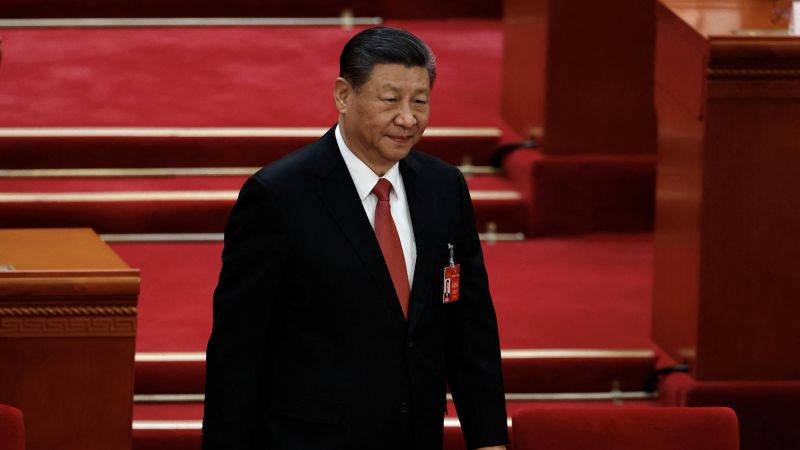
Chinese leader Xi Jinping met with US CEOs and academics to boost confidence in China's economy, which has seen a slump in foreign direct investment due to slower growth, regulatory crackdowns, and questions about its long-term prospects. Xi invited US businesses to continue investing in China and pledged further reforms to open the country's markets to foreign firms. Despite efforts to attract foreign investment, global investors remain wary of China's rising scrutiny of Western companies and a structural economic slowdown.
Biopharma device manufacturer Schott Pharma USA Inc. plans to invest $317 million in Wilson County, creating 401 jobs by 2030 with an average annual wage of $57,868. The project, expected to grow the state’s economy by $1.32 billion, will involve manufacturing syringes for pharmaceutical and biotech companies. The company chose Wilson due to labor availability, proximity to Research Triangle Park, and state and local incentives. This investment reflects North Carolina's appeal to global biotech and life sciences companies, with the state having attracted over 7,000 new jobs and $2 billion in capital investment from German companies over the past decade.
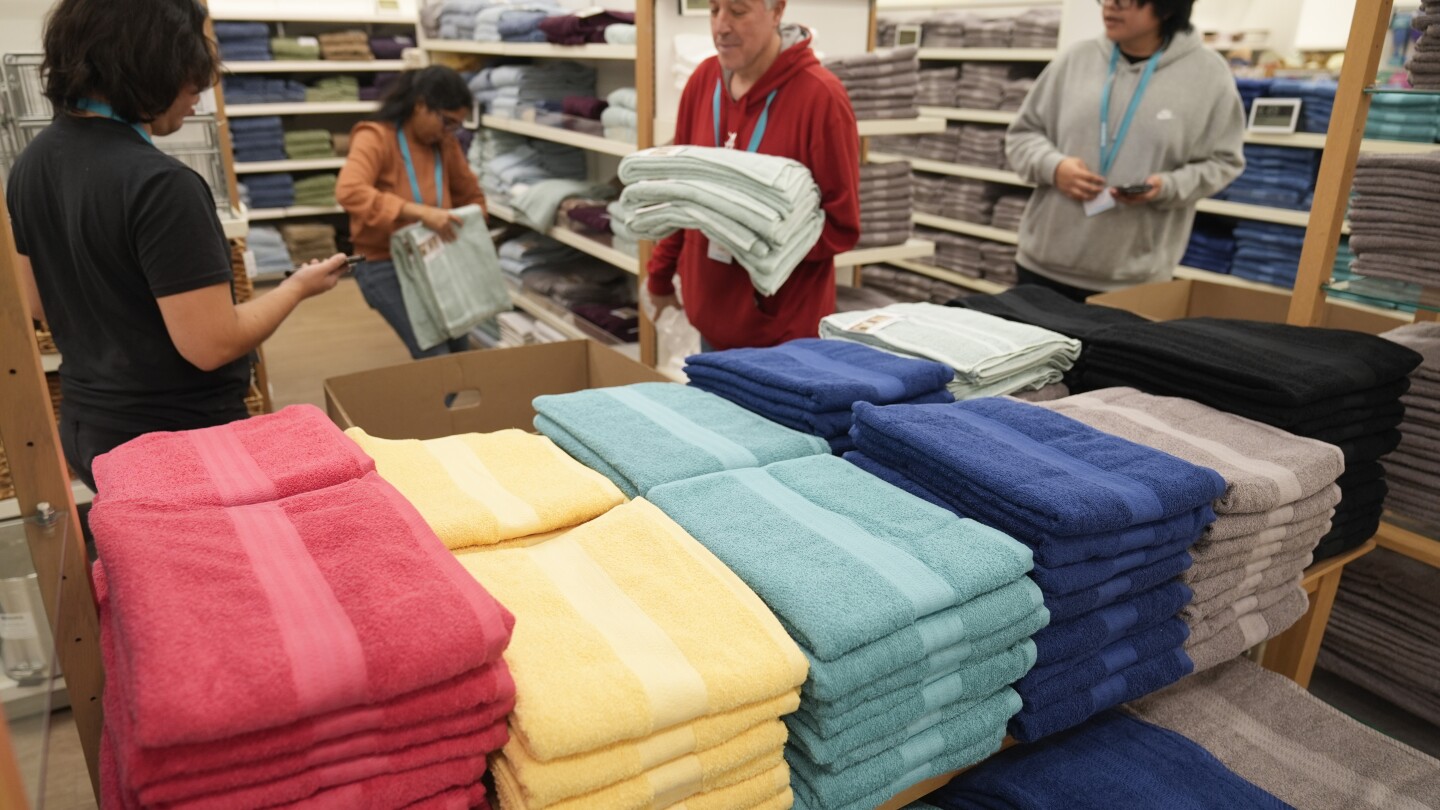
February retail sales in the US increased by 0.6%, following a 1.1% decline in January, but the gain was weaker than expected, indicating growing consumer caution. Rising gas prices and inclement weather affected sales, with a shift towards services over goods. Department stores, clothing, and furniture stores saw declines, while online sales showed a rare decrease. Despite a strong job market and rising wages, consumers are more budget-conscious due to higher prices and credit costs. Retailers like Walmart and Target report customers seeking deals and sticking to necessities, with some businesses adjusting to customer spending behavior by increasing discounts or expanding stores.
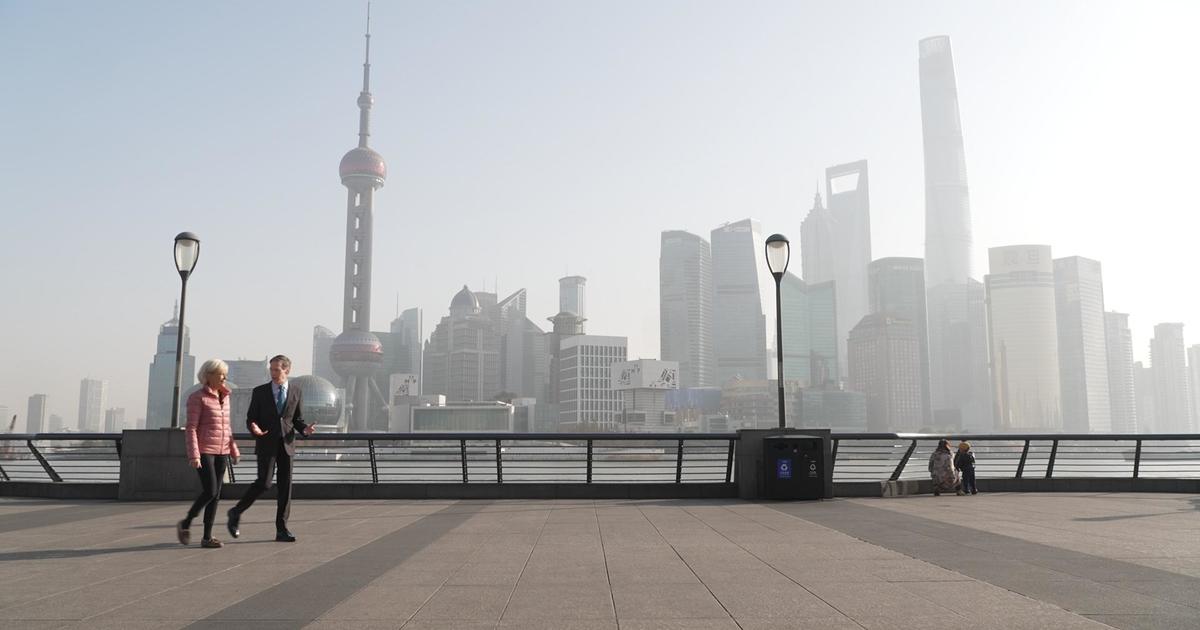
American investors are becoming wary of China's business environment due to intellectual property theft, expanded espionage law, and a slowing economy. U.S. Ambassador to China Nicholas Burns highlighted concerns about more money leaving China than coming in from American, Japanese, European, and Korean investors. The Chinese economy is facing challenges such as slowing export growth, high debt, and youth unemployment. President Xi's government tactics, including raiding American companies and passing a broad counter-espionage law, have left many American businesses uncertain about the future in China. Despite this, some American companies are still expanding their operations in China, while others are considering moving to alternative markets like Singapore, Vietnam, and Mexico.
China's recent economic data reveals ongoing struggles post-pandemic, potentially impacting U.S. companies with significant sales in China such as Starbucks, Estee Lauder, and Wynn Resorts. The lack of a consumption-driven stimulus plan from the Chinese government could further exacerbate the situation.
A PwC survey of over 4,700 CEOs worldwide reveals that while more executives are optimistic about the global economy, a growing number fear their companies won't survive the next decade without significant changes due to pressures from climate change and artificial intelligence. Despite improved economic outlook, CEOs are concerned about their companies' ability to weather major changes, with 45% worried about viability in a decade without reinvention. The survey also highlights CEOs' views on AI's impact on business operations, cybersecurity risks, and the need for worker training, as well as the increasing focus on climate change as both an opportunity and a risk.