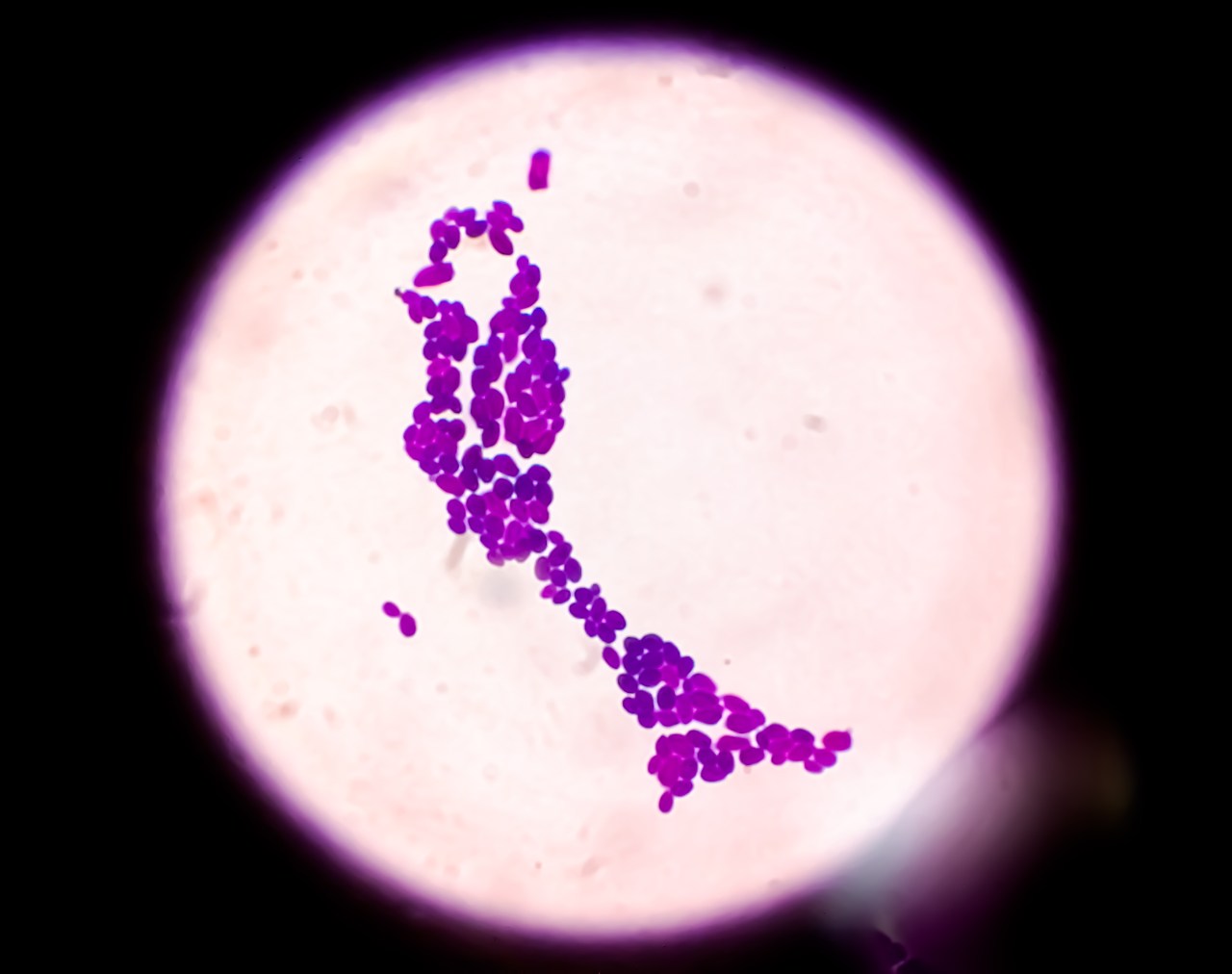
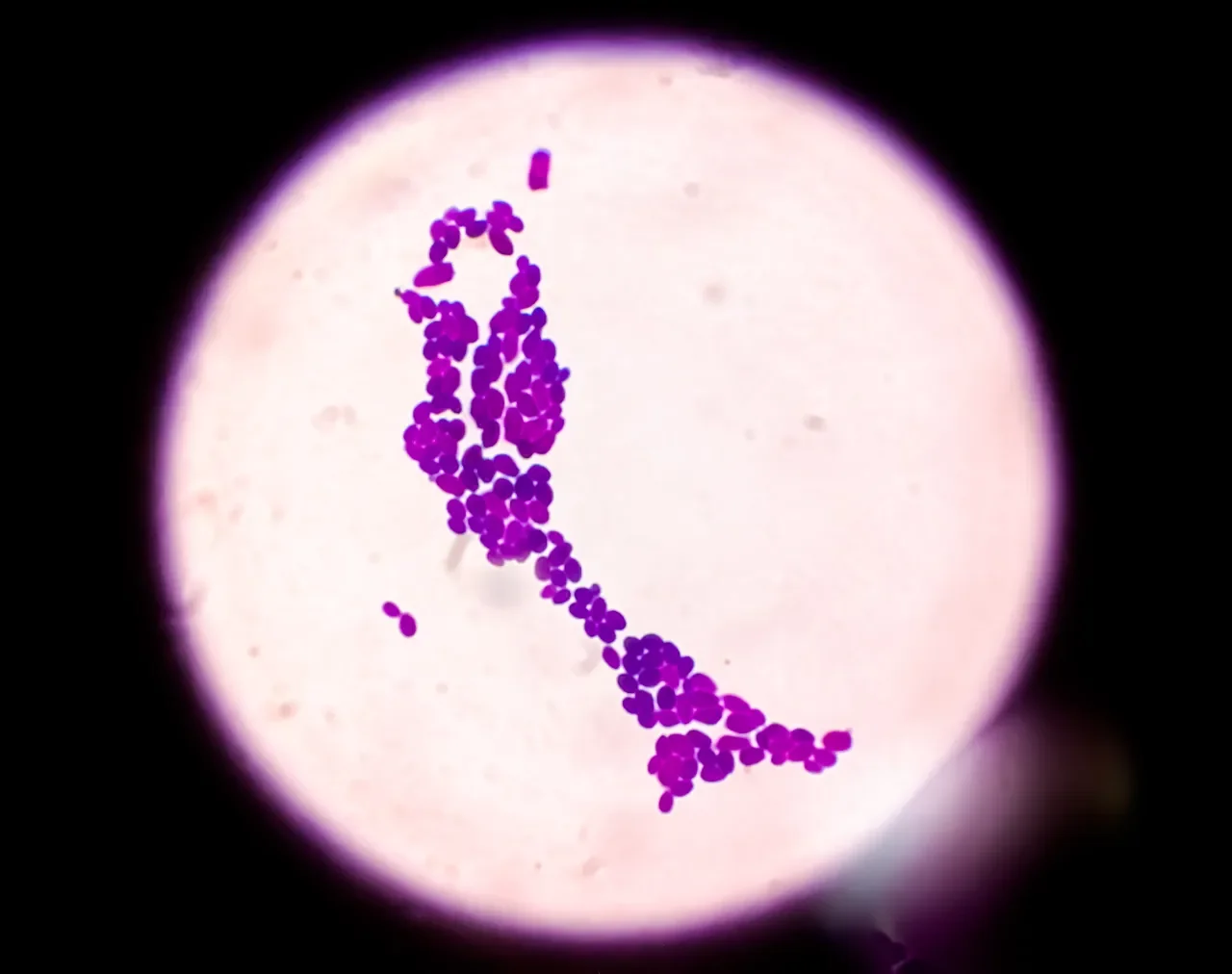
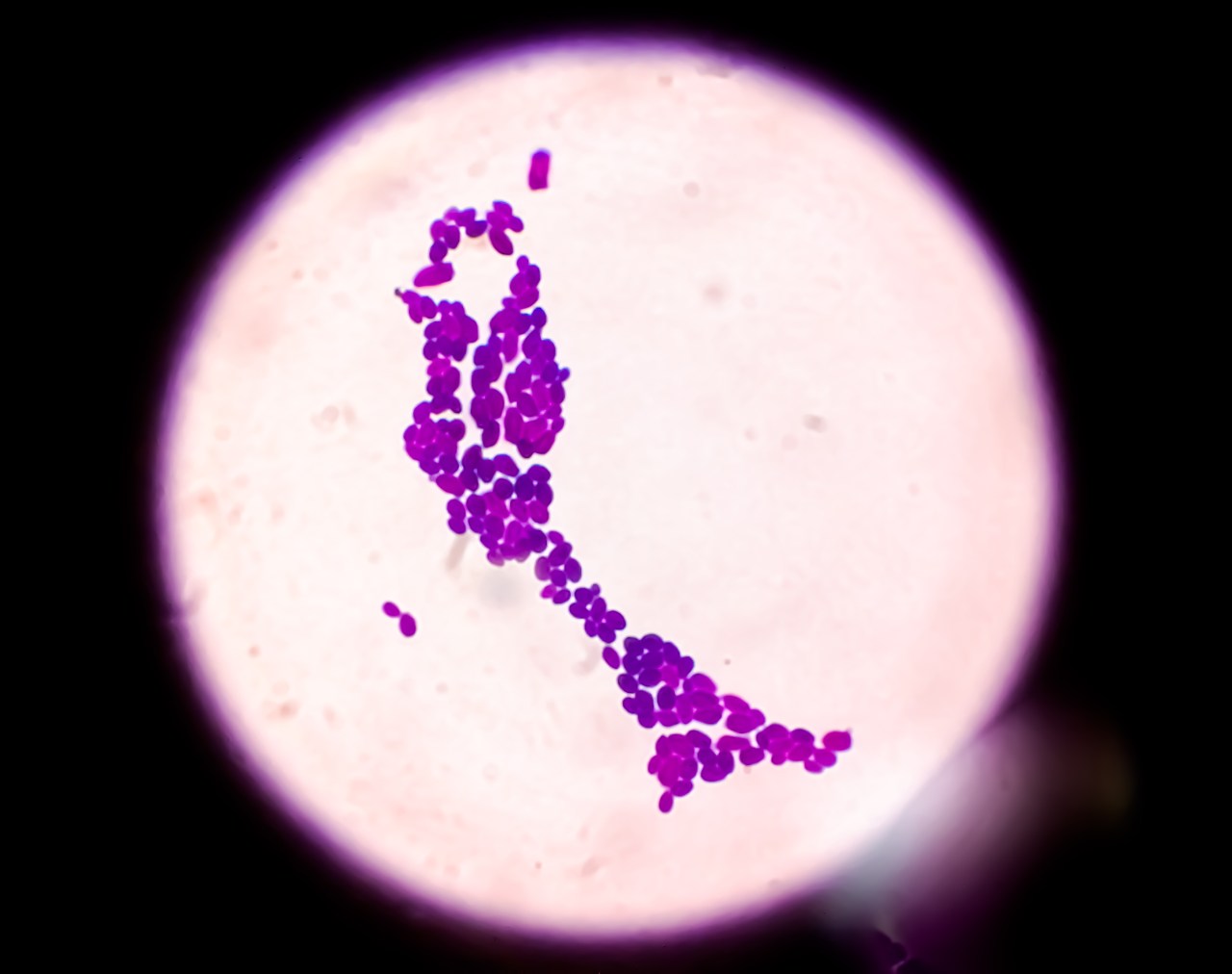
A drug-resistant fungus called Candida auris has been reported in 27 US states with over 7,000 cases, posing a serious threat in healthcare settings due to its resistance to multiple antifungal drugs and ability to spread easily, highlighting a growing global concern about antifungal resistance and the need for strict infection control measures.
Tennessee reported 189 cases of the drug-resistant fungus Candida auris in 2025, part of a nationwide increase in infections that pose a serious threat to vulnerable patients in healthcare settings due to its resistance to multiple antifungal drugs and ability to spread on surfaces and equipment.
Southern Nevada hospitals and nursing homes reported a record high of 69 invasive infections and 133 colonization cases of the drug-resistant "superbug" fungus Candida auris in January, with the majority of cases detected in the region. The fungus, which can be deadly and is difficult to treat, spreads in healthcare facilities and has been mutating in ways that make existing drugs less effective. Health officials attribute the peak in cases to reporting lags and the adoption of a new state regulation requiring facilities to report cases. Sunrise Hospital and Medical Center has reported the highest number of cases in the state and actively screens at-risk patients for the fungus.
The drug-resistant fungus C. auris is spreading at an alarming rate in the U.S., including in California, with 6,583 recorded cases in the state since 2017. Most cases have been in Southern California, but the infection is now spreading to Northern California. C. auris is particularly prevalent in healthcare facilities and is difficult to treat, often proving fatal. The fungus has also caused outbreaks in several other states, and its resistance to antifungal medications makes it challenging to contain. The CDC advises healthcare workers to be vigilant in preventing its spread.
The drug-resistant fungus C. auris is spreading at an alarming rate in the U.S., including in New Jersey, with 1,668 total recorded cases since 2015 and 384 cases reported in 2023. Most cases have been recorded in Bergen, Passaic, Essex, Union, and Middlesex counties. C. auris poses a serious global health threat, particularly in healthcare facilities, and has sparked outbreaks in several states. The fungus is difficult to treat as it doesn't respond to commonly used antifungal drugs and can survive on surfaces in healthcare facilities for long periods. The CDC advises proactive measures to contain its spread, including maintaining hand hygiene, cleaning and disinfecting patient care environments, and screening contacts of new case patients.
Washington health officials are investigating the first case of Candida auris, a drug-resistant fungus, in Pierce County. The patient, a man with multiple comorbidities, tested positive for colonization at Kindred Hospital Seattle–First Hill after being a patient at St. Joseph Medical Center in Tacoma. This is believed to be the first locally acquired case in Washington. Health authorities are working together to investigate and provide testing for other potentially exposed patients. Candida auris can cause severe illness, especially in those with serious medical conditions, and has caused thousands of infections across the country.
A man in Pierce County, Washington, has been diagnosed with Canada auris (C. auris), a drug-resistant fungus known to cause severe infections. This is the first reported case of C. auris in the state, according to the Tacoma-Pierce County Health Department.
Candida Auris, a highly infectious and drug-resistant fungus, is spreading at healthcare facilities in Michigan and across the country. Over 200 patients are infected in Michigan, and nearly half are in southeast Michigan. The fungus is highly transmissible and can spread if a person comes in contact with a contaminated surface or individual. Prevention is better than a cure, meaning proper hand washing or sanitizing will go a long way.
Michigan has reported 224 cases of the drug-resistant fungus, Candida auris (C. auris), which can cause severe infections and spreads easily between hospitalized patients and nursing home residents. C. auris is often multidrug-resistant, making it difficult to treat, and can cause outbreaks in healthcare facilities. The CDC has developed new tests to rapidly identify C. auris and is working with healthcare facilities to control its spread.
Candida auris, a drug-resistant fungus, has been found in at least 28 states in the US, but it is difficult to identify with commonly available lab tests. Symptoms of a Candida auris infection are not distinct from other infections, making it hard to diagnose. The fungus spreads in environments where people are sick or weakened, like hospitals or nursing homes. A specific culture test is needed to identify the fungus, allowing doctors to determine which types of drugs can be used to treat the infection. While the fungus is resistant to many medications, there are still a limited number that work.
Candida auris, a drug-resistant fungus, has been found in at least 28 states in the US, but it is difficult to identify with commonly available lab tests. Symptoms of a Candida auris infection are not distinct from other infections, making it hard to diagnose. The fungus spreads in environments where people are sick or weakened, like hospitals or nursing homes. A specific culture test is needed to diagnose the fungus, allowing doctors to identify which types of drugs they have as options to treat the infection. While the fungus is resistant to many medications, there are still a limited number that work.
Candida auris, a highly drug-resistant fungus, is spreading rapidly in U.S. health care facilities and has been detected in 35 states since it was first reported in 2016. The fungus poses a danger to people with weakened immune systems, including those on ventilators, with lines and tubes that go into their bodies, who frequently stay in hospitals or nursing homes. The CDC deems C. auris as an urgent antimicrobial resistance threat because it is often resistant to multiple antifungal drugs, it spreads easily in health care facilities and it can cause severe infections in very sick people, which could lead to potential fatalities.
Five cases of a multi-drug-resistant fungus called Candida Auris have been reported in North Carolina since February. The fungus spreads easily in health care settings and can cause invasive infections that can sometimes be fatal. It is not a threat to healthy people, but more so to people who are extremely sick with invasive medical devices or people with long or frequent stays in health care facilities. State health officials are working closely with health care facilities to detect and prevent the spread of Candida Auris.
Candida auris, a potentially deadly drug-resistant fungus, is spreading rapidly in health care facilities across the US, with New Jersey being one of the hardest-hit states. The fungus can harm immunocompromised patients and is resistant to some anti-fungal drugs. Standard infection control measures, such as disinfecting surfaces and testing patients for the fungus, can help contain its spread. Other states with high numbers of cases include Nevada, California, and Florida.