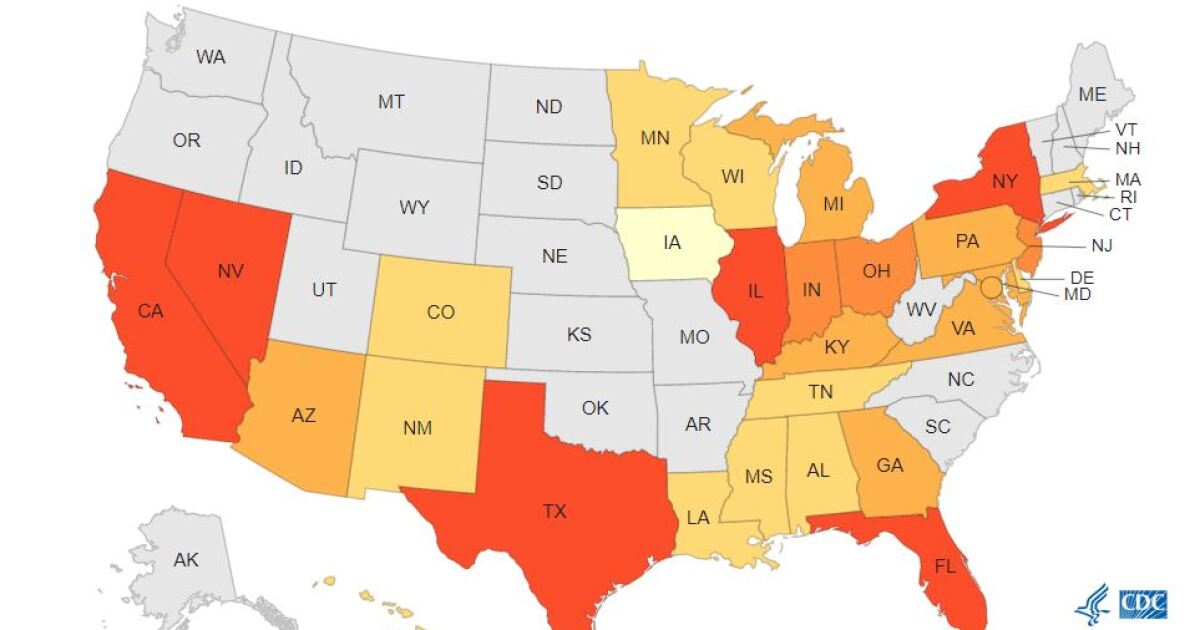
A deadly, drug-resistant fungus called Candida auris is spreading globally, particularly in U.S. hospitals, posing a significant health threat due to its resistance to multiple antifungal drugs and ability to spread on surfaces and equipment. Researchers warn that current diagnostics and treatments lag behind the fungus's evolution, emphasizing the urgent need for new antifungal agents, improved detection, and increased awareness, especially in resource-poor countries. Despite challenges, recent studies suggest potential vulnerabilities in the fungus that could lead to new treatment strategies.

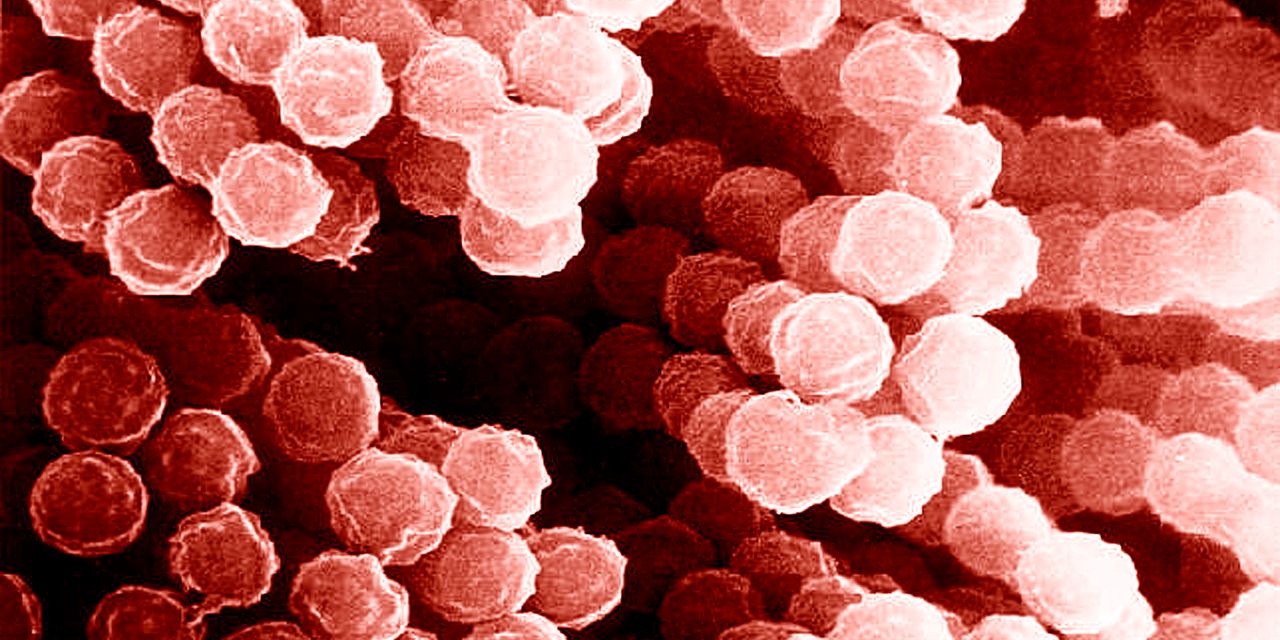
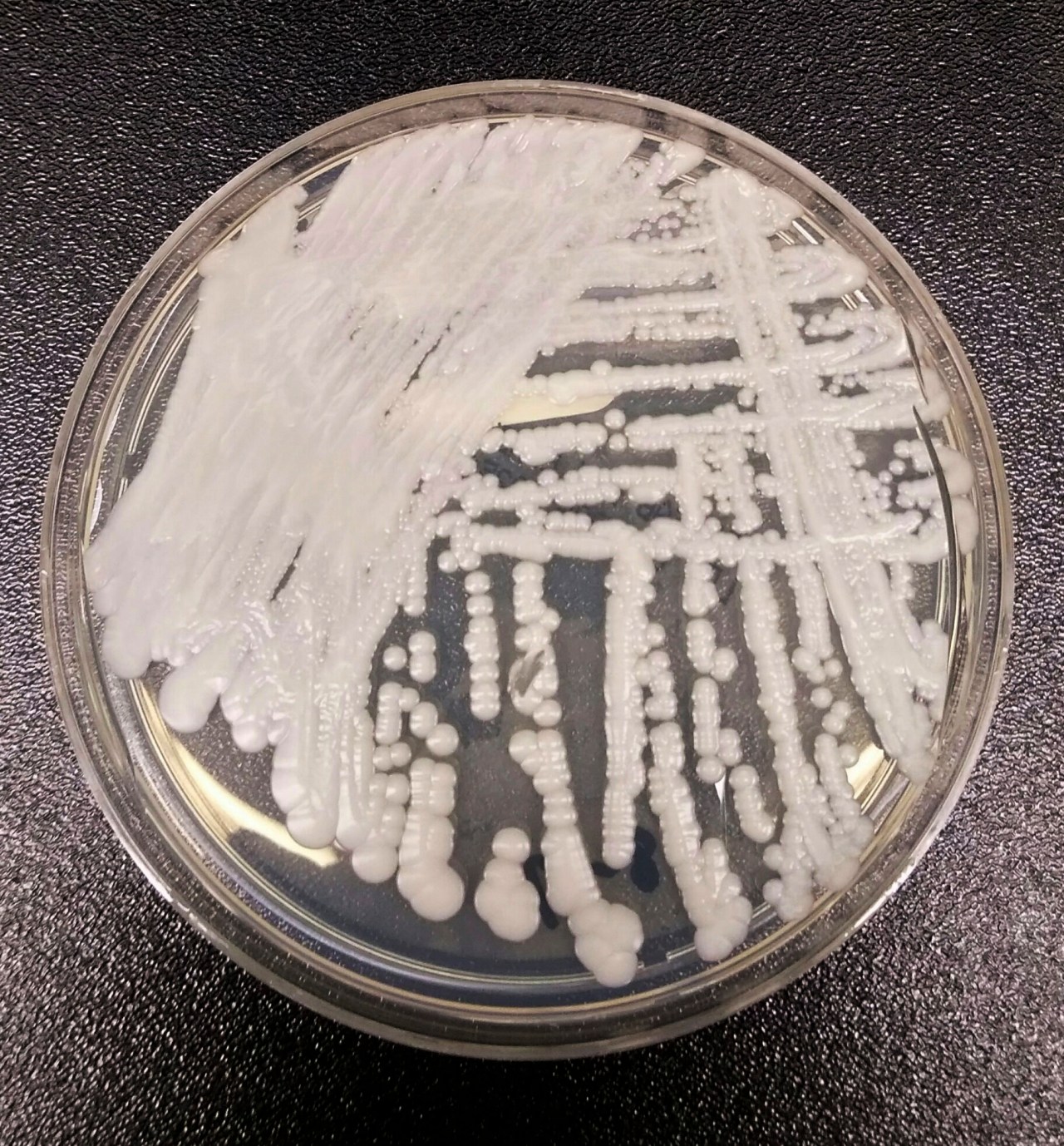
A deadly, drug-resistant fungus called Candida auris is spreading globally, particularly in U.S. hospitals, posing a significant health threat due to its resistance to multiple antifungal drugs and difficulty in detection. Researchers emphasize the urgent need for new treatments, improved diagnostics, and better infection control measures to combat this emerging superbug.
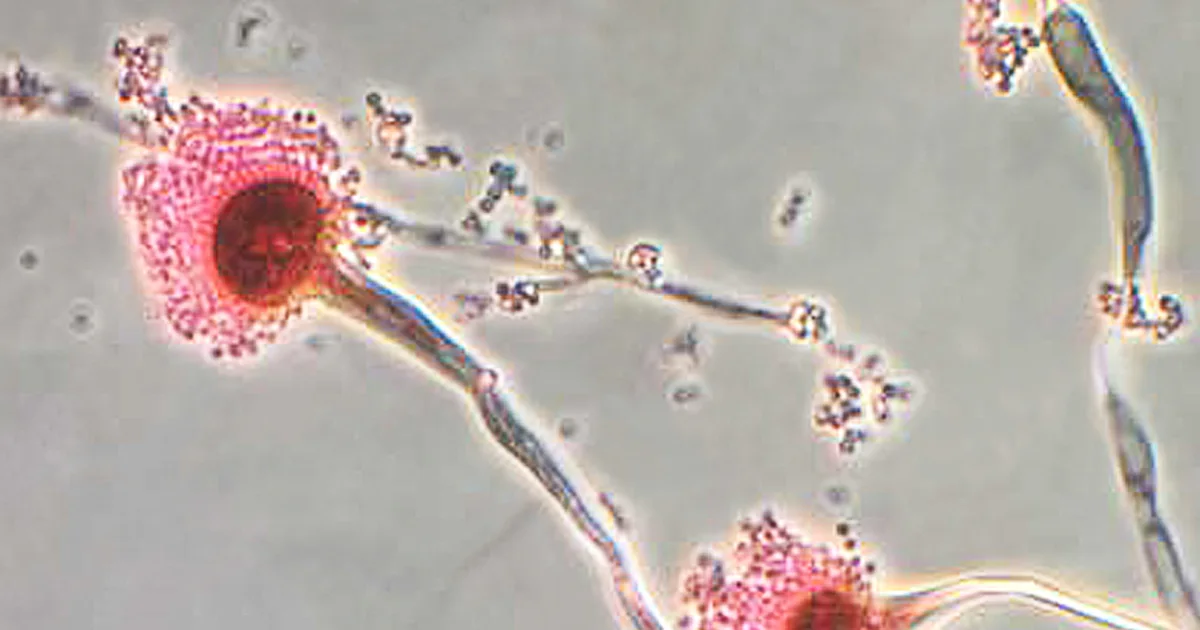
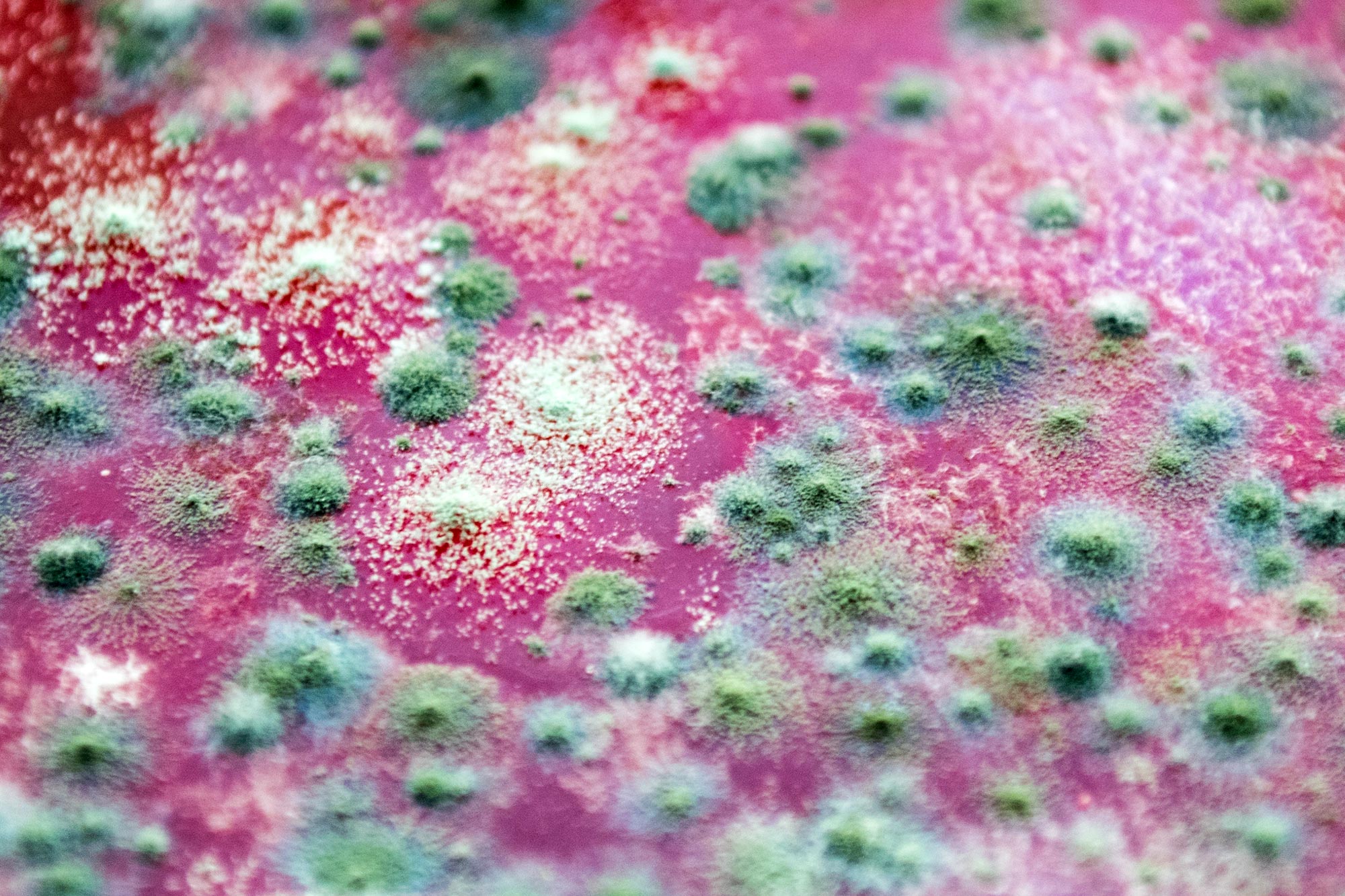
Fungal infections caused by Aspergillus fumigatus are becoming increasingly resistant to treatment, complicating management especially in immunocompromised patients, with resistance driven largely by agricultural fungicide use and presenting a growing global health concern.
Experts warn that the widespread use of agricultural fungicides may be accelerating resistance in fungi, making infections harder to treat in humans and animals, and call for a coordinated global approach to regulate and develop antifungal agents to prevent a potential pandemic of resistant fungal infections.
Scientists at Australia's National Mycological Reference Center are working to prevent the next global pandemic by identifying and researching killer fungi, including the yeast-like fungus Candida auris, which poses a critical threat to public health due to its resistance to drugs. The lack of antifungal treatments has led to a slow-moving fungal pandemic, with the WHO labeling four fungal pathogens as posing a critical threat. The surge of Candida auris infections globally has prompted researchers to develop rapid screening tests and treatments to prevent its spread and potential for another pandemic.
The National Mycological Reference Centre in Adelaide is at the forefront of identifying and studying fungal pathogens, which are becoming more prevalent due to climate change. Dr. Sarah Kidd, the head of the center, highlights the threat of deadly fungal infections and the lack of effective antifungal drugs. The World Health Organization has identified several critical fungal pathogens, emphasizing the need for more research and treatments. While the likelihood of a fungal pandemic is relatively low, experts warn that fungi may evolve to resist higher temperatures, posing a potential threat to human health.
The threat of fungal infections is increasing due to evolving fungi and their spread beyond typical regions, posing a significant threat to human health and the global food system. The development of new antifungal drugs is challenging due to the difficulty in finding molecular targets that can effectively combat fungi without causing harm to human cells, as well as the competition with fungicides that can render antifungals ineffective. Regulatory agencies like the FDA and EPA need to collaborate to better safeguard antifungals and evaluate potential threats to antimicrobial resistance posed by pesticides. The need for new antifungals is urgent, as existing drugs are limited and more fungi are becoming resistant.
The threat of fungal infections is increasing, with the WHO identifying 19 fungi as significant health threats. The development of new antifungal drugs is challenging due to the similarity of molecular targets in both fungicides and antifungals, leading to potential drug resistance. The FDA's recent denial of the new antifungal drug olorofim highlights the difficulties in bringing novel antifungals to market. Cooperation between regulatory agencies and improved oversight of new drugs and pesticides is crucial to preserving the effectiveness of antifungals in combating the growing threat of fungal infections.
Doctors are struggling to find effective drugs to treat deadly fungal infections, as many fungi have developed resistance to existing antifungal drugs. Candida auris, a particularly dangerous fungus, has spread rapidly in hospitals and nursing homes, and is resistant to multiple drugs. Medical researchers are working to develop new drugs and improve existing ones, but progress has been slow and funding is limited.
Scientists are racing to study fungi better and create new treatments as fungal infections are notoriously difficult to treat and are expected to rise due to climate change. Currently, no vaccines to prevent fungal infections exist, but researchers are working on developing pan-fungal vaccines that would protect against multiple types of fungi. However, planning the trial will be difficult as fungal infections don't affect just one type of patient. In addition, the use of antifungal drugs in agriculture may drive drug resistance in fungi, putting pressure on researchers to create new drugs based on existing antifungals.
The Centers for Disease Control and Prevention has warned healthcare facilities to be on the lookout for Candida auris, a deadly fungus that has been detected in more than half of U.S. states and is spreading rapidly. The fungus is especially dangerous because it is resistant to antifungal drugs, making it hard to treat. It can cause serious and invasive infections, and is most likely to spread to people with compromised immune systems. Candida auris is also difficult to identify with standard lab tests and has adapted to survive on surfaces, making it an "urgent antimicrobial resistance threat."
The Centers for Disease Control and Prevention (CDC) has issued a warning about the rapid spread of Candida auris, a deadly fungus that is resistant to anti-fungal drugs and has been detected in over half of the US, including Wisconsin. The fungus is an "urgent antimicrobial resistance threat" and is difficult to identify with standard lab tests. It is a threat to people who are very sick, have invasive medical devices, or have long or frequent stays in healthcare facilities. Physicians are also concerned about severe strep throat infections, which are at their worst in decades.