"Fungal Infections and Alzheimer's: Unveiling the Link and Transferring Memories"
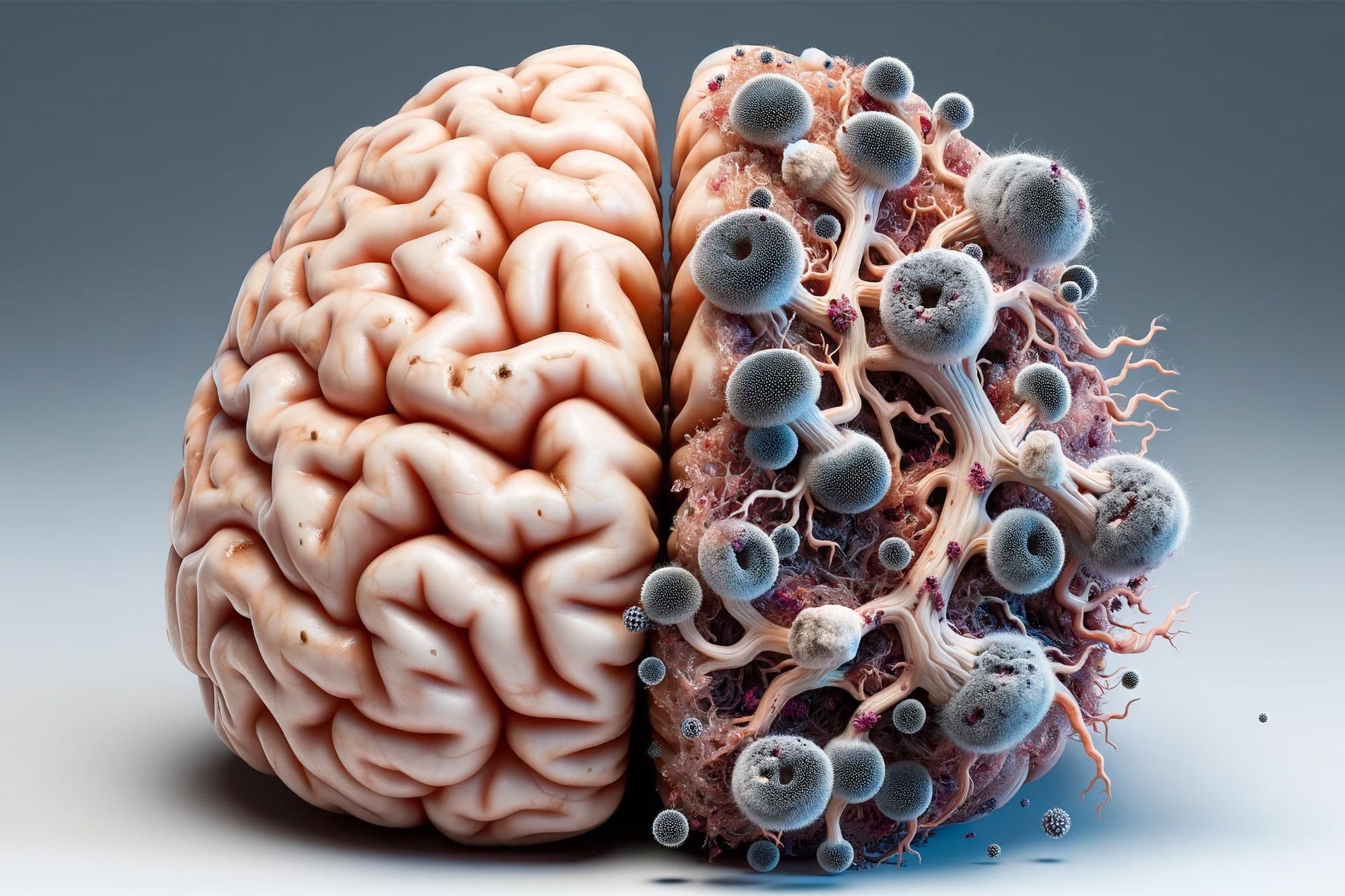
Researchers from Baylor College of Medicine have discovered that the fungus Candida albicans can breach the blood-brain barrier, produce toxic amyloid beta-like peptides, and activate clearance mechanisms in brain cells. This finding suggests a potential link between fungal infections and the development of Alzheimer's disease. The study highlights the need for further research to explore the role of Candida albicans in neurodegenerative conditions and develop innovative therapeutic strategies.