Health Secretary Robert F. Kennedy Jr. plans to remove all 16 members of the US Preventive Services Task Force, criticizing the group as too 'woke,' amid ongoing debates over preventive health policies.
Cervical cancer rates have been declining overall in the United States, but a recent study found that rates are rising among low-income white women, possibly due to decreased cancer screenings and follow-up care. Factors such as lack of awareness, access to screenings, and financial barriers contribute to the issue. The decline in screening rates and lack of follow-up care may lead to cancer advancing to a more difficult-to-treat stage. Financial constraints, including healthcare costs and lack of insurance, further exacerbate the problem, highlighting the need for improved access to preventive care and follow-up services for low-income women.
Cervical cancer rates have been declining overall in the US, but a recent study found that rates are rising among low-income white women, possibly due to decreased cancer screenings and follow-up care. Screening rates for all types of cancer sharply dropped during the pandemic, and data shows that cervical cancer screening rates were in decline across races and income levels long before that. Low-income women face barriers such as lack of access to screenings, follow-up care, and financial constraints, leading to advanced and preventable cases of cervical cancer.
The American Cancer Society projects a record 2 million new cancer cases in the U.S. in 2024, with incidences of six out of the top 10 cancers expected to rise. The aging population is a significant factor in these trends, with a decrease in cancer incidences among older adults and a rise in cases among people under 50. Lung cancer remains the deadliest type of cancer, and the pandemic's impact on cancer care and prevention, particularly among communities of color, is a concern. Despite progress in reducing cancer mortality, disparities in access to screenings and preventive services persist.
The American Cancer Society projects a record 2 million new cancer cases in the U.S. in 2024, with incidences of six out of the top 10 cancers expected to rise. The aging population is a significant factor in these trends, with a decrease in cancer incidences among older adults and a rise in cases among middle-aged and younger adults. Lung cancer remains the deadliest type of cancer, and the impact of the COVID-19 pandemic on cancer care and prevention, particularly among communities of color, is a concern. Despite progress in reducing cancer mortality, disparities in access to screenings and preventive services persist, with millions of uninsured individuals unable to access potentially lifesaving tests.
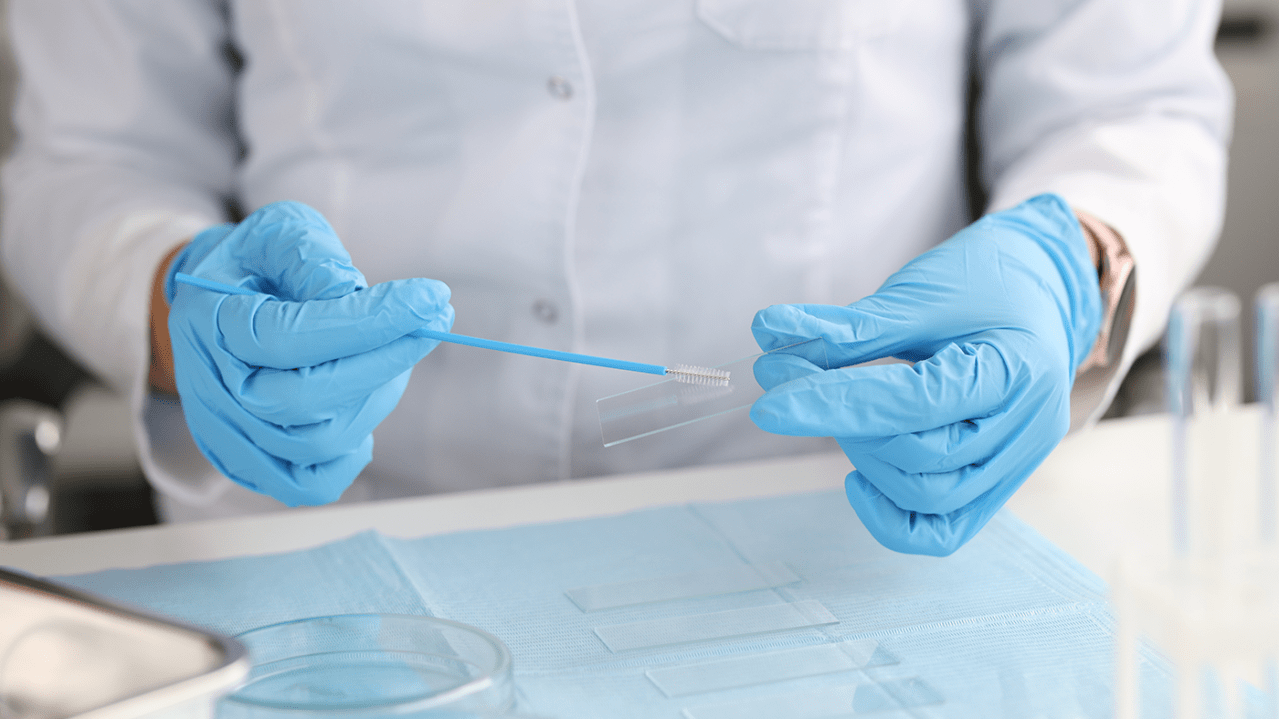
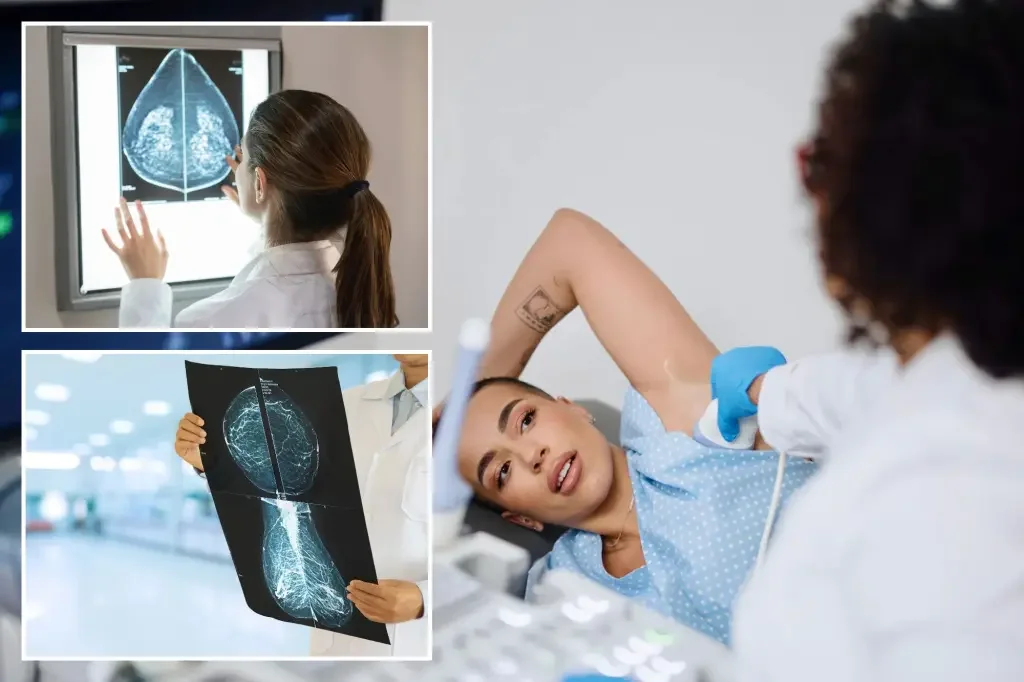
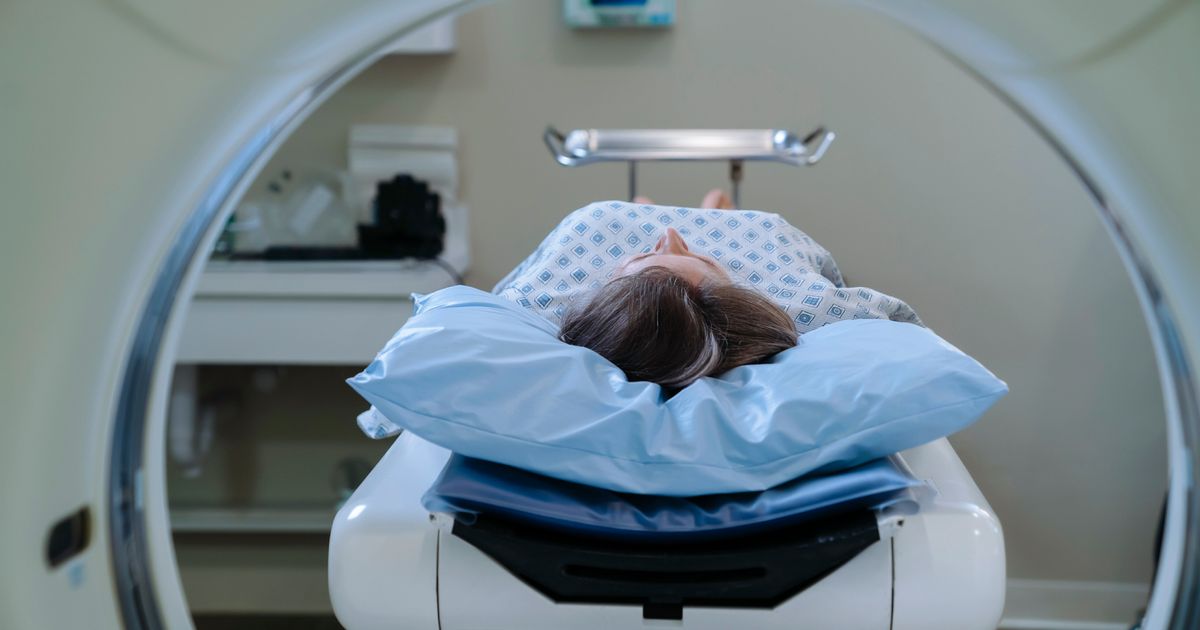
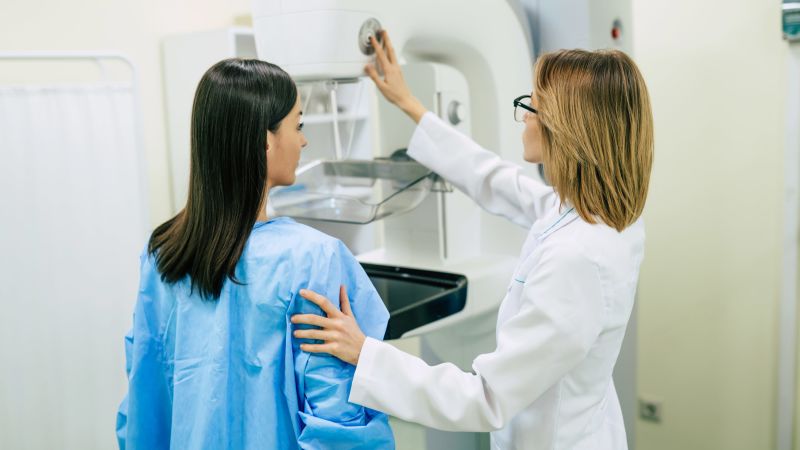
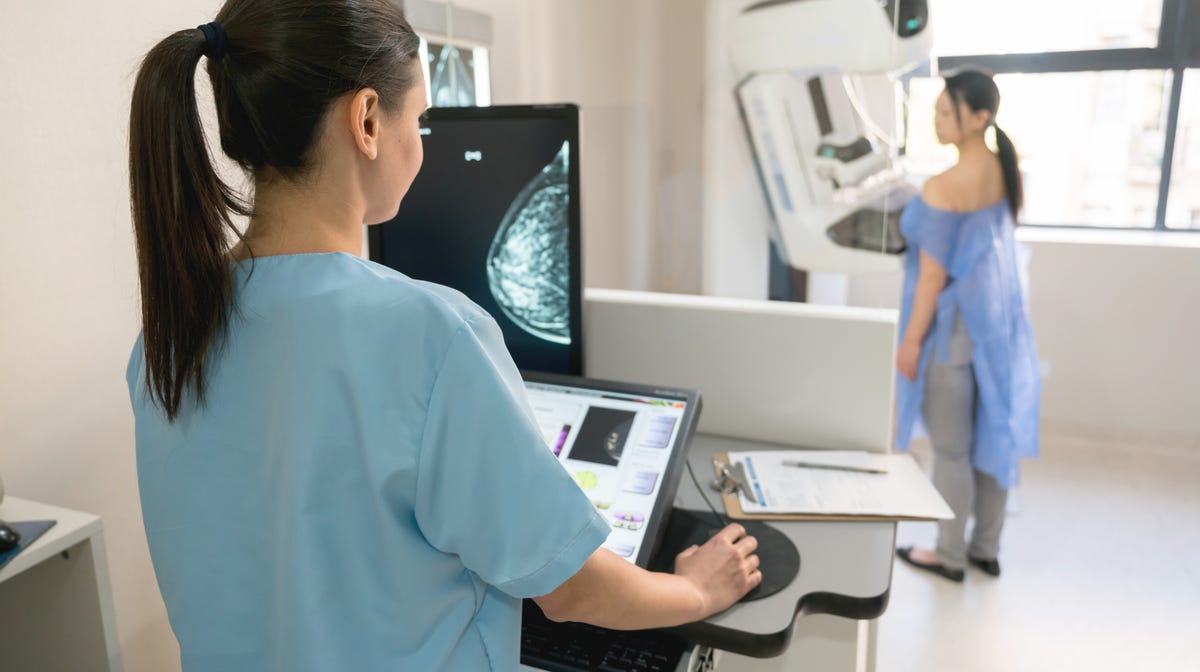
Cancer screenings are crucial for early detection and successful treatment. Different types of cancer require different screening methods. For breast cancer, mammograms and self-exams are recommended, especially for high-risk individuals. Cervical cancer screenings involve Pap tests starting at age 21. Colorectal cancer screenings are done through colonoscopies starting at age 45. Lung cancer screenings are important for smokers or former smokers aged 50-80 with a smoking history of 20 "pack-years" or more. Skin cancer screenings are recommended for those with a family history or suspicious skin features. Other types of cancer may not have recommended screenings and should be discussed with a doctor.
Full-body MRIs have gained popularity as a means of detecting various medical conditions, but they are expensive and not covered by insurance. Instead, there are more affordable and accessible alternatives for monitoring one's health. Annual physical exams with a primary care physician can help establish a baseline and determine if further testing is necessary. Routine cancer screenings, such as mammograms and pap tests for women, and prostate screenings for men, are important for early detection. Regular bloodwork can provide valuable information about overall health, and spot-specific MRIs can be used to investigate specific symptoms or injuries. Genetic testing may be recommended for individuals with a family history of certain diseases. It is important to consult with a healthcare professional to determine the most appropriate screenings based on individual risk factors and medical history.
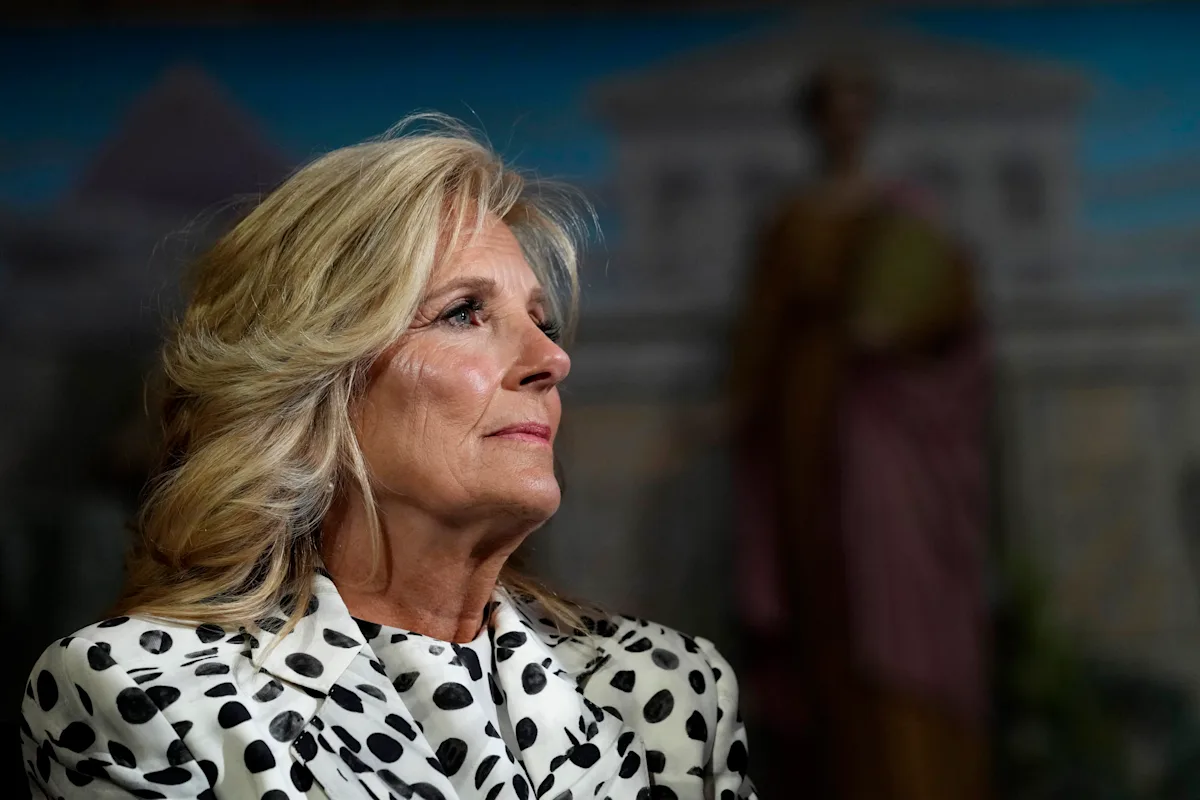
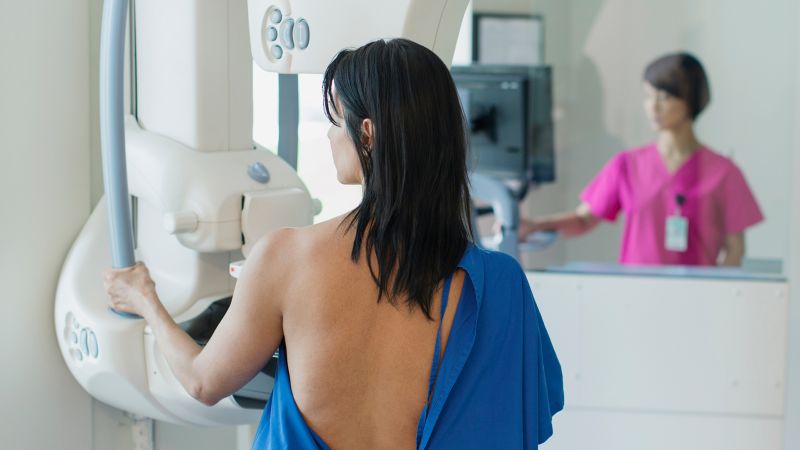
Jill Biden, the first lady of the United States, has released a public service announcement urging women to prioritize their health by consulting their doctors about getting mammograms or other cancer screenings during Breast Cancer Awareness Month. Biden, a longtime advocate for breast cancer education and prevention, emphasizes the importance of early detection in saving lives. The ad is part of an annual breast cancer awareness campaign by Lifetime, and it will also feature messages from actor Keshia Knight Pulliam and TV correspondent Rachel Lindsay. Breast cancer is the second leading cause of cancer death among women in the US, and one in eight women will be diagnosed with breast cancer in her lifetime.
A new report highlights the significant drop in cancer screenings and subsequent diagnoses during the early days of the Covid-19 pandemic, raising concerns about cancer outcomes in the coming years. The decline in newly diagnosed cases of major cancers can be attributed to people canceling or postponing screenings, leading to delayed diagnoses and care. Experts warn that it may take time for cancer services to return to pre-pandemic levels. While people are starting to resume routine screenings, there is a backlog of nearly 10 million individuals who missed screenings and need to be caught up. The delay in diagnosis is concerning as it is associated with more aggressive disease and worse outcomes.
New research published in JAMA Internal Medicine suggests that cancer screening tests, with the exception of sigmoidoscopy for colorectal cancer, do not significantly extend a person's lifespan. The study, which analyzed 18 randomized clinical trials involving over 2 million individuals, found that most screening tests did not add meaningful years to life. While cancer screenings are beneficial for detecting cancers early and improving treatment options, the study challenges the notion that they "save lives." The research also highlights the risks and potential side effects associated with screenings, such as radiation exposure and false-positive results. Experts emphasize the importance of educating patients about the benefits and risks of cancer screenings to make informed decisions.
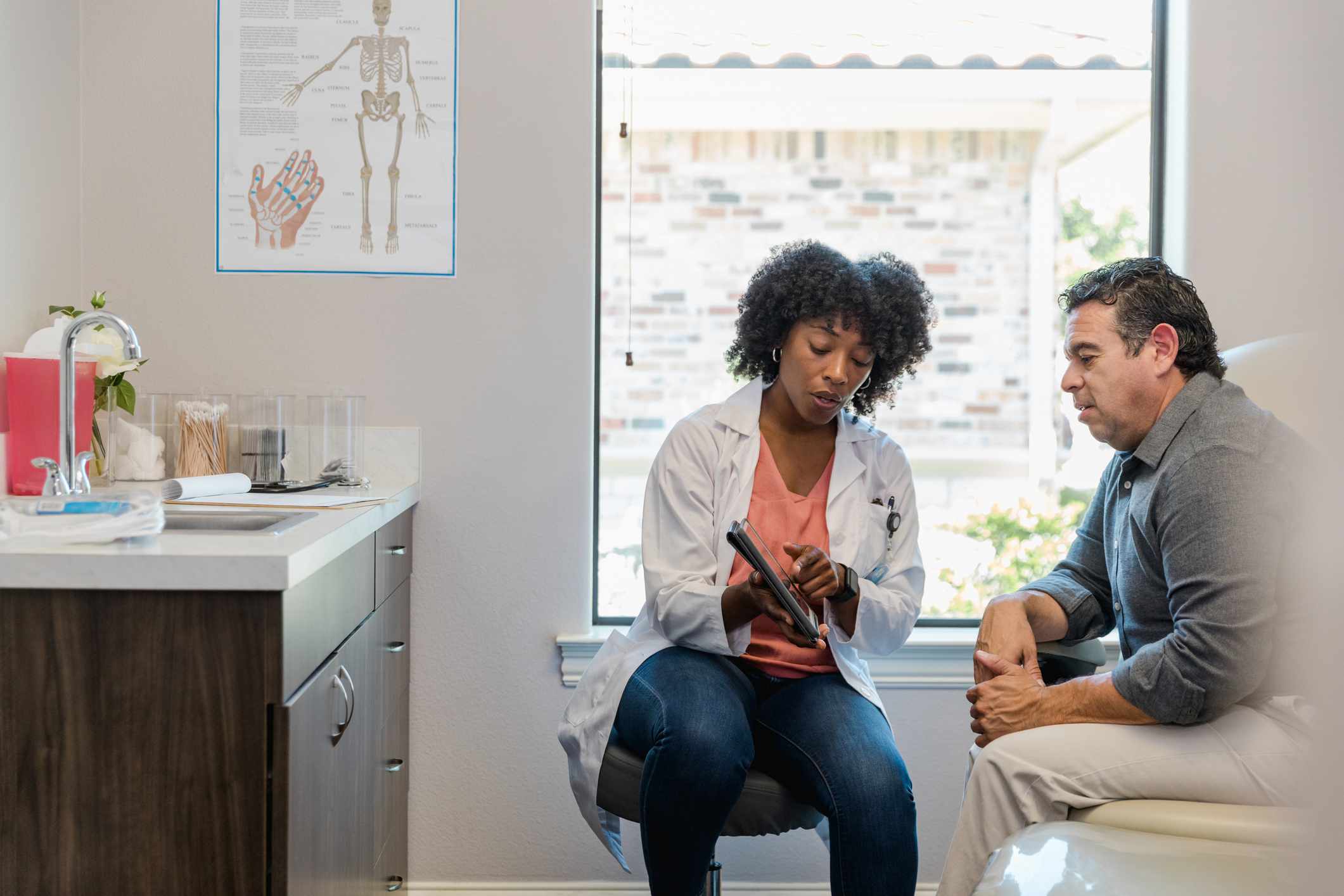
A review of clinical trials involving over 2.1 million people found that most cancer screenings do not extend a person's lifespan beyond their regular lifespan. However, experts emphasize that this does not mean canceling routine screenings, as early diagnosis has been shown to improve cancer outcomes. The study found that only colorectal cancer screening with sigmoidoscopy seemed to make a difference in extending someone's life, by a little over three months. The researchers suggest that doctors should be clearer about the absolute benefits, harms, and burdens of screenings. While screenings may not increase longevity, they can catch cancer early and improve a person's chance of survival within their normal lifespan.
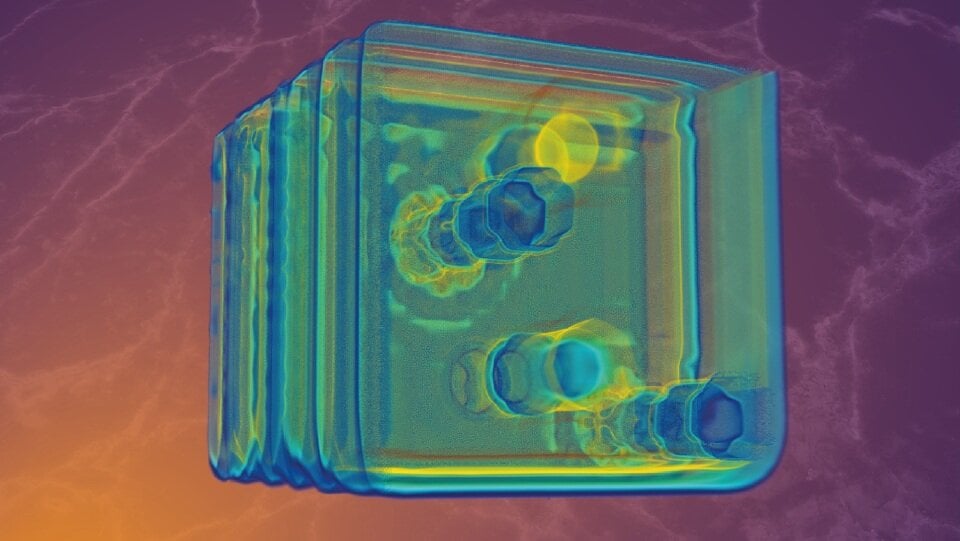
Scientists at Loughborough University have demonstrated that a terahertz wave camera can capture 3D images of microscopic items hidden inside small objects. The team's latest study could have major implications for a range of fields with relevance in cancer screenings, security, and materials research. Terahertz waves are a vastly unexplored part of the electromagnetic spectrum with frequencies ranging between microwave and infrared light. They have several properties that make them extremely useful, such as their ability to penetrate opaque objects without causing harm.
A team of scientists sent tailored, interactive DVDs to women throughout rural Ohio to educate and remind them to be screened for breast, cervical and colorectal cancers. Women who received a DVD were nearly twice as likely to obtain all the screenings compared to women. Those who were also paired with a patient navigator by phone had a six-fold greater chance of getting a screening. Rural lands are home to about 23% of U.S. women, and cancer-related deaths are significantly higher in rural areas compared to urban.
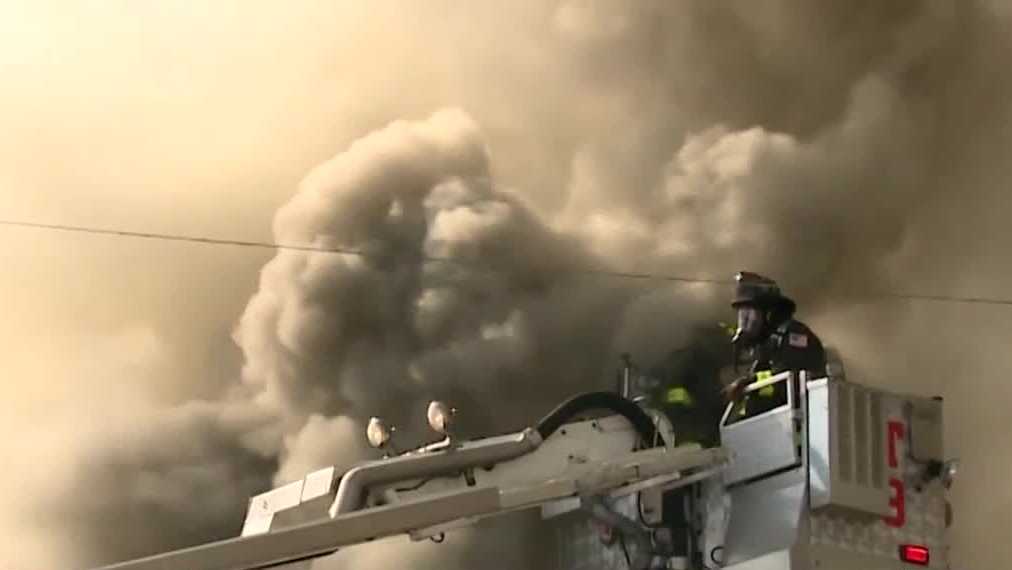
A pilot program has been launched in Manchester to offer cancer screenings to firefighters, who are at a greater risk of developing cancer due to exposure to carcinogens in burning buildings. Every firefighter will be offered a skin test for cancer, while those over 40 with at least 10 years of service will be eligible for a CAT scan of their lungs. Dartmouth Health is one of the partners in the pilot program and will provide multidisciplinary care if cancer is detected. Manchester's fire chief hopes that every firefighter in the state will have access to early detection cancer screening through their primary care doctors.
A firefighter in the US state of Georgia has completed a 24-hour run to raise money for cancer screenings. The event raised thousands of dollars for the cause, with the firefighter running for a full day without stopping. The funds will be used to provide cancer screenings for those who cannot afford them.