Tag

Cancer Diagnoses

All articles tagged with #cancer diagnoses

Prince William Faces Family Health Crises and Royal Challenges

Originally Published 2 months ago — by Page Six

Featured image for Prince William Faces Family Health Crises and Royal Challenges
Source: Page Six

Prince William was deeply affected by the cancer diagnoses of King Charles and Kate Middleton, leading him to consider reducing his royal duties, though he was advised to continue. Both William and Middleton became more religious during this challenging year, with Middleton completing her chemotherapy and entering remission. The royal family has been navigating health struggles and recent moves for a fresh start.

The Importance of Breast Cancer Awareness and Early Detection

Originally Published 2 years ago — by ktvo.com

Featured image for The Importance of Breast Cancer Awareness and Early Detection
Source: ktvo.com

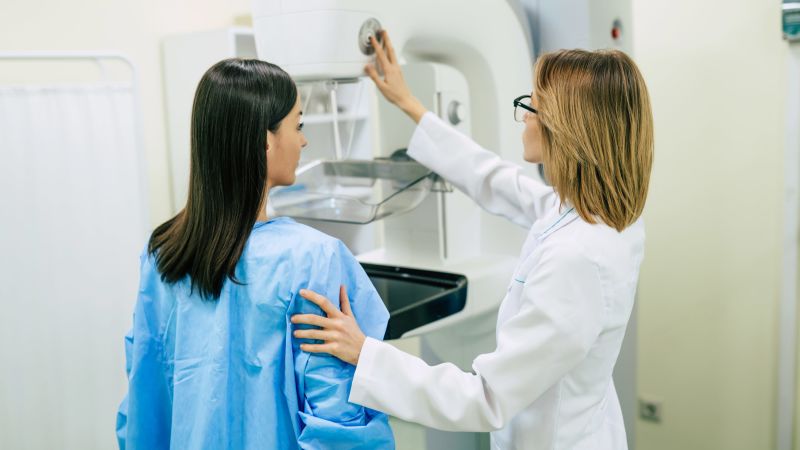
Breast cancer accounted for 15% of all cancer diagnoses and 7% of cancer-related deaths in the United States in 2023. Early detection through awareness and regular screenings is crucial in improving survival rates. Medical experts emphasize the need for breast cancer awareness, as the disease affects approximately 12% of women during their lifetime. Recognizing signs such as changes in breast texture, swelling, skin changes, and dimpling can aid in early diagnosis. Lifestyle changes, including avoiding a sedentary lifestyle, obesity after menopause, and excessive alcohol consumption, can help reduce the risk of breast cancer. Regular screenings for women over 40 are recommended to detect breast cancer at its earliest stages.

Cancer Screenings Missed During Pandemic: Doctors Racing to Catch Up

Originally Published 2 years ago — by CNN

Featured image for Cancer Screenings Missed During Pandemic: Doctors Racing to Catch Up
Source: CNN

A new report highlights the significant drop in cancer screenings and subsequent diagnoses during the early days of the Covid-19 pandemic, raising concerns about cancer outcomes in the coming years. The decline in newly diagnosed cases of major cancers can be attributed to people canceling or postponing screenings, leading to delayed diagnoses and care. Experts warn that it may take time for cancer services to return to pre-pandemic levels. While people are starting to resume routine screenings, there is a backlog of nearly 10 million individuals who missed screenings and need to be caught up. The delay in diagnosis is concerning as it is associated with more aggressive disease and worse outcomes.

COVID-19 Pandemic Causes Sharp Decline in Cancer Diagnoses, Prompting Doctors to Catch Up

Originally Published 2 years ago — by National Institutes of Health (.gov)

Featured image for COVID-19 Pandemic Causes Sharp Decline in Cancer Diagnoses, Prompting Doctors to Catch Up
Source: National Institutes of Health (.gov)

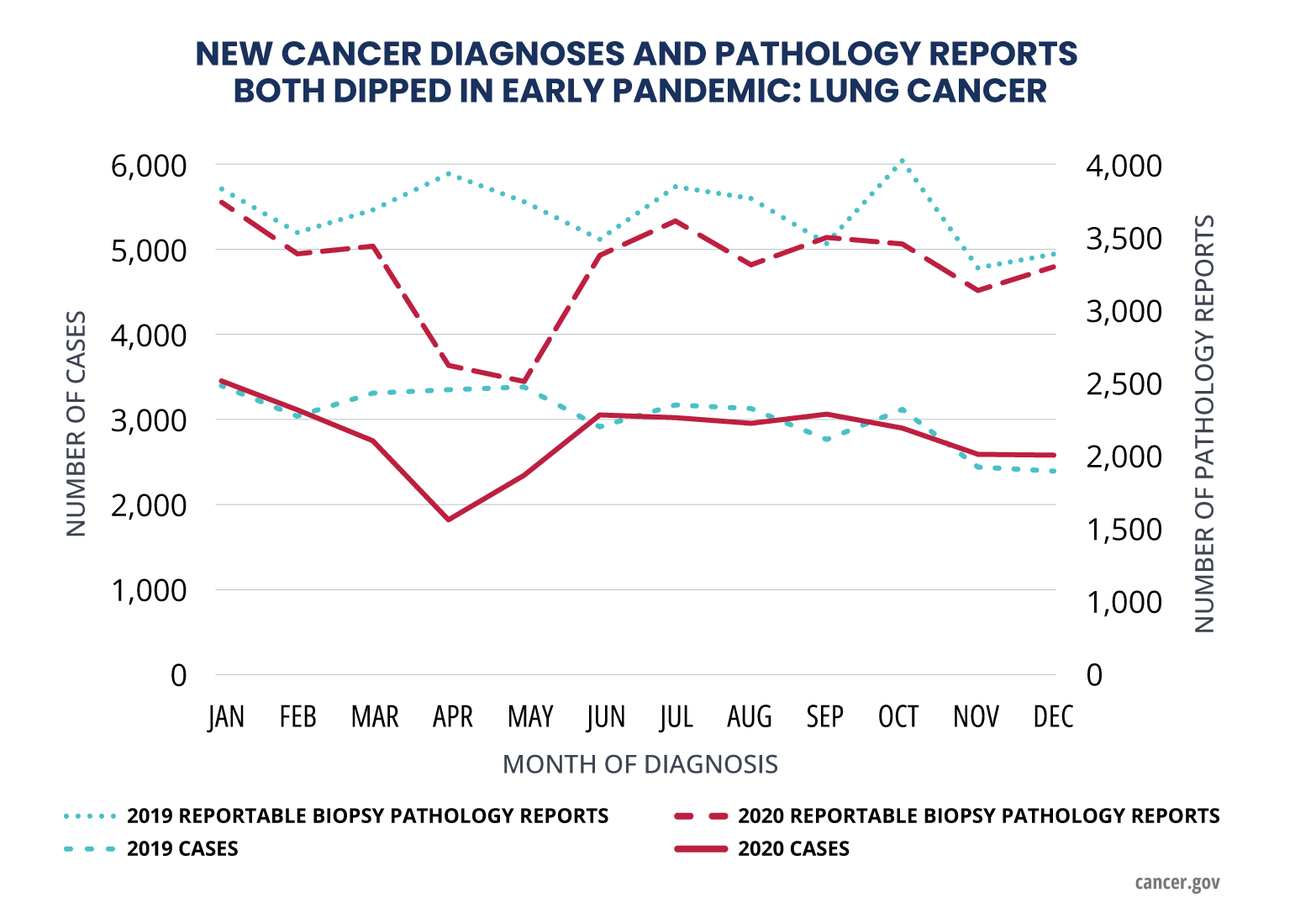
New diagnoses of six major cancer types in the United States experienced a significant decline during the early months of the COVID-19 pandemic, according to the Annual Report to the Nation on the Status of Cancer. The study found that lung cancer diagnoses, along with other major cancer types, sharply dropped from March to May 2020, likely due to interruptions in medical care and missed screenings. The decline in cancer diagnoses highlights the need to prioritize cancer screening access and awareness to avoid unnecessary deaths and complications. Efforts are underway to make up for the missed screenings and reduce disparities in early detection.

Rising Childhood Cancer Diagnoses and Silent Killer Cancer in Women: Alarming Trends Revealed

Originally Published 2 years ago — by CNN

Featured image for Rising Childhood Cancer Diagnoses and Silent Killer Cancer in Women: Alarming Trends Revealed
Source: CNN

Childhood cancer diagnoses in the US have increased over the past 15 years, with rates still about 8% higher than in 2003, according to a study. Leukemia was the most commonly diagnosed childhood cancer, while melanoma diagnoses decreased. The combination of increased incidence and improved survival rates means more cancer survivors require long-term care and resources. The study's detailed data could help direct resources to areas of need, such as clinical trials and supportive care. The lag in data availability, logistical challenges due to the pandemic, and changes in detection and reporting methods contribute to the complexity of the trends. Efforts are being made to make pediatric cancer data more accessible in real-time to improve patient outcomes.