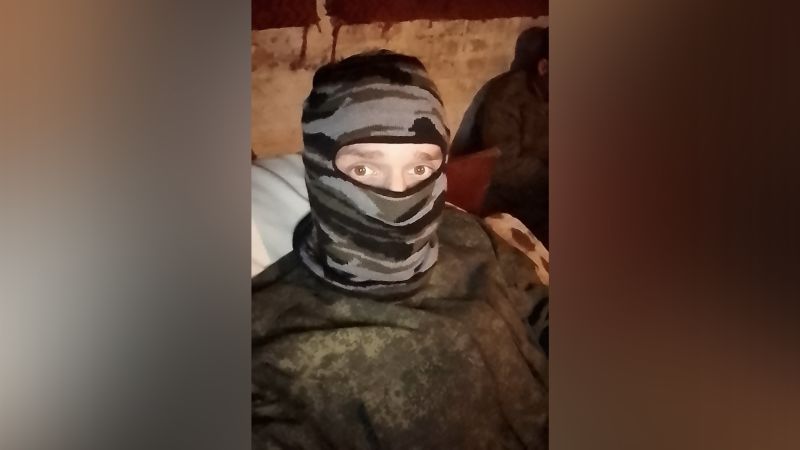
Two Russian prisoners convicted of murder, Denis Gorin and Nikolai Ogolobyak, were released and sent to fight in Ukraine, according to Russian reports. Gorin, who had previously been released on parole, was serving a sentence for knifing an acquaintance to death and consuming his leg. Ogolobyak, who had been sentenced for killing four teenagers in blood rituals, was pardoned after serving in a Storm Z assault detachment. The use of convicts in the military, including cannibals, is believed to be a strategy by Russia to fill gaps in its military forces.
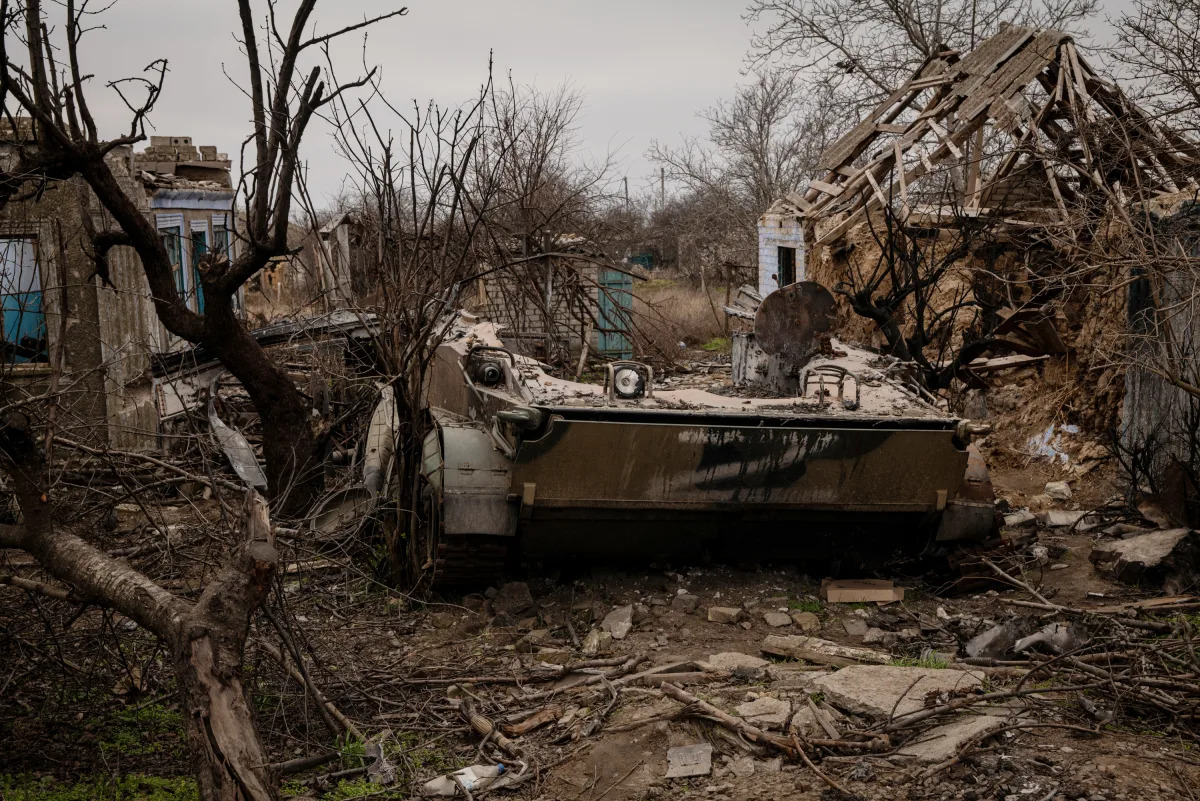
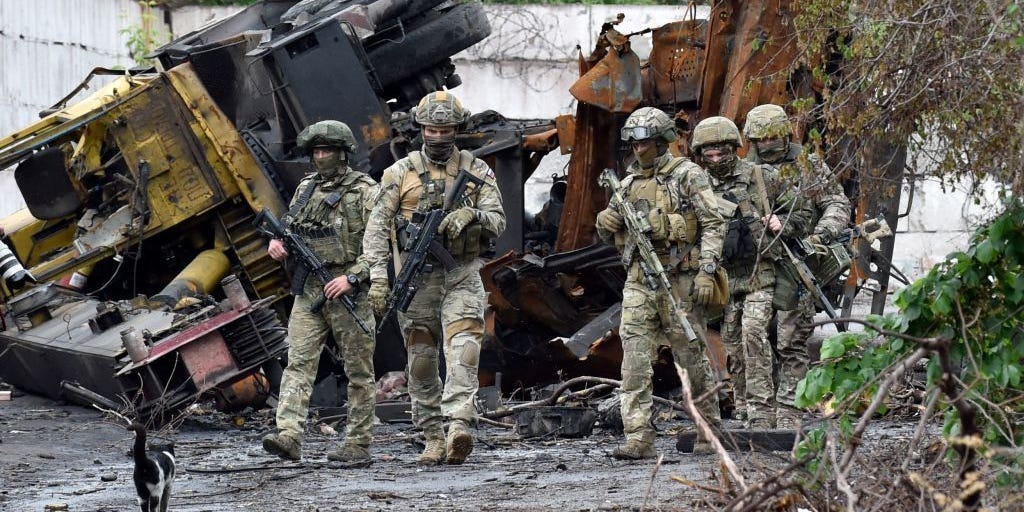
Inmates serving in the Russian army are being used as cannon fodder in the ongoing conflict in Ukraine, according to testimonies from former inmates. These convicts, enlisted in special units called "Storm Z," endure relentless bombardment, sniper attacks, and ambushes, with little cover or support. Many have died, and survivors are pressured to remain on the battlefield beyond their contracts. The Russian military is accused of treating them as expendable, denying them proper compensation and preventing families from claiming compensation for deceased soldiers. The use of inmate units has become a cornerstone of Russian military strategy as regular forces have been decimated.
A federal appeals court has ruled that Mississippi cannot strip the right to vote from convicts after they complete their sentences, deeming it a "cruel and unusual punishment" that disproportionately affects Black people. The court faulted a provision in Mississippi's state constitution that mandates lifetime disenfranchisement for certain crimes, stating that it violates the Eighth Amendment. The provision, adopted in 1890, was found to have a racially discriminatory aim. The ruling is seen as a major victory for those who have completed their sentences and deserve to participate fully in the political process. The decision is expected to be appealed.
Testimonies from a rare survivor and the mother of a deceased convict reveal the brutal conditions faced by Russian prisoners recruited to fight in Ukraine. These prisoners, promised reduced jail terms, describe being used as cannon fodder and enduring squalid and exhausting conditions in the trenches. The survivor recounts being concussed multiple times, shot twice, and witnessing the execution of fellow soldiers. The casualty rates are staggering, with only a fraction of the initial recruits still alive. The mother mourns the loss of her son, who was sent to the front lines and died in an assault on the same day Russia celebrated the defeat of the Nazis.
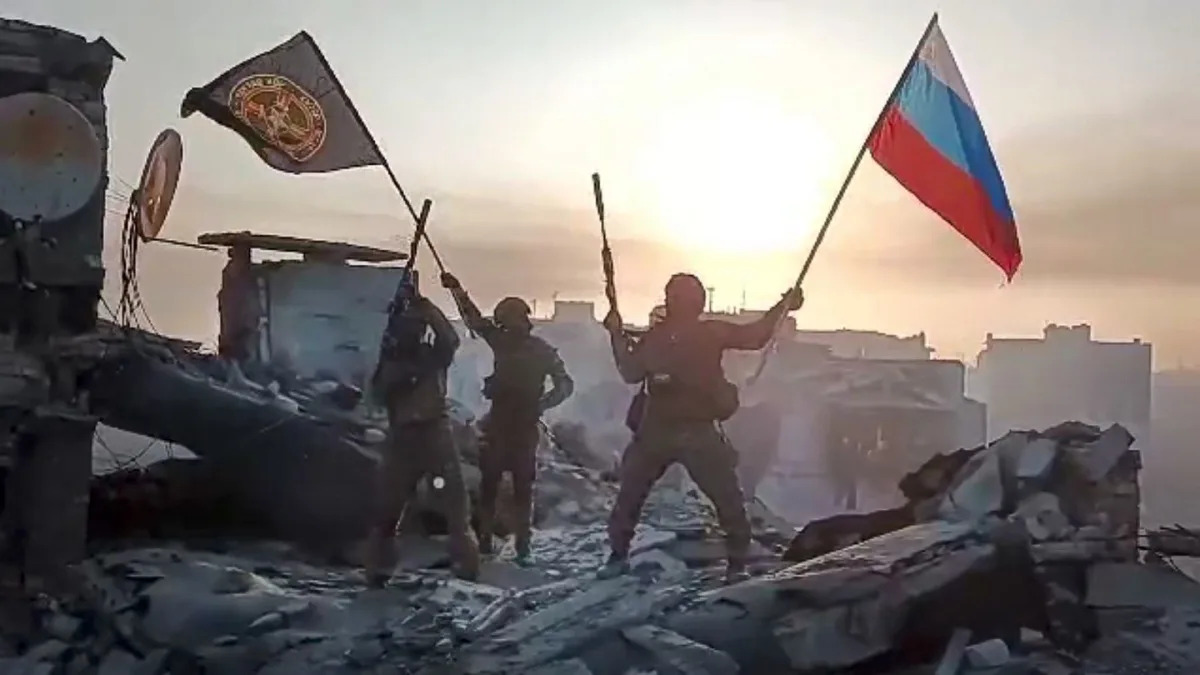
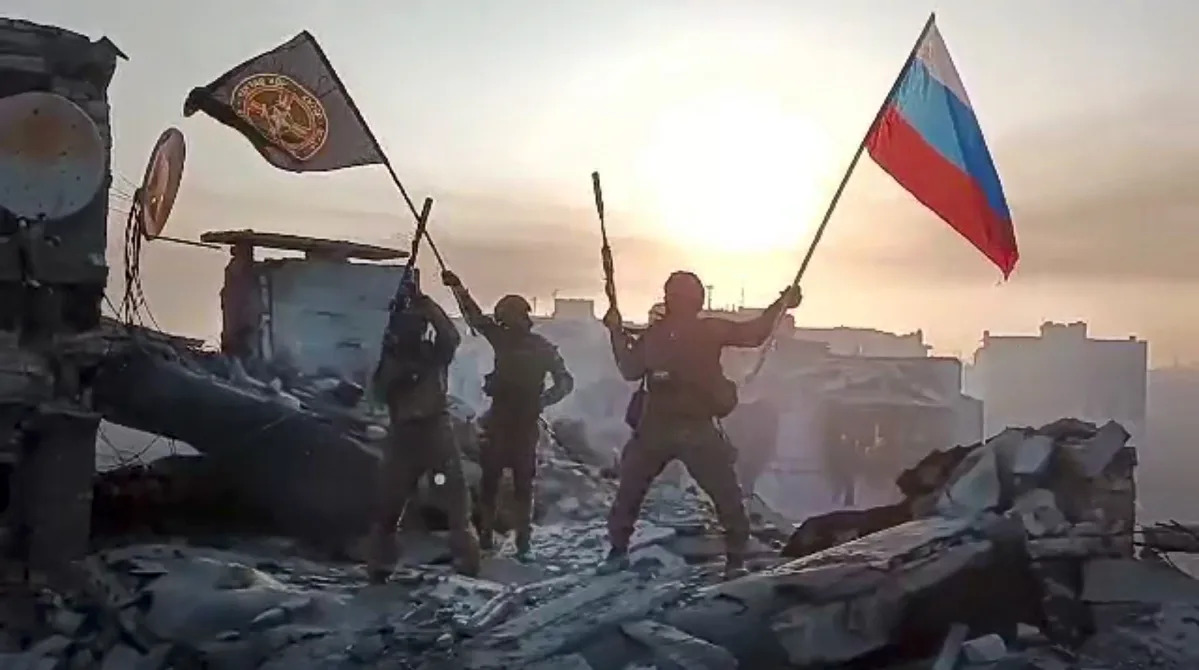
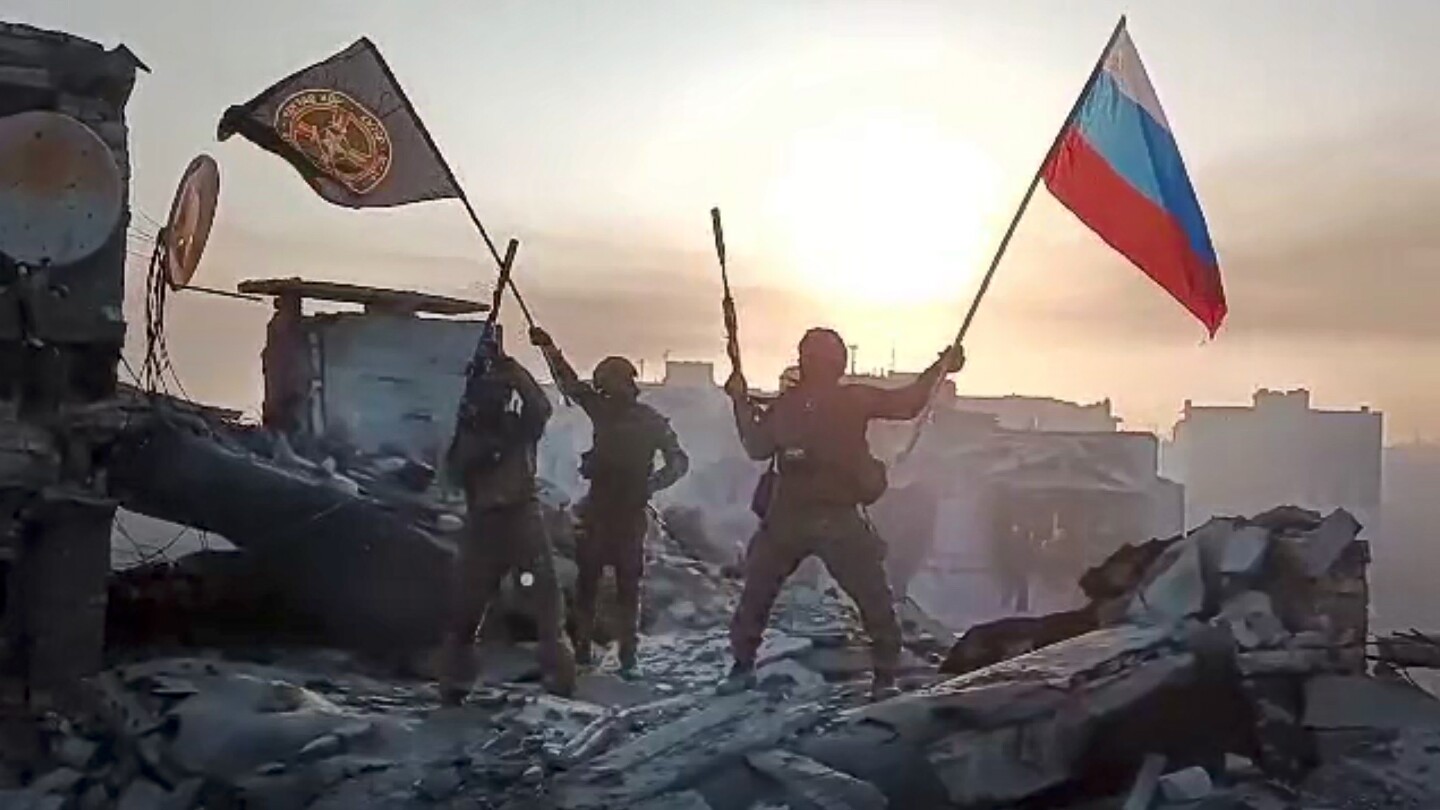
The use of convicts by the Wagner private military contractor in Ukraine has resulted in a series of violent crimes committed by ex-convicts upon their return to Russia. At least seven instances have been identified, including murder, sexual assault, robbery, and car theft. Wagner leader Yevgeny Prigozhin claimed to have recruited 50,000 convicts for Ukraine, and about 32,000 have returned. While Putin has stated that recidivism rates among these convicts are lower, concerns remain about the potential rise in crime as more convicts return from war. The Russian government is now seeking volunteers from prisons for contractual service in Ukraine.
Russian private military contractor Wagner has recruited convicts to fight in Ukraine, promising them freedom after their service. However, at least seven instances of Wagner-recruited convicts being involved in violent crimes have been reported in recent months. President Vladimir Putin recently confirmed that he was "signing pardon decrees" for convicts fighting in Ukraine. Rights advocates fear that recidivism rates among those freed from prison through serving in Ukraine may rise as more convicts return from war.
Russian private military contractor Wagner has recruited convicts to fight in Ukraine, promising them freedom after their service. However, at least seven instances have been reported in recent months where Wagner-recruited convicts were involved in violent crimes in Russia. President Vladimir Putin recently confirmed that he was "signing pardon decrees" for convicts fighting in Ukraine. Rights advocates fear that recidivism rates among those freed from prison through serving in Ukraine may rise as more convicts return from war.
Two former convicts who fought for the Wagner mercenary group in Ukraine have been accused of new murders after being released. Georgiy Siukayev and Ivan Rossomakhin were among the estimated 5,000 men who survived six months of service and have since been pardoned and released. Siukayev is accused of killing Soslan Valiyev, while Rossomakhin is accused of killing 85-year-old Yulia Buiskich. Wagner is a private military company founded by Russian oligarch Yevgeny Prigozhin, who is overseeing 50,000 fighters in Ukraine, including convicts enlisted for the war.
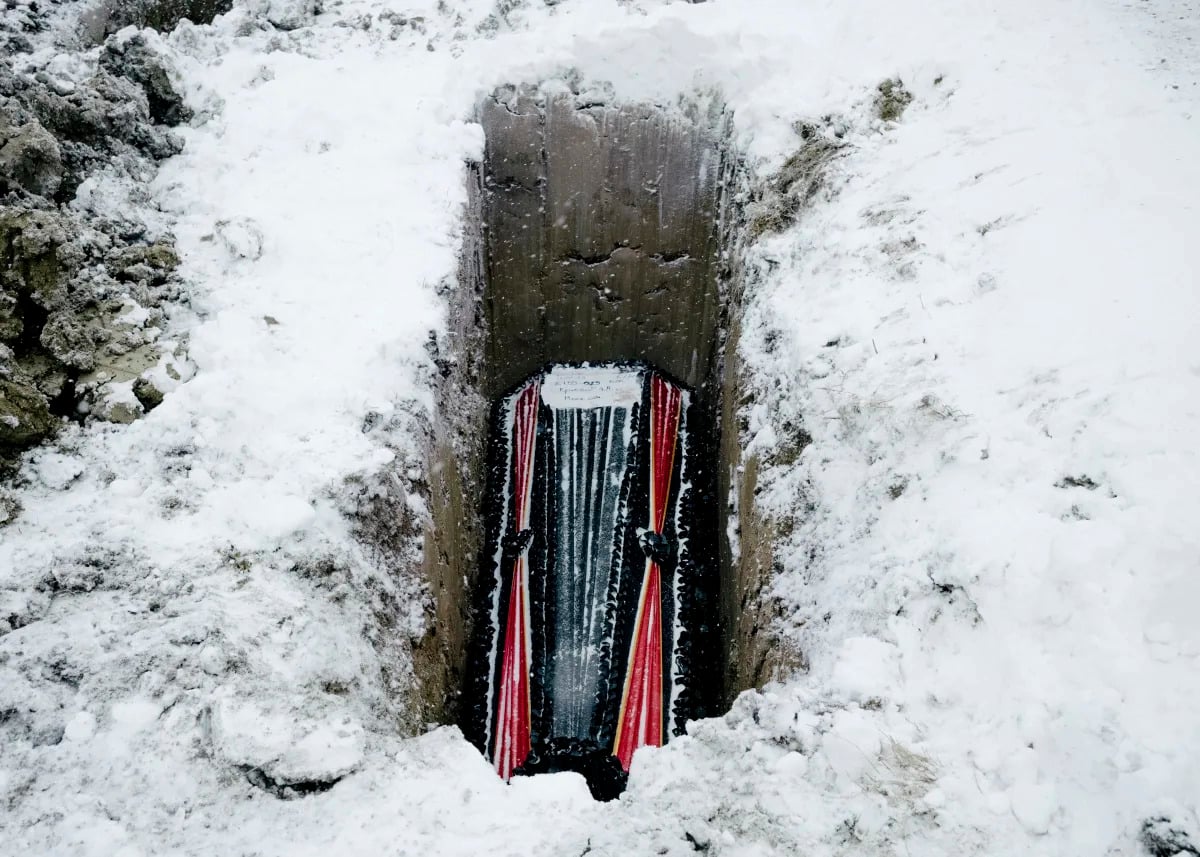
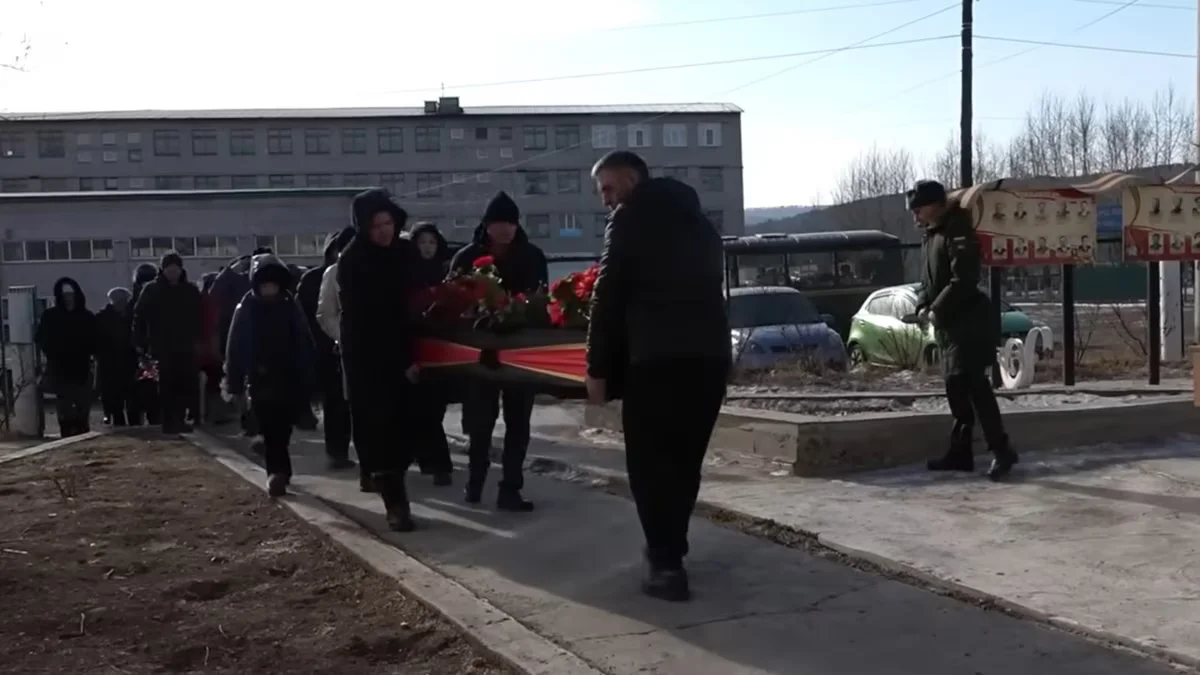
The return of convicts killed while fighting in Ukraine with the Wagner private military group is dividing Russian villages and pitting neighbors against each other. Some residents want to give the fighters a hero's burial, while others cannot forget the crimes they committed before being recruited. The tension between the jingoistic narrative of the war and the grim realities of coping with soldiers' deaths is an especially acute phenomenon in small villages. The move allowed the Kremlin to replenish its ranks and postpone a conscription of civilians until last September, but it also alienated some Russians.
Residents of small villages in Siberia are outraged after ex-convicts who fought in Ukraine as part of the Wagner mercenary army were given military funerals with honors paid for by local administrations. The men had been convicted of crimes including manslaughter, robbery, and selling dangerous homemade alcohol. The families of the deceased lobbied for the funerals, but locals are questioning the message it sends to children and the use of public funds for such events. Western analysts estimate that Russia's total military casualties in Ukraine are nearly 200,000 killed and wounded, far higher than the official figure of 6,000.