A groundbreaking clinical trial suggests that tailored cognitive behavioural therapy and a structured exercise program can aid recovery in patients with takotsubo cardiomyopathy, also known as broken heart syndrome, potentially improving long-term heart health and reducing mortality risk.
Men with broken heart syndrome (takotsubo cardiomyopathy) are more than twice as likely to die from the condition compared to women, possibly due to biological differences like hormone levels and social factors such as delayed diagnosis and care. The condition, triggered by extreme stress, causes the heart to temporarily weaken, and early treatment is crucial to prevent deadly complications.
A recent study shows that men with takotsubo cardiomyopathy, or broken heart syndrome, are more than twice as likely to die from the condition compared to women, possibly due to biological and social factors, highlighting the importance of early diagnosis and treatment.
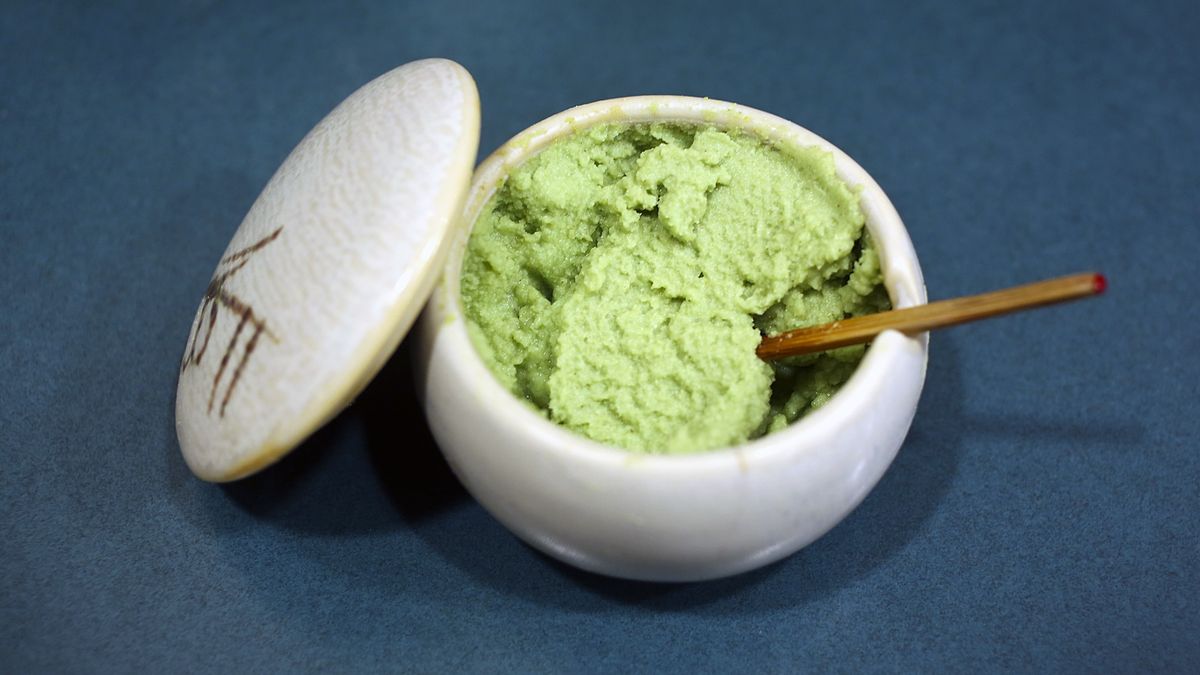
A 60-year-old woman in Israel developed takotsubo cardiomyopathy, or "broken heart syndrome," after mistakenly consuming a large amount of wasabi, thinking it was avocado. This condition, which mimics heart attack symptoms, was previously linked to stress and other factors, but this is the first documented case triggered by wasabi. The woman was treated with medications and her heart function returned to normal after a month.
Shai Gray, a 28-year-old mother from Schuylkill County, suffered from Broken Heart Syndrome, a condition caused by a rush of stress hormones overwhelming the heart and stopping it from beating. She was fortunate to be in the ER when it happened and was revived by doctors. Gray emphasizes the importance of listening to your body and seeking medical help if something feels wrong. She is now undergoing therapy to manage her stress and fears the possibility of experiencing the syndrome again.
Stress can have a significant impact on the heart, potentially leading to an illness known as "Broken Heart Syndrome," particularly affecting women. February is American Heart Month, emphasizing the importance of cardiovascular health awareness, especially for women.
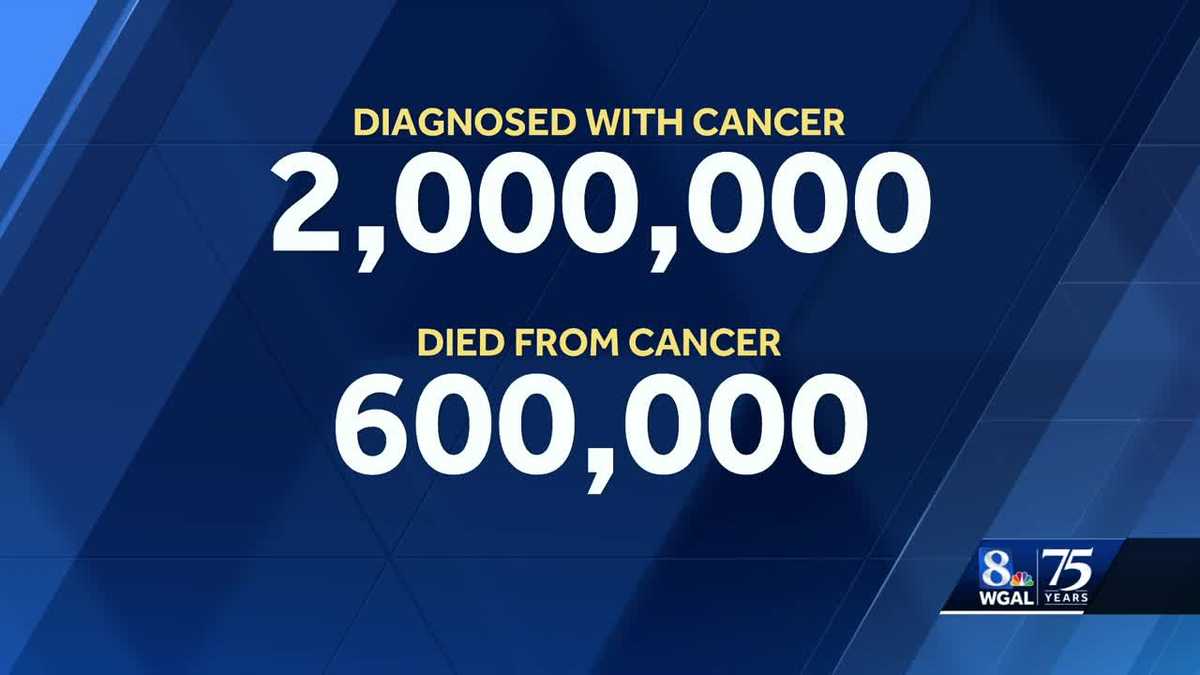
WGAL News 8 covers various topics in the Susquehanna Valley and Pennsylvania, including National Cancer Prevention Month, 'Broken Heart Syndrome' explained by a UPMC cardiologist, Millersville University's successful 'One Day Give' event, the role of Black History in Pennsylvania's education system, and new free medical shuttle services for veterans in Franklin County.
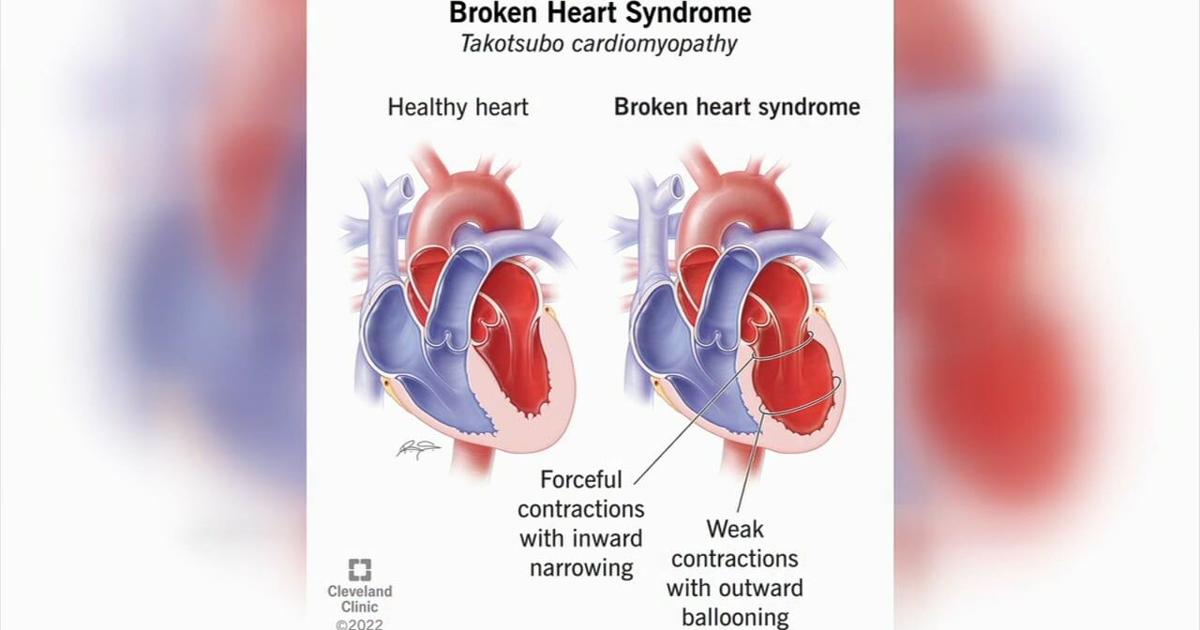
Broken heart syndrome, also known as stress cardiomyopathy, is a real and potentially deadly condition that can be triggered by intense emotional or physical stressors. It can mimic symptoms of a heart attack, but the arteries on the heart actually look normal. Women tend to be diagnosed more than men, and it can occur at any age. However, most people with broken heart syndrome recover quickly once the problem is located. To reduce the risk of heart disease, it's important to exercise regularly, manage stress and anxiety, eat a plant-based diet, and monitor blood pressure and cholesterol. Additionally, learning CPR and AED training can significantly increase the chances of survival after a heart attack.
Researchers at the University of Aberdeen have found that broken heart syndrome, also known as takotsubo cardiomyopathy, can be as deadly as a heart attack, affecting around 70 people in Scotland every year. Triggered by extreme emotional distress, the condition causes the heart's left ventricle to enlarge, impacting its ability to pump blood. The study, funded by the British Heart Foundation, revealed that medications typically prescribed for heart attack patients did not improve survival rates for those with broken heart syndrome. The condition, which can develop at any age and predominantly affects women, requires improved treatment strategies to reduce mortality rates and vulnerability to heart conditions.
The author shares her personal experience of nearly dying from stress-induced broken heart syndrome, highlighting the cumulative impact of chronic stressors and isolated events on one's mental and physical health. She emphasizes the need for a stronger support system and policies to address the widespread stress epidemic in America, including universal access to mental health check-ups, improved distribution of stress management resources, and addressing systemic issues that contribute to chronic stress. The author calls for leaders to prioritize the well-being of individuals and create a country where everyone has the opportunity to achieve contentment.
The author shares her personal experience of nearly dying from stress-induced heart failure, also known as "broken heart syndrome." She reflects on the cumulative stressors in her life, including the deaths of loved ones, job loss, and her son's medical condition. The author highlights the widespread impact of chronic stress on individuals and society as a whole, emphasizing the need for a stronger support system and policies to address stress-related health problems. She calls for improved access to mental health resources, workplace and school support, and systemic changes to tackle issues like racism and food instability that contribute to chronic stress.
The author shares her personal experience of nearly dying from stress-induced broken heart syndrome. She reflects on the cumulative stressors she has faced, including the deaths of loved ones, job loss, and her son's epilepsy diagnosis. Despite actively seeking therapy and practicing stress management techniques, she still experienced a cardiac arrest during surgery. The author highlights the need for a stronger support system and policies to address the widespread stress affecting Americans, including improved access to mental health resources, workplace and school support, and addressing systemic issues like racism and food instability. She emphasizes the importance of acknowledging and addressing the stress epidemic to help individuals achieve contentment and well-being.
The author shares her personal experience of nearly dying from stress-induced broken heart syndrome. She reflects on the cumulative stressors she has faced, including the deaths of loved ones, job loss, and her son's epilepsy diagnosis. Despite actively seeking therapy and practicing stress management techniques, she still experienced a cardiac arrest during surgery. The author highlights the need for a stronger support system and policies to address the widespread stress affecting Americans, including improved access to mental health resources, workplace and school support, and addressing systemic issues. She emphasizes the importance of acknowledging and addressing the stress elephant in the room to achieve a healthier and more resilient society.
Broken Heart Syndrome is a real condition that can cause symptoms similar to a heart attack. The emotional pain of a breakup triggers the same area of the brain as physical pain and can result in withdrawal symptoms. While there is no way to avoid Broken Heart Syndrome, Choice Theory by Dr. William Glasser can help shorten its duration. By aligning your thoughts and actions with the person you want to be, you can take control of your emotions and physiology and recover from a breakup.