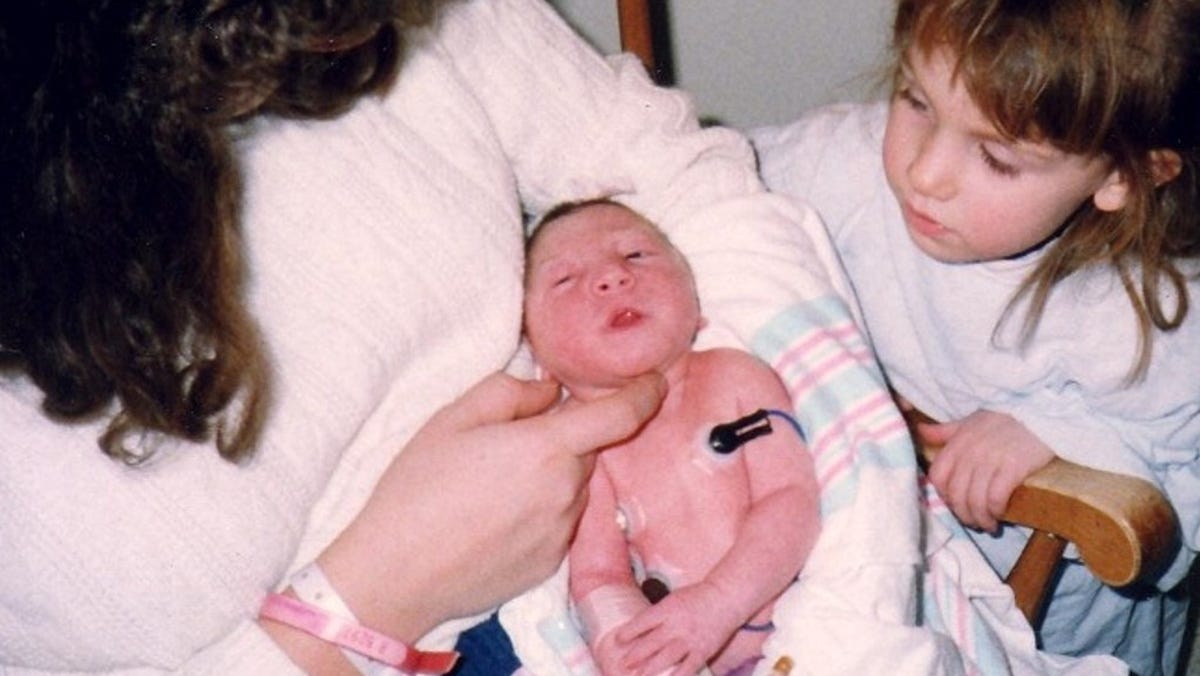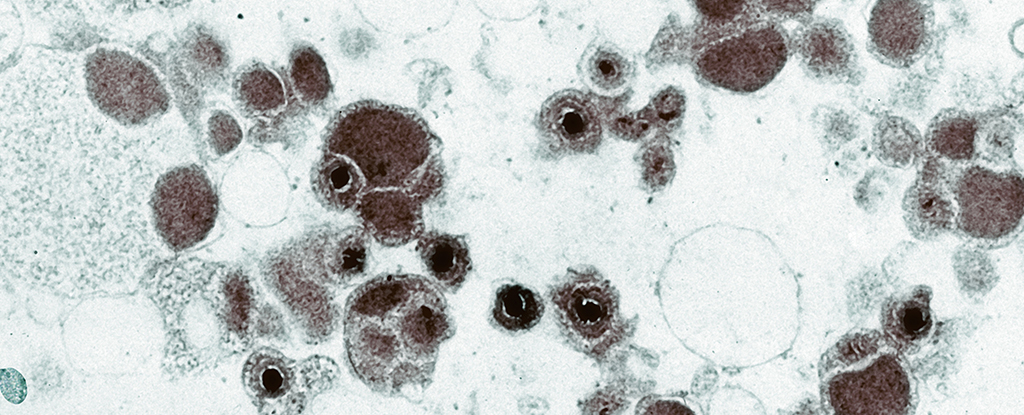
A study has found that newborns infected with cytomegalovirus (CMV) are significantly more likely to develop autism. Researchers analyzed medical records of nearly 3 million infants and discovered that those born with CMV were two-and-a-half times more likely to be diagnosed with autism. The virus, which is common and often goes undiagnosed, may cause inflammation in the fetus' brain, disrupting its development. The study's lead author, Dr. Megan Pesch, advocates for more widespread screening for CMV during pregnancy to better understand and mitigate its effects.
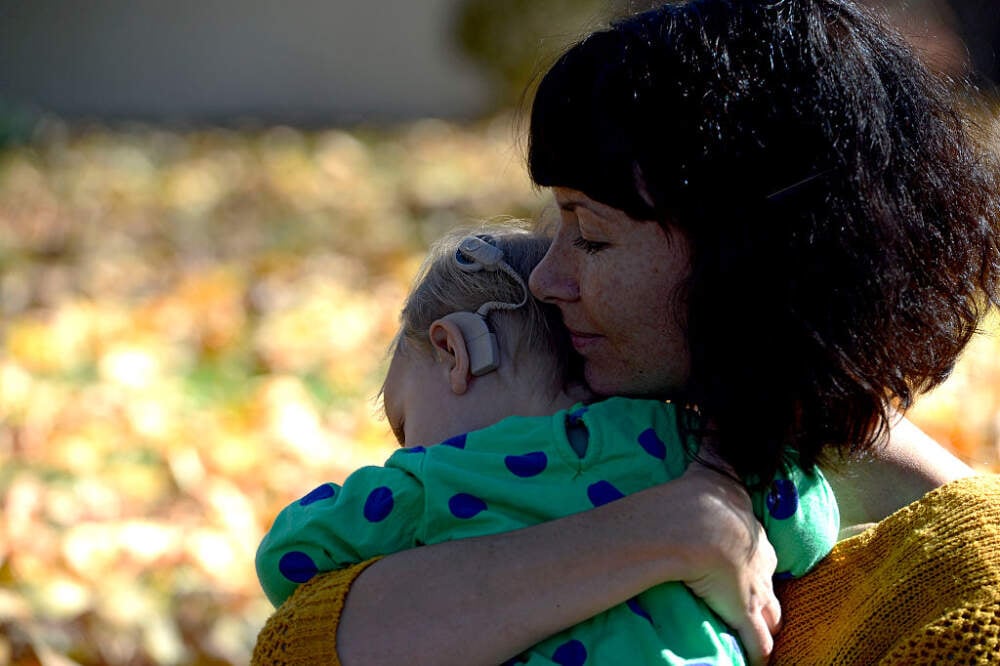
Congenital CMV, a little-known virus, causes more birth defects in American babies than any other nongenetic disease, with one in every thousand babies affected. Megan Nix shares her experience with her daughter Anna, who was diagnosed with congenital CMV, shedding light on the lack of discussion about the virus during routine prenatal care. The virus, which can be transmitted through toddlers' saliva, presents a significant risk during pregnancy, yet most expecting mothers are not informed about it.
Cytomegalovirus (CMV), a common virus that can cause birth defects, is now being screened for in newborn babies in New York as part of a pilot program. CMV infects more than half of adults and one in every 200 babies is born with congenital CMV. Symptoms can include smaller head size, hearing loss, and developmental delays. Early identification of the virus allows for monitoring and treatment to mitigate potential health effects. While there is currently no vaccine for CMV, awareness about prevention and intervention is crucial. The push for universal screening is driven by parents who have experienced the health effects of CMV in their children.
Cytomegalovirus (CMV) is a common virus that can cause congenital infections, leading to birth defects and permanent neurodevelopmental disabilities. Although prenatal and newborn screening for CMV is not standard of care, some states have passed laws requiring public education and targeted screening. Simple behavior changes, such as frequent handwashing and avoiding sharing food or utensils, can significantly reduce the risk of getting CMV. Increasing awareness and standardizing screening guidelines could help reduce the incidence and burden of CMV-related diseases on children and their families.
Cytomegalovirus (CMV) is a common viral infection that can cause devastating long-term health problems in infants, including hearing loss, cerebral palsy, seizures, vision impairment, and neurodevelopmental delays. Despite affecting 20,000 babies born each year in the U.S., there is little public awareness about CMV compared to other prenatal infections. However, state public health committees and legislatures are beginning to debate whether to mandate more robust screening for CMV, with Minnesota becoming the first state to screen all newborns for congenital CMV. The debate around screening alone is a sign that the medicine is doing better.