In New York City, nannies are increasingly demanding higher pay and better working conditions, with some receiving offers over $150,000 annually, as they organize online and push for legal protections amid changing parental expectations and surveillance practices.
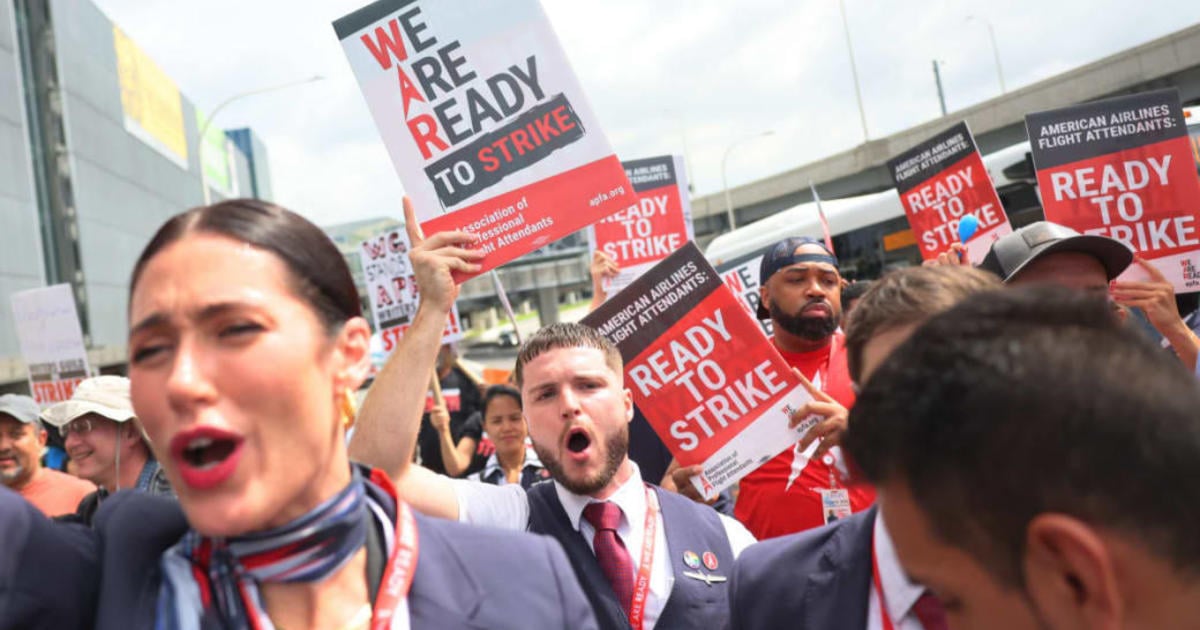
Flight attendants from major U.S. airlines, represented by three separate unions, held pickets and rallies at 30 airports to demand new contracts and higher wages, citing frustration over pilots receiving significant pay raises while their own wages have stagnated. The protests, organized by the Association of Flight Attendants, the Association of Professional Flight Attendants, and the Transport Workers Union, are part of a national day of action and not a strike due to legal constraints. Airlines such as American, United, Alaska, and Southwest have responded with statements expressing willingness to negotiate and work towards agreements that benefit their flight attendants.
Tesla increased pay for its factory workers across the US, with hourly wages now ranging from $22 to $39 based on location and job level. The company's new pay guidelines, implemented in January, also include a biannual bonus system called Cyber Wallet. Tesla's move follows similar wage hikes by other automakers and comes amid union pressure, with UAW eyeing Tesla's Fremont Factory for organizing efforts. CEO Elon Musk has expressed confidence that a union isn't necessary, while some workers have reservations about joining a union.
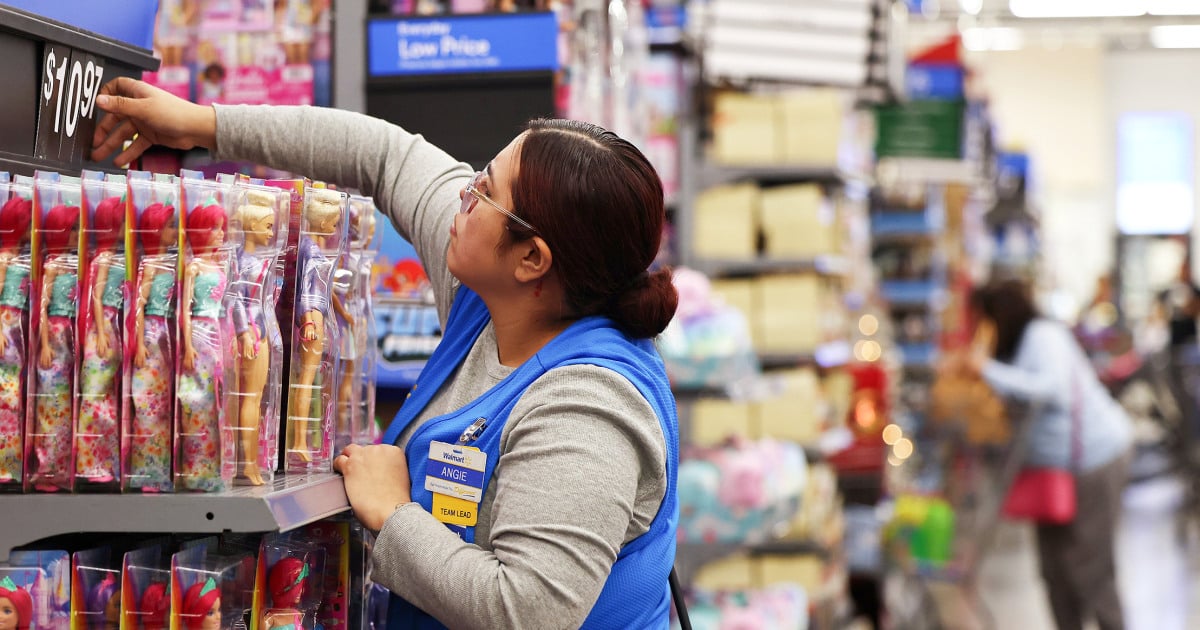
Walmart plans to remodel 650 existing stores and open over 150 new locations in the next five years, with a focus on smaller-format Neighborhood Markets. The company aims to create a more modern shopping experience through improved layouts, expanded product selections, and innovative technology. Additionally, Walmart is increasing pay for store managers and investing in non-salary workers by raising the hourly wage to over $18 and offering stock options.
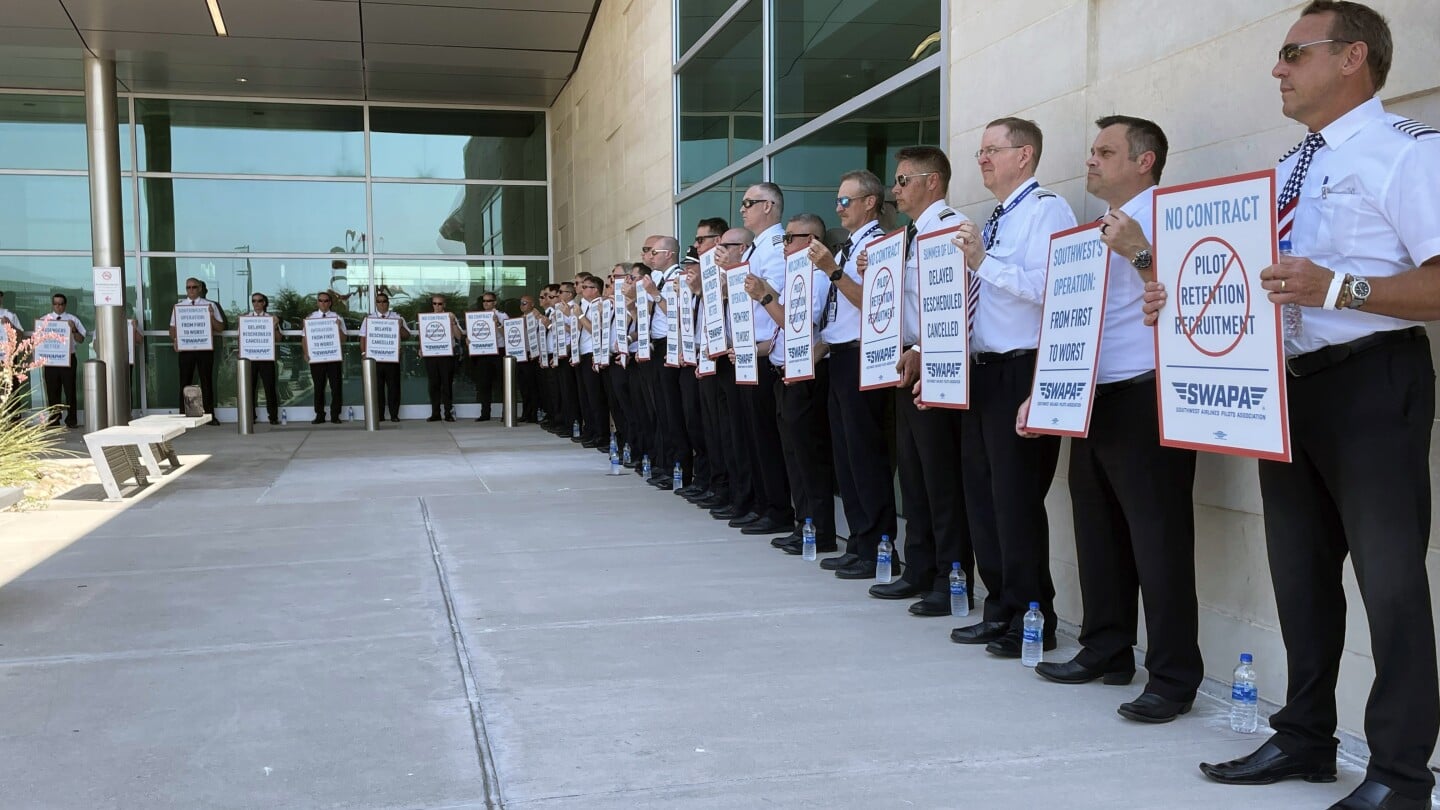
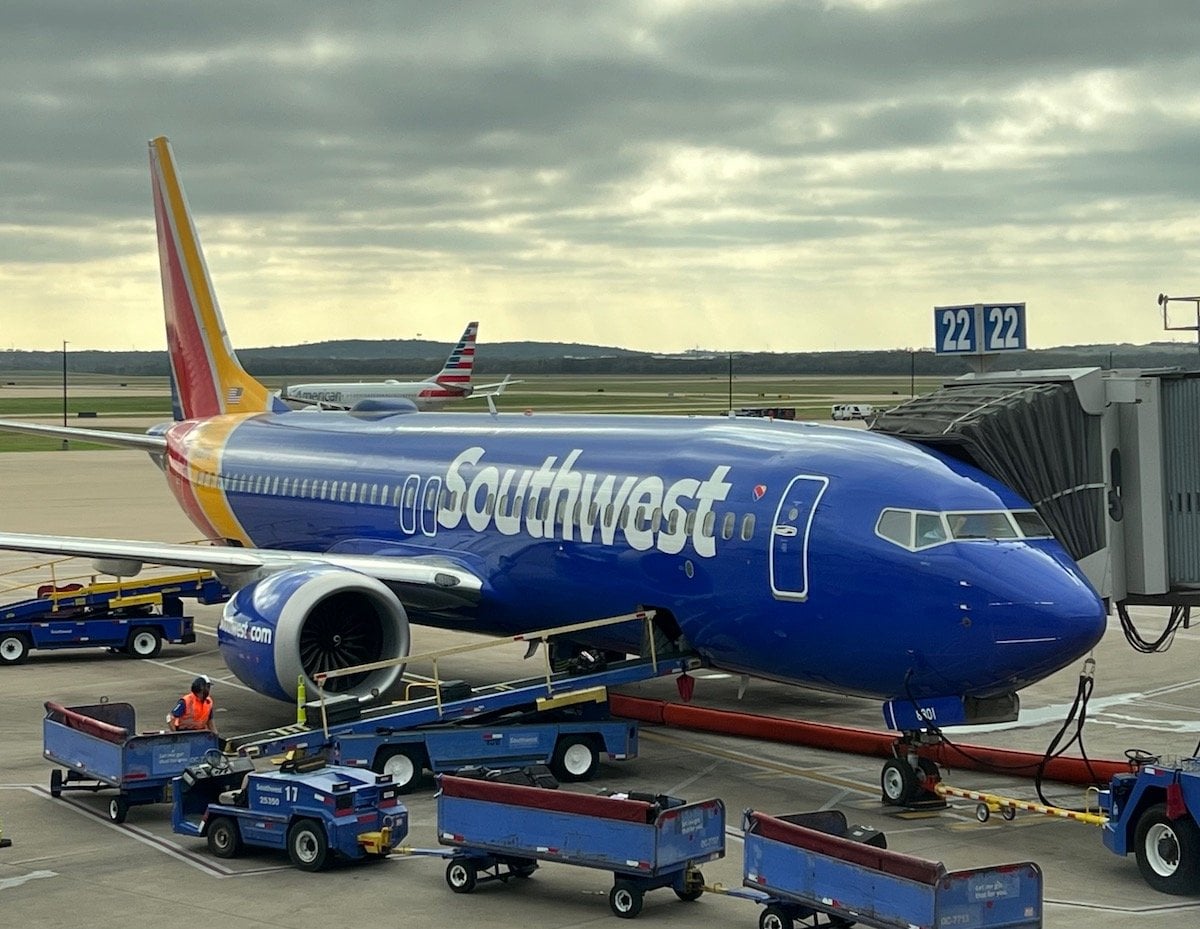
Pilots at Southwest Airlines have ratified a new contract that will raise their pay rates by nearly 50% by 2028, marking the last group of pilots at the nation’s four biggest airlines to secure substantial raises. The agreement, covering pay and other issues for about 11,000 pilots, was approved by a 93% to 7% margin. The five-year deal provides industry-leading compensation and includes changes to pilot retirement, scheduling, and parental-leave programs.
Walmart, America's largest private employer, is increasing the average salary for store managers by 9.4% and offering bonuses up to 200% of base salary based on store sales and profit. The planned pay increases in February will raise the U.S. average hourly wage for Walmart's approximately 1 million hourly workers to more than $18.00. Walmart CEO Doug McMillon noted dropping prices across categories and an ambiguous sales outlook for 2024, despite signs of firm consumer spending.
The Southwest Airlines Pilots Association (SWAPA) has approved a tentative agreement for a new contract with Southwest Airlines. The five-year contract, worth $12 billion, includes significant compensation gains, incremental pay increases, improvements to work rules and flying schedules, better disability coverage, and increased retirement benefits. Southwest's approximately 11,000 pilots will now vote on the contract, which offers substantial pay raises of nearly 30% in the first year and a total increase of approximately 50% over five years.
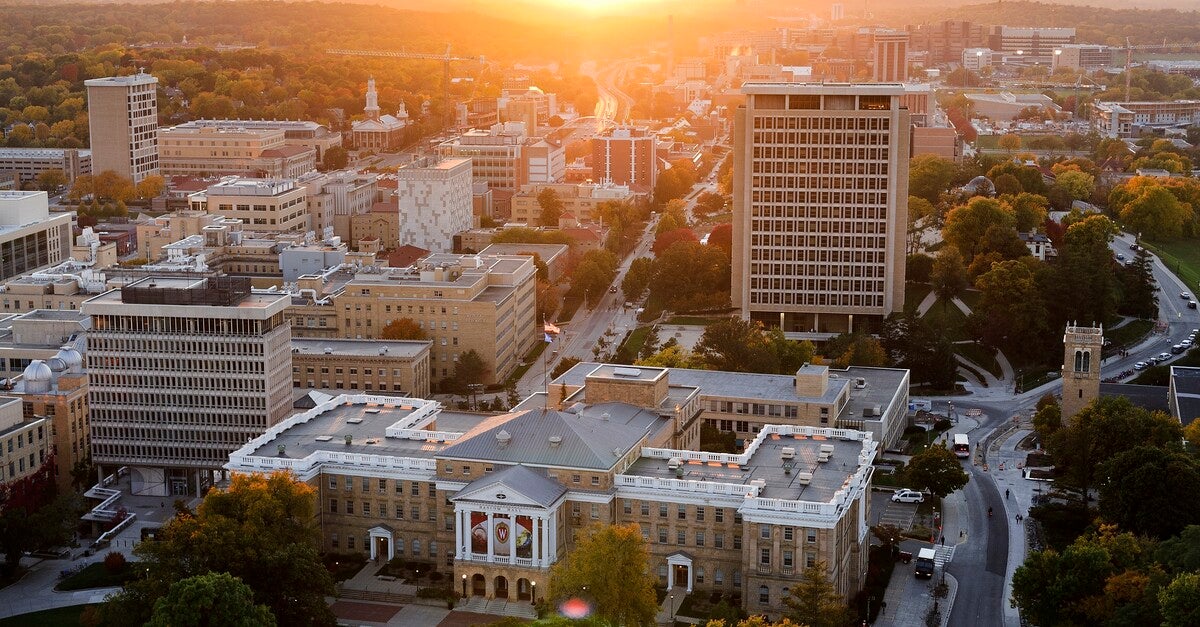
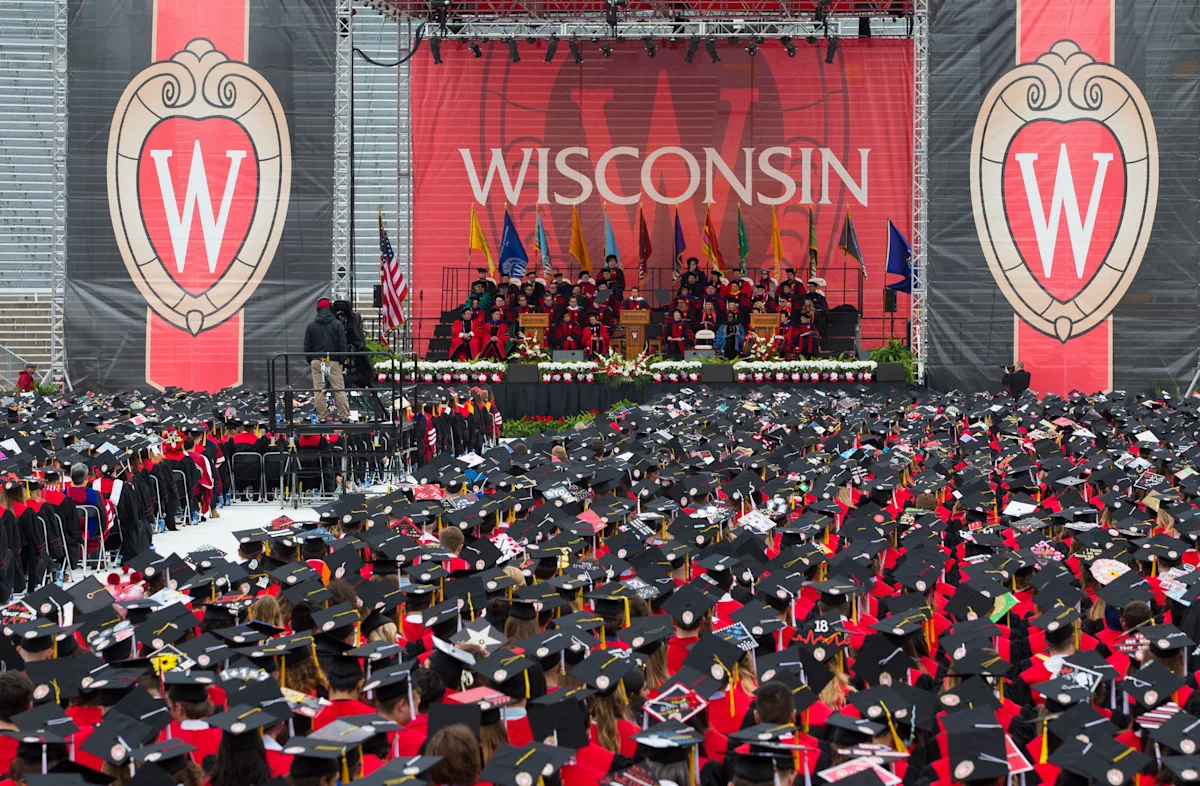
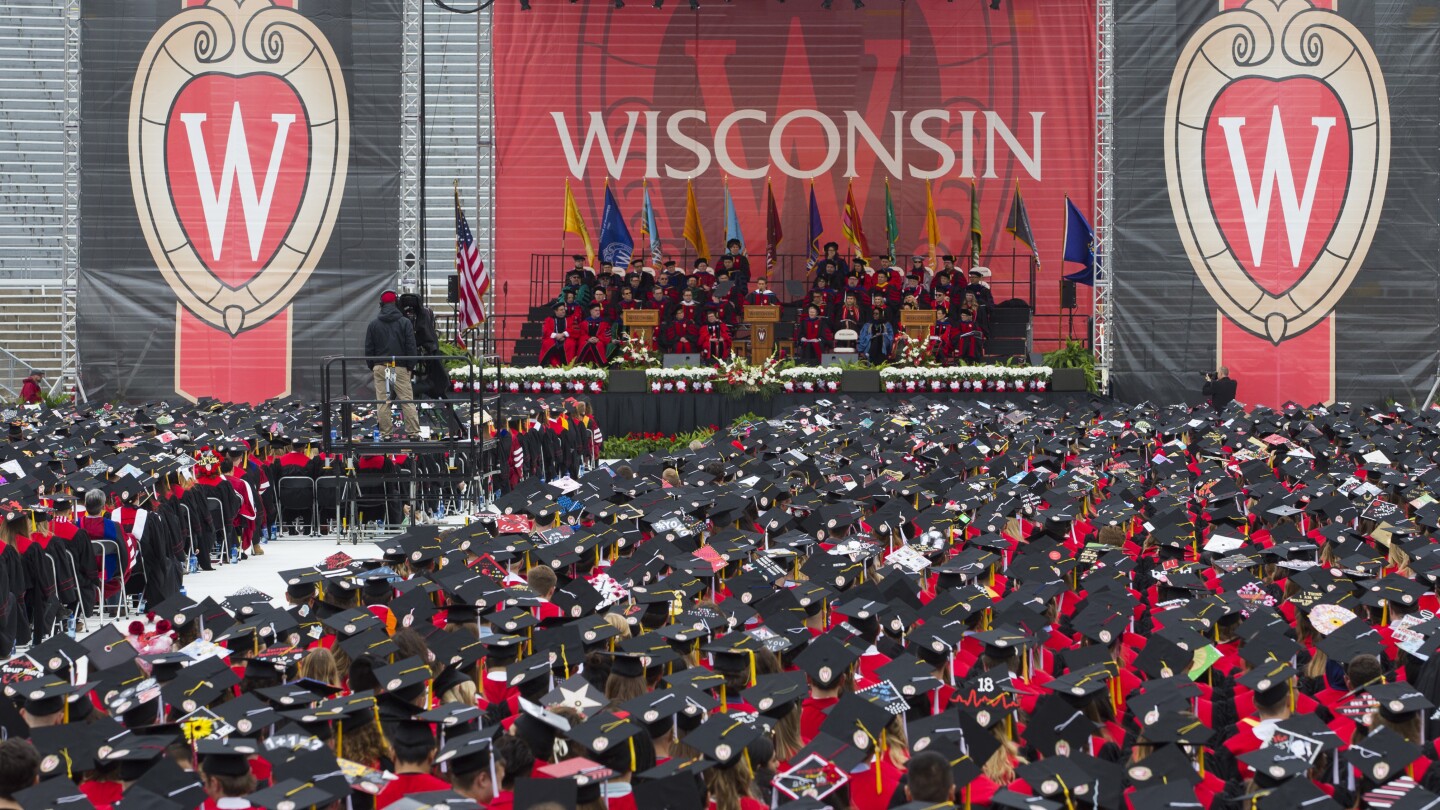
The University of Wisconsin Board of Regents has reversed its position and accepted a deal proposed by Republican lawmakers, allowing for pay raises for employees and the construction of a new engineering building. However, the deal also includes a freeze on diversity, equity, and inclusion (DEI) staffing until 2026 and the elimination or refocusing of around 40 positions related to diversity. The compromise was approved after a months-long stalemate and a second vote by the board. Democratic lawmakers and campus groups had called for the rejection of the deal, arguing that it discriminates against students and staff of color.
The University of Wisconsin (UW) Regents will hold a closed-door meeting to discuss Governor Tony Evers' lawsuit against the Legislature over the withholding of pay raises for UW system employees, as well as funding proposals. Assembly Speaker Robin Vos stated that Republicans will not change their compromise plan, which was rejected by the Regents, to roll back diversity efforts in exchange for staff raises and infrastructure improvements. The deal would have required the UW system to reduce its number of diversity, equity, and inclusion employees. The Regents' rejection came after concerns were raised about setting a precedent and compromising the university's core values.
Republican leaders in Wisconsin have announced that they will no longer negotiate with the University of Wisconsin System over pay raises and a diversity deal. The GOP leaders argue that the university has not been transparent in its negotiations and that they have lost confidence in the university's ability to manage its finances. This decision could have significant implications for the university's faculty and staff, as well as its efforts to promote diversity and inclusion on campus.
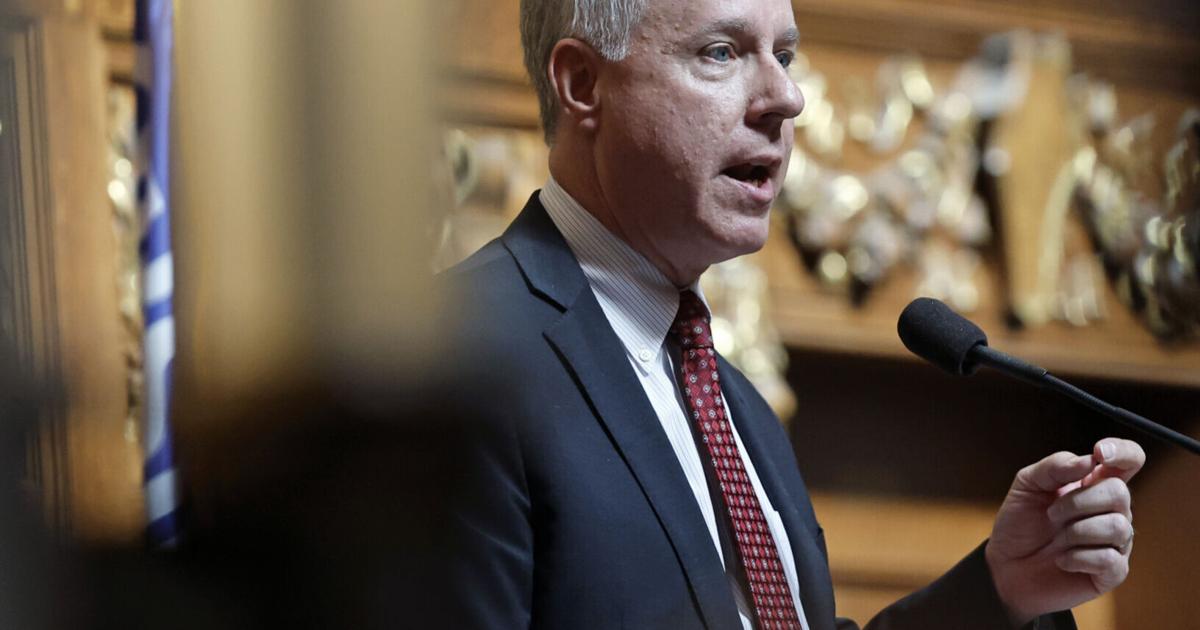
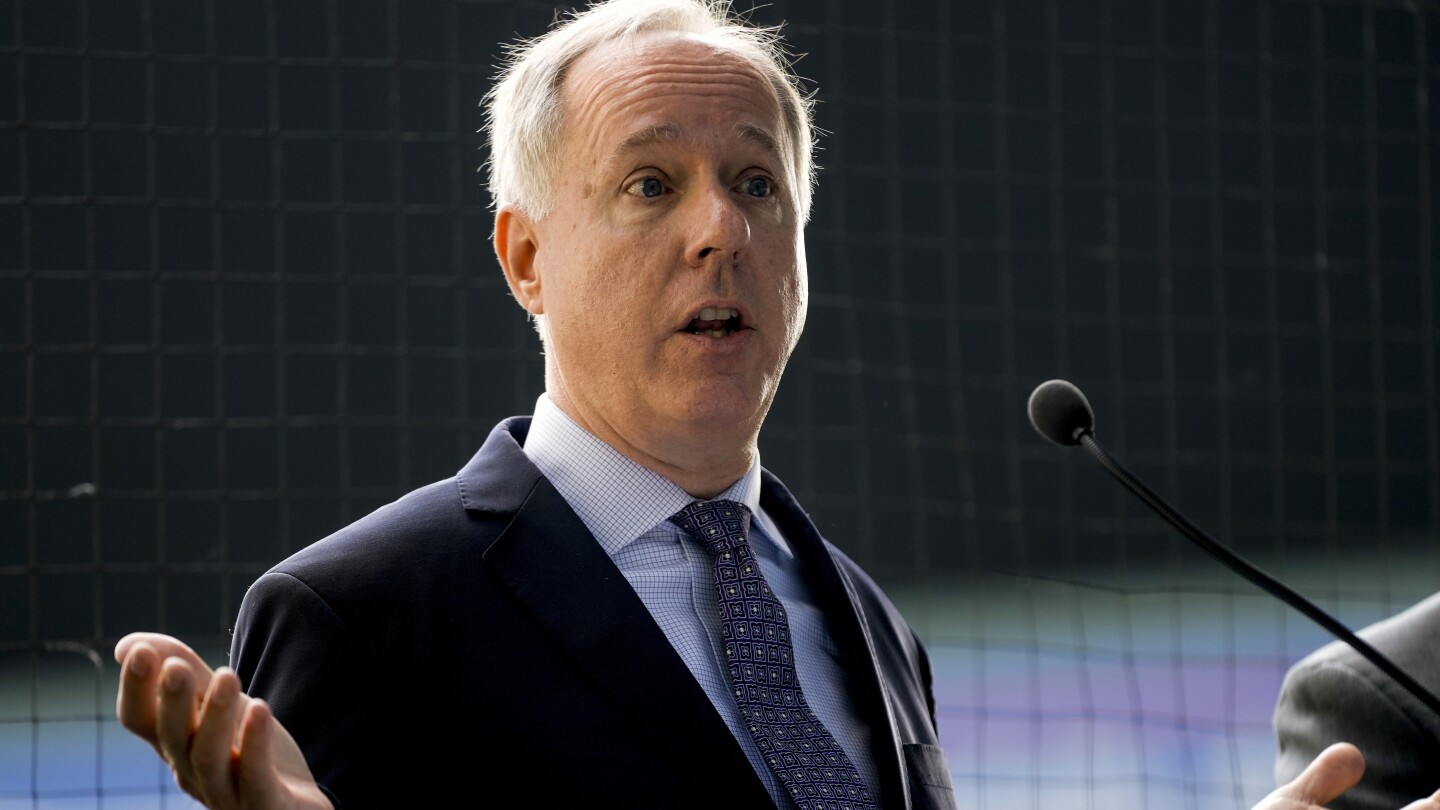
Wisconsin's top Republican lawmaker, Assembly Speaker Robin Vos, has announced that he is no longer negotiating with the Universities of Wisconsin over a deal that would have provided pay raises for university employees and funded the construction of a new engineering building in exchange for reductions in staff positions focused on diversity, equity, and inclusion. The deal was rejected by the UW Board of Regents, prompting Vos to state that he will not make any changes to the agreement. Governor Tony Evers supports the regents' decision but wants negotiations to continue, while Vos insists that the deal must be enforced or funding for pay raises and the engineering building will not be approved.
The UW Board of Regents rejected a deal struck between Universities of Wisconsin system President Jay Rothman and legislative Republican leaders that would have provided funding and pay raises in exchange for changes to diversity, equity, and inclusion initiatives. The deal included a new engineering building for UW-Madison and the restoration of a $32 million budget cut. The vote against the deal came after concerns were raised about compromising core values and setting a precedent. The future of the UW system and any potential new deal remains uncertain.
The University of Wisconsin regents rejected a deal that would have provided pay raises and funding for a new engineering building in exchange for reductions in staff positions focused on diversity, equity, and inclusion. The deal, brokered by Republican Assembly Speaker Robin Vos, was voted down 9-8 during an emergency meeting. Democrats accused Republicans of holding employees hostage by blocking pay raises, while Republicans argued that the deal would have perpetuated a single viewpoint on campus.
The University of Wisconsin regents have rejected a deal with Republicans that would have provided pay raises for employees and funding for a new engineering building in exchange for reductions in staff positions focused on diversity, equity, and inclusion. The regents voted 9-8 against the deal, which had been brokered by Republican Assembly Speaker Robin Vos. The decision was criticized by GOP leaders, who accused the regents of prioritizing their ideological campaign over employee raises and investments. The fight reflects a broader cultural battle over college diversity initiatives, with conservatives criticizing the UW system as liberal and Democrats arguing that diversity initiatives enhance the collegiate experience.
The University of Wisconsin regents have rejected a deal with Republicans that would have provided pay raises for employees and funding for a new engineering building in exchange for reducing staff positions focused on diversity, equity, and inclusion. The regents voted 9-8 against the deal, which had been brokered by Republican Assembly Speaker Robin Vos. Republican lawmakers had previously blocked pay raises and funding for the engineering building, while conservatives criticized the university system for its perceived liberal bias. The rejection of the deal reflects a broader cultural battle over college diversity initiatives.