GLP-1 receptor agonists, such as semaglutide and liraglutide, have been approved for weight regulation but have been associated with rare, severe side effects. These include a higher risk of pancreatitis, intestinal obstruction, and gastroparesis. Anesthetic complications have also been reported, possibly due to slowed gastric emptying caused by the drugs. Additionally, there have been case reports of depression and suicidal ideation, prompting investigations into the potential risk of increased suicidality. Long-term safety and the possibility of side effects that may only become apparent over time are still unknown. Guidelines for the safe and effective use of these medications are currently being developed.
New anti-obesity drugs such as semaglutide and tirzepatide have shown promising results in clinical trials, leading to substantial weight loss and reduced cardiovascular risk. However, researchers are now investigating potential side effects, including gastrointestinal problems and loss of muscle mass. A recent study found that semaglutide was associated with a higher incidence of pancreatitis and gastroparesis compared to other weight-loss medications. Concerns about muscle-mass loss have prompted pharmaceutical companies to develop drugs that preserve muscle mass during weight loss. Specialists emphasize the importance of educating patients and providers about the risks and benefits of these medications, while acknowledging the need for further research in real-world conditions.
Menopause can bring about digestive and gastrointestinal issues such as bloating, gassiness, constipation, and diarrhea, which are often overlooked. The decline in ovarian hormones during menopause may contribute to increased visceral hypersensitivity and lower pain thresholds. Fluctuating hormone levels can lead to fluid retention, bloating, and a slowdown in fluid elimination. The production of bile is also influenced by estrogen, affecting intestinal lubrication. Experts are launching the UK's first menopause education program to help women understand the changes their bodies go through, as research shows that many women are poorly educated about menopause.
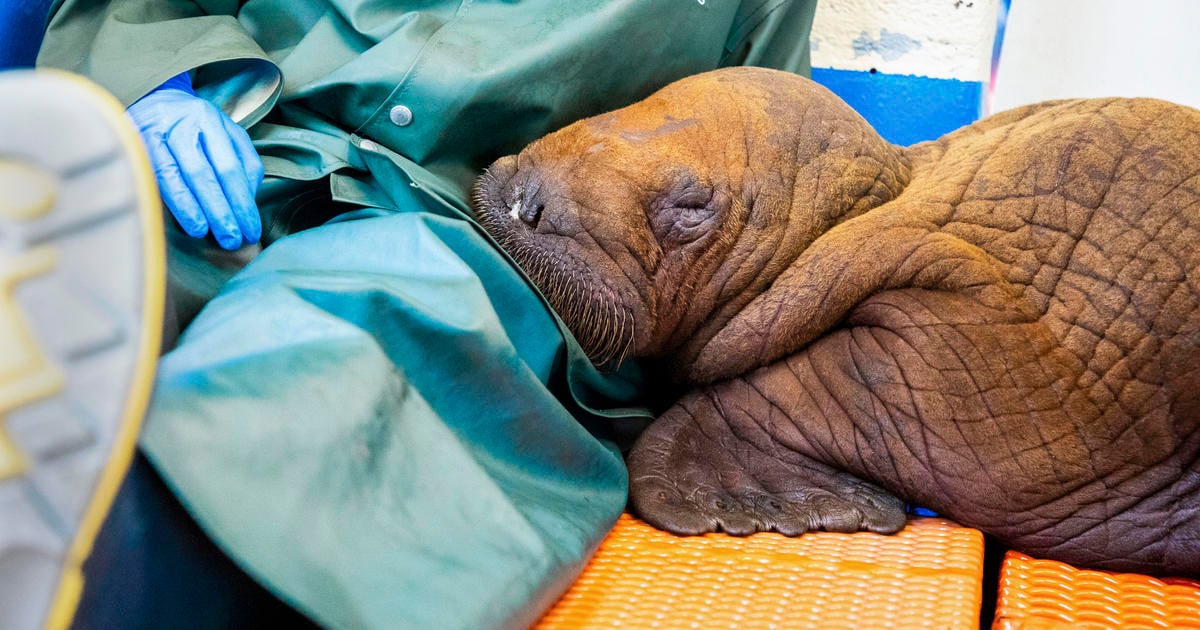
A rescued baby walrus, who was receiving "round-the-clock" cuddles as part of his treatment, has died at the Alaska SeaLife Center. The Pacific walrus calf, believed to be around a month old, was found alone and struggling with health issues. Despite efforts to save him, his condition worsened, and he passed away. A necropsy will be performed to determine the cause of death. Walruses face challenges due to declining sea ice caused by global warming, making it difficult for them to find food and rest.
Novo Nordisk and Eli Lilly, the manufacturers of weight loss drugs Ozempic and Mounjaro, are being sued by a Louisiana woman who claims they failed to warn patients about the risk of severe gastrointestinal problems, including gastroparesis (stomach paralysis) and gastroenteritis (stomach inflammation). The lawsuit alleges that the drug makers downplayed the severity of these side effects and accuses them of ignoring and not disclosing the association between the medications and gastrointestinal issues. The plaintiff suffered from severe vomiting, stomach pain, and other complications, resulting in hospitalization and permanent injuries. Ozempic and Mounjaro, originally developed for managing blood sugar levels in Type 2 diabetes patients, have gained popularity for off-label use in weight loss.
Uncontrolled cholesterol levels can lead to gastrointestinal problems such as the formation of gallstones and an increased risk of obesity-related GI disorders. To manage and prevent high cholesterol, engage in regular physical activity, avoid smoking, choose a healthy diet, consume alcohol in moderation, and consult with a doctor about medication options. Adopting a healthy lifestyle and working closely with healthcare professionals can help maintain optimal gastrointestinal health.
Long COVID can cause gastrointestinal problems, including disorders like GERD and IBS, as well as constipation and diarrhea. The risk of developing GI issues after COVID is relatively small, but when you account for the fact that COVID’s burden is so large, the number of long COVID patients dealing with gut issues becomes significant. The most convincing theory as to why some people develop gut problems after COVID is ongoing inflammation in the intestines, but COVID may also disrupt the gut microbiome or ignite an autoimmune response. Our understanding of long COVID and its effects on the body is still evolving.
A new study published in JAMA Health Forum has found that people who have had long COVID may be at higher risks of heart and pulmonary problems, as well as a doubled risk of death. The study analysed insurance claims data for 13,435 adults who had long COVID and 26,870 individuals who did not have the virus. The study found that the group with long COVID had a higher mortality rate compared to the group without. Another new research paper suggests catching the virus also makes you more susceptible to bowel problems.