
Celebrating 50 Years of Lucy: A Catalyst for Evolving Human Origins
TL;DR Summary
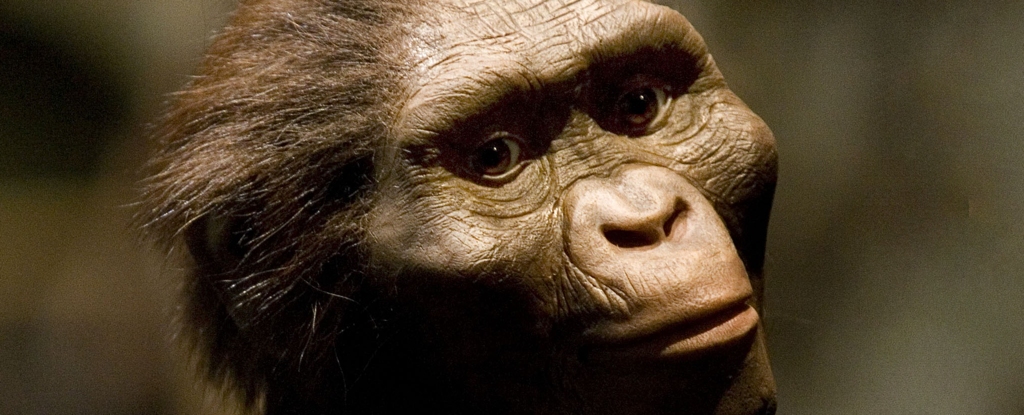
The discovery of Lucy, a 3.18-million-year-old Australopithecus afarensis skeleton found in Ethiopia in 1974, significantly advanced the understanding of human evolution. Lucy's remains, which are about 40% complete, revealed that human ancestors existed over three million years ago and provided a framework for interpreting other fossil finds. While initially considered a direct ancestor, newer discoveries suggest Lucy might be more of a distant relative. Ongoing research continues to explore her life and the broader implications for human ancestry.
- Lucy Is 50: How a Bombshell 1974 Discovery Redefined Human Origins ScienceAlert
- November 22, 2024 Science Friday
- This is why Lucy has been the face of human evolution for the last 50 years National Geographic
- Fifty years after the discovery of Lucy, it’s time to ‘decolonise paleoanthropology’ says leading Ethiopian fossil expert – podcast The Conversation
- How Discovery of Lucy Skeleton Shaped Our Understanding of Human Evolution Newsweek
Reading Insights
Total Reads
0
Unique Readers
2
Time Saved
3 min
vs 4 min read
Condensed
89%
705 → 78 words
Want the full story? Read the original article
Read on ScienceAlert