Tag

Captagon

All articles tagged with #captagon

Unveiling Syria's Captagon Empire: From Factories to Regime Funding

Originally Published 1 year ago — by The Conversation

Featured image for Unveiling Syria's Captagon Empire: From Factories to Regime Funding
Source: The Conversation

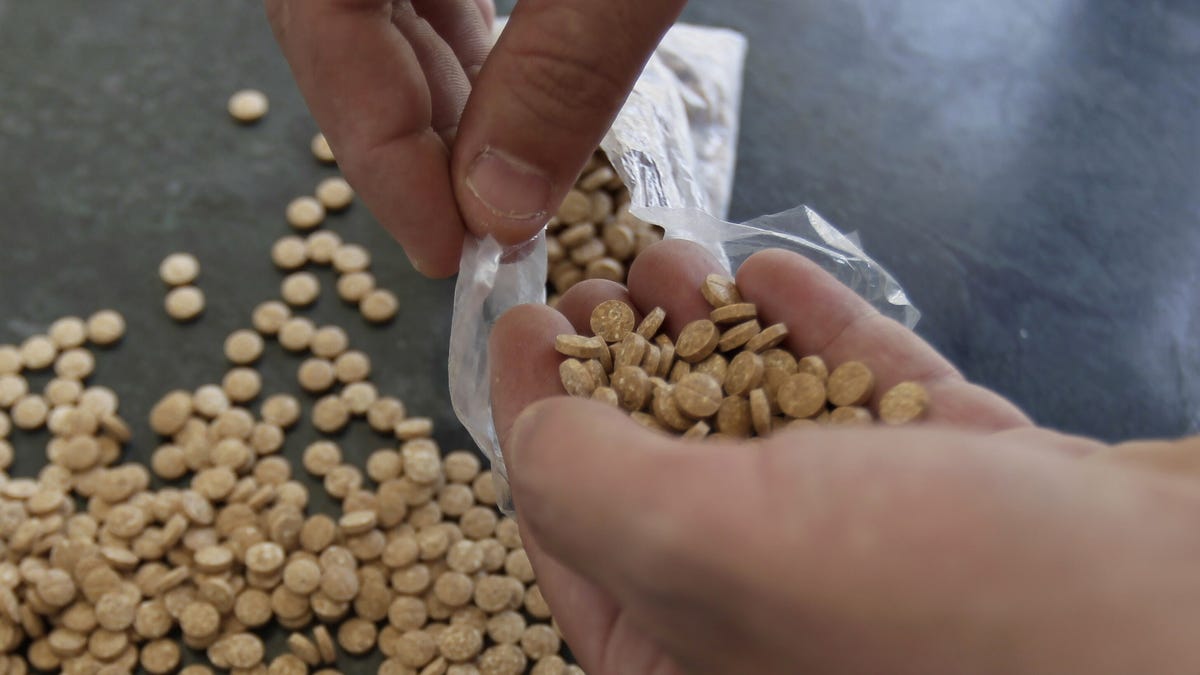
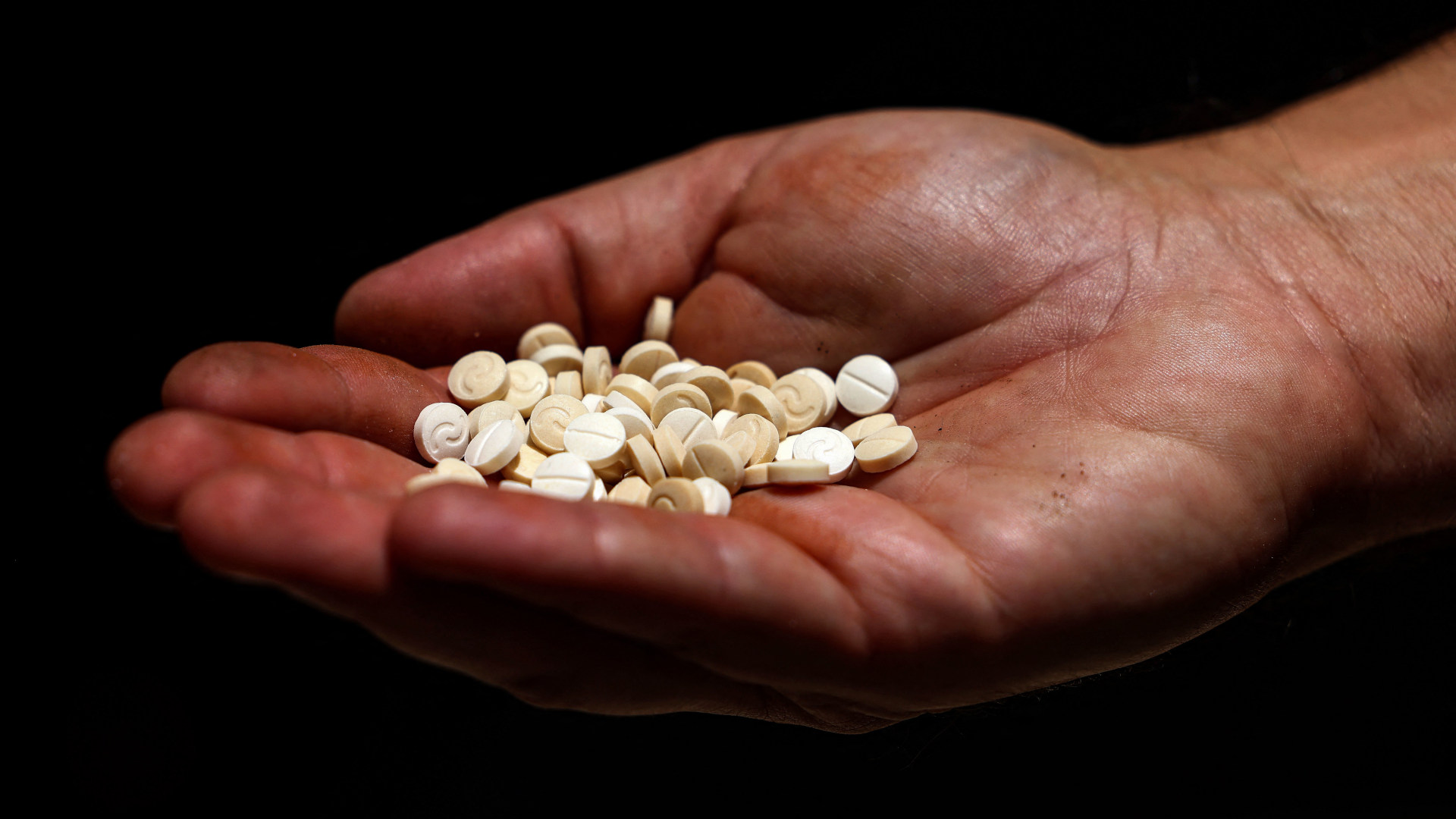
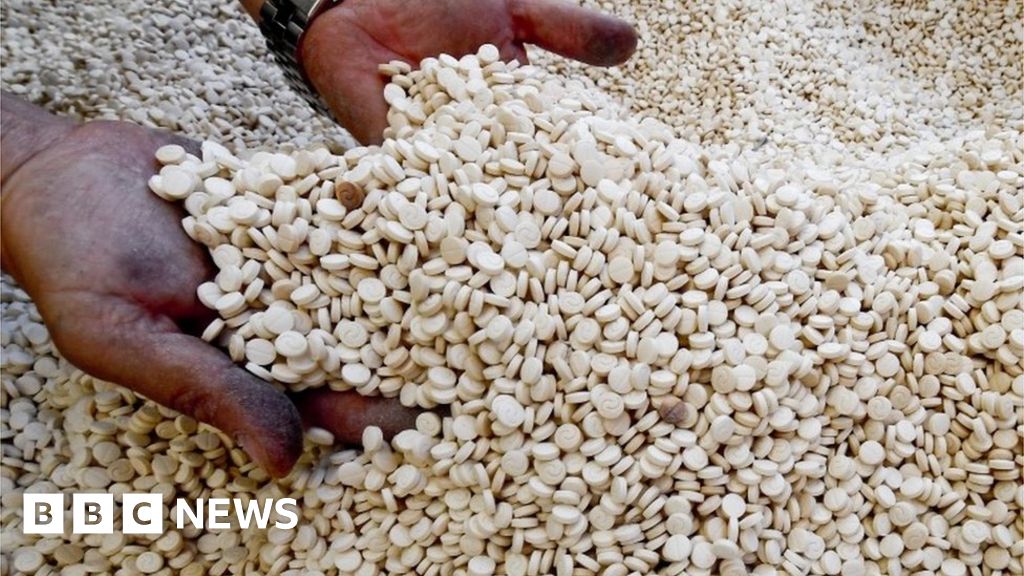
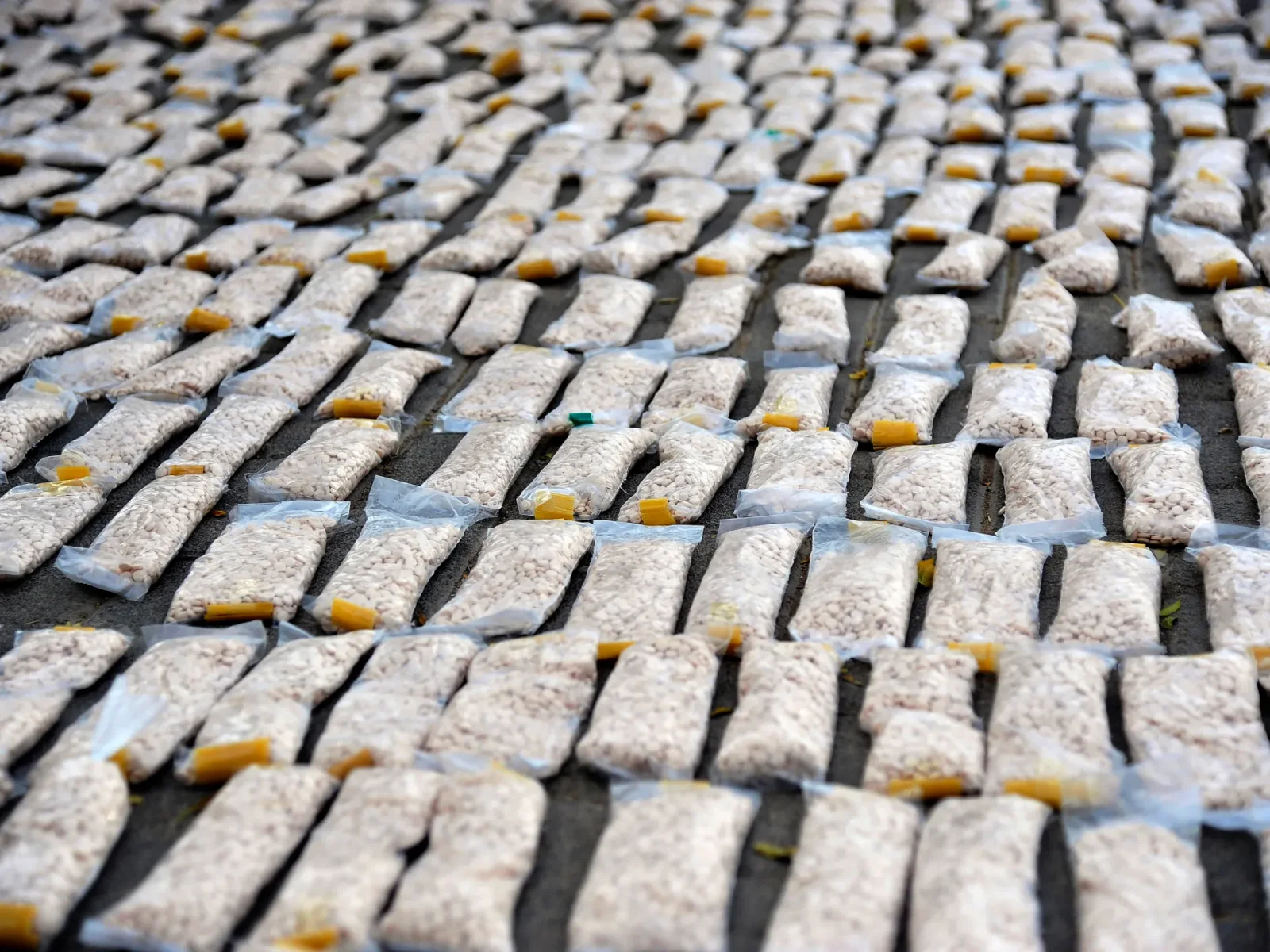
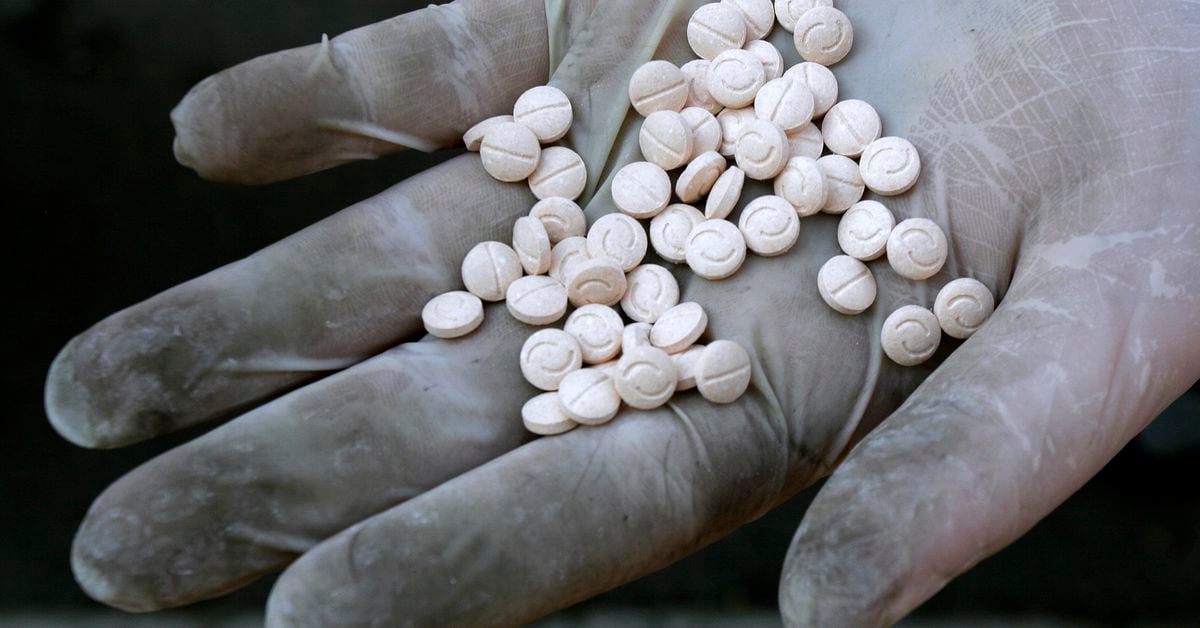
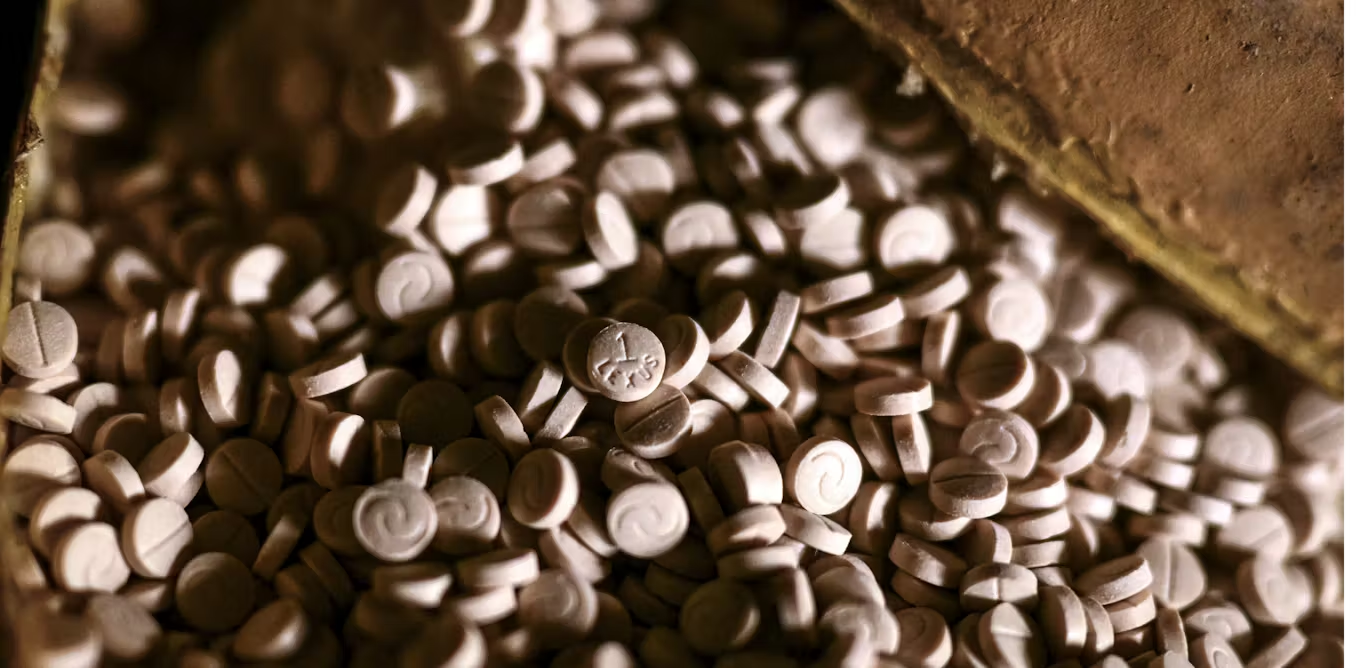
Captagon is an illegal amphetamine that has become a major source of revenue for the Assad regime in Syria. The drug is widely produced and trafficked in the region, contributing to the country's economic survival amidst international sanctions. The trade has significant geopolitical implications, affecting neighboring countries and complicating international relations.
Assad's Captagon Empire: Unveiling Syria's Billion-Dollar Drug Trade

Originally Published 1 year ago — by ABC News

Featured image for Assad's Captagon Empire: Unveiling Syria's Billion-Dollar Drug Trade
Source: ABC News

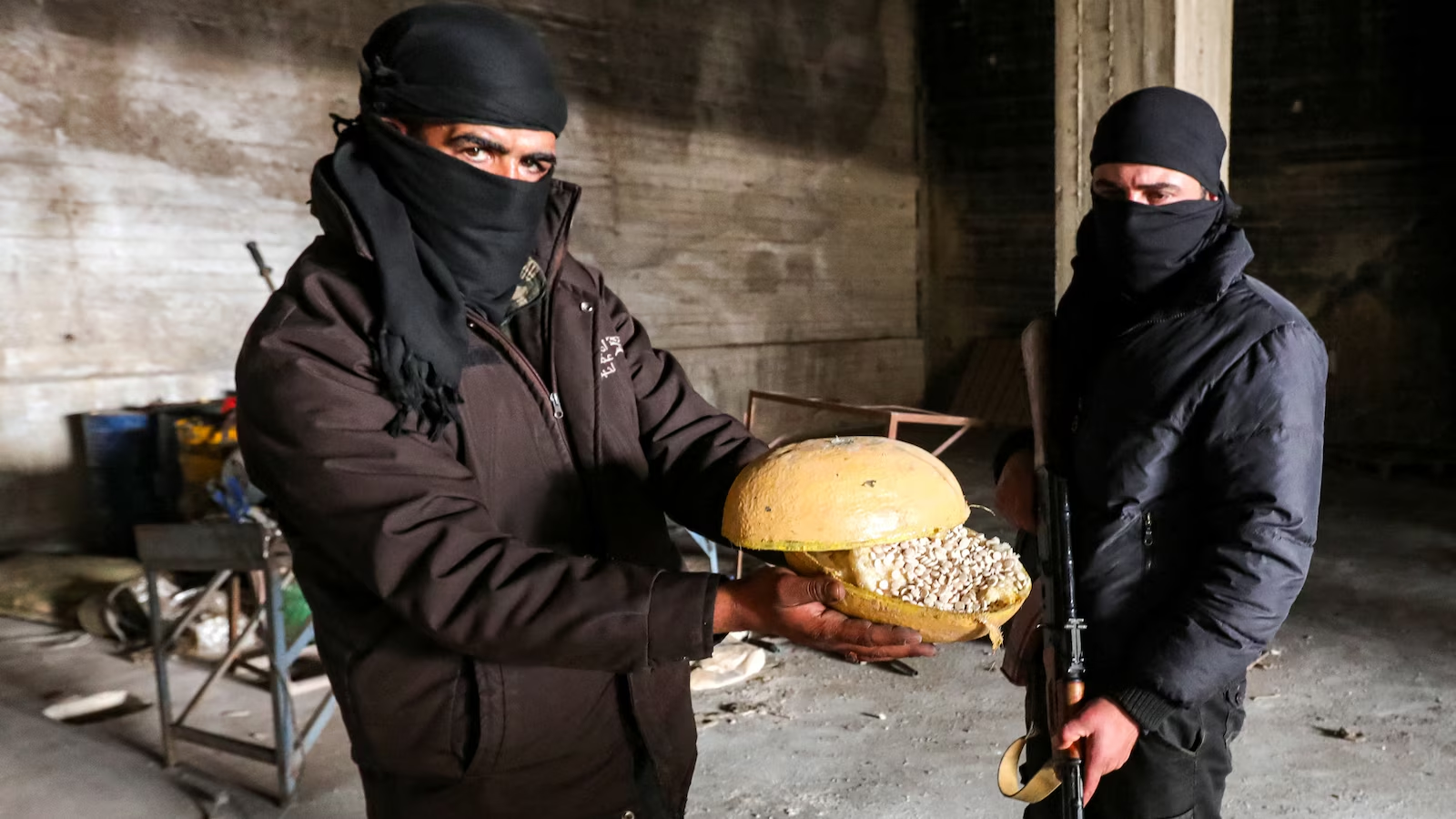
The Assad regime in Syria has fallen, with President Bashar Assad fleeing to Russia after rebel forces captured Damascus. A significant factor in Assad's downfall was the Captagon drug trade, which generated billions for Syria and the regime. The synthetic stimulant, popular in the Middle East, led neighboring countries to abandon Assad due to the flood of pills. The Captagon trade, described as a 'zombie economy,' was a major revenue source for Assad amid international sanctions. The regime's use of the drug trade as leverage in diplomatic negotiations backfired, contributing to its collapse.

"Assad's Drug Empire: Fueling Regime Wealth and Regional Chaos"

Originally Published 1 year ago — by Fox News

Featured image for "Assad's Drug Empire: Fueling Regime Wealth and Regional Chaos"
Source: Fox News

The Assad regime's involvement in the billion-dollar Captagon drug trade, largely produced in Syria and Lebanon, has wreaked havoc across the Middle East, with significant seizures of the highly addictive stimulant in Jordan, Saudi Arabia, and the UAE. The trade is linked to networks connected with Hezbollah and the Syrian military's elite Fourth Division, led by President Bashar al-Assad's brother, Maher, and has reportedly generated at least $7 billion for regime-aligned networks in the last three years. Despite increased awareness and sanctions, the trade continues to thrive due to Syria's infrastructure, complicity, and demand for alternative revenue. Jordan has been particularly impacted by the cross-border drug smuggling, prompting airstrikes and heightened security measures, while efforts to curb production face challenges.

Jordan's Air Force Strikes Drug Dealers in Syria

Originally Published 2 years ago — by Yahoo News

Featured image for Jordan's Air Force Strikes Drug Dealers in Syria
Source: Yahoo News

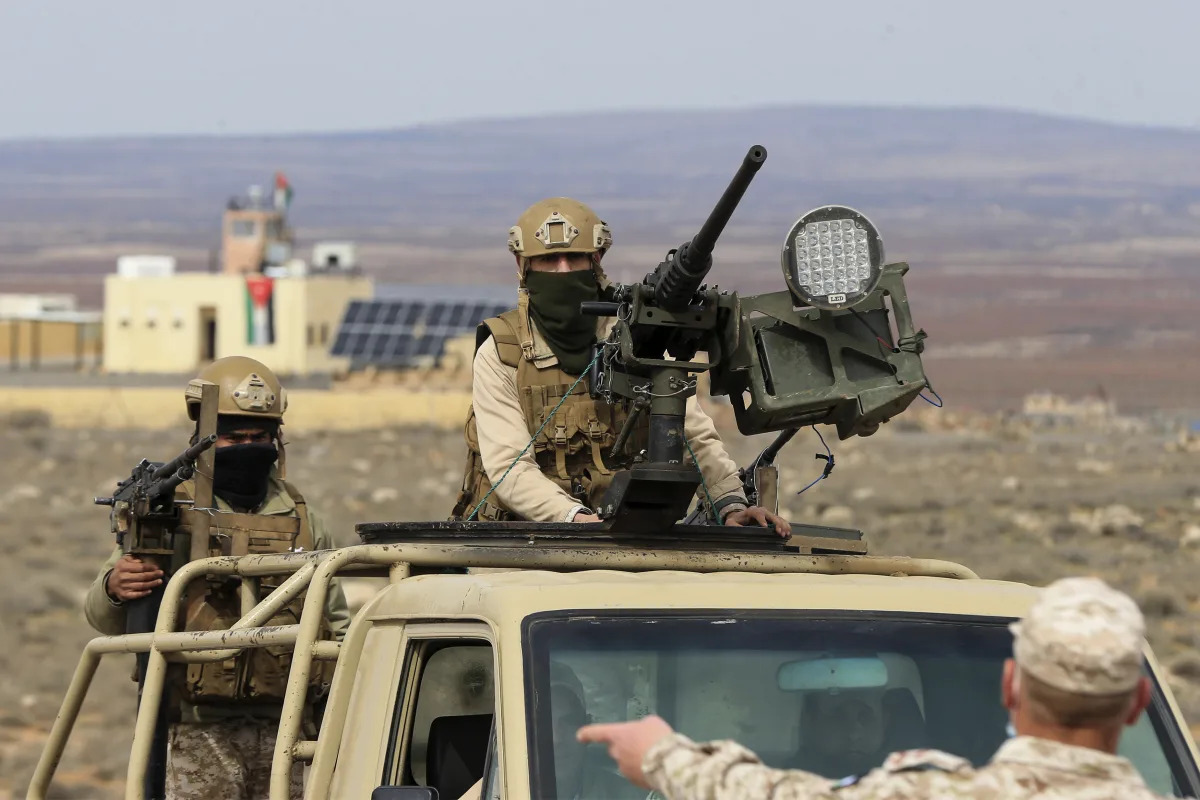
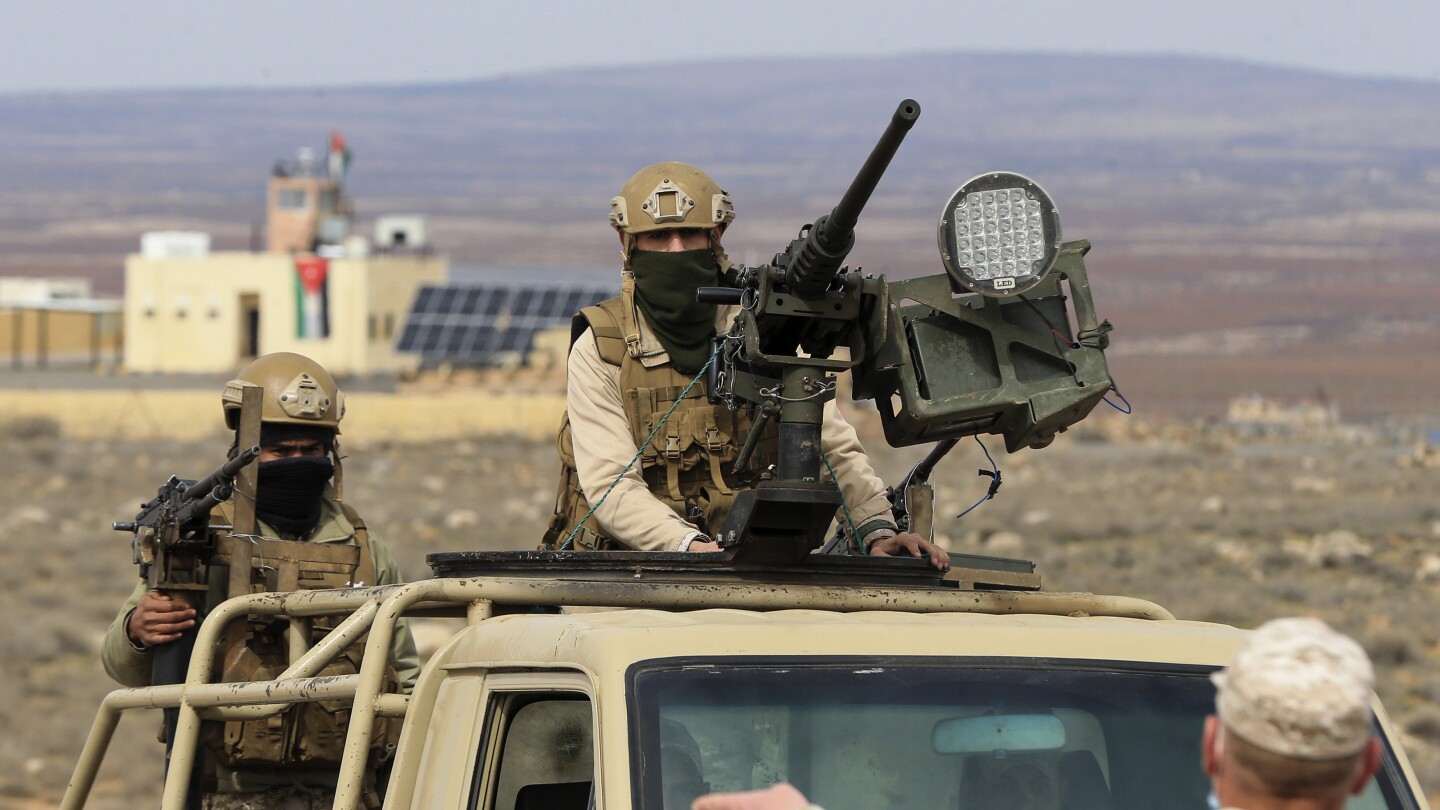
An airstrike, likely carried out by Jordan's air force, targeted drug dealers in the province of Sweida in southern Syria. Smugglers have been using Jordan as a corridor to transport Captagon amphetamines out of war-torn Syria. Jordanian authorities have previously intercepted smuggling attempts, including those using drones. The airstrike killed a well-known drug dealer in the region, according to the Syrian Observatory for Human Rights. Jordan has not claimed responsibility for any of the strikes.

Jordan's Air Force Strikes Drug Dealers in Syria

Originally Published 2 years ago — by The Associated Press

Featured image for Jordan's Air Force Strikes Drug Dealers in Syria
Source: The Associated Press

An airstrike, likely carried out by Jordan's air force, targeted a province in southern Syria, known for drug smuggling, killing a well-known drug dealer. Jordanian authorities had earlier reported killing and detaining smugglers along the border with Syria, seizing millions of Captagon pills. Jordan has been a key transit route for smuggling drugs out of war-torn Syria, and this is not the first time airstrikes have targeted drug-related facilities in the region.

"Jordanian Army's Deadly Crackdown on Cross-Border Drug Trafficking"

Originally Published 2 years ago — by Al Jazeera English

Featured image for "Jordanian Army's Deadly Crackdown on Cross-Border Drug Trafficking"
Source: Al Jazeera English

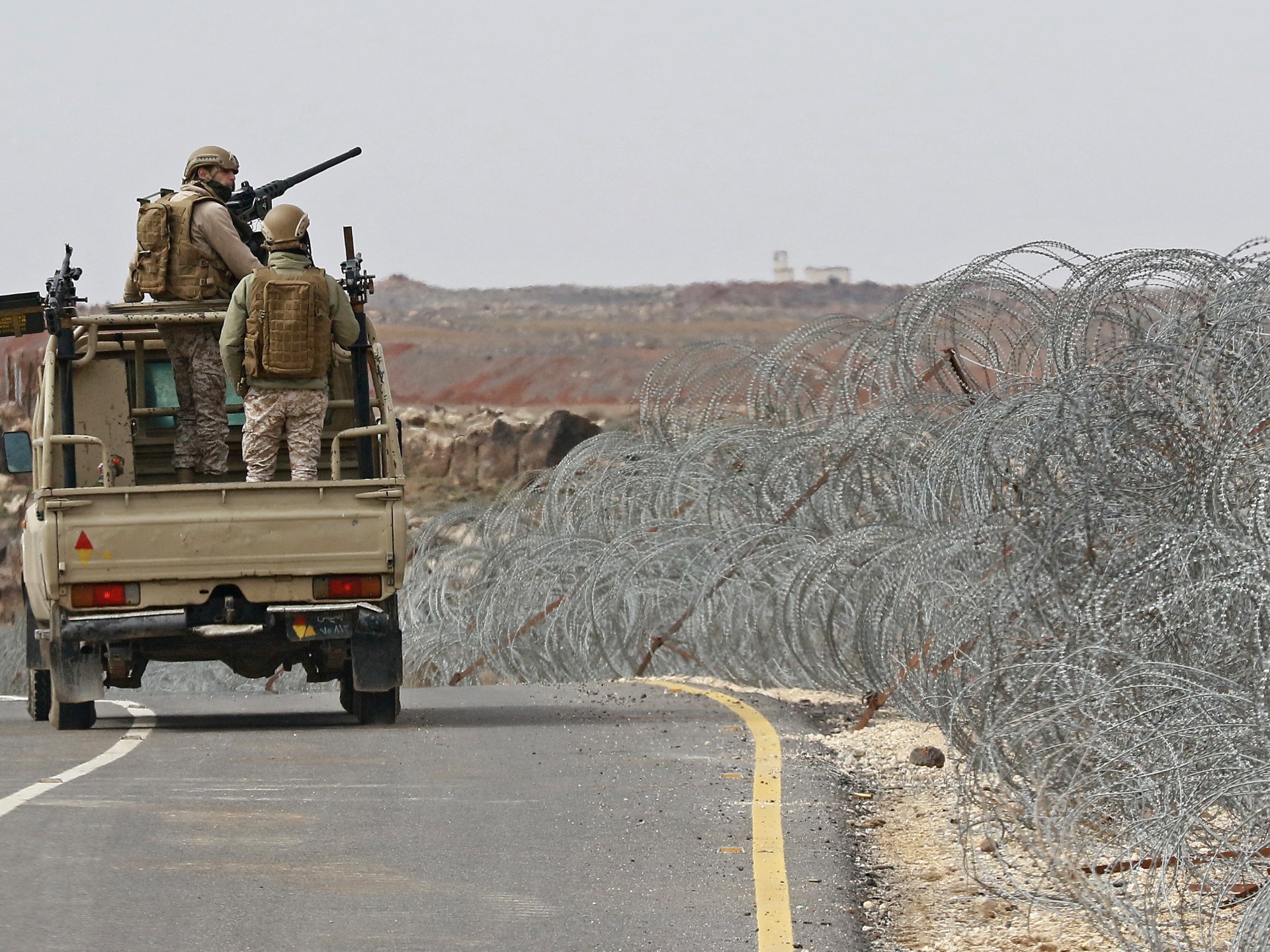
Jordan's army killed several drug smugglers near the Syrian border, as the trade of the highly addictive drug Captagon continues to soar. The amphetamine-like stimulant is mass-produced in Syria and channeled through Jordan into the Gulf states, generating billions of dollars for Syria's government and Iran-aligned militias. Dozens of drug runners crossed the border, firing at Jordanian border guards, resulting in the death of one soldier and injuries to another. Many dealers escaped back into Syria. Jordan has been taking action to protect its borders and prevent attempts to undermine national security, while also accusing Hezbollah and Iran-allied militias of being behind the smuggling networks.

Hamas Terrorists Under the Influence: The Role of Drugs in Attacks on Israel

Originally Published 2 years ago — by Hindustan Times

Featured image for Hamas Terrorists Under the Influence: The Role of Drugs in Attacks on Israel
Source: Hindustan Times

Hamas terrorists who carried out attacks in Israel may have been under the influence of Captagon, a synthetic amphetamine-type stimulant known as the "jihadi drug" or "poor man's cocaine." The drug, consumed like candy, reportedly instigates feelings of rage, irritability, and impatience, encouraging terrorists to commit acts of violence. Bags of Captagon were allegedly given to Hamas fighters, and the drug was found on some of the terrorists killed during the attacks. Captagon is trafficked from Turkey to the Middle East and is used by affluent populations in Saudi Arabia, Kuwait, and Qatar. It is also widely used by Hezbollah terrorists and is a major source of income for Syria.

"Hamas' Alleged Drug Use: Examining the Captagon Connection in Oct. 7 Attacks"

Originally Published 2 years ago — by USA TODAY

Featured image for "Hamas' Alleged Drug Use: Examining the Captagon Connection in Oct. 7 Attacks"
Source: USA TODAY

Israeli security officials have confirmed that the synthetic stimulant drug Captagon was found on some Hamas members who attacked Israel on October 7, killing over 1,400 people and kidnapping at least 220 more. Captagon, also known as the "jihadi drug" or "Poor Man's Cocaine," is a highly addictive amphetamine that has been used by Islamic State fighters in the past. The drug, which gives users superhuman powers and eliminates fear and hunger, may help explain the brutality of the attacks. Captagon is widely produced in Syria and is a multibillion-dollar black-market drug used throughout the Middle East.

The Rise of 'Poor Man's Cocaine' in the U.S.: A Looming Drug Crisis?

Originally Published 2 years ago — by Undark Magazine

Featured image for The Rise of 'Poor Man's Cocaine' in the U.S.: A Looming Drug Crisis?
Source: Undark Magazine

As the opioid crisis shows signs of slowing down, experts warn of a potential new wave of an emerging stimulant crisis in the US. Overdoses involving both stimulants and fentanyl have increased dramatically in recent years, indicating a shift in substance abuse patterns. Methamphetamine and cocaine are the primary stimulant drugs of concern, with methamphetamine-related overdose deaths nearly tripling from 2015 to 2019. Synthetic drugs, created in labs to mimic the effects of naturally occurring drugs, pose a significant threat. Counterfeit drugs like Captagon, known as "poor man's cocaine," are already popular in the Middle East and could potentially gain traction in the US. To address this looming crisis, improved data collection, monitoring, and collaboration across public health and law enforcement organizations are crucial.

Massive $1 Billion Captagon Drug Bust in Dubai Reveals Ingenious Smuggling Method

Originally Published 2 years ago — by CNN

Featured image for Massive $1 Billion Captagon Drug Bust in Dubai Reveals Ingenious Smuggling Method
Source: CNN

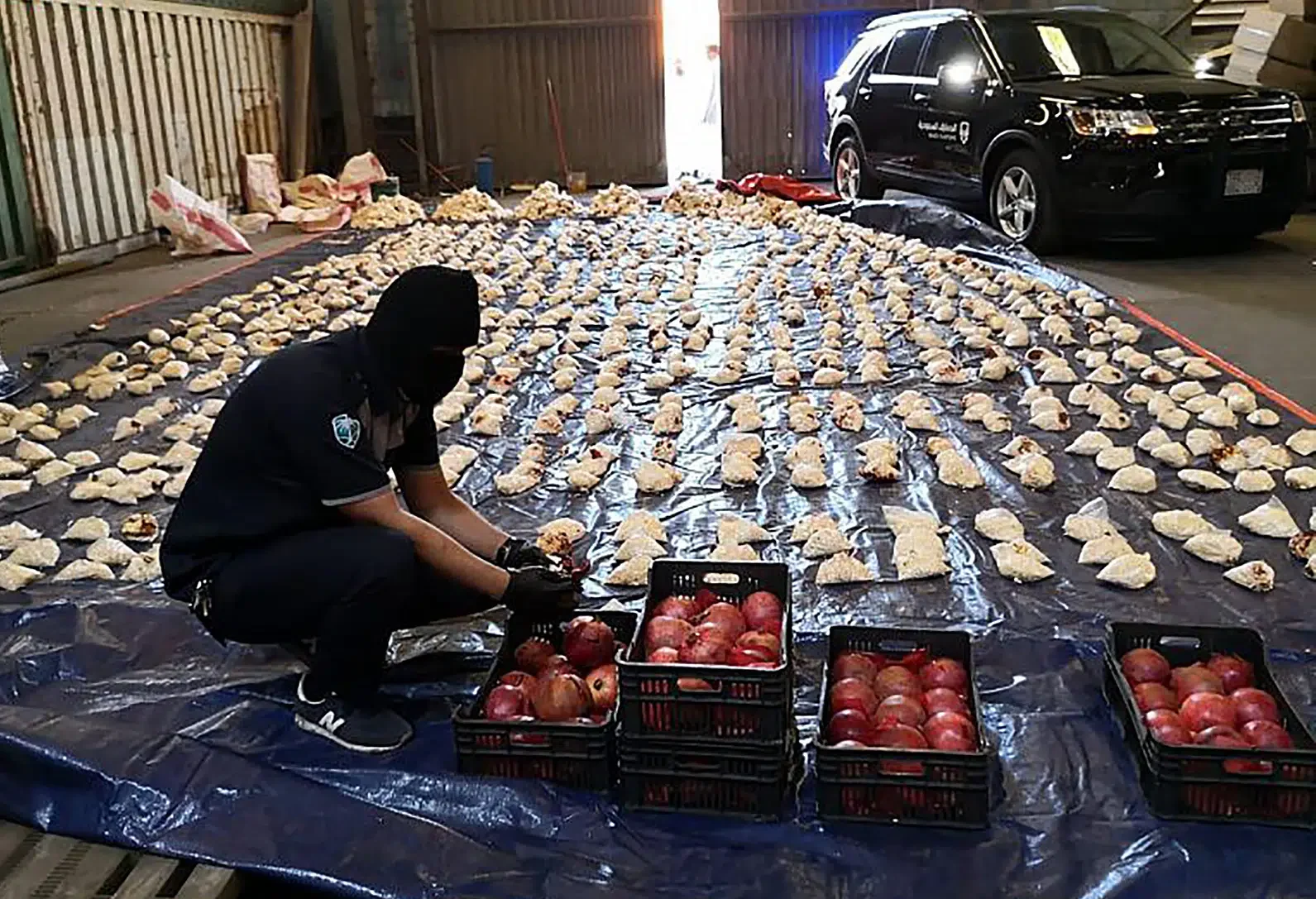
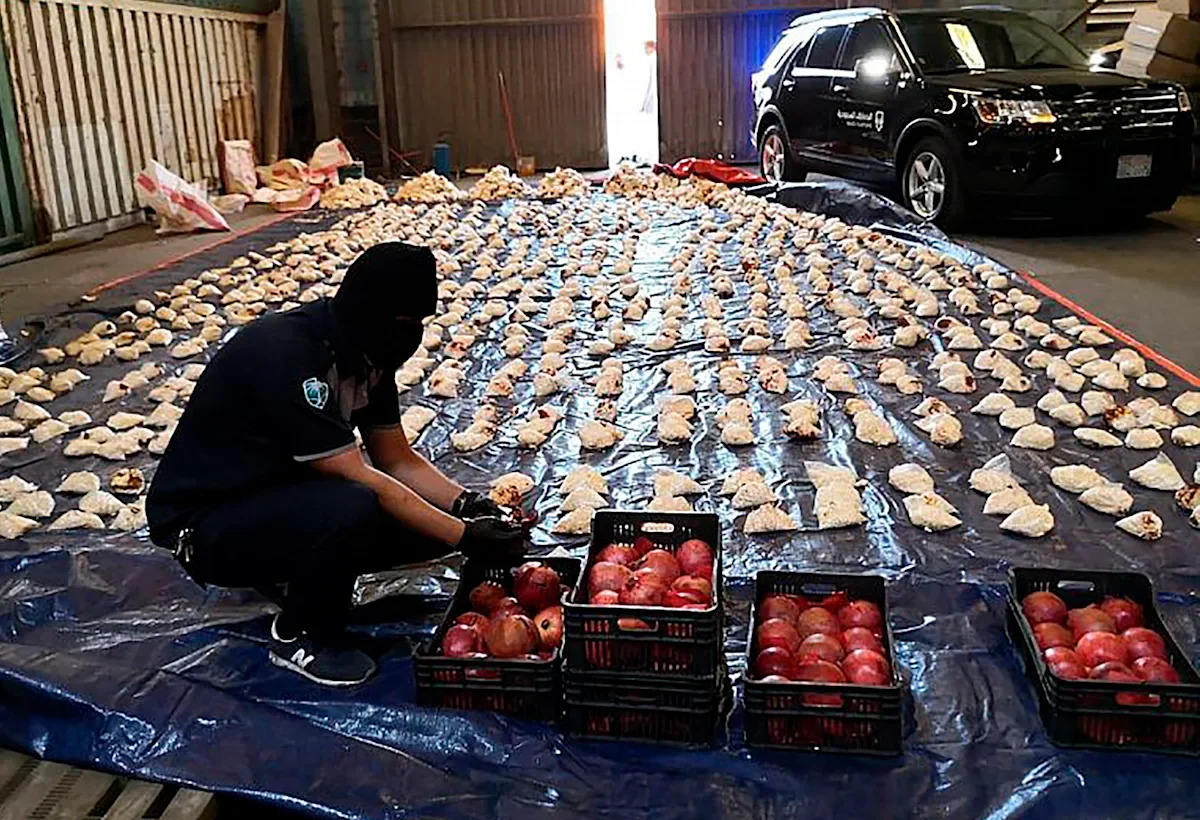
Dubai police have seized over $1 billion worth of the addictive amphetamine captagon, hidden in a shipment of doors and decorative building panels. The UAE authorities arrested six individuals involved in the smuggling operation, which they described as one of the largest in the world. Captagon production is primarily based in Syria, with the Gulf region being its main destination. The international community has raised concerns about the growth of the industry, leading to the introduction of the 2022 US Captagon Act.

Top Syrian officials linked to new Captagon drug trade.

Originally Published 2 years ago — by BBC

Featured image for Top Syrian officials linked to new Captagon drug trade.
Source: BBC

A joint investigation by BBC News Arabic and OCCRP has revealed new direct links between the multi-billion dollar Captagon drug trade and leading members of the Syrian Armed Forces and President Bashar al-Assad's family. Captagon is a highly addictive amphetamine-like drug that has plagued the Middle East in recent years. The investigation found evidence indicating the involvement of other senior Syrian officials in addition to those already included in the list of people suspected of involvement in the Captagon trade. The drug is being found in Europe, Africa and Asia. Syria's government has previously denied any involvement in the drugs trade.

Captagon: Assad's Secret Weapon in Winning Over Arab States

Originally Published 2 years ago — by The Associated Press

Featured image for Captagon: Assad's Secret Weapon in Winning Over Arab States
Source: The Associated Press

Arab states have been willing to reconcile with Syrian President Bashar Assad in hopes he will stop the flow of highly addictive Captagon amphetamines out of Syria, which has been smuggled into Jordan, Iraq, Saudi Arabia, and other Gulf Arab countries. Western governments fear that the red-carpet treatment Arab countries have given Assad will undermine the push for an end to Syria’s long-running civil war. The vast majority of the world’s Captagon is produced in Syria, with smaller production in neighboring Lebanon. Western governments accuse Assad, his family, and allies of facilitating and profiting from the trade, giving Assad’s rule a massive financial lifeline at a time when the Syrian economy is crumbling.

Captagon: Assad's Secret Weapon in Winning Over Arab States

Originally Published 2 years ago — by Yahoo News

Featured image for Captagon: Assad's Secret Weapon in Winning Over Arab States
Source: Yahoo News

Arab states are willing to reconcile with Syrian President Bashar Assad in hopes he will stop the flow of highly addictive Captagon amphetamines out of Syria, which have been smuggled into Jordan, Iraq, Saudi Arabia, and other Gulf Arab countries. Stopping the Captagon trade is a high priority for Arab countries, and halting it has been a top demand in their talks with Syria on ending its political isolation. The vast majority of the world’s Captagon is produced in Syria, with smaller production in neighboring Lebanon. Western governments accuse Assad, his family, and allies of facilitating and profiting from the trade, giving Assad's rule a massive financial lifeline at a time when the Syrian economy is crumbling.

Assad's attendance at Arab League summit raises eyebrows.

Originally Published 2 years ago — by Al Jazeera English

Featured image for Assad's attendance at Arab League summit raises eyebrows.
Source: Al Jazeera English

Syria's return to the Arab League after a 12-year hiatus has been attributed to a variety of factors, including the country's role as the world's largest producer of Captagon, an addictive amphetamine-type stimulant pill. While President Bashar al-Assad denies any organised efforts by his government to profit from the drug, observers say he has turned Syria into a narco-state, making billions of dollars every year from a business that is believed to be worth several times that of the entirety of operations run by the infamous cartels in Mexico. Arab states have little leverage over Assad, who is unlikely to give up Captagon, but they hope that those regime elements involved in the Captagon trade might divert some of it to markets outside the Arab world to reduce the flow of the drug to Arab countries.

The Captagon Connection: Drugs and Conflict in the Middle East

Originally Published 2 years ago — by Reuters

Featured image for The Captagon Connection: Drugs and Conflict in the Middle East
Source: Reuters

Captagon, an amphetamine commonly known as "the drug of jihad" or "poor man's cocaine," has entrenched itself in the Middle East, from frontlines to high-end parties. Syria is thought to be a major producer and consumer of the drug, with the government accused of benefiting from the trade. The drug's most lucrative market is the Gulf region, where party scenes are flourishing, particularly in Saudi Arabia and the United Arab Emirates. Curbing the captagon trade has become a key demand by Arab states seeking to restore ties with Syria's President Bashar al-Assad.